

Papaya, dried
Common food

Photo: Wikipedia
Dried papaya is a chewy, intensely sweet tropical treat, its vibrant orange color preserved from the fresh fruit. The dehydration process concentrates its natural sugars, creating a candy-like texture with a pronounced, honeyed papaya flavor. Nutritionally, it's a dense source of quick-energy carbohydrates, primarily from its high sugar content.
Calorie split: 2% protein · 96% carbs · 2% fat
↓ Full nutrition💚 Why it's loved
People love dried papaya for its satisfyingly chewy texture and the way dehydration intensifies its tropical, almost floral sweetness. It's a versatile snack that can be enjoyed on its own, added to trail mixes, or used as a topping for yogurt and oatmeal.
⚠️ Watch-outs & how to enjoy it better
The primary downside is its very high sugar content (over 67g per 100g), which can cause rapid blood-sugar spikes, making it a poor choice for those managing diabetes or on low-sugar diets. To counteract this, pair a small portion with a source of protein or fat (like nuts or Greek yogurt) to slow sugar absorption, and practice strict portion control.
Key benefits
- Provides a quick source of energy from natural carbohydrates
- Contains dietary fiber which aids in digestion
- Offers a convenient, shelf-stable fruit snack
- Retains some vitamins and minerals from the fresh fruit, like vitamin C
- Can be a palatable way to increase fruit intake for some
🍽️ Popular dishes
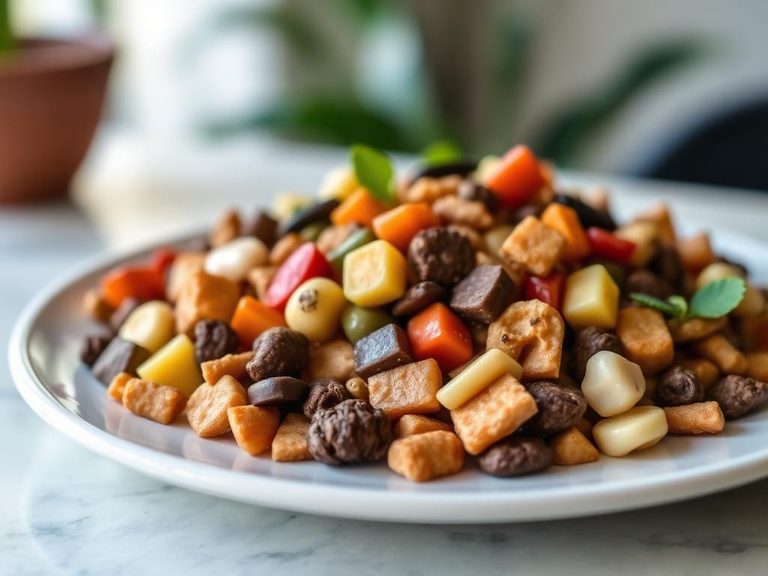
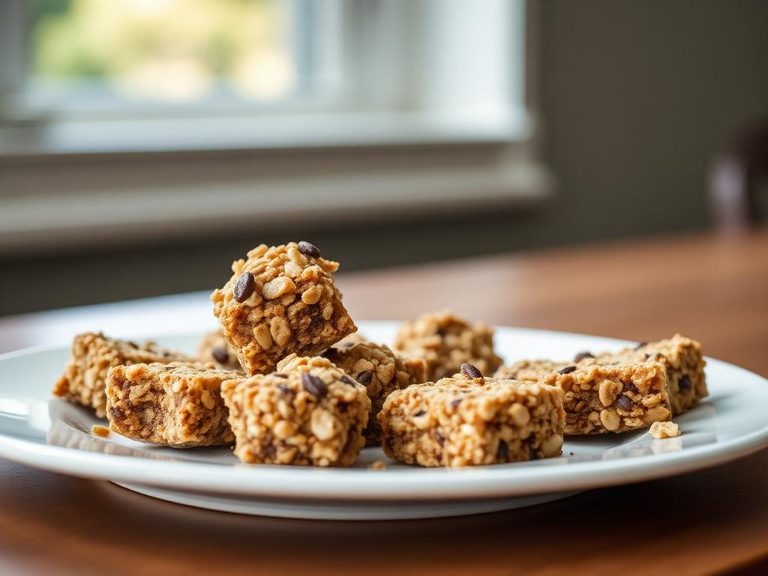
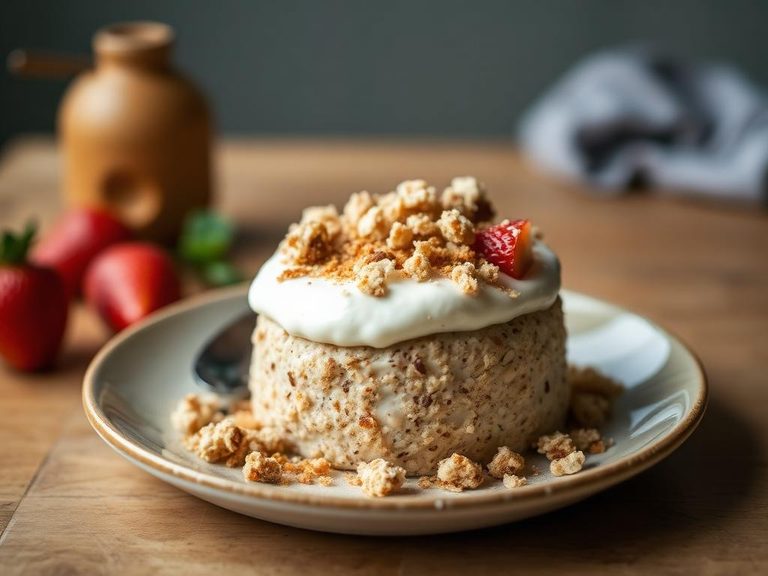

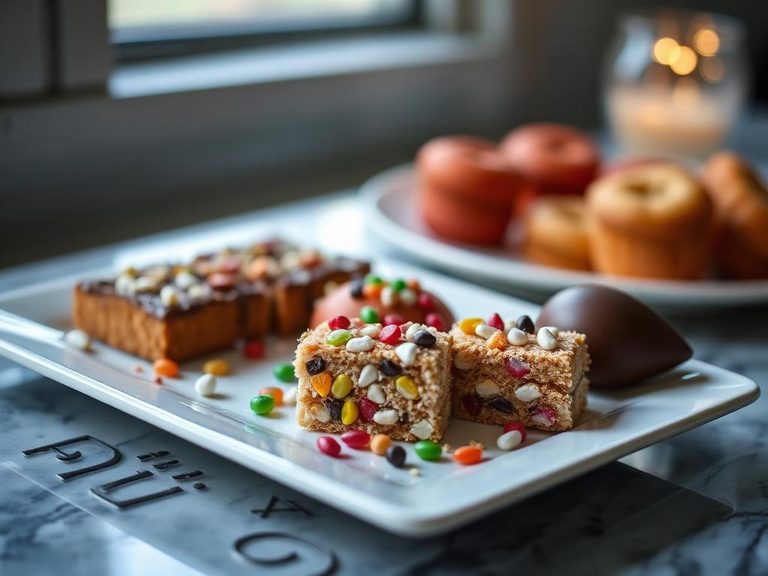
🌍 Where it's eaten
💡 Did you know?
Commercial dried papaya is often 'candied'—soaked in a sugar syrup before final drying—which significantly boosts its sugar content far beyond what simple dehydration would produce.
Full nutrition (USDA data · scales with serving)
| Water | 21.4 g |
| Energy | 302 kcal |
| Protein | 1.3 g |
| Total lipid (fat) | 0.84 g |
| Carbohydrate, by difference | 75.4 g |
| Fiber, total dietary | 4.5 g |
| Total Sugars | 67.5 g |
| Calcium, Ca | 54.0 mg |
| Iron, Fe | 0.69 mg |
| Magnesium, Mg | 56.0 mg |
| Phosphorus, P | 27.0 mg |
| Potassium, K | 484 mg |
| Sodium, Na | 22.0 mg |
| Zinc, Zn | 0.22 mg |
| Copper, Cu | 0.12 mg |
| Selenium, Se | 1.9 ug |
| Vitamin C, total ascorbic acid | 32.4 mg |
| Thiamin | 0.04 mg |
| Riboflavin | 0.07 mg |
| Niacin | 0.85 mg |
| Vitamin B-6 | 0.09 mg |
| Folate, total | 49.0 ug |
| Folic acid | 0.00 ug |
| Folate, food | 49.0 ug |
| Folate, DFE | 49.0 ug |
| Choline, total | 16.2 mg |
| Vitamin B-12 | 0.00 ug |
| Vitamin B-12, added | 0.00 ug |
| Vitamin A, RAE | 62.0 ug |
| Retinol | 0.00 ug |
| Carotene, beta | 364 ug |
| Carotene, alpha | 3.0 ug |
| Cryptoxanthin, beta | 782 ug |
| Lycopene | 2428 ug |
| Lutein + zeaxanthin | 118 ug |
| Vitamin E (alpha-tocopherol) | 0.80 mg |
| Vitamin E, added | 0.00 mg |
| Vitamin D (D2 + D3) | 0.00 ug |
| Vitamin K (phylloquinone) | 6.9 ug |
| Alcohol, ethyl | 0.00 g |
| Caffeine | 0.00 mg |
| Theobromine | 0.00 mg |
Fat & fatty acid profile (per 100g)
| Fatty acids, total saturated | 0.21 g |
| SFA 4:0 | 0.00 g |
| SFA 6:0 | 0.00 g |
| SFA 8:0 | 0.00 g |
| SFA 10:0 | 0.00 g |
| SFA 12:0 | 0.01 g |
| SFA 14:0 | 0.04 g |
| SFA 16:0 | 0.16 g |
| SFA 18:0 | 0.01 g |
| Fatty acids, total monounsaturated | 0.19 g |
| MUFA 16:1 | 0.10 g |
| MUFA 18:1 | 0.09 g |
| MUFA 20:1 | 0.00 g |
| MUFA 22:1 | 0.00 g |
| Fatty acids, total polyunsaturated | 0.15 g |
| PUFA 18:2 | 0.03 g |
| PUFA 18:3 | 0.13 g |
| PUFA 18:4 | 0.00 g |
| PUFA 20:4 | 0.00 g |
| PUFA 20:5 n-3 (EPA) | 0.00 g |
| PUFA 22:5 n-3 (DPA) | 0.00 g |
| PUFA 22:6 n-3 (DHA) | 0.00 g |
| Cholesterol | 0.00 mg |
Amino acid profile (per 100g)
Estimated from Papayas, raw — USDA does not publish this profile for Papaya.
| Tryptophan | 0.01 g |
| Threonine | 0.01 g |
| Isoleucine | 0.01 g |
| Leucine | 0.02 g |
| Lysine | 0.03 g |
| Methionine | 0.00 g |
| Phenylalanine | 0.01 g |
| Tyrosine | 0.01 g |
| Valine | 0.01 g |
| Arginine | 0.01 g |
| Histidine | 0.01 g |
| Alanine | 0.01 g |
| Aspartic acid | 0.05 g |
| Glutamic acid | 0.03 g |
| Glycine | 0.02 g |
| Proline | 0.01 g |
| Serine | 0.01 g |
FAQ
Is dried papaya healthy?
It's a source of fiber and some nutrients, but its healthiness depends on context. Due to its extremely high sugar and calorie density, it's best viewed as an occasional treat rather than a daily health food. The nutritional profile is more similar to candy than to fresh fruit.
Why is dried papaya so chewy?
The chewiness comes from the removal of water, which concentrates the fruit's natural fibers and sugars. Some commercial brands may also add a humectant like glycerin to maintain a softer, pliable texture.
Can I make dried papaya at home?
Yes. You can slice fresh papaya thinly and dry it in a food dehydrator or a low-temperature oven (around 135°F / 57°C) for several hours until pliable but not sticky. Homemade versions will be less sweet than commercial candied varieties.
Nutrient density (calculated · NRF9.3)
Nutrient Rich Foods index: beneficial nutrients (protein, fiber, vitamins, minerals) minus saturated fat, added sugar & sodium, per 100 kcal.
NRF9.3 index — Fulgoni, Keast & Drewnowski, 2009. Computed from USDA nutrients.
Weight-loss friendliness (composite index)
Energy density 3.02 kcal/g · 2% calories from protein · 4.5 g fiber · 67.5 g sugar per 100 g.
Composite of energy density (Rolls et al., 1999), protein & fiber satiety, minus sugar. A calculated heuristic — ranks satiety-per-calorie, not a clinical measure.
Dietary load (calculated from USDA values)
Potential renal acid load. Positive = acid-forming, negative = alkaline-forming.
Sodium-to-potassium ratio: 0.05 (lower is better — aim for ≤ 1)
Sodium:potassium per WHO potassium guidance. Computed from USDA nutrients.