

Ostrich, top loin, raw
Whole food · Poultry Products

Photo: Wikipedia
Ostrich top loin is a lean, deep-red cut of meat that cooks quickly and has a tender, beef-like texture without the heavy marbling. It boasts an impressive protein density (21.67g per 100g) with minimal fat, making it a powerhouse for muscle-building diets. The flavor is mild and slightly sweet, offering a clean, gamey taste that pairs well with bold seasonings and sauces.
Calorie split: 77% protein · 0% carbs · 23% fat
↓ Full nutrition💚 Why it's loved
People love ostrich top loin for its versatility—it can be grilled, seared, or stir-fried without the risk of becoming tough, thanks to its low fat content. Its mild, beef-like flavor makes it a gateway for those curious about game meats, and its quick cooking time is a huge plus for busy weeknight dinners.
⚠️ Watch-outs & how to enjoy it better
Because it is so lean, ostrich top loin can dry out quickly if overcooked, leading to a tough, chewy texture. To counteract this, use a meat thermometer to ensure it reaches an internal temperature of 145°F (63°C) and let it rest for 5-10 minutes after cooking to retain juices. Pairing it with a rich sauce or a side of healthy fats like avocado can also help balance the meal and prevent dryness.
Key benefits
- Extremely high protein-to-fat ratio, ideal for lean muscle maintenance
- Rich in iron and B12, supporting energy levels and red blood cell production
- Low in saturated fat compared to traditional red meats like beef or lamb
- High in zinc, which supports immune function and wound healing
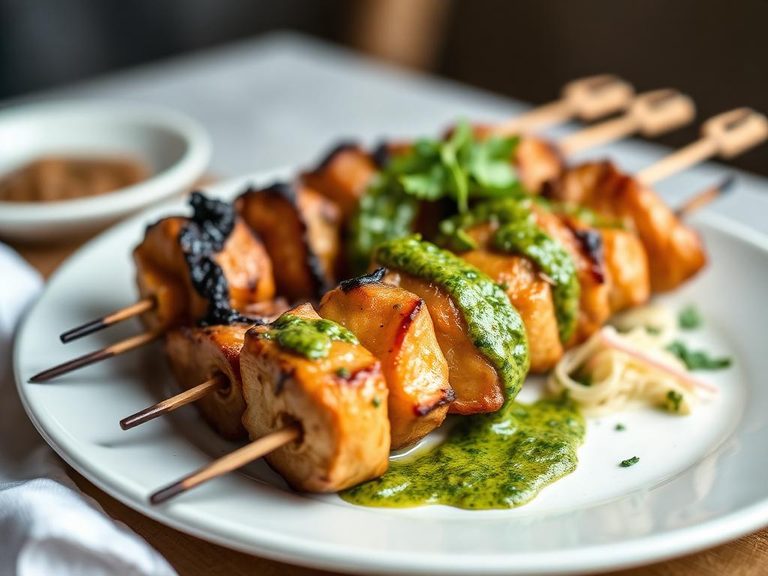
🍽️ Popular dishes
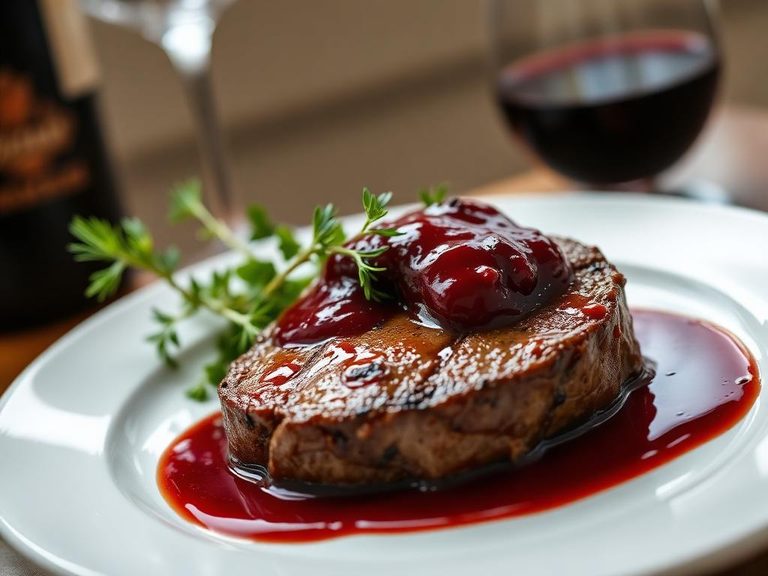
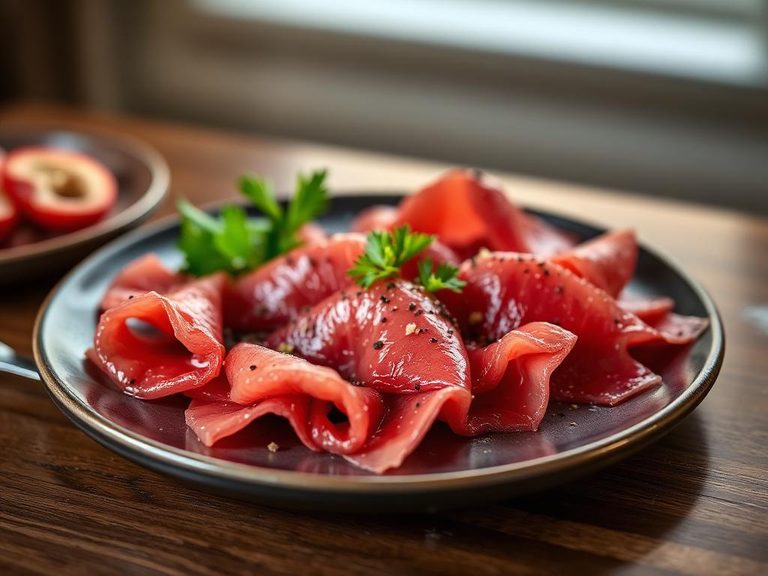
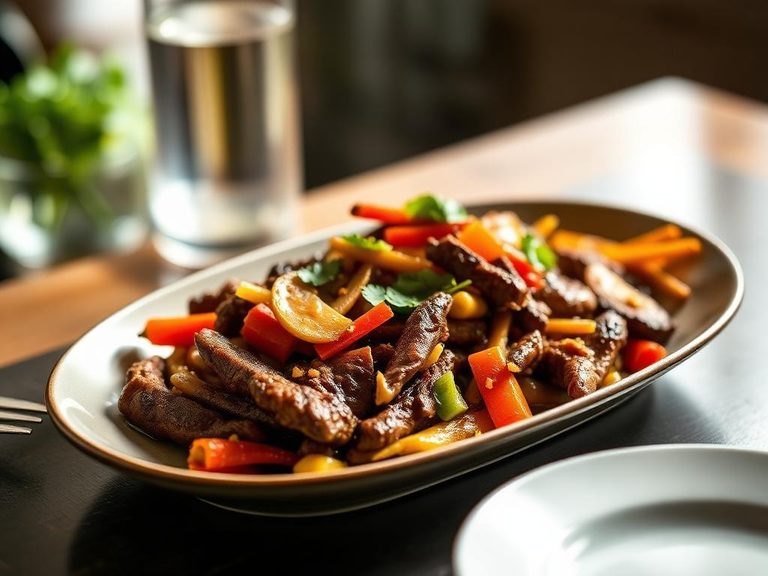
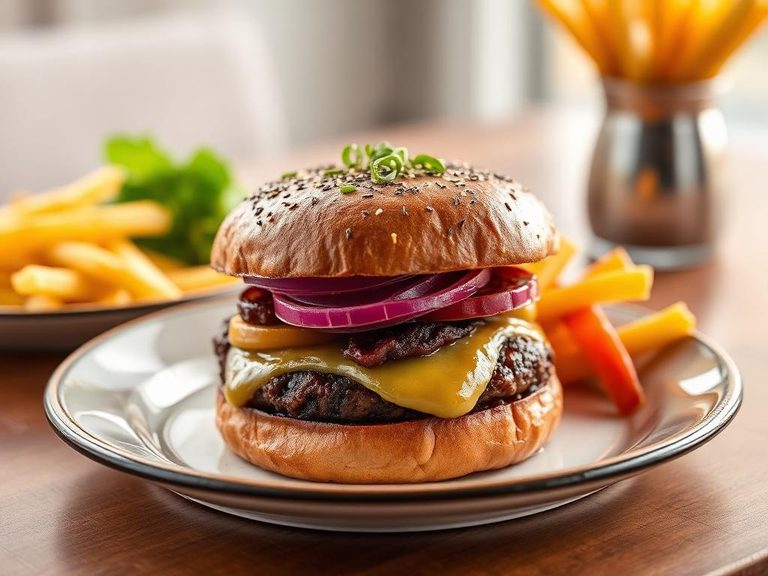
🌍 Where it's eaten
💡 Did you know?
Ostrich meat was once considered a 'luxury' food in the 1990s, but it has since become more accessible due to the growth of ostrich farming in South Africa and the United States.
Full nutrition (USDA data · scales with serving)
| Water | 75.3 g |
| Energy | 119 kcal |
| Energy | 498 kj |
| Protein | 21.7 g |
| Total lipid (fat) | 3.0 g |
| Ash | 0.73 g |
| Carbohydrate, by difference | 0.00 g |
| Fiber, total dietary | 0.00 g |
| Total Sugars | 0.00 g |
| Calcium, Ca | 6.0 mg |
| Iron, Fe | 3.1 mg |
| Magnesium, Mg | 22.0 mg |
| Phosphorus, P | 214 mg |
| Potassium, K | 312 mg |
| Sodium, Na | 81.0 mg |
| Zinc, Zn | 3.8 mg |
| Copper, Cu | 0.14 mg |
| Manganese, Mn | 0.02 mg |
| Selenium, Se | 35.4 ug |
| Vitamin C, total ascorbic acid | 0.00 mg |
| Thiamin | 0.20 mg |
| Riboflavin | 0.29 mg |
| Niacin | 4.7 mg |
| Pantothenic acid | 1.2 mg |
| Vitamin B-6 | 0.51 mg |
| Folate, total | 8.0 ug |
| Folic acid | 0.00 ug |
| Folate, food | 8.0 ug |
| Folate, DFE | 8.0 ug |
| Vitamin B-12 | 4.9 ug |
| Vitamin A, RAE | 0.00 ug |
| Retinol | 0.00 ug |
| Carotene, beta | 0.00 ug |
| Carotene, alpha | 0.00 ug |
| Cryptoxanthin, beta | 0.00 ug |
| Vitamin A, IU | 0.00 iu |
| Lycopene | 0.00 ug |
| Lutein + zeaxanthin | 0.00 ug |
| Vitamin E (alpha-tocopherol) | 0.20 mg |
| Alcohol, ethyl | 0.00 g |
| Caffeine | 0.00 mg |
| Theobromine | 0.00 mg |
Fat & fatty acid profile (per 100g)
| Fatty acids, total saturated | 1.2 g |
| SFA 14:0 | 0.06 g |
| SFA 16:0 | 0.93 g |
| SFA 18:0 | 0.21 g |
| Fatty acids, total monounsaturated | 1.1 g |
| MUFA 16:1 | 0.33 g |
| MUFA 18:1 | 0.73 g |
| Fatty acids, total polyunsaturated | 0.58 g |
| PUFA 18:2 | 0.38 g |
| PUFA 18:3 | 0.05 g |
| PUFA 20:4 | 0.15 g |
| Cholesterol | 75.0 mg |
Amino acid profile (per 100g)
| Tryptophan | 0.19 g |
| Threonine | 0.95 g |
| Isoleucine | 1.0 g |
| Leucine | 1.8 g |
| Lysine | 1.9 g |
| Methionine | 0.61 g |
| Cystine | 0.22 g |
| Phenylalanine | 0.89 g |
| Tyrosine | 0.70 g |
| Valine | 1.1 g |
| Arginine | 1.5 g |
| Histidine | 0.54 g |
| Alanine | 1.4 g |
| Aspartic acid | 2.0 g |
| Glutamic acid | 3.3 g |
| Glycine | 1.4 g |
| Proline | 1.1 g |
| Serine | 0.87 g |
| Hydroxyproline | 0.39 g |
FAQ
How does ostrich meat taste compared to beef?
Ostrich meat has a similar taste to beef but is milder and slightly sweeter, with a leaner texture and less fat.
Is ostrich meat safe for people with allergies?
Ostrich meat is generally safe for most people, but it is a red meat and may not be suitable for those with specific meat allergies or dietary restrictions.
How should I store ostrich meat?
Store ostrich meat in the refrigerator for up to 3 days or freeze it for up to 6 months. Keep it in an airtight container to prevent freezer burn.
Nutrient density (calculated · NRF9.3)
Nutrient Rich Foods index: beneficial nutrients (protein, fiber, vitamins, minerals) minus saturated fat, added sugar & sodium, per 100 kcal.
NRF9.3 index — Fulgoni, Keast & Drewnowski, 2009. Computed from USDA nutrients.
Weight-loss friendliness (composite index)
Energy density 1.19 kcal/g · 73% calories from protein · 0.0 g fiber · 0.0 g sugar per 100 g.
Composite of energy density (Rolls et al., 1999), protein & fiber satiety, minus sugar. A calculated heuristic — ranks satiety-per-calorie, not a clinical measure.
Dietary load (calculated from USDA values)
Potential renal acid load. Positive = acid-forming, negative = alkaline-forming.
Sodium-to-potassium ratio: 0.26 (lower is better — aim for ≤ 1)
Sodium:potassium per WHO potassium guidance. Computed from USDA nutrients.