

Onions, yellow, raw
Whole food · Vegetables and Vegetable Products
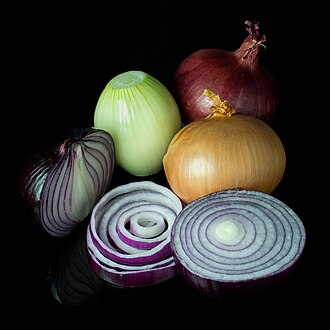
Photo: Wikipedia
The raw yellow onion is a pungent, crisp bulb with a sharp, sulfurous bite that mellows into sweetness when cooked. Nutritionally, it's a low-calorie source of fiber (1.9g per 100g) and provides a notable amount of vitamin C and antioxidants like quercetin. Its distinctive flavor is the foundational aromatic in countless global cuisines.
Calorie split: 9% protein · 90% carbs · 1% fat
↓ Full nutrition💚 Why it's loved
People love the yellow onion for its unparalleled ability to build a deep, savory flavor base in soups, stews, and sauces. Its versatility—raw for a sharp kick or cooked for sweet, caramelized depth—makes it an indispensable kitchen staple across cultures.
⚠️ Watch-outs & how to enjoy it better
Raw onions can cause digestive discomfort (bloating, gas) for some, especially those with IBS, due to their high fructan content. To mitigate this, cook them thoroughly to break down the fibers, or soak sliced raw onions in cold water for 10-15 minutes to reduce both pungency and fermentable sugars. Those with severe acid reflux may also want to limit raw intake.
Key benefits
- Rich in quercetin, a potent antioxidant linked to reduced inflammation.
- Provides prebiotic fiber to support a healthy gut microbiome.
- Low in calories and fat, making it a flavorful, volume-adding ingredient for weight management.
- Contains sulfur compounds that may support immune function.
- A good source of vitamin C, essential for skin health and immunity.
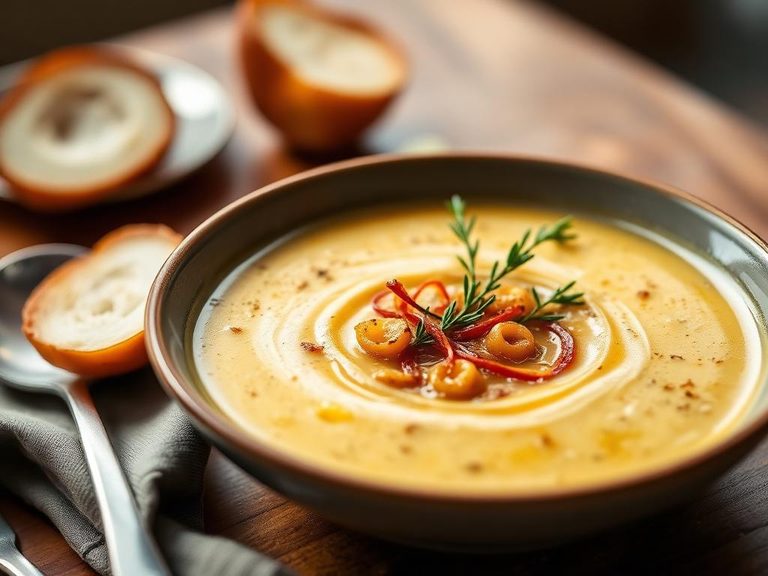
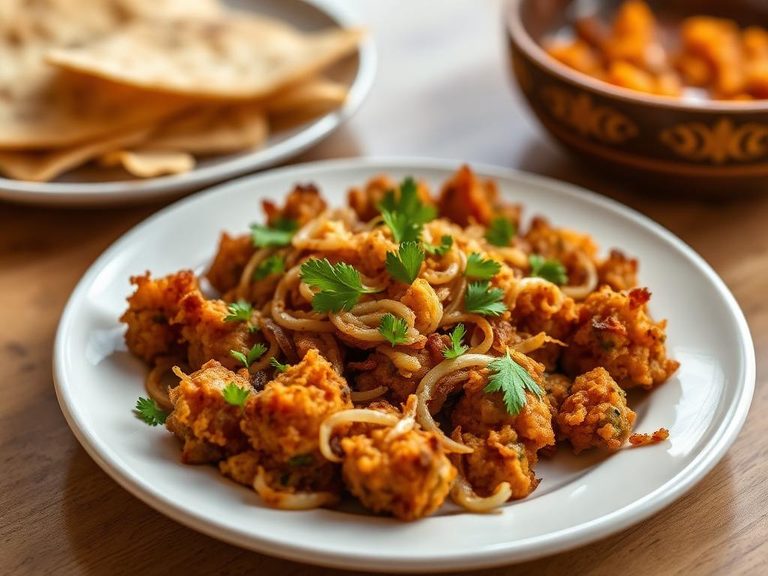
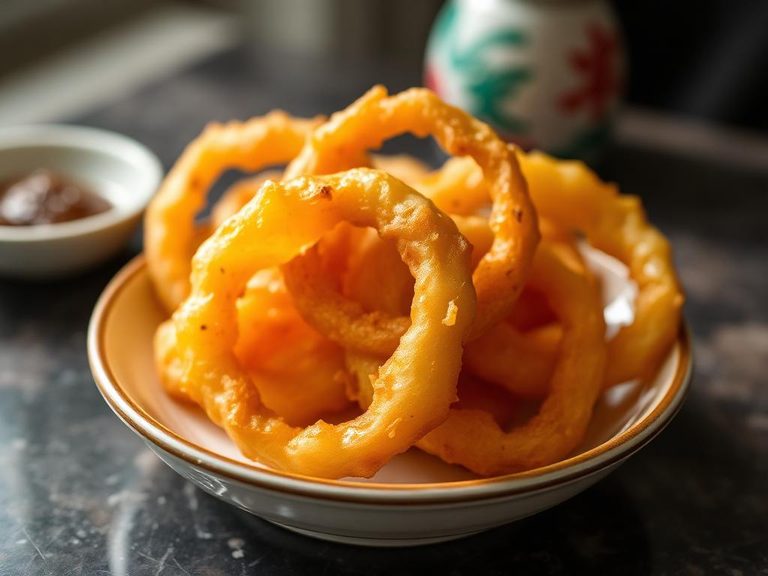
🍽️ Popular dishes
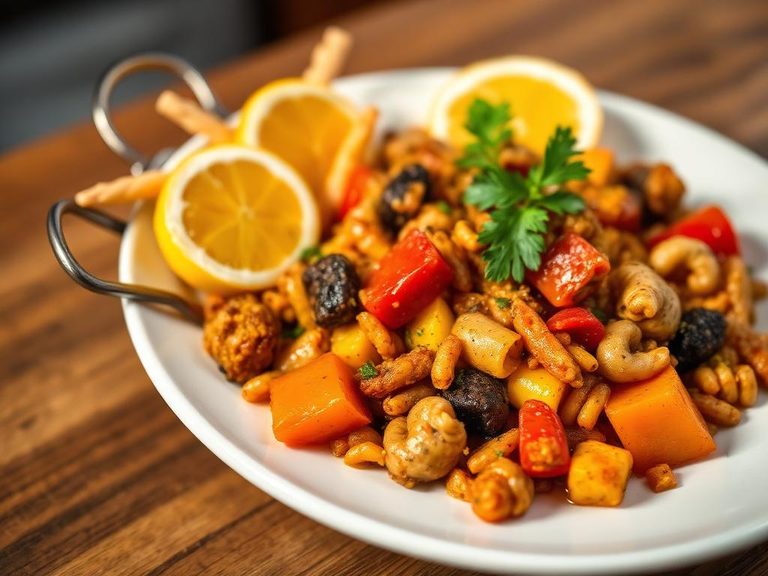
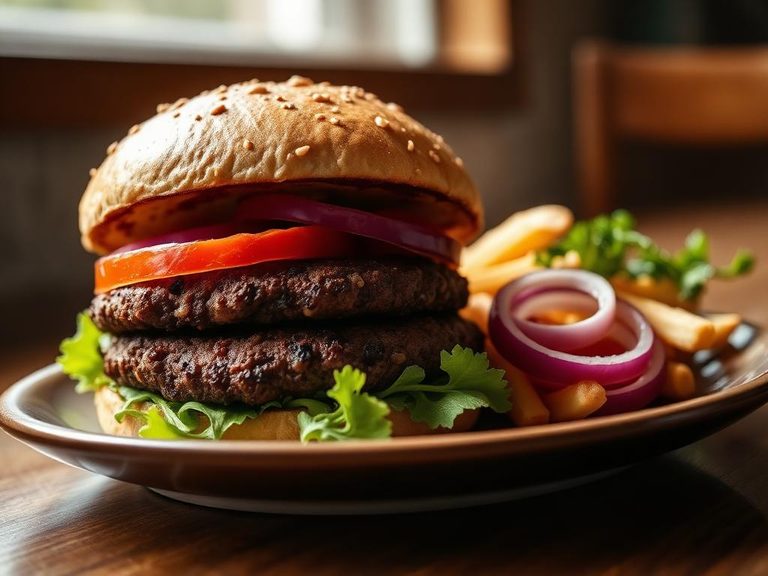
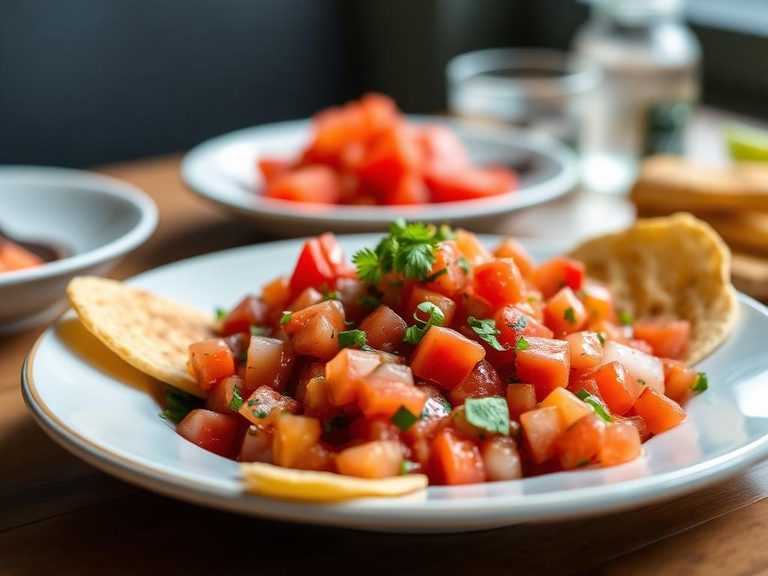
🌍 Where it's eaten
💡 Did you know?
Ancient Egyptian workers who built the pyramids were reportedly given onions as part of their rations, believing they had healing properties and could aid in preventing illness.
Full nutrition (USDA data · scales with serving)
| Water | 90.1 g |
| Energy (Atwater General Factors) | 38.0 kcal |
| Energy (Atwater Specific Factors) | 36.0 kcal |
| Energy | 38.0 kcal |
| Energy | 160 kj |
| Protein | 0.83 g |
| Total lipid (fat) | 0.05 g |
| Ash | 0.41 g |
| Carbohydrate, by difference | 8.6 g |
| Fiber, total dietary | 1.9 g |
| Total dietary fiber (AOAC 2011.25) | 2.7 g |
| Sugars, Total | 5.8 g |
| Sucrose | 1.6 g |
| Glucose | 2.3 g |
| Fructose | 1.9 g |
| Lactose | 0.00 g |
| Maltose | 0.00 g |
| Calcium, Ca | 15.0 mg |
| Iron, Fe | 0.28 mg |
| Magnesium, Mg | 9.0 mg |
| Phosphorus, P | 34.0 mg |
| Potassium, K | 182 mg |
| Sodium, Na | 1.0 mg |
| Zinc, Zn | 0.20 mg |
| Copper, Cu | 0.04 mg |
| Manganese, Mn | 0.14 mg |
| Iodine, I | 0.00 ug |
| Selenium, Se | 0.00 ug |
| Vitamin C, total ascorbic acid | 8.2 mg |
| Biotin | 0.00 ug |
Fat & fatty acid profile (per 100g)
Estimated from Onions, dehydrated flakes — USDA does not publish this profile for Onions.
| Fatty acids, total saturated | 0.08 g |
| SFA 4:0 | 0.00 g |
| SFA 6:0 | 0.00 g |
| SFA 8:0 | 0.00 g |
| SFA 10:0 | 0.00 g |
| SFA 12:0 | 0.00 g |
| SFA 14:0 | 0.00 g |
| SFA 16:0 | 0.07 g |
| SFA 18:0 | 0.01 g |
| Fatty acids, total monounsaturated | 0.06 g |
| MUFA 16:1 | 0.00 g |
| MUFA 18:1 | 0.06 g |
| MUFA 20:1 | 0.00 g |
| MUFA 22:1 | 0.00 g |
| Fatty acids, total polyunsaturated | 0.18 g |
| PUFA 18:2 | 0.17 g |
| PUFA 18:3 | 0.01 g |
| PUFA 18:4 | 0.00 g |
| PUFA 20:4 | 0.00 g |
| PUFA 20:5 n-3 (EPA) | 0.00 g |
| PUFA 22:5 n-3 (DPA) | 0.00 g |
| PUFA 22:6 n-3 (DHA) | 0.00 g |
| Fatty acids, total trans | 0.00 g |
| Cholesterol | 0.00 mg |
Amino acid profile (per 100g)
Estimated from Onions, dehydrated flakes — USDA does not publish this profile for Onions.
| Tryptophan | 0.13 g |
| Threonine | 0.22 g |
| Isoleucine | 0.32 g |
| Leucine | 0.31 g |
| Lysine | 0.43 g |
| Methionine | 0.07 g |
| Cystine | 0.16 g |
| Phenylalanine | 0.23 g |
| Tyrosine | 0.22 g |
| Valine | 0.21 g |
| Arginine | 1.2 g |
| Histidine | 0.15 g |
| Alanine | 0.25 g |
| Aspartic acid | 0.49 g |
| Glutamic acid | 1.4 g |
| Glycine | 0.37 g |
| Proline | 0.28 g |
| Serine | 0.26 g |
FAQ
How do I prevent crying when chopping onions?
Chill the onion in the fridge for 30 minutes before cutting to slow the release of the volatile sulfur compounds. Use a sharp knife to minimize cell damage, and cut near a running fan or vent to disperse the gases.
What's the difference between yellow, white, and red onions?
Yellow onions are all-purpose with a balanced flavor that sweetens when cooked. White onions have a sharper, more pungent taste and are often used raw in salsas. Red onions are milder and sweeter, ideal for salads and pickling.
Are onions safe for people with diabetes?
Yes, in moderation. Onions have a low glycemic index and contain compounds that may help regulate blood sugar. However, they are a source of carbohydrates (8.61g per 100g), so portion control is important for blood sugar management.
Nutrient density (calculated · NRF9.3)
Nutrient Rich Foods index: beneficial nutrients (protein, fiber, vitamins, minerals) minus saturated fat, added sugar & sodium, per 100 kcal.
NRF9.3 index — Fulgoni, Keast & Drewnowski, 2009. Computed from USDA nutrients.
Weight-loss friendliness (composite index)
Energy density 0.38 kcal/g · 9% calories from protein · 1.9 g fiber · 0.0 g sugar per 100 g.
Composite of energy density (Rolls et al., 1999), protein & fiber satiety, minus sugar. A calculated heuristic — ranks satiety-per-calorie, not a clinical measure.
Dietary load (calculated from USDA values)
Potential renal acid load. Positive = acid-forming, negative = alkaline-forming.
Sodium-to-potassium ratio: 0.01 (lower is better — aim for ≤ 1)
Sodium:potassium per WHO potassium guidance. Computed from USDA nutrients.