

Onions, sweet, raw
Whole food · Vegetables and Vegetable Products

Photo: Wikipedia
Sweet onions are a crisp, juicy bulb vegetable prized for their high sugar content and low pungency. When raw, they offer a refreshing crunch with a mild, almost fruity flavor that lacks the harsh bite of other onion varieties. Nutritionally, they are a very low-calorie food, providing a good source of vitamin C and prebiotic fiber.
Calorie split: 9% protein · 89% carbs · 2% fat
↓ Full nutrition💚 Why it's loved
People love sweet onions for their versatility and approachable flavor, which can be enjoyed raw in salads or sandwiches without overwhelming other ingredients. Their natural sweetness and lack of sharp aftertaste make them a favorite for those who find regular onions too pungent.
⚠️ Watch-outs & how to enjoy it better
Due to their higher sugar content, raw sweet onions can cause a more noticeable blood sugar spike compared to other vegetables, which is a consideration for those managing diabetes. They also contain fermentable carbohydrates (FODMAPs) that can trigger digestive discomfort in sensitive individuals. To mitigate, consume in moderate portions (e.g., 1/4 cup) and pair with a source of protein or healthy fat (like in a salad with chicken or avocado) to slow sugar absorption. Cooking can also reduce FODMAP content.
Key benefits
- Excellent source of prebiotic fiber (inulin) for gut health.
- Very low in calories, making them ideal for volume eating.
- Contains quercetin, an antioxidant linked to anti-inflammatory effects.
- Provides a good amount of vitamin C, supporting immune function.
🍽️ Popular dishes
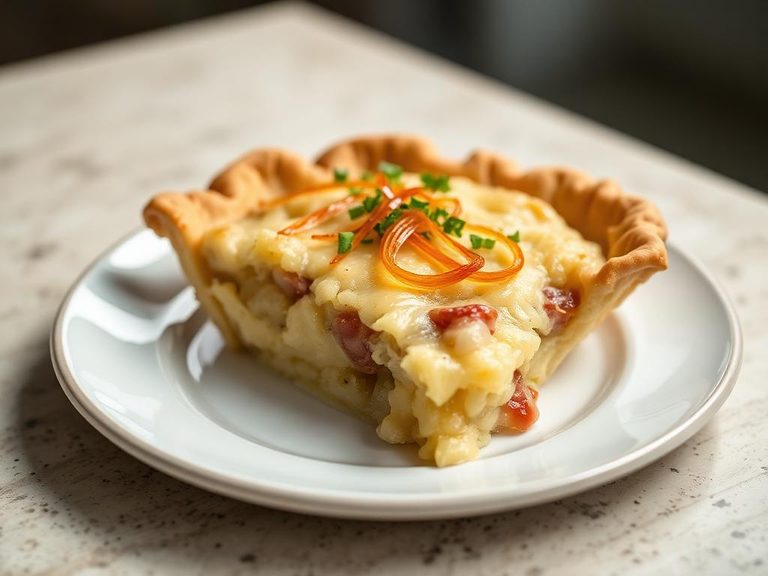
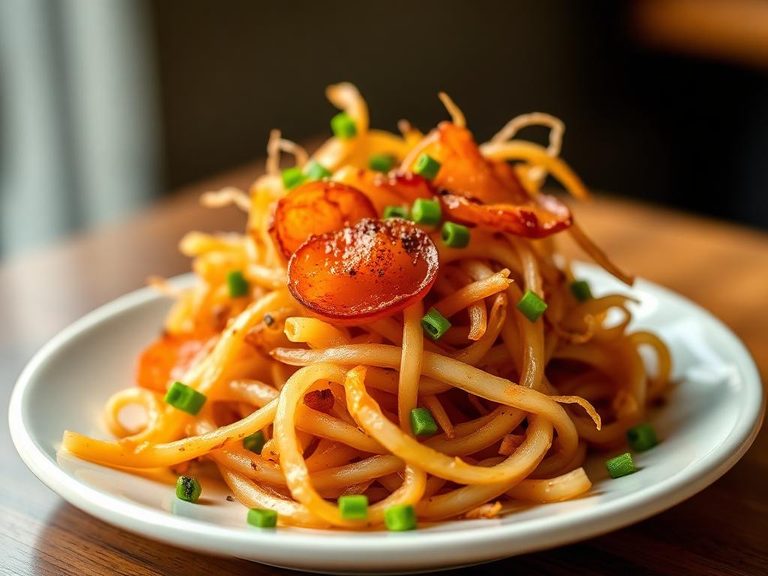
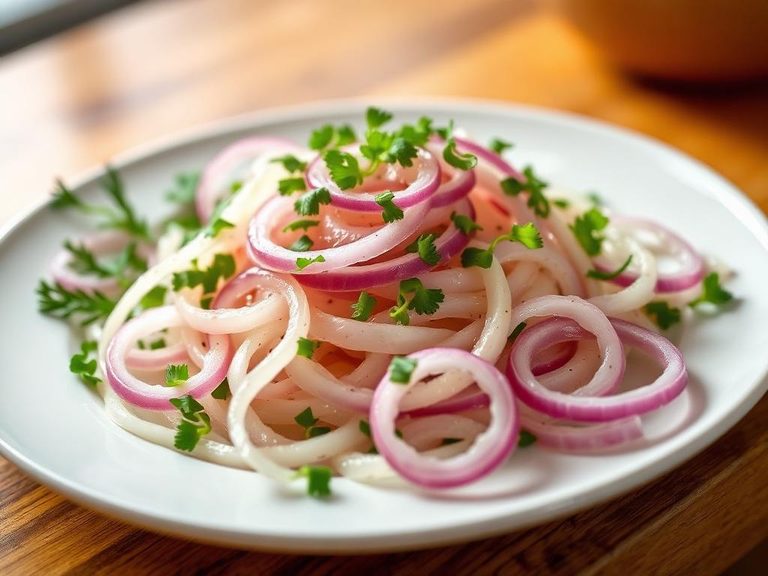
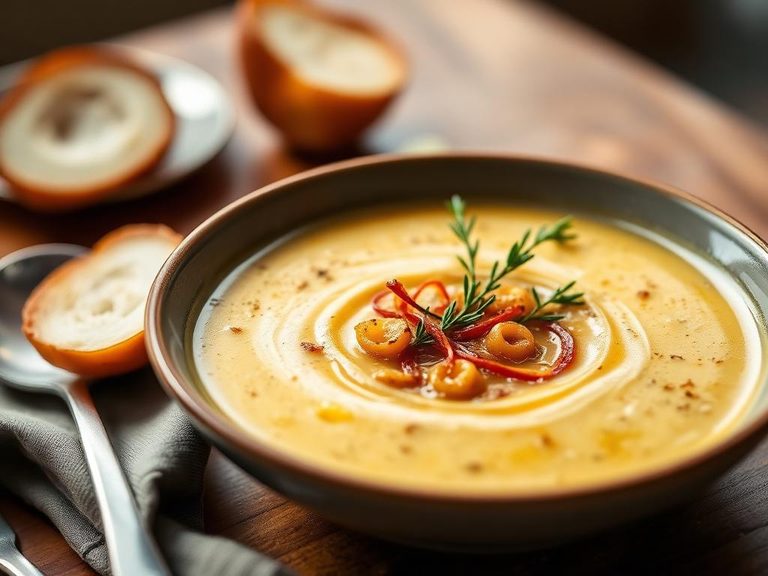
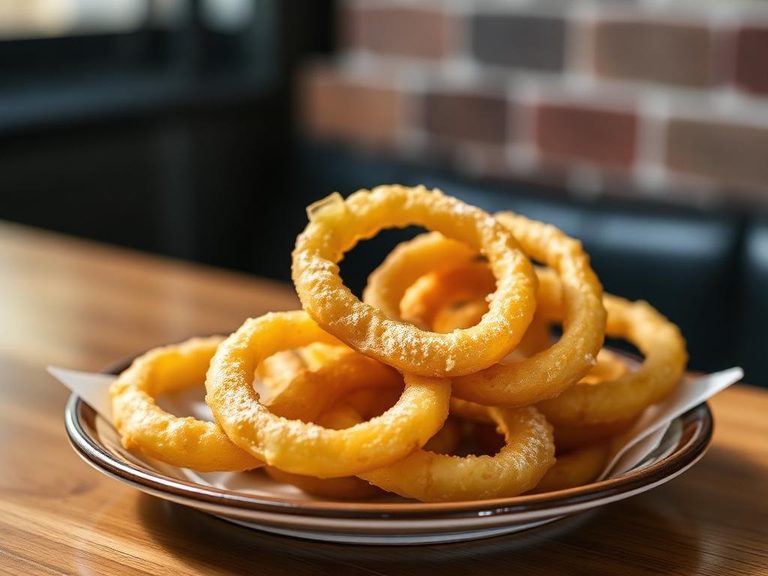
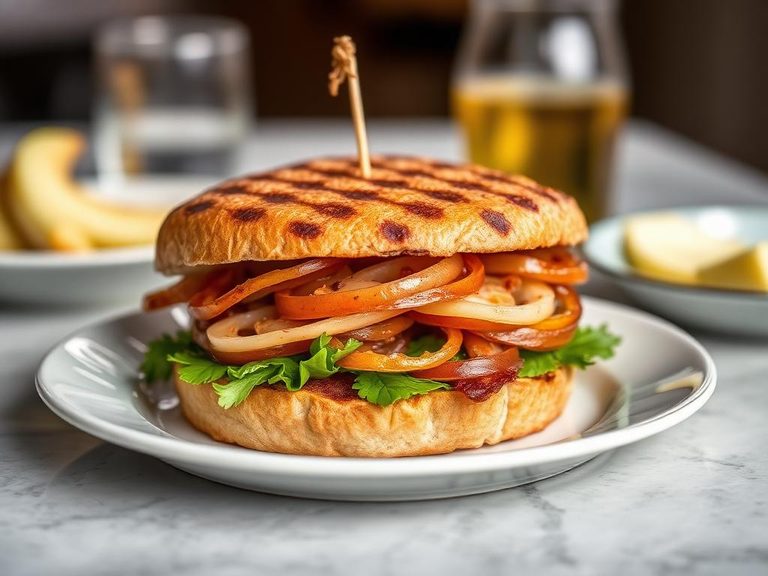
🌍 Where it's eaten
💡 Did you know?
The sweetness in sweet onions develops because they are bred to have lower levels of the sulfur compounds that cause pungency and tears, allowing their natural sugars to dominate the flavor profile.
Full nutrition (USDA data · scales with serving)
| Water | 91.2 g |
| Energy | 32.0 kcal |
| Energy | 133 kj |
| Protein | 0.80 g |
| Total lipid (fat) | 0.08 g |
| Ash | 0.34 g |
| Carbohydrate, by difference | 7.5 g |
| Fiber, total dietary | 0.90 g |
| Total Sugars | 5.0 g |
| Sucrose | 0.72 g |
| Glucose | 2.3 g |
| Fructose | 2.0 g |
| Lactose | 0.02 g |
| Maltose | 0.00 g |
| Galactose | 0.00 g |
| Starch | 0.00 g |
| Calcium, Ca | 20.0 mg |
| Iron, Fe | 0.26 mg |
| Magnesium, Mg | 9.0 mg |
| Phosphorus, P | 27.0 mg |
| Potassium, K | 119 mg |
| Sodium, Na | 8.0 mg |
| Zinc, Zn | 0.13 mg |
| Copper, Cu | 0.06 mg |
| Manganese, Mn | 0.08 mg |
| Selenium, Se | 0.50 ug |
| Vitamin C, total ascorbic acid | 4.8 mg |
| Thiamin | 0.04 mg |
| Riboflavin | 0.02 mg |
| Niacin | 0.13 mg |
| Pantothenic acid | 0.10 mg |
| Vitamin B-6 | 0.13 mg |
| Folate, total | 23.0 ug |
| Folate, food | 23.0 ug |
| Choline, total | 5.5 mg |
| Betaine | 0.10 mg |
| Vitamin A, RAE | 0.00 ug |
| Carotene, beta | 1.0 ug |
| Carotene, alpha | 0.00 ug |
| Cryptoxanthin, beta | 0.00 ug |
| Vitamin A, IU | 1.0 iu |
| Lycopene | 0.00 ug |
| Lutein + zeaxanthin | 6.0 ug |
| Vitamin E (alpha-tocopherol) | 0.02 mg |
| Tocopherol, beta | 0.00 mg |
| Tocopherol, gamma | 0.00 mg |
| Tocopherol, delta | 0.00 mg |
| Tocotrienol, alpha | 0.01 mg |
| Tocotrienol, beta | 0.00 mg |
| Tocotrienol, gamma | 0.00 mg |
| Tocotrienol, delta | 0.00 mg |
| Vitamin D (D2 + D3), International Units | 0.00 iu |
| Vitamin D (D2 + D3) | 0.00 ug |
| Vitamin K (phylloquinone) | 0.30 ug |
| Vitamin K (Dihydrophylloquinone) | 0.00 ug |
| Alcohol, ethyl | 0.00 g |
| Caffeine | 0.00 mg |
| Theobromine | 0.00 mg |
Fat & fatty acid profile (per 100g)
| Fatty acids, total trans | 0.00 g |
| Cholesterol | 0.00 mg |
Amino acid profile (per 100g)
| Tryptophan | 0.01 g |
| Threonine | 0.02 g |
| Isoleucine | 0.01 g |
| Leucine | 0.03 g |
| Lysine | 0.03 g |
| Methionine | 0.01 g |
| Cystine | 0.01 g |
| Phenylalanine | 0.02 g |
| Tyrosine | 0.01 g |
| Valine | 0.02 g |
| Arginine | 0.11 g |
| Histidine | 0.01 g |
| Alanine | 0.02 g |
| Aspartic acid | 0.07 g |
| Glutamic acid | 0.18 g |
| Glycine | 0.02 g |
| Proline | 0.01 g |
| Serine | 0.02 g |
FAQ
What makes a sweet onion different from a yellow onion?
Sweet onions (like Vidalia or Walla Walla) have a higher sugar and water content and lower sulfur compounds, resulting in a milder, sweeter taste when raw. Yellow onions have a stronger, more pungent flavor and are better suited for long cooking.
Can I caramelize sweet onions?
Yes, they caramelize beautifully and quickly due to their high sugar content. However, they release more water, so they may need a bit more time to reduce and brown compared to yellow onions.
How should I store them to prevent sprouting?
Store sweet onions in a cool, dry, dark place with good air circulation (like a mesh bag or basket). Avoid refrigeration, as the cold and moisture can promote sprouting and mold.
Nutrient density (calculated · NRF9.3)
Nutrient Rich Foods index: beneficial nutrients (protein, fiber, vitamins, minerals) minus saturated fat, added sugar & sodium, per 100 kcal.
NRF9.3 index — Fulgoni, Keast & Drewnowski, 2009. Computed from USDA nutrients.
Weight-loss friendliness (composite index)
Energy density 0.32 kcal/g · 10% calories from protein · 0.9 g fiber · 5.0 g sugar per 100 g.
Composite of energy density (Rolls et al., 1999), protein & fiber satiety, minus sugar. A calculated heuristic — ranks satiety-per-calorie, not a clinical measure.
Dietary load (calculated from USDA values)
Potential renal acid load. Positive = acid-forming, negative = alkaline-forming.
Sodium-to-potassium ratio: 0.07 (lower is better — aim for ≤ 1)
Sodium:potassium per WHO potassium guidance. Computed from USDA nutrients.