

Nuts, ginkgo nuts, canned
Whole food · Nut and Seed Products

Photo: Wikipedia
Canned ginkgo nuts are the soft, golden kernels of the ancient Ginkgo biloba tree, preserved in brine. They offer a uniquely chewy, slightly starchy texture with a mild, subtly sweet and nutty flavor. Nutritionally, they are a standout source of dietary fiber, providing over a third of the daily value in just 100 grams.
Calorie split: 8% protein · 79% carbs · 13% fat
↓ Full nutrition💚 Why it's loved
People love ginkgo nuts for their distinctive, satisfying chew and delicate flavor that absorbs surrounding sauces beautifully. They are a beloved textural element in celebratory dishes across East Asian cuisines, symbolizing longevity and good fortune.
⚠️ Watch-outs & how to enjoy it better
Canned ginkgo nuts are typically high in sodium from the brine, which can be a concern for blood pressure. They also contain trace amounts of ginkgotoxin, which can cause adverse reactions in sensitive individuals. To counteract sodium, rinse them thoroughly before use and consider using them in dishes with other low-sodium ingredients. Those with specific health conditions should consult a doctor before consumption.
Key benefits
- Excellent source of dietary fiber (9.3g per 100g)
- Very low in fat (1.62g per 100g)
- Provides a moderate amount of plant-based protein (2.29g per 100g)
- Naturally sugar-free
- Contains key minerals like manganese and potassium
🍽️ Popular dishes
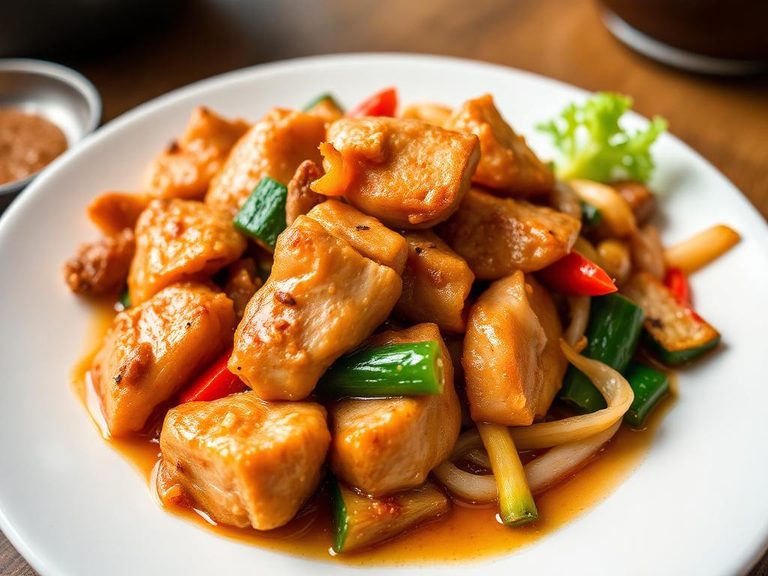
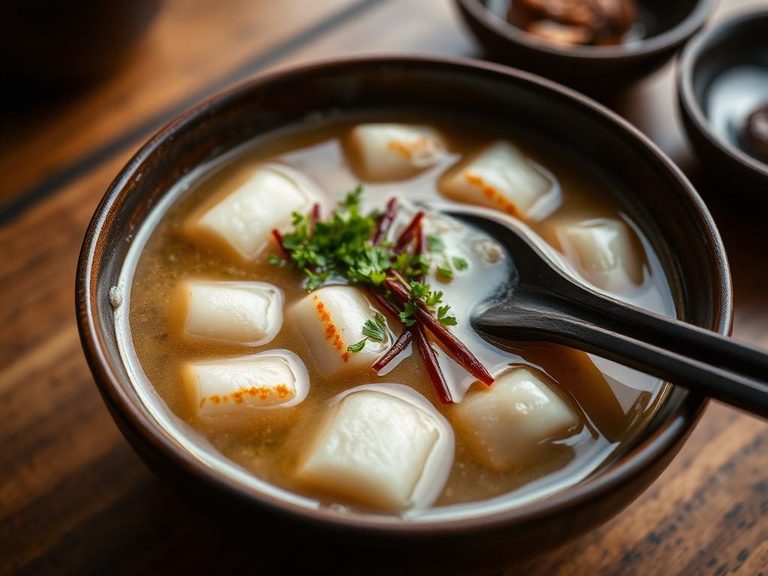
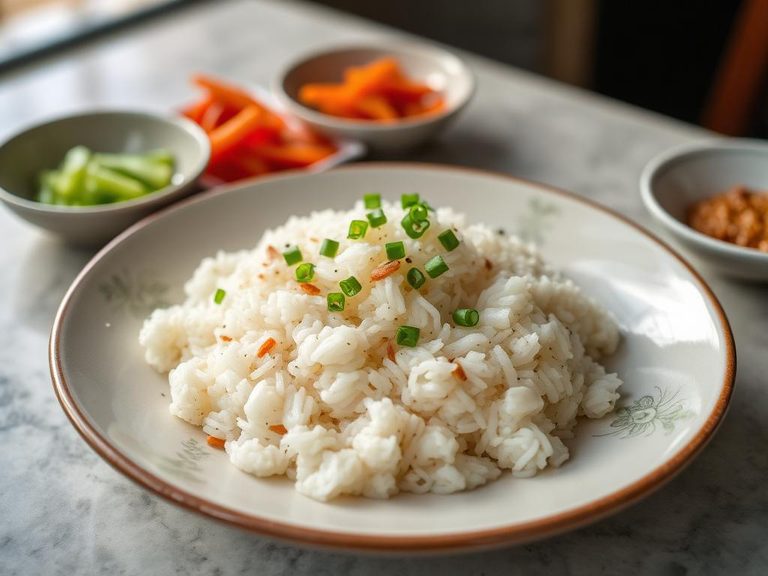
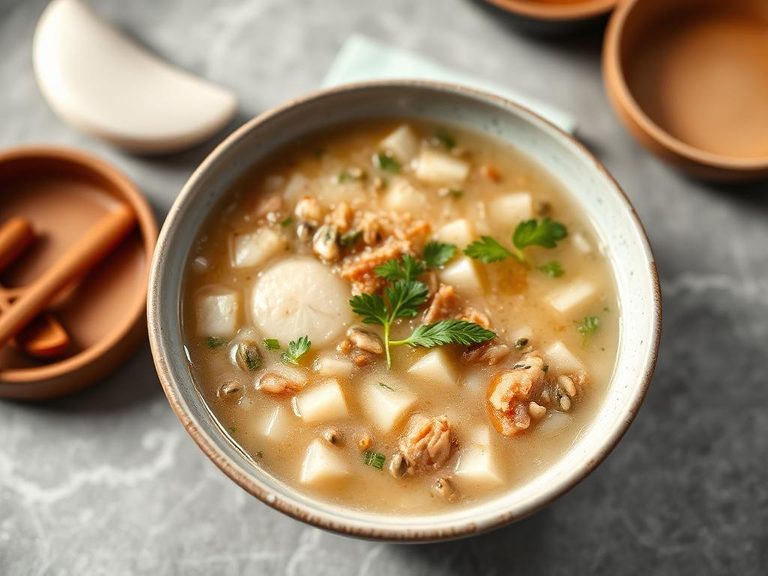
🌍 Where it's eaten
💡 Did you know?
The Ginkgo biloba tree is a true 'living fossil,' with a lineage dating back over 200 million years, making it one of the oldest tree species on Earth.
Full nutrition (USDA data · scales with serving)
| Water | 73.0 g |
| Energy | 111 kcal |
| Energy | 464 kj |
| Protein | 2.3 g |
| Total lipid (fat) | 1.6 g |
| Ash | 1.0 g |
| Carbohydrate, by difference | 22.1 g |
| Fiber, total dietary | 9.3 g |
| Calcium, Ca | 4.0 mg |
| Iron, Fe | 0.29 mg |
| Magnesium, Mg | 16.0 mg |
| Phosphorus, P | 54.0 mg |
| Potassium, K | 180 mg |
| Sodium, Na | 307 mg |
| Zinc, Zn | 0.21 mg |
| Copper, Cu | 0.17 mg |
| Manganese, Mn | 0.07 mg |
| Selenium, Se | 0.50 ug |
| Vitamin C, total ascorbic acid | 9.1 mg |
| Thiamin | 0.13 mg |
| Riboflavin | 0.05 mg |
| Niacin | 3.6 mg |
| Pantothenic acid | 0.10 mg |
| Vitamin B-6 | 0.20 mg |
| Folate, total | 33.0 ug |
| Folic acid | 0.00 ug |
| Folate, food | 33.0 ug |
| Folate, DFE | 33.0 ug |
| Vitamin B-12 | 0.00 ug |
| Vitamin A, RAE | 17.0 ug |
| Retinol | 0.00 ug |
| Vitamin A, IU | 337 iu |
| Vitamin D (D2 + D3), International Units | 0.00 iu |
| Vitamin D (D2 + D3) | 0.00 ug |
| Alcohol, ethyl | 0.00 g |
| Caffeine | 0.00 mg |
| Theobromine | 0.00 mg |
Fat & fatty acid profile (per 100g)
| Fatty acids, total saturated | 0.31 g |
| SFA 4:0 | 0.00 g |
| SFA 6:0 | 0.00 g |
| SFA 8:0 | 0.00 g |
| SFA 10:0 | 0.00 g |
| SFA 12:0 | 0.00 g |
| SFA 14:0 | 0.01 g |
| SFA 16:0 | 0.28 g |
| SFA 18:0 | 0.01 g |
| Fatty acids, total monounsaturated | 0.60 g |
| MUFA 16:1 | 0.08 g |
| MUFA 18:1 | 0.49 g |
| MUFA 20:1 | 0.01 g |
| MUFA 22:1 | 0.00 g |
| Fatty acids, total polyunsaturated | 0.60 g |
| PUFA 18:2 | 0.56 g |
| PUFA 18:3 | 0.02 g |
| PUFA 18:4 | 0.00 g |
| PUFA 20:4 | 0.00 g |
| PUFA 20:5 n-3 (EPA) | 0.00 g |
| PUFA 22:5 n-3 (DPA) | 0.00 g |
| PUFA 22:6 n-3 (DHA) | 0.00 g |
| Cholesterol | 0.00 mg |
Amino acid profile (per 100g)
| Tryptophan | 0.04 g |
| Threonine | 0.14 g |
| Isoleucine | 0.11 g |
| Leucine | 0.17 g |
| Lysine | 0.11 g |
| Methionine | 0.03 g |
| Cystine | 0.01 g |
| Phenylalanine | 0.09 g |
| Tyrosine | 0.03 g |
| Valine | 0.15 g |
| Arginine | 0.22 g |
| Histidine | 0.05 g |
| Alanine | 0.13 g |
| Aspartic acid | 0.29 g |
| Glutamic acid | 0.44 g |
| Glycine | 0.12 g |
| Proline | 0.18 g |
| Serine | 0.15 g |
FAQ
Are canned ginkgo nuts safe to eat?
Yes, commercially canned ginkgo nuts are safe for the general population. The canning process neutralizes most toxins. However, they should be consumed in moderation due to sodium content and potential for sensitive individuals.
What do ginkgo nuts taste like?
They have a mild, subtly sweet and nutty flavor, often compared to a chestnut or a firm pine nut. Their primary appeal is their unique, slightly chewy and starchy texture.
How do I prepare canned ginkgo nuts for cooking?
Simply drain and rinse them thoroughly under cold water to remove excess brine and reduce sodium. They are pre-cooked and ready to be added to soups, stews, stir-fries, or rice dishes.
Nutrient density (calculated · NRF9.3)
Nutrient Rich Foods index: beneficial nutrients (protein, fiber, vitamins, minerals) minus saturated fat, added sugar & sodium, per 100 kcal.
NRF9.3 index — Fulgoni, Keast & Drewnowski, 2009. Computed from USDA nutrients.
Weight-loss friendliness (composite index)
Energy density 1.11 kcal/g · 8% calories from protein · 9.3 g fiber · 0.0 g sugar per 100 g.
Composite of energy density (Rolls et al., 1999), protein & fiber satiety, minus sugar. A calculated heuristic — ranks satiety-per-calorie, not a clinical measure.
Dietary load (calculated from USDA values)
Potential renal acid load. Positive = acid-forming, negative = alkaline-forming.
Sodium-to-potassium ratio: 1.71 (lower is better — aim for ≤ 1)
Sodium:potassium per WHO potassium guidance. Computed from USDA nutrients.