

Mustard greens, NS as to form, cooked
Common food

Photo: Wikipedia
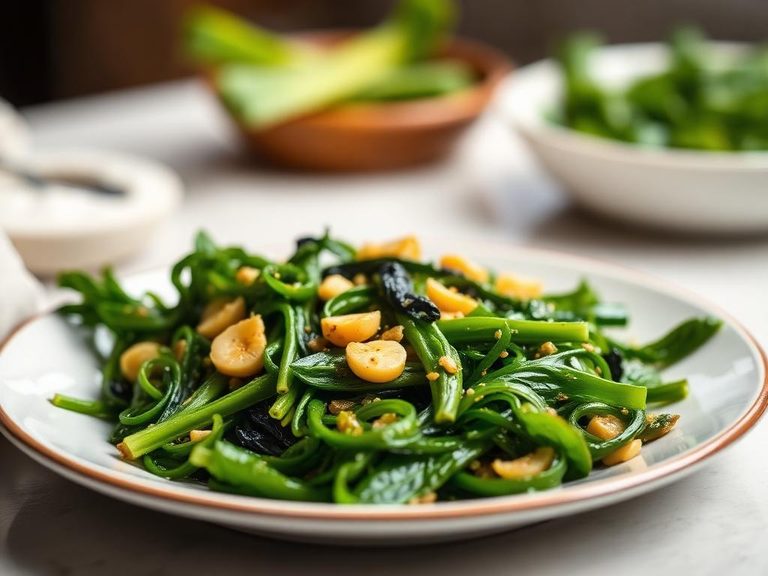
Cooked mustard greens are tender, dark leafy vegetables with a robust, peppery, and slightly bitter flavor that mellows into a savory, earthy taste when braised or stir-fried. Their texture becomes silky and soft, often absorbing the flavors of cooking liquids like broth or pork fat. Nutritionally, they are a low-calorie powerhouse, delivering a notable amount of fiber and plant-based protein for a leafy green.
Calorie split: 20% protein · 32% carbs · 48% fat
↓ Full nutrition💚 Why it's loved
People adore mustard greens for their bold, assertive flavor that cuts through rich, fatty, or savory dishes, making them a staple in comfort foods. Their versatility allows them to be the star in a simple sauté or a supporting actor in complex stews and braises across many cultures.
⚠️ Watch-outs & how to enjoy it better
The natural bitterness and potential for a sulfurous taste if overcooked can be off-putting to some. They are high in oxalates, which can contribute to kidney stone formation in susceptible individuals; pairing with calcium-rich foods and drinking plenty of water can help mitigate this. Their strong flavor may also be too intense for those with sensitive palates.
Key benefits
- Excellent source of vitamin K for bone health.
- Rich in vitamins A and C, supporting immune function.
- High in dietary fiber, aiding digestion.
- Contains glucosinolates, compounds studied for health benefits.
- Provides calcium and potassium in a low-calorie package.
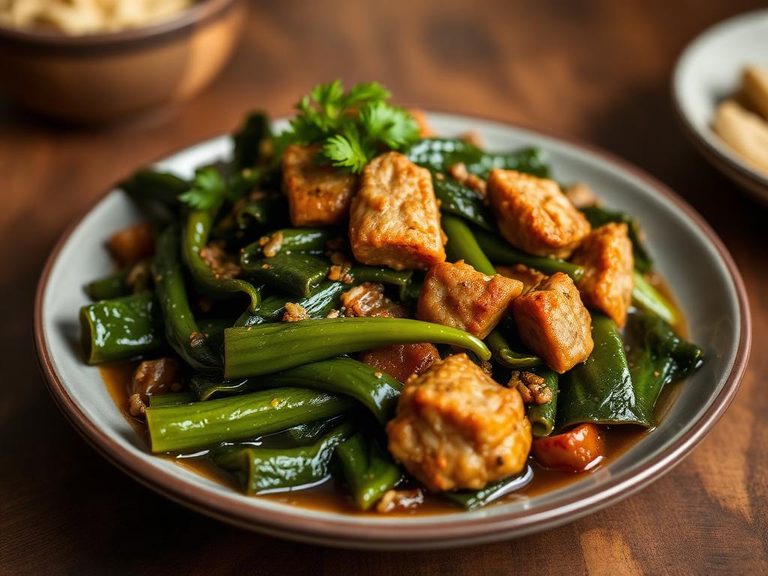
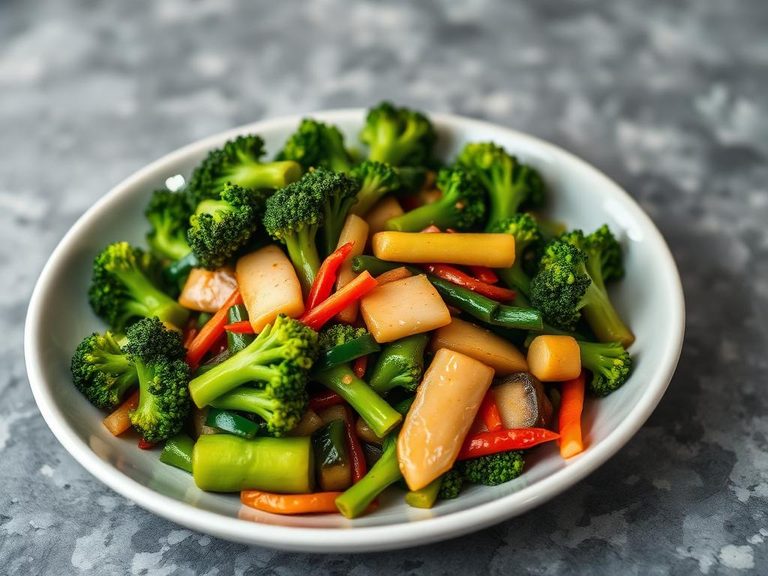
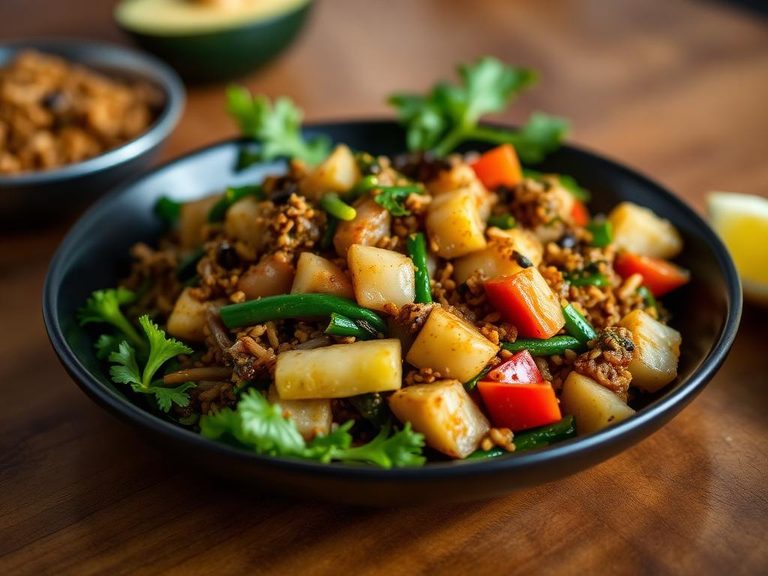
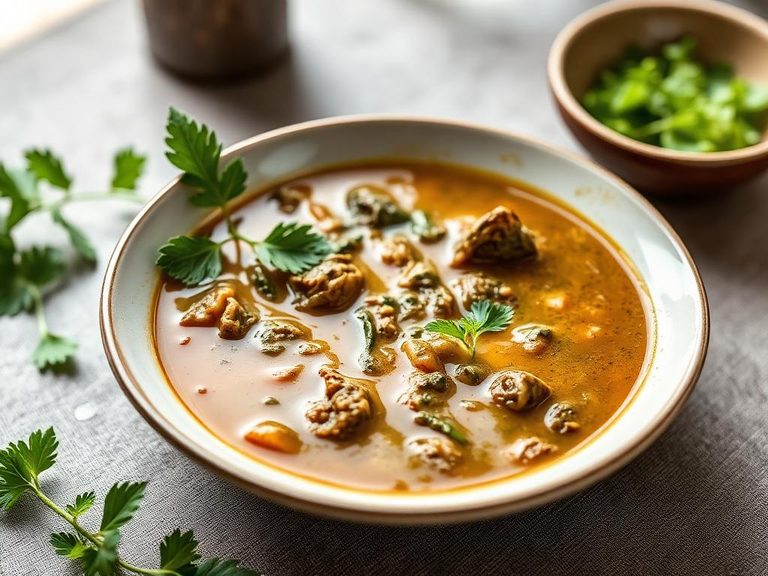
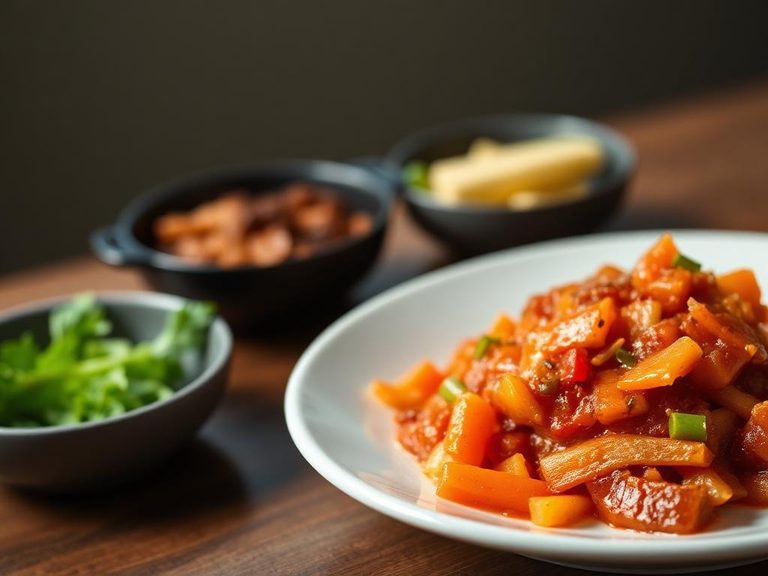
🍽️ Popular dishes
🌍 Where it's eaten
💡 Did you know?
Mustard greens are part of the same plant species as broccoli, cauliflower, and kale (Brassica oleracea), but were selectively bred for their peppery leaves instead of their flowers or stems.
Full nutrition (USDA data · scales with serving)
| Water | 87.2 g |
| Energy | 53.0 kcal |
| Protein | 3.0 g |
| Total lipid (fat) | 3.2 g |
| Carbohydrate, by difference | 4.9 g |
| Fiber, total dietary | 3.3 g |
| Total Sugars | 1.4 g |
| Calcium, Ca | 120 mg |
| Iron, Fe | 1.7 mg |
| Magnesium, Mg | 33.0 mg |
| Phosphorus, P | 61.0 mg |
| Potassium, K | 400 mg |
| Sodium, Na | 151 mg |
| Zinc, Zn | 0.26 mg |
| Copper, Cu | 0.17 mg |
| Selenium, Se | 0.90 ug |
| Vitamin C, total ascorbic acid | 51.0 mg |
| Thiamin | 0.07 mg |
| Riboflavin | 0.11 mg |
| Niacin | 0.79 mg |
| Vitamin B-6 | 0.20 mg |
| Folate, total | 9.0 ug |
| Folic acid | 0.00 ug |
| Folate, food | 9.0 ug |
| Folate, DFE | 9.0 ug |
| Choline, total | 0.80 mg |
| Vitamin B-12 | 0.00 ug |
| Vitamin B-12, added | 0.00 ug |
| Vitamin A, RAE | 162 ug |
| Retinol | 12.0 ug |
| Carotene, beta | 1775 ug |
| Carotene, alpha | 10.0 ug |
| Cryptoxanthin, beta | 40.0 ug |
| Lycopene | 0.00 ug |
| Lutein + zeaxanthin | 3688 ug |
| Vitamin E (alpha-tocopherol) | 2.5 mg |
| Vitamin E, added | 0.00 mg |
| Vitamin D (D2 + D3) | 0.00 ug |
| Vitamin K (phylloquinone) | 270 ug |
| Alcohol, ethyl | 0.00 g |
| Caffeine | 0.00 mg |
| Theobromine | 0.00 mg |
Fat & fatty acid profile (per 100g)
| Fatty acids, total saturated | 0.73 g |
| SFA 4:0 | 0.02 g |
| SFA 6:0 | 0.01 g |
| SFA 8:0 | 0.01 g |
| SFA 10:0 | 0.02 g |
| SFA 12:0 | 0.02 g |
| SFA 14:0 | 0.07 g |
| SFA 16:0 | 0.40 g |
| SFA 18:0 | 0.15 g |
| Fatty acids, total monounsaturated | 1.1 g |
| MUFA 16:1 | 0.01 g |
| MUFA 18:1 | 0.95 g |
| MUFA 20:1 | 0.03 g |
| MUFA 22:1 | 0.06 g |
| Fatty acids, total polyunsaturated | 0.82 g |
| PUFA 18:2 | 0.72 g |
| PUFA 18:3 | 0.11 g |
| PUFA 18:4 | 0.00 g |
| PUFA 20:4 | 0.00 g |
| PUFA 20:5 n-3 (EPA) | 0.00 g |
| PUFA 22:5 n-3 (DPA) | 0.00 g |
| PUFA 22:6 n-3 (DHA) | 0.00 g |
| Cholesterol | 2.0 mg |
Amino acid profile (per 100g)
Estimated from Mustard greens, frozen, unprepared — USDA does not publish this profile for Mustard greens.
| Tryptophan | 0.03 g |
| Threonine | 0.07 g |
| Isoleucine | 0.09 g |
| Leucine | 0.08 g |
| Lysine | 0.11 g |
| Methionine | 0.02 g |
| Cystine | 0.04 g |
| Phenylalanine | 0.07 g |
| Tyrosine | 0.13 g |
| Valine | 0.10 g |
| Arginine | 0.18 g |
| Histidine | 0.04 g |
FAQ
How do I reduce the bitterness of cooked mustard greens?
A longer cooking time, especially braising, helps mellow the bitterness. Adding a pinch of sugar, a splash of vinegar, or a savory ingredient like bacon or smoked turkey can also balance the flavor.
Are mustard greens the same as collard greens?
No, they are different varieties of the same species (Brassica oleracea). Mustard greens have a sharper, more peppery taste, while collard greens are milder and slightly earthier. They can often be used interchangeably in recipes, but the flavor will differ.
Can I eat mustard greens raw?
Yes, young, tender leaves can be used in salads for a spicy kick. However, mature leaves are typically tough and very pungent, making them much better suited for cooking.
Nutrient density (calculated · NRF9.3)
Nutrient Rich Foods index: beneficial nutrients (protein, fiber, vitamins, minerals) minus saturated fat, added sugar & sodium, per 100 kcal.
NRF9.3 index — Fulgoni, Keast & Drewnowski, 2009. Computed from USDA nutrients.
Weight-loss friendliness (composite index)
Energy density 0.53 kcal/g · 23% calories from protein · 3.3 g fiber · 1.4 g sugar per 100 g.
Composite of energy density (Rolls et al., 1999), protein & fiber satiety, minus sugar. A calculated heuristic — ranks satiety-per-calorie, not a clinical measure.
Dietary load (calculated from USDA values)
Potential renal acid load. Positive = acid-forming, negative = alkaline-forming.
Sodium-to-potassium ratio: 0.38 (lower is better — aim for ≤ 1)
Sodium:potassium per WHO potassium guidance. Computed from USDA nutrients.