

Margarine-like spread, SMART BALANCE Omega Plus Spread (with plant sterols & fish oil)
Whole food · Fats and Oils

Photo: Wikipedia
A creamy, golden-hued spread engineered to mimic butter's rich mouthfeel while delivering a potent dose of heart-healthy fats. It's exceptionally smooth and spreadable, even straight from the fridge, with a mild, slightly salty, and neutral flavor profile designed for versatility. Nutritionally, it's a concentrated source of fat, specifically formulated with plant sterols and fish oil to support cholesterol levels.
Calorie split: 0% protein · 0% carbs · 100% fat
↓ Full nutrition💚 Why it's loved
People love it for its uncanny ability to replicate the function of butter on toast, in baking, and for sautéing, without the dairy. Its neutral taste makes it a seamless, functional swap in countless recipes, appealing to those managing cholesterol who don't want to sacrifice culinary convenience.
⚠️ Watch-outs & how to enjoy it better
As a highly processed, fat-based spread with 71g of fat per 100g, it is extremely calorie-dense, which can lead to weight gain if portions aren't monitored. The added fish oil can impart a faint aftertaste to some, and it's not suitable for those with fish allergies. To counteract the high fat/calorie load, use strict portion control (e.g., a thin scrape on toast, a measured teaspoon for cooking) and prioritize pairing it with high-fiber foods like whole-grain bread or vegetables to enhance satiety.
Key benefits
- Contains plant sterols clinically shown to help lower LDL cholesterol
- Fortified with fish oil for Omega-3 fatty acids (EPA & DHA)
- Zero trans fats per serving
- Cholesterol-free
- Provides a source of Vitamin D
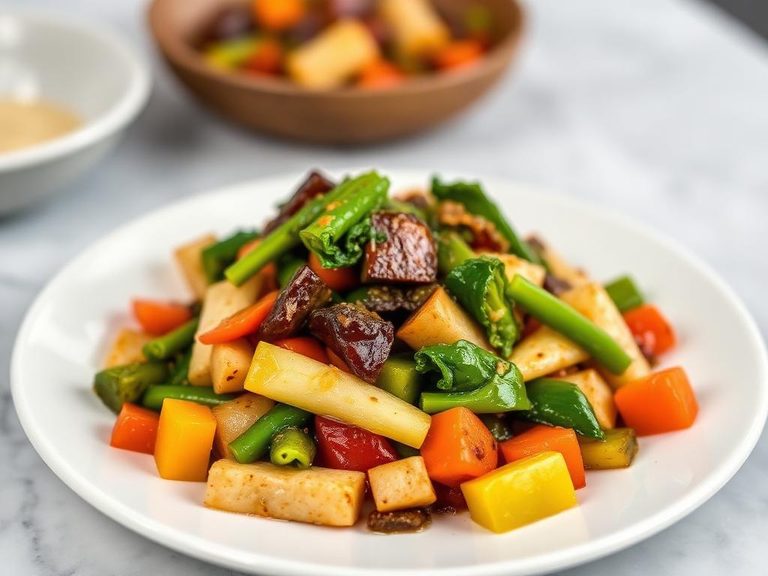
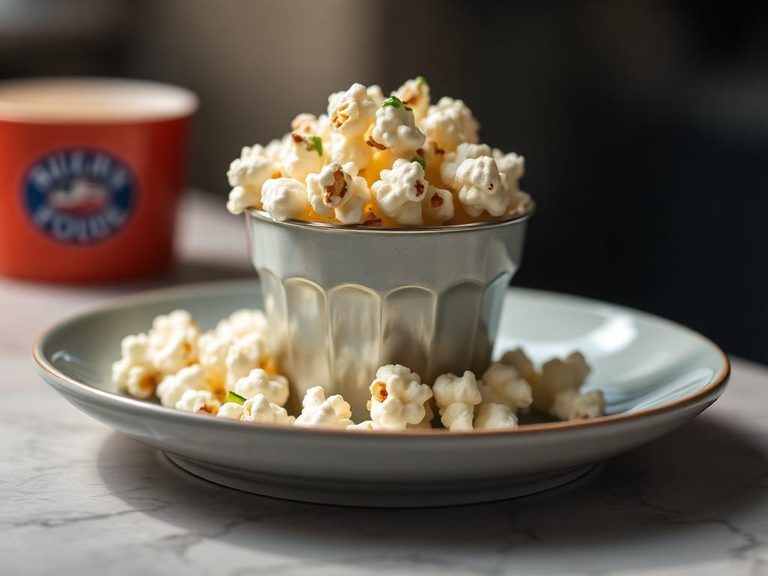
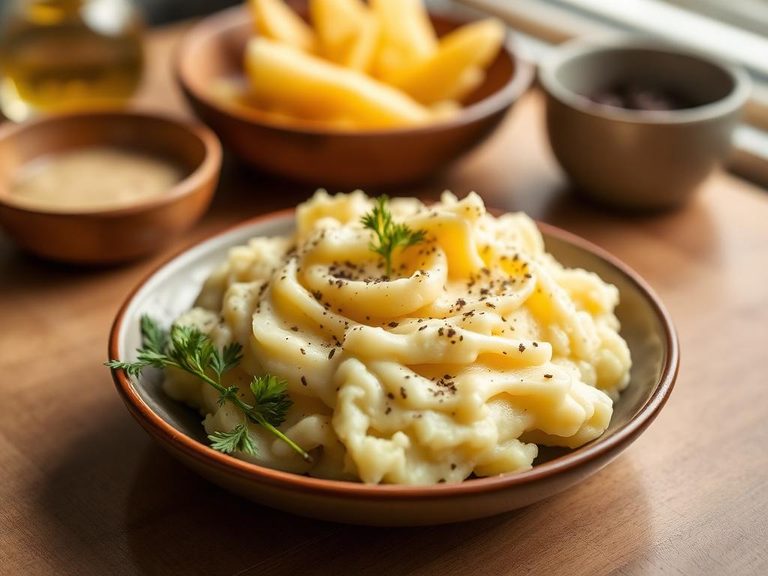
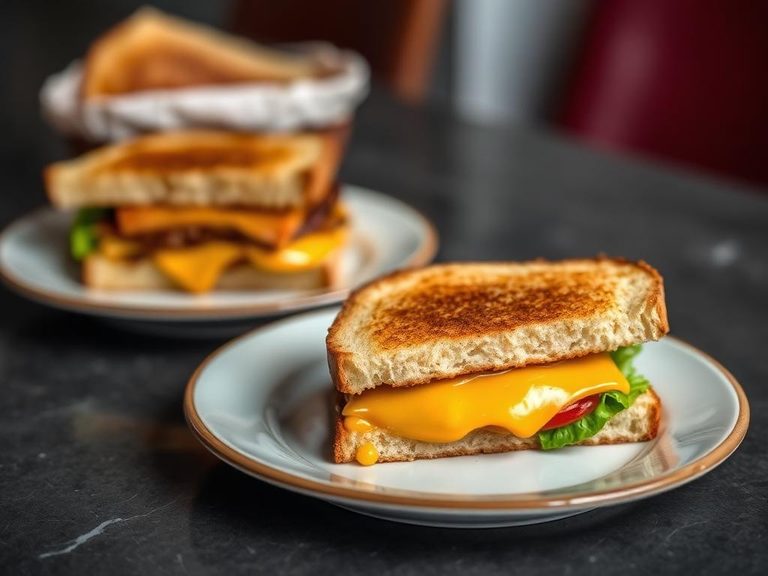
🍽️ Popular dishes

🌍 Where it's eaten
💡 Did you know?
The plant sterols in this spread are structurally similar to cholesterol and work by blocking its absorption in the gut, a mechanism that earned their discoverers a Nobel Prize in Physiology or Medicine in 1985.
Full nutrition (USDA data · scales with serving)
| Water | 27.9 g |
| Energy | 605 kcal |
| Energy | 2531 kj |
| Protein | 0.13 g |
| Total lipid (fat) | 71.0 g |
| Ash | 0.91 g |
| Carbohydrate, by difference | 0.16 g |
| Fiber, total dietary | 0.00 g |
| Total Sugars | 0.00 g |
| Phosphorus, P | 23.0 mg |
| Potassium, K | 71.0 mg |
| Sodium, Na | 729 mg |
| Vitamin A, IU | 5407 iu |
| Vitamin E (alpha-tocopherol) | 11.8 mg |
| Tocopherol, beta | 0.14 mg |
| Tocopherol, gamma | 15.9 mg |
| Tocopherol, delta | 3.9 mg |
| Tocotrienol, alpha | 2.7 mg |
| Tocotrienol, beta | 0.00 mg |
| Tocotrienol, gamma | 4.3 mg |
| Tocotrienol, delta | 0.00 mg |
| Vitamin K (phylloquinone) | 52.5 ug |
Fat & fatty acid profile (per 100g)
| Fatty acids, total saturated | 19.8 g |
| SFA 4:0 | 0.00 g |
| SFA 6:0 | 0.00 g |
| SFA 8:0 | 0.01 g |
| SFA 10:0 | 0.10 g |
| SFA 12:0 | 0.09 g |
| SFA 14:0 | 0.67 g |
| SFA 15:0 | 0.04 g |
| SFA 16:0 | 16.0 g |
| SFA 17:0 | 0.06 g |
| SFA 18:0 | 2.4 g |
| SFA 20:0 | 0.24 g |
| SFA 22:0 | 0.12 g |
| SFA 24:0 | 0.09 g |
| Fatty acids, total monounsaturated | 25.3 g |
| MUFA 14:1 | 0.00 g |
| MUFA 15:1 | 0.00 g |
| MUFA 16:1 | 0.47 g |
| MUFA 16:1 c | 0.47 g |
| MUFA 17:1 | 0.03 g |
| MUFA 18:1 | 24.5 g |
| MUFA 18:1 c | 24.3 g |
| MUFA 20:1 | 0.36 g |
| MUFA 22:1 | 0.01 g |
| MUFA 22:1 c | 0.01 g |
| MUFA 24:1 c | 0.01 g |
| Fatty acids, total polyunsaturated | 18.5 g |
| PUFA 18:2 | 15.2 g |
| PUFA 18:2 n-6 c,c | 14.9 g |
| PUFA 18:2 CLAs | 0.03 g |
| PUFA 18:3 | 2.4 g |
| PUFA 18:3 n-3 c,c,c (ALA) | 2.4 g |
| PUFA 18:3 n-6 c,c,c | 0.05 g |
| PUFA 18:4 | 0.09 g |
| PUFA 20:2 n-6 c,c | 0.02 g |
| PUFA 20:3 | 0.02 g |
| PUFA 20:3 n-3 | 0.01 g |
| PUFA 20:3 n-6 | 0.01 g |
| PUFA 20:4 | 0.02 g |
| PUFA 20:5 n-3 (EPA) | 0.31 g |
| PUFA 22:4 | 0.00 g |
| PUFA 22:5 n-3 (DPA) | 0.06 g |
| PUFA 22:6 n-3 (DHA) | 0.32 g |
| Fatty acids, total trans | 0.38 g |
| Fatty acids, total trans-monoenoic | 0.12 g |
| TFA 16:1 t | 0.00 g |
| TFA 18:1 t | 0.12 g |
| TFA 22:1 t | 0.00 g |
| TFA 18:2 t not further defined | 0.25 g |
| Fatty acids, total trans-polyenoic | 0.25 g |
| Cholesterol | 23.0 mg |
| Phytosterols | 3.0 mg |
| Stigmasterol | 0.00 mg |
| Campesterol | 0.00 mg |
| Beta-sitosterol | 3.0 mg |
FAQ
Can I bake with this spread like butter?
Yes, it's designed as a 1:1 substitute for butter in most baking recipes. However, because it has a higher water content than butter, baked goods may spread slightly more and have a less flaky texture in pastries like pie crusts.
Does it need to be refrigerated?
Yes, it must be kept refrigerated after opening to maintain its structure and prevent spoilage. It is formulated to be spreadable at refrigerator temperatures.
Is it suitable for a vegan diet?
No. While it contains plant sterols, it is fortified with fish oil, which is an animal-derived ingredient. It is not suitable for vegans or vegetarians.
Weight-loss friendliness (composite index)
Energy density 6.05 kcal/g · 0% calories from protein · 0.0 g fiber · 0.0 g sugar per 100 g.
Composite of energy density (Rolls et al., 1999), protein & fiber satiety, minus sugar. A calculated heuristic — ranks satiety-per-calorie, not a clinical measure.
Dietary load (calculated from USDA values)
Potential renal acid load. Positive = acid-forming, negative = alkaline-forming.
Sodium-to-potassium ratio: 10.27 (lower is better — aim for ≤ 1)
Sodium:potassium per WHO potassium guidance. Computed from USDA nutrients.