

Mango, dried
Common food

Photo: Wikipedia
Dried mango is a chewy, intensely sweet tropical treat made by dehydrating ripe mango slices, concentrating their natural sugars and flavor. It offers a satisfyingly dense texture with a vibrant, sun-kissed taste that's both tangy and sugary. Nutritionally, it's a high-carb, high-sugar snack (78.58g carbs, 66.27g sugar per 100g) with minimal protein and fat, making it a quick energy source.
Calorie split: 3% protein · 94% carbs · 3% fat
↓ Full nutrition💚 Why it's loved
People love dried mango for its intensely sweet, tropical flavor and satisfyingly chewy texture that makes it a perfect on-the-go snack. Its versatility allows it to be enjoyed alone, mixed into trail mixes, or used as a topping for yogurt and salads, appealing to both health-conscious eaters and those craving a sweet treat.
⚠️ Watch-outs & how to enjoy it better
The high sugar content (66.27g per 100g) can cause blood-sugar spikes, making it less suitable for individuals managing diabetes or watching their sugar intake. To counteract this, pair it with protein or fat (like nuts or yogurt) to slow sugar absorption, and practice portion control by sticking to a small serving (e.g., 30-50g).
Key benefits
- Provides a quick, concentrated source of energy from natural sugars.
- Offers a good amount of dietary fiber (2.4g per 100g) for digestive health.
- Contains vitamins A and C, though some are reduced during drying.
- Convenient, portable, and shelf-stable without refrigeration.
- Can be a natural alternative to processed candy or sweets.
🍽️ Popular dishes
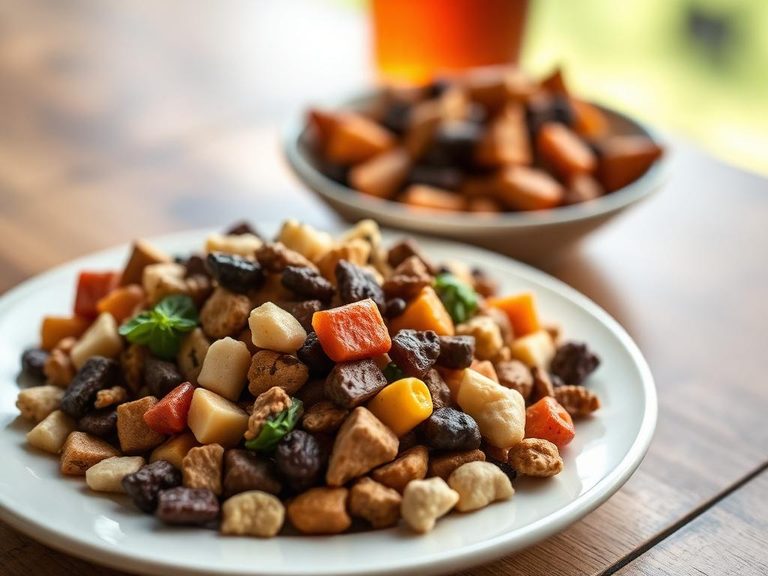
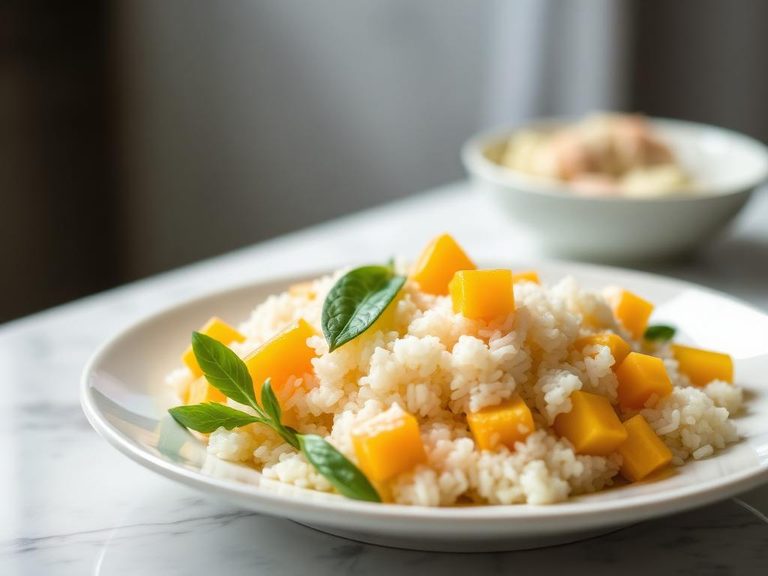
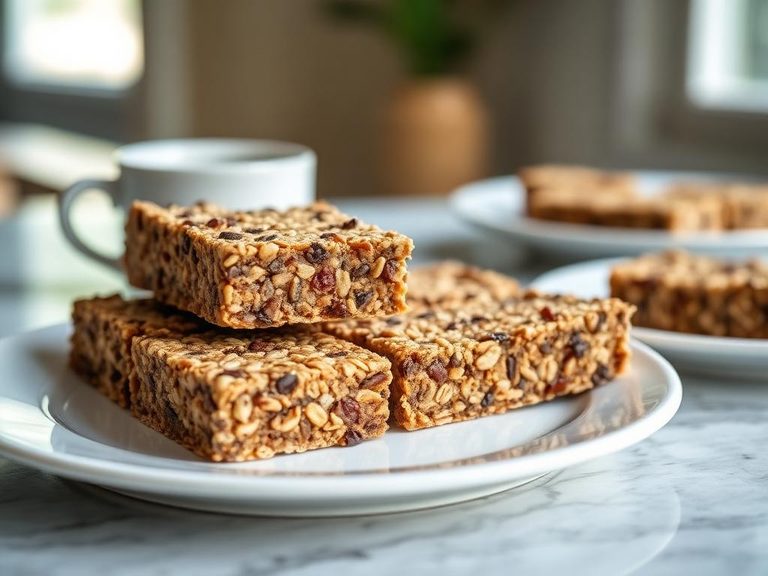
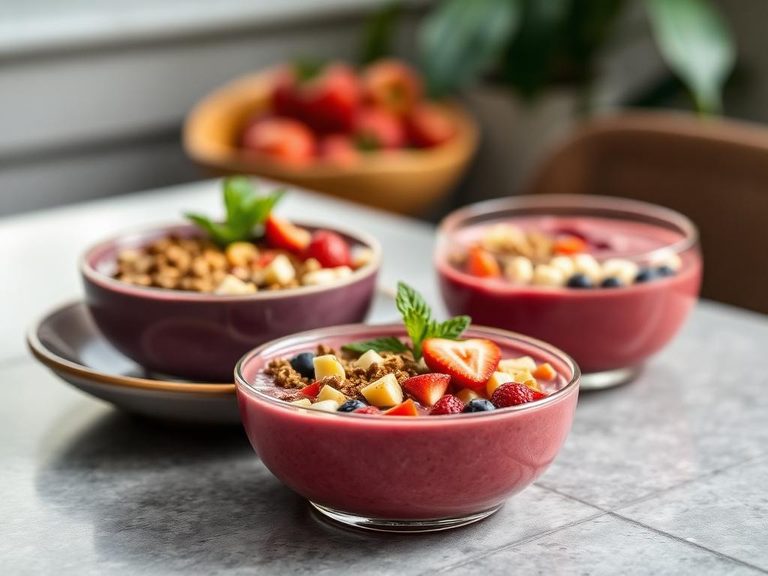
🌍 Where it's eaten
💡 Did you know?
Mangoes are actually related to cashews and pistachios, all belonging to the Anacardiaceae family, which also includes poison ivy—though dried mango is perfectly safe to eat!
Full nutrition (USDA data · scales with serving)
| Water | 16.6 g |
| Energy | 319 kcal |
| Protein | 2.5 g |
| Total lipid (fat) | 1.2 g |
| Carbohydrate, by difference | 78.6 g |
| Fiber, total dietary | 2.4 g |
| Total Sugars | 66.3 g |
| Calcium, Ca | 0.00 mg |
| Iron, Fe | 0.23 mg |
| Magnesium, Mg | 20.0 mg |
| Phosphorus, P | 50.0 mg |
| Potassium, K | 279 mg |
| Sodium, Na | 162 mg |
| Zinc, Zn | 0.30 mg |
| Copper, Cu | 0.30 mg |
| Selenium, Se | 2.1 ug |
| Vitamin C, total ascorbic acid | 42.3 mg |
| Thiamin | 0.06 mg |
| Riboflavin | 0.09 mg |
| Niacin | 2.0 mg |
| Vitamin B-6 | 0.33 mg |
| Folate, total | 68.0 ug |
| Folic acid | 0.00 ug |
| Folate, food | 68.0 ug |
| Folate, DFE | 68.0 ug |
| Choline, total | 23.7 mg |
| Vitamin B-12 | 0.00 ug |
| Vitamin B-12, added | 0.00 ug |
| Vitamin A, RAE | 67.0 ug |
| Retinol | 0.00 ug |
| Carotene, beta | 786 ug |
| Carotene, alpha | 11.0 ug |
| Cryptoxanthin, beta | 29.0 ug |
| Lycopene | 0.00 ug |
| Lutein + zeaxanthin | 52.0 ug |
| Vitamin E (alpha-tocopherol) | 4.0 mg |
| Vitamin E, added | 0.00 mg |
| Vitamin D (D2 + D3) | 0.00 ug |
| Vitamin K (phylloquinone) | 13.2 ug |
| Alcohol, ethyl | 0.00 g |
| Caffeine | 0.00 mg |
| Theobromine | 0.00 mg |
Fat & fatty acid profile (per 100g)
| Fatty acids, total saturated | 0.29 g |
| SFA 4:0 | 0.00 g |
| SFA 6:0 | 0.00 g |
| SFA 8:0 | 0.00 g |
| SFA 10:0 | 0.00 g |
| SFA 12:0 | 0.00 g |
| SFA 14:0 | 0.04 g |
| SFA 16:0 | 0.23 g |
| SFA 18:0 | 0.01 g |
| Fatty acids, total monounsaturated | 0.44 g |
| MUFA 16:1 | 0.21 g |
| MUFA 18:1 | 0.23 g |
| MUFA 20:1 | 0.00 g |
| MUFA 22:1 | 0.00 g |
| Fatty acids, total polyunsaturated | 0.22 g |
| PUFA 18:2 | 0.06 g |
| PUFA 18:3 | 0.16 g |
| PUFA 18:4 | 0.00 g |
| PUFA 20:4 | 0.00 g |
| PUFA 20:5 n-3 (EPA) | 0.00 g |
| PUFA 22:5 n-3 (DPA) | 0.00 g |
| PUFA 22:6 n-3 (DHA) | 0.00 g |
| Cholesterol | 0.00 mg |
Amino acid profile (per 100g)
Estimated from Mangos, raw — USDA does not publish this profile for Mango.
| Tryptophan | 0.01 g |
| Threonine | 0.03 g |
| Isoleucine | 0.03 g |
| Leucine | 0.05 g |
| Lysine | 0.07 g |
| Methionine | 0.01 g |
| Phenylalanine | 0.03 g |
| Tyrosine | 0.02 g |
| Valine | 0.04 g |
| Arginine | 0.03 g |
| Histidine | 0.02 g |
| Alanine | 0.08 g |
| Aspartic acid | 0.07 g |
| Glutamic acid | 0.10 g |
| Glycine | 0.03 g |
| Proline | 0.03 g |
| Serine | 0.04 g |
FAQ
Is dried mango healthy?
It can be part of a healthy diet in moderation, providing fiber and vitamins, but its high sugar content means it should be consumed sparingly, especially by those monitoring blood sugar.
How is dried mango made?
Fresh mangoes are peeled, sliced, and then dehydrated using sun-drying, oven-drying, or industrial dehydrators to remove moisture while preserving flavor and nutrients.
Can I use dried mango in cooking?
Yes, it's versatile—chop it into salads, bake it into muffins, simmer it into chutneys, or blend it into sauces for a sweet-tart flavor boost.
Nutrient density (calculated · NRF9.3)
Nutrient Rich Foods index: beneficial nutrients (protein, fiber, vitamins, minerals) minus saturated fat, added sugar & sodium, per 100 kcal.
NRF9.3 index — Fulgoni, Keast & Drewnowski, 2009. Computed from USDA nutrients.
Weight-loss friendliness (composite index)
Energy density 3.19 kcal/g · 3% calories from protein · 2.4 g fiber · 66.3 g sugar per 100 g.
Composite of energy density (Rolls et al., 1999), protein & fiber satiety, minus sugar. A calculated heuristic — ranks satiety-per-calorie, not a clinical measure.
Dietary load (calculated from USDA values)
Potential renal acid load. Positive = acid-forming, negative = alkaline-forming.
Sodium-to-potassium ratio: 0.58 (lower is better — aim for ≤ 1)
Sodium:potassium per WHO potassium guidance. Computed from USDA nutrients.