

Lima beans, immature seeds, frozen, baby, unprepared
Whole food · Vegetables and Vegetable Products

Photo: Wikipedia
These are tender, young lima beans harvested before full maturity and flash-frozen to lock in a vibrant green color and sweet, buttery flavor. They have a creamy, slightly starchy texture that becomes luxuriously smooth when cooked. Nutritionally, they are a standout source of plant-based protein and dietary fiber with virtually no fat.
Calorie split: 23% protein · 75% carbs · 3% fat
↓ Full nutrition💚 Why it's loved
People cherish them for their uniquely sweet, nutty taste and satisfyingly creamy texture that elevates simple dishes. They are a beloved, versatile staple in comfort foods, from succotash to hearty soups.
⚠️ Watch-outs & how to enjoy it better
Their high fiber and oligosaccharide content can cause gas or bloating in some individuals, especially those not accustomed to legumes. To mitigate this, introduce them gradually, rinse canned versions thoroughly, and ensure they are cooked until very tender. They are also a common allergen in the legume family.
Key benefits
- Excellent source of plant-based protein (7.59g per 100g)
- High in dietary fiber (6g per 100g) for digestive health
- Naturally fat-free and cholesterol-free
- Provides essential minerals like manganese and iron
- Low glycemic index due to high fiber content
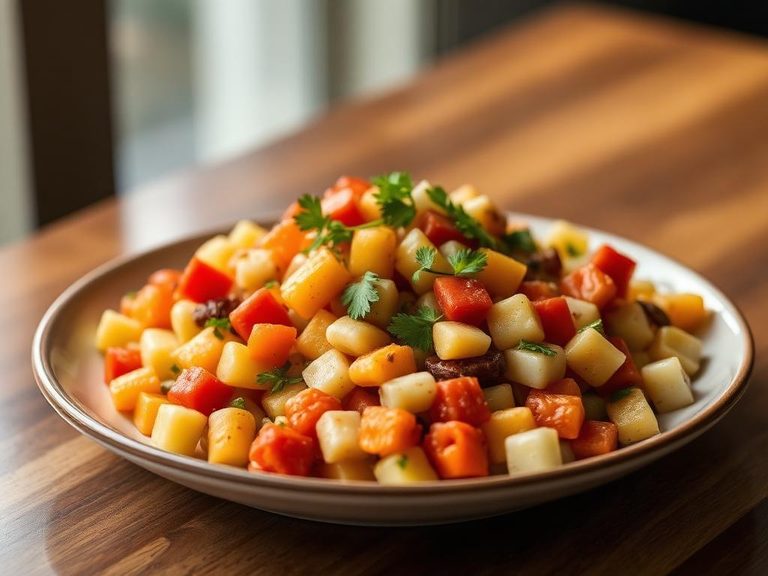
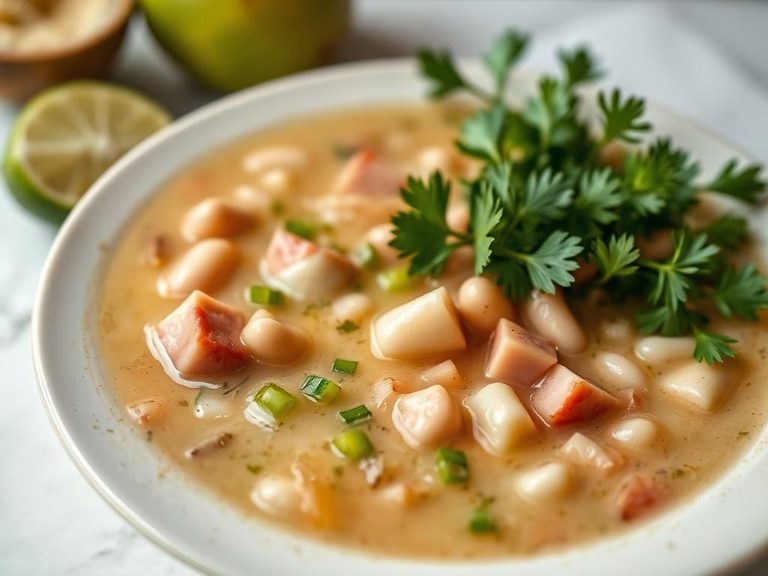
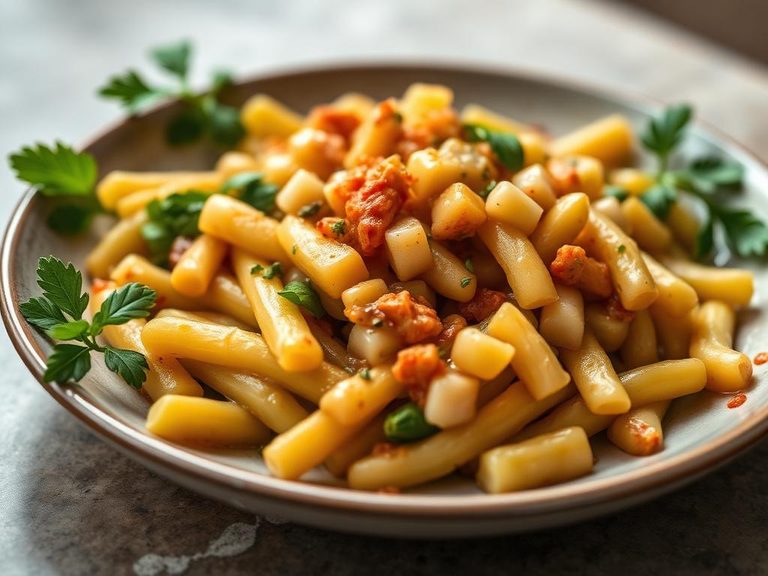
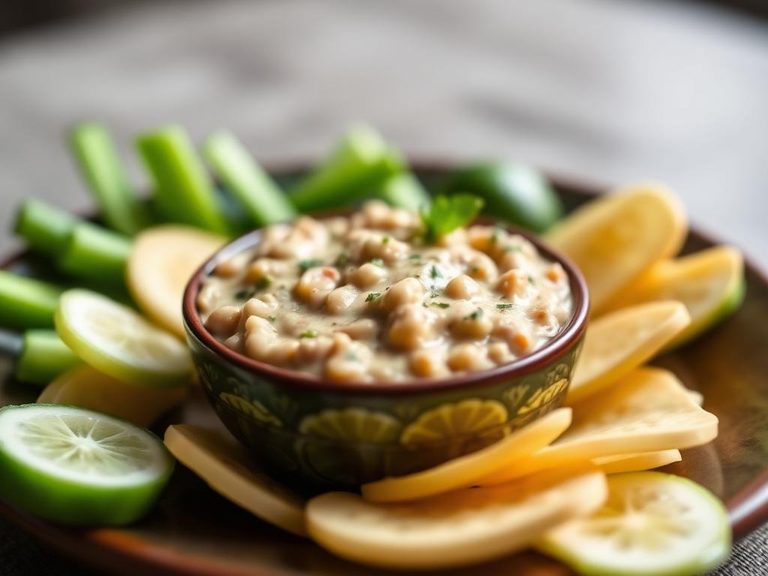
🍽️ Popular dishes
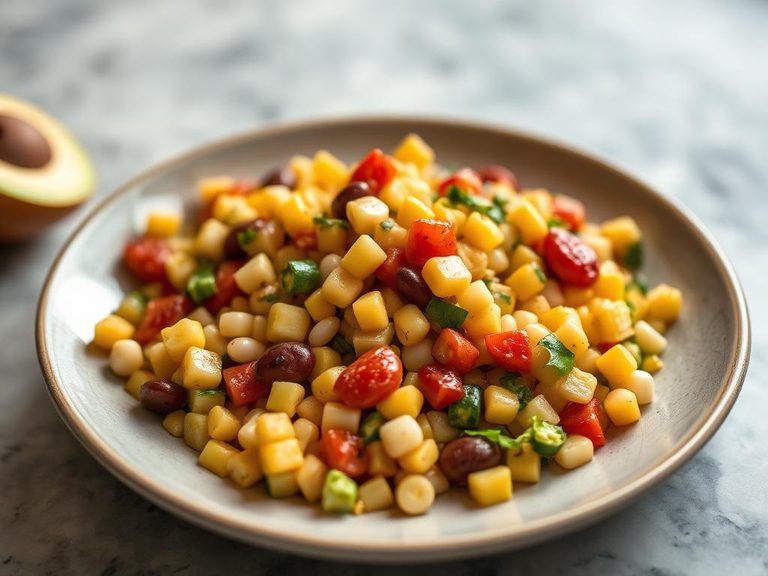
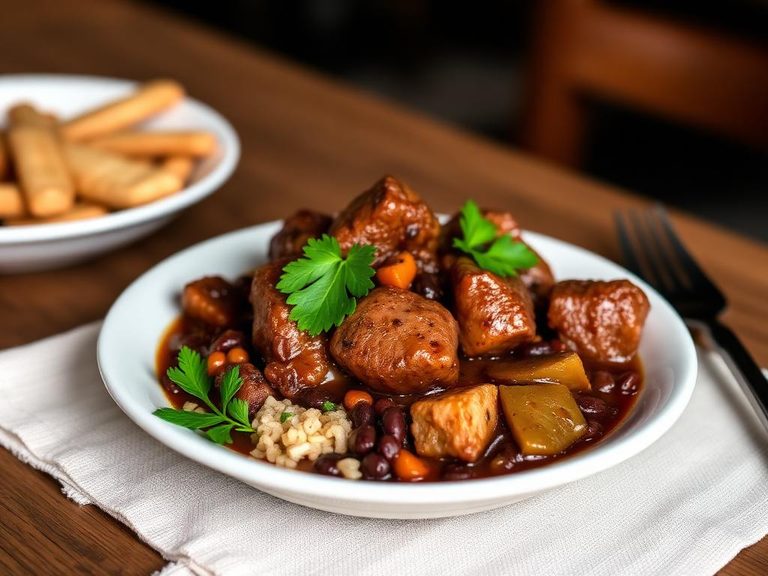
🌍 Where it's eaten
💡 Did you know?
Despite their name, lima beans are not from Lima, Peru; they were first cultivated in the Andes and later brought to Europe, with the name likely deriving from the Spanish 'lima' meaning a type of lime or from Lima, Peru, as a major export port.
Full nutrition (USDA data · scales with serving)
| Water | 65.5 g |
| Energy | 132 kcal |
| Energy | 554 kj |
| Protein | 7.6 g |
| Total lipid (fat) | 0.44 g |
| Ash | 1.4 g |
| Carbohydrate, by difference | 25.1 g |
| Fiber, total dietary | 6.0 g |
| Calcium, Ca | 35.0 mg |
| Iron, Fe | 2.2 mg |
| Magnesium, Mg | 50.0 mg |
| Phosphorus, P | 104 mg |
| Potassium, K | 452 mg |
| Sodium, Na | 52.0 mg |
| Zinc, Zn | 0.63 mg |
| Copper, Cu | 0.13 mg |
| Manganese, Mn | 0.70 mg |
| Selenium, Se | 2.1 ug |
| Vitamin C, total ascorbic acid | 8.3 mg |
| Thiamin | 0.11 mg |
| Riboflavin | 0.07 mg |
| Niacin | 1.0 mg |
| Pantothenic acid | 0.19 mg |
| Vitamin B-6 | 0.16 mg |
| Folate, total | 28.0 ug |
| Folic acid | 0.00 ug |
| Folate, food | 28.0 ug |
| Folate, DFE | 28.0 ug |
| Vitamin B-12 | 0.00 ug |
| Vitamin A, RAE | 9.0 ug |
| Retinol | 0.00 ug |
| Vitamin A, IU | 189 iu |
| Vitamin D (D2 + D3), International Units | 0.00 iu |
| Vitamin D (D2 + D3) | 0.00 ug |
| Alcohol, ethyl | 0.00 g |
Fat & fatty acid profile (per 100g)
| Fatty acids, total saturated | 0.10 g |
| SFA 4:0 | 0.00 g |
| SFA 6:0 | 0.00 g |
| SFA 8:0 | 0.00 g |
| SFA 10:0 | 0.00 g |
| SFA 12:0 | 0.00 g |
| SFA 14:0 | 0.00 g |
| SFA 16:0 | 0.09 g |
| SFA 18:0 | 0.01 g |
| Fatty acids, total monounsaturated | 0.03 g |
| MUFA 16:1 | 0.00 g |
| MUFA 18:1 | 0.03 g |
| MUFA 20:1 | 0.00 g |
| MUFA 22:1 | 0.00 g |
| Fatty acids, total polyunsaturated | 0.22 g |
| PUFA 18:2 | 0.15 g |
| PUFA 18:3 | 0.07 g |
| PUFA 18:4 | 0.00 g |
| PUFA 20:4 | 0.00 g |
| PUFA 20:5 n-3 (EPA) | 0.00 g |
| PUFA 22:5 n-3 (DPA) | 0.00 g |
| PUFA 22:6 n-3 (DHA) | 0.00 g |
| Fatty acids, total trans | 0.00 g |
| Cholesterol | 0.00 mg |
Amino acid profile (per 100g)
| Tryptophan | 0.10 g |
| Threonine | 0.32 g |
| Isoleucine | 0.49 g |
| Leucine | 0.60 g |
| Lysine | 0.50 g |
| Methionine | 0.07 g |
| Cystine | 0.09 g |
| Phenylalanine | 0.37 g |
| Tyrosine | 0.24 g |
| Valine | 0.47 g |
| Arginine | 0.51 g |
| Histidine | 0.26 g |
| Alanine | 0.29 g |
| Aspartic acid | 0.81 g |
| Glutamic acid | 0.98 g |
| Glycine | 0.30 g |
| Proline | 0.11 g |
| Serine | 0.47 g |
FAQ
How do I cook frozen baby lima beans?
No thawing needed. Boil in salted water for 3-5 minutes until tender, or steam for 5-7 minutes. They also sauté well from frozen in a bit of butter or oil.
Are lima beans the same as butter beans?
Yes, they are the same bean (Phaseolus lunatus). 'Lima bean' is the common name in the U.S., while 'butter bean' is widely used in the U.K. and other regions, often referring to larger, mature white beans.
Why are my lima beans tough?
Frozen baby lima beans are usually pre-blanched and cook quickly. If tough, they may be undercooked. Ensure a rolling boil and test for tenderness; they should be creamy, not starchy or chalky.
Nutrient density (calculated · NRF9.3)
Nutrient Rich Foods index: beneficial nutrients (protein, fiber, vitamins, minerals) minus saturated fat, added sugar & sodium, per 100 kcal.
NRF9.3 index — Fulgoni, Keast & Drewnowski, 2009. Computed from USDA nutrients.
Weight-loss friendliness (composite index)
Energy density 1.32 kcal/g · 23% calories from protein · 6.0 g fiber · 0.0 g sugar per 100 g.
Composite of energy density (Rolls et al., 1999), protein & fiber satiety, minus sugar. A calculated heuristic — ranks satiety-per-calorie, not a clinical measure.
Dietary load (calculated from USDA values)
Potential renal acid load. Positive = acid-forming, negative = alkaline-forming.
Sodium-to-potassium ratio: 0.12 (lower is better — aim for ≤ 1)
Sodium:potassium per WHO potassium guidance. Computed from USDA nutrients.