

Lamb, variety meats and by-products, liver, cooked, braised
Whole food · Lamb, Veal, and Game Products

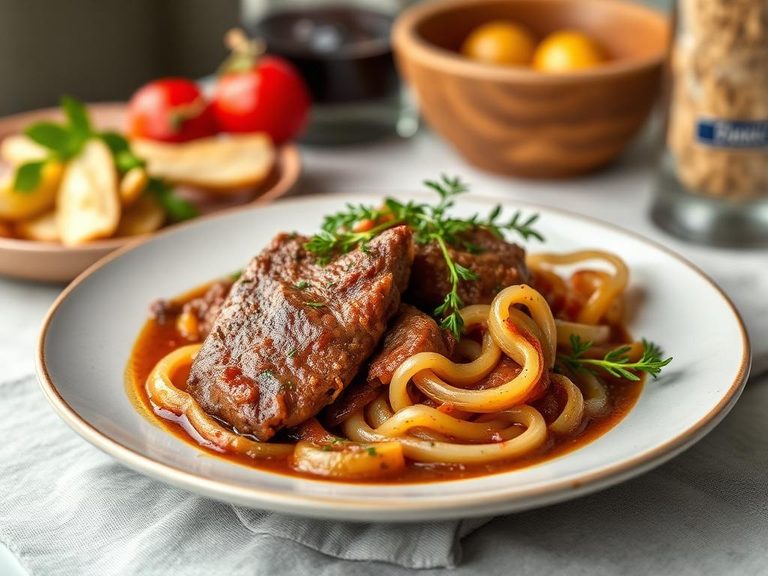
Photo: Wikipedia
Braised lamb liver is a nutrient-dense organ meat with a rich, mineral-forward flavor and a tender, velvety texture when cooked properly. It's an exceptional source of highly bioavailable iron, vitamin B12, and preformed vitamin A, making it a powerhouse for energy and immune support. The braising process in a flavorful liquid helps mellow its characteristic taste, resulting in a deeply savory dish.
Calorie split: 58% protein · 5% carbs · 37% fat
↓ Full nutrition💚 Why it's loved
People love it for its profound, iron-rich savoriness and melt-in-the-mouth texture when braised, which is a staple comfort food in many culinary traditions. It's prized as a traditional postpartum recovery food and a quick, nutrient-packed meal.
⚠️ Watch-outs & how to enjoy it better
Its strong, metallic mineral taste and unique texture can be off-putting to those unfamiliar with organ meats. Individuals with hemochromatosis (iron overload) should strictly limit intake, and those managing gout may need to moderate portions due to purine content. To mitigate the strong flavor, marinate in acidic ingredients like lemon juice or vinegar, and pair with robust sides like mashed potatoes or sautéed greens to balance the richness.
Key benefits
- Exceptionally high in heme iron, crucial for preventing anemia.
- One of the richest natural sources of vitamin B12 for nerve and blood health.
- Provides a potent dose of preformed vitamin A (retinol) for vision and immunity.
- High in protein with all essential amino acids for muscle maintenance.
- Contains significant amounts of folate and selenium.
🍽️ Popular dishes
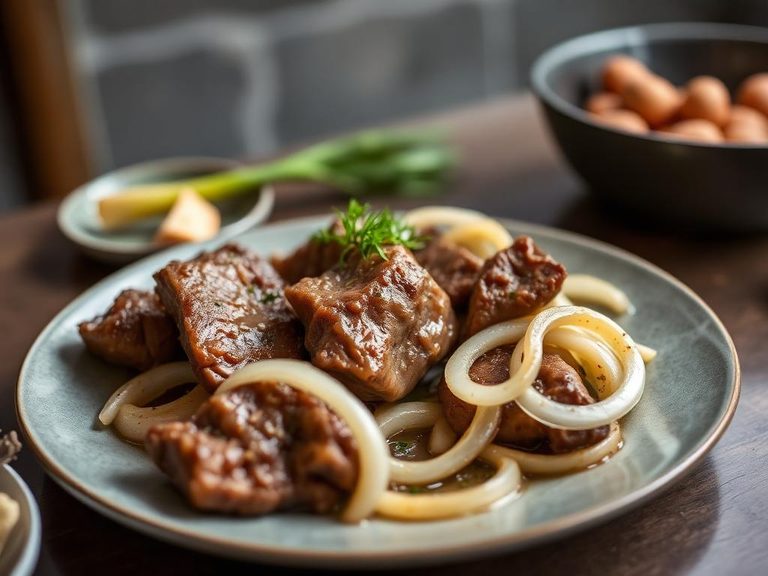
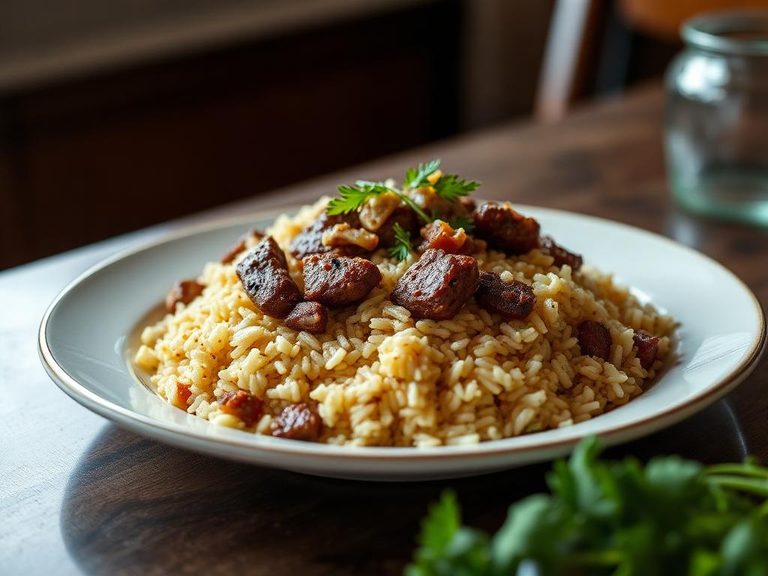
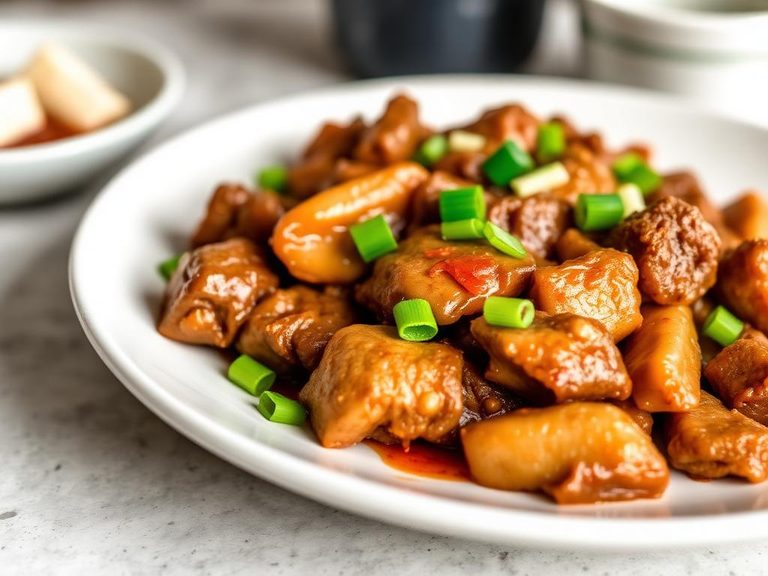
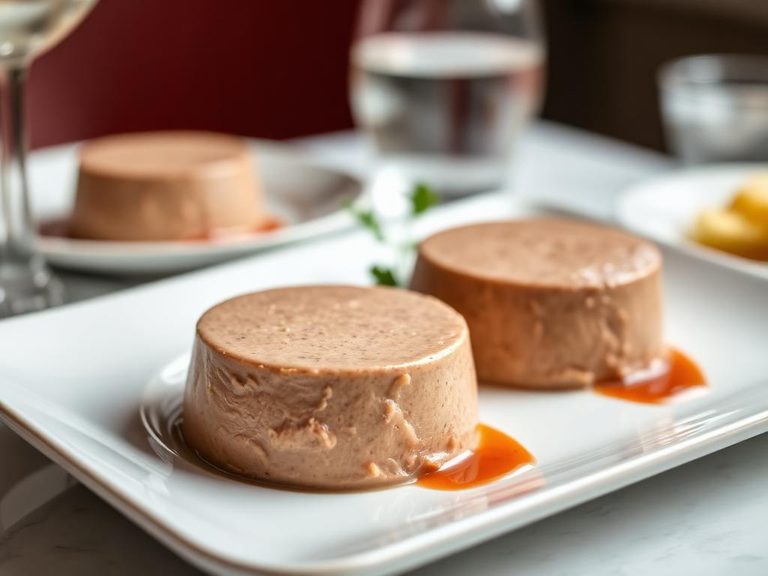
🌍 Where it's eaten
💡 Did you know?
Lamb liver is so nutrient-dense that a single 100g serving can provide over 1000% of your daily recommended intake for vitamin B12, making it one of the most potent natural sources on the planet.
Full nutrition (USDA data · scales with serving)
| Water | 56.7 g |
| Energy | 220 kcal |
| Energy | 920 kj |
| Protein | 30.6 g |
| Total lipid (fat) | 8.8 g |
| Ash | 1.4 g |
| Carbohydrate, by difference | 2.5 g |
| Fiber, total dietary | 0.00 g |
| Calcium, Ca | 8.0 mg |
| Iron, Fe | 8.3 mg |
| Magnesium, Mg | 22.0 mg |
| Phosphorus, P | 420 mg |
| Potassium, K | 221 mg |
| Sodium, Na | 56.0 mg |
| Zinc, Zn | 7.9 mg |
| Copper, Cu | 7.1 mg |
| Manganese, Mn | 0.52 mg |
| Selenium, Se | 111 ug |
| Vitamin C, total ascorbic acid | 4.0 mg |
| Thiamin | 0.23 mg |
| Riboflavin | 4.0 mg |
| Niacin | 12.2 mg |
| Pantothenic acid | 4.0 mg |
| Vitamin B-6 | 0.49 mg |
| Folate, total | 73.0 ug |
| Folic acid | 0.00 ug |
| Folate, food | 73.0 ug |
| Folate, DFE | 73.0 ug |
| Vitamin B-12 | 76.5 ug |
| Vitamin A, RAE | 7491 ug |
| Retinol | 7491 ug |
| Vitamin A, IU | 24945 iu |
| Alcohol, ethyl | 0.00 g |
Fat & fatty acid profile (per 100g)
| Fatty acids, total saturated | 3.4 g |
| SFA 4:0 | 0.00 g |
| SFA 6:0 | 0.00 g |
| SFA 8:0 | 0.00 g |
| SFA 10:0 | 0.00 g |
| SFA 12:0 | 0.00 g |
| SFA 14:0 | 0.10 g |
| SFA 16:0 | 1.2 g |
| SFA 18:0 | 2.0 g |
| Fatty acids, total monounsaturated | 1.8 g |
| MUFA 16:1 | 0.22 g |
| MUFA 18:1 | 1.6 g |
| MUFA 20:1 | 0.00 g |
| MUFA 22:1 | 0.00 g |
| Fatty acids, total polyunsaturated | 1.3 g |
| PUFA 18:2 | 0.57 g |
| PUFA 18:3 | 0.12 g |
| PUFA 18:4 | 0.00 g |
| PUFA 20:4 | 0.63 g |
| PUFA 20:5 n-3 (EPA) | 0.00 g |
| PUFA 22:5 n-3 (DPA) | 0.00 g |
| PUFA 22:6 n-3 (DHA) | 0.00 g |
| Cholesterol | 501 mg |
Amino acid profile (per 100g)
| Tryptophan | 0.35 g |
| Threonine | 1.3 g |
| Isoleucine | 1.3 g |
| Leucine | 2.5 g |
| Lysine | 1.7 g |
| Methionine | 0.66 g |
| Cystine | 0.32 g |
| Phenylalanine | 1.4 g |
| Tyrosine | 1.1 g |
| Valine | 1.7 g |
| Arginine | 1.7 g |
| Histidine | 0.72 g |
| Alanine | 1.5 g |
| Aspartic acid | 2.6 g |
| Glutamic acid | 3.3 g |
| Glycine | 1.5 g |
| Proline | 1.5 g |
| Serine | 1.3 g |
FAQ
How do I cook lamb liver so it's not tough or grainy?
The key is very high heat for a very short time. Sear slices in a hot, oiled pan for just 1-2 minutes per side until browned outside but still slightly pink inside. Overcooking makes it tough and chalky.
Is lamb liver safe to eat during pregnancy?
While it's a great source of iron and B12, lamb liver is extremely high in preformed vitamin A (retinol). Excessive intake during pregnancy can be harmful to the developing fetus. It's best to consult a doctor and limit consumption to occasional, small servings.
Why does my lamb liver have a strong, bitter taste?
The strong flavor comes from bile and blood. Soaking the sliced liver in milk, buttermilk, or an acidic marinade (like lemon juice or vinegar) for 30-60 minutes before cooking can help draw out some of the blood and mellow the taste.
Nutrient density (calculated · NRF9.3)
Nutrient Rich Foods index: beneficial nutrients (protein, fiber, vitamins, minerals) minus saturated fat, added sugar & sodium, per 100 kcal.
NRF9.3 index — Fulgoni, Keast & Drewnowski, 2009. Computed from USDA nutrients.
Weight-loss friendliness (composite index)
Energy density 2.20 kcal/g · 56% calories from protein · 0.0 g fiber · 0.0 g sugar per 100 g.
Composite of energy density (Rolls et al., 1999), protein & fiber satiety, minus sugar. A calculated heuristic — ranks satiety-per-calorie, not a clinical measure.
Dietary load (calculated from USDA values)
Potential renal acid load. Positive = acid-forming, negative = alkaline-forming.
Sodium-to-potassium ratio: 0.25 (lower is better — aim for ≤ 1)
Sodium:potassium per WHO potassium guidance. Computed from USDA nutrients.