

Jute, potherb, cooked, boiled, drained, with salt
Whole food · Vegetables and Vegetable Products

Photo: Wikipedia
Jute potherb, also known as Molokhia or Nalta jute, is a leafy green with a distinctive, slightly mucilaginous texture when cooked, similar to okra. It has a mild, grassy flavor that becomes rich and savory when boiled and seasoned, making it a staple in many cuisines. Nutritionally, it's a low-calorie, high-fiber green that provides a notable amount of plant-based protein for its weight.
Calorie split: 32% protein · 64% carbs · 4% fat
↓ Full nutrition💚 Why it's loved
People love it for its unique, silky texture that thickens soups and stews, and its ability to absorb the flavors of garlic, onions, and spices. It holds deep cultural significance in Middle Eastern, North African, and Southeast Asian cuisines, often symbolizing comfort and tradition.
⚠️ Watch-outs & how to enjoy it better
The mucilaginous (slimy) texture can be off-putting to some, and it can be high in sodium if heavily salted during cooking. It contains oxalates, which may be a concern for individuals with kidney stone history. To counteract, pair it with acidic ingredients like lemon or tomato, which can reduce the sliminess, and use minimal added salt, relying on herbs and spices for flavor. Soaking or blanching before cooking can also help reduce oxalate content.
Key benefits
- Excellent source of dietary fiber (2g per 100g) for digestive health.
- High in protein (3.68g per 100g) for a leafy green.
- Very low in fat (0.2g per 100g) and calories (37 kcal per 100g).
- Rich in vitamins and minerals, including vitamins A, C, and K, and iron.
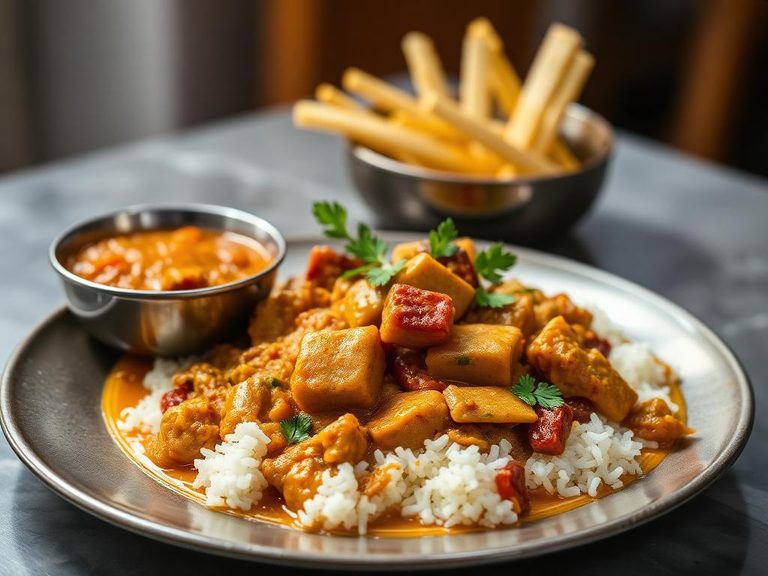
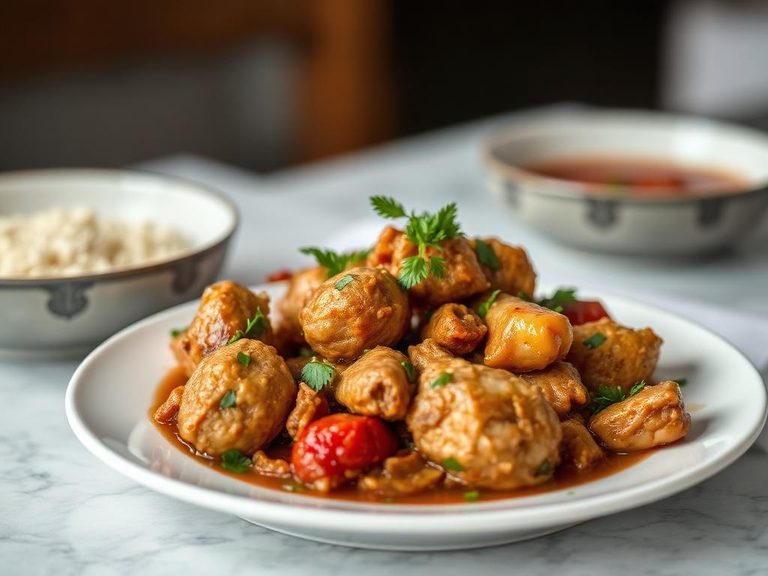
🍽️ Popular dishes
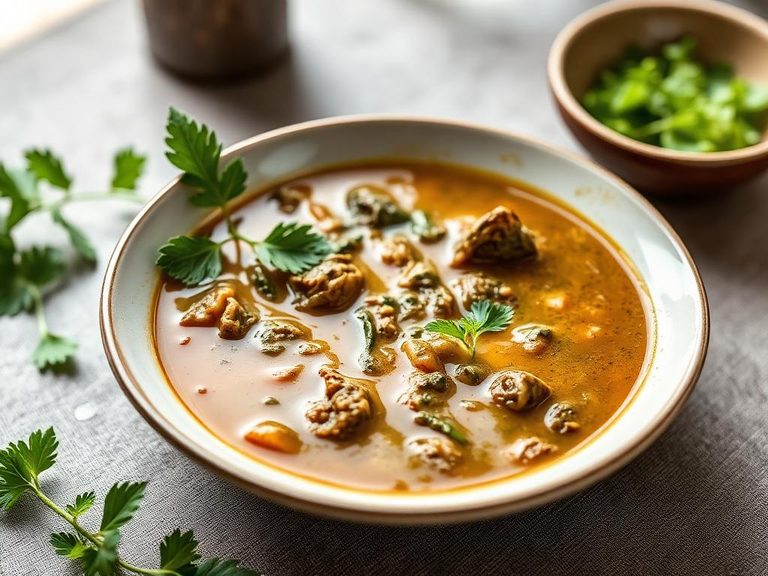
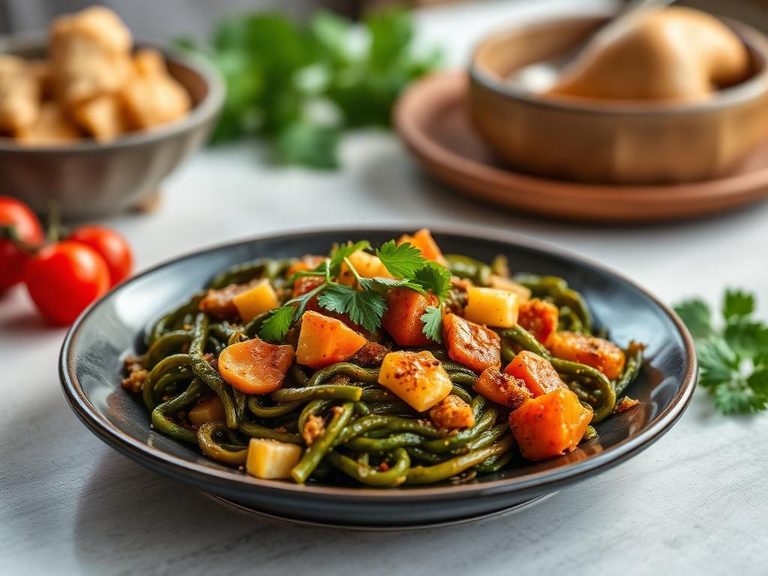
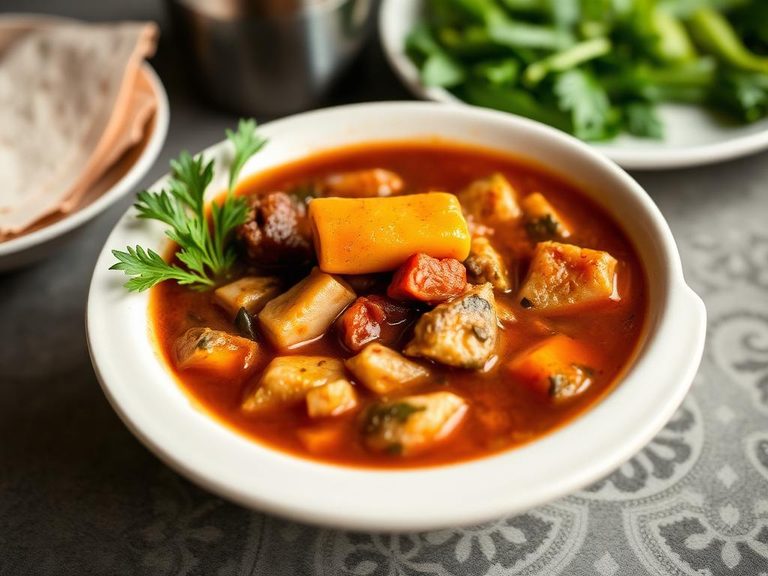
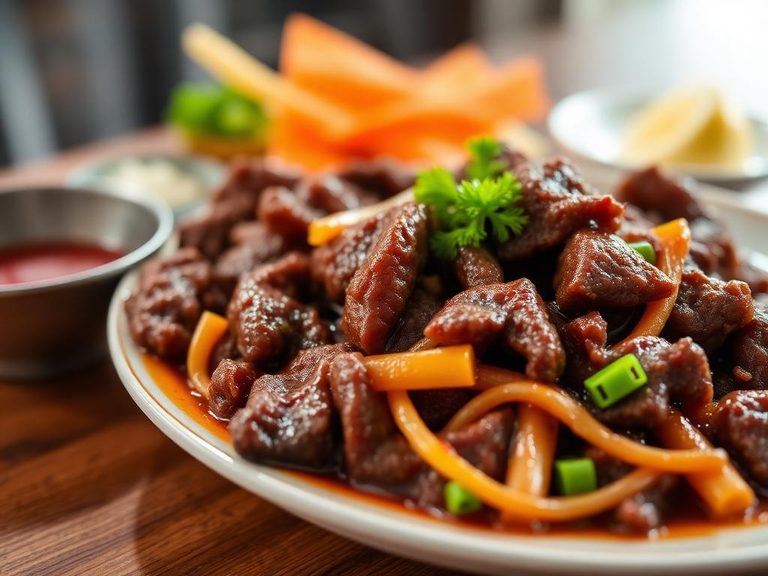
🌍 Where it's eaten
💡 Did you know?
Jute potherb is the leaf of the same plant that produces jute fiber, used to make burlap and rope, making it a dual-purpose crop for both food and industry.
Full nutrition (USDA data · scales with serving)
| Water | 87.2 g |
| Energy | 37.0 kcal |
| Energy | 153 kj |
| Protein | 3.7 g |
| Total lipid (fat) | 0.20 g |
| Ash | 1.7 g |
| Carbohydrate, by difference | 7.3 g |
| Fiber, total dietary | 2.0 g |
| Total Sugars | 1.0 g |
| Calcium, Ca | 211 mg |
| Iron, Fe | 3.1 mg |
| Magnesium, Mg | 62.0 mg |
| Phosphorus, P | 72.0 mg |
| Potassium, K | 550 mg |
| Sodium, Na | 247 mg |
| Zinc, Zn | 0.79 mg |
| Copper, Cu | 0.26 mg |
| Manganese, Mn | 0.12 mg |
| Selenium, Se | 0.90 ug |
| Vitamin C, total ascorbic acid | 33.0 mg |
| Thiamin | 0.09 mg |
| Riboflavin | 0.19 mg |
| Niacin | 0.89 mg |
| Pantothenic acid | 0.07 mg |
| Vitamin B-6 | 0.57 mg |
| Folate, total | 104 ug |
| Folic acid | 0.00 ug |
| Folate, food | 104 ug |
| Folate, DFE | 104 ug |
| Choline, total | 12.8 mg |
| Vitamin B-12 | 0.00 ug |
| Vitamin B-12, added | 0.00 ug |
| Vitamin A, RAE | 259 ug |
| Retinol | 0.00 ug |
| Carotene, beta | 3111 ug |
| Carotene, alpha | 0.00 ug |
| Cryptoxanthin, beta | 0.00 ug |
| Vitamin A, IU | 5185 iu |
| Lycopene | 0.00 ug |
| Lutein + zeaxanthin | 1747 ug |
| Vitamin E (alpha-tocopherol) | 0.07 mg |
| Vitamin E, added | 0.00 mg |
| Vitamin D (D2 + D3), International Units | 0.00 iu |
| Vitamin D (D2 + D3) | 0.00 ug |
| Vitamin K (phylloquinone) | 108 ug |
| Caffeine | 0.00 mg |
| Theobromine | 0.00 mg |
Fat & fatty acid profile (per 100g)
| Fatty acids, total saturated | 0.03 g |
| SFA 16:0 | 0.02 g |
| SFA 18:0 | 0.01 g |
| Fatty acids, total monounsaturated | 0.01 g |
| MUFA 16:1 | 0.00 g |
| MUFA 18:1 | 0.01 g |
| Fatty acids, total polyunsaturated | 0.10 g |
| PUFA 18:2 | 0.09 g |
| PUFA 18:3 | 0.00 g |
| Fatty acids, total trans | 0.00 g |
| Cholesterol | 0.00 mg |
Amino acid profile (per 100g)
| Tryptophan | 0.02 g |
| Threonine | 0.13 g |
| Isoleucine | 0.17 g |
| Leucine | 0.31 g |
| Lysine | 0.17 g |
| Methionine | 0.05 g |
| Cystine | 0.03 g |
| Phenylalanine | 0.17 g |
| Tyrosine | 0.12 g |
| Valine | 0.20 g |
| Arginine | 0.20 g |
| Histidine | 0.09 g |
| Alanine | 0.20 g |
| Aspartic acid | 0.45 g |
| Glutamic acid | 0.39 g |
| Glycine | 0.17 g |
| Proline | 0.20 g |
| Serine | 0.14 g |
FAQ
What does jute potherb taste like?
It has a mild, grassy flavor with a slightly mucilaginous (slimy) texture when cooked, similar to okra. It absorbs seasonings well, becoming rich and savory.
How do I reduce the sliminess of jute potherb?
You can reduce the sliminess by adding acidic ingredients like lemon juice or tomatoes during cooking, or by blanching the leaves first. Cooking with garlic and onions also helps balance the texture.
Is jute potherb nutritious?
Yes, it is low in calories and fat, high in fiber and protein for a leafy green, and rich in vitamins A, C, K, and minerals like iron and calcium.
Nutrient density (calculated · NRF9.3)
Nutrient Rich Foods index: beneficial nutrients (protein, fiber, vitamins, minerals) minus saturated fat, added sugar & sodium, per 100 kcal.
NRF9.3 index — Fulgoni, Keast & Drewnowski, 2009. Computed from USDA nutrients.
Weight-loss friendliness (composite index)
Energy density 0.37 kcal/g · 40% calories from protein · 2.0 g fiber · 1.0 g sugar per 100 g.
Composite of energy density (Rolls et al., 1999), protein & fiber satiety, minus sugar. A calculated heuristic — ranks satiety-per-calorie, not a clinical measure.
Dietary load (calculated from USDA values)
Potential renal acid load. Positive = acid-forming, negative = alkaline-forming.
Sodium-to-potassium ratio: 0.45 (lower is better — aim for ≤ 1)
Sodium:potassium per WHO potassium guidance. Computed from USDA nutrients.