

Crustaceans, crab, blue, raw
Whole food · Finfish and Shellfish Products
Blue crab, a prized crustacean from the Atlantic coast, is celebrated for its sweet, delicate meat with a subtle briny finish and a tender, flaky texture. Nutritionally, it is a powerhouse of lean protein, offering over 18 grams per 100 grams with virtually no carbohydrates or fat. This makes it an exceptionally clean and high-quality source of protein for health-conscious diets.
Calorie split: 88% protein · 0% carbs · 12% fat
↓ Full nutrition💚 Why it's loved
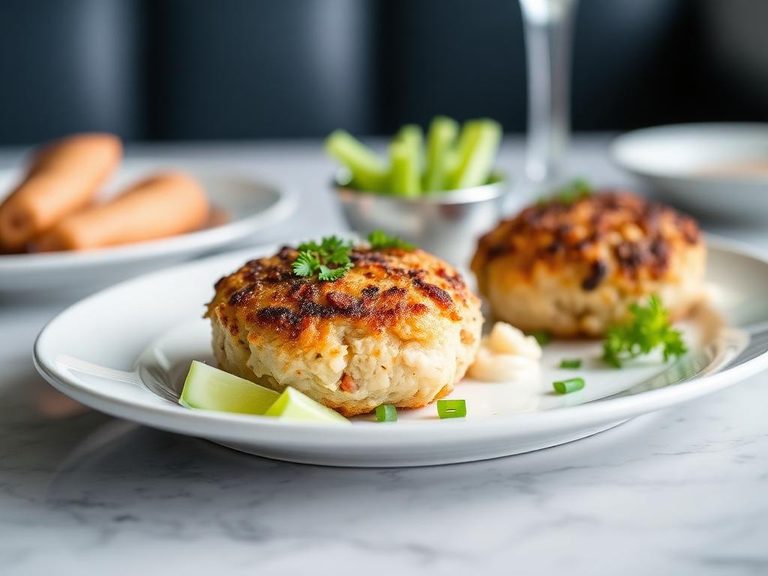
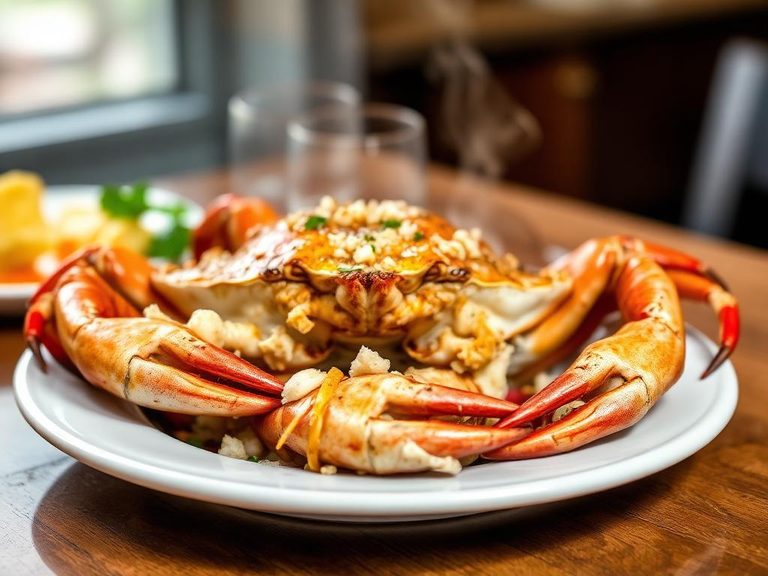
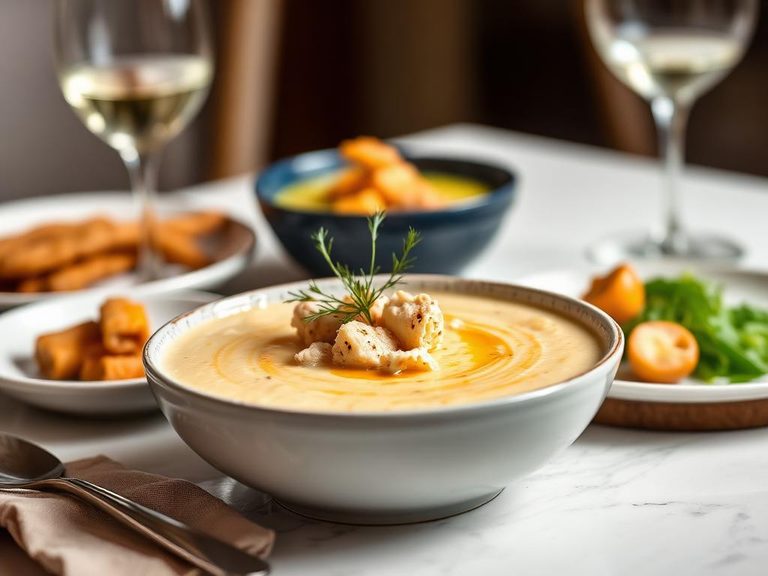
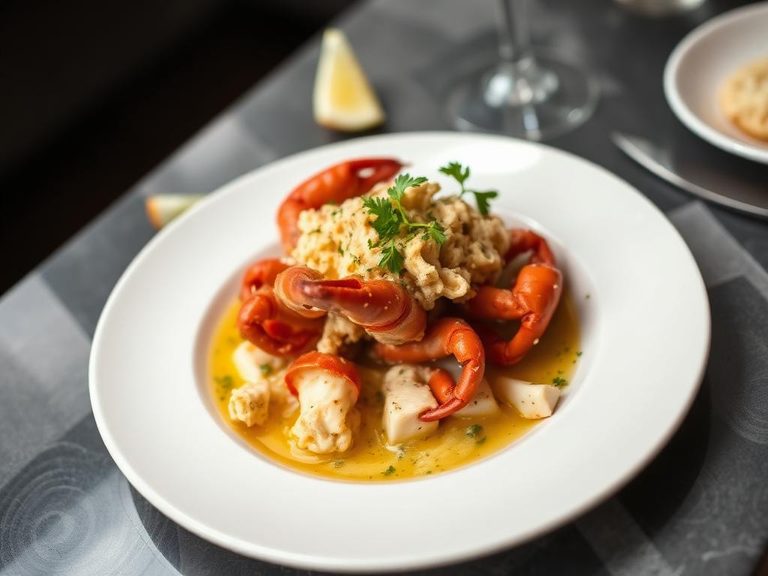
People love blue crab for its uniquely sweet and succulent flavor, which is considered a hallmark of premium seafood. Its versatility shines in dishes from classic crab cakes to rich bisques, and it holds a central place in the culinary traditions of the Chesapeake Bay region.
⚠️ Watch-outs & how to enjoy it better
As a common allergen, shellfish can cause severe reactions in sensitive individuals. The meat is also naturally high in sodium, which may be a concern for those managing blood pressure. To mitigate this, pair it with potassium-rich vegetables like asparagus or spinach, and be mindful of portion sizes, especially if the crab is prepared with added salt or butter.
Key benefits
- Excellent source of high-quality, lean protein.
- Very low in calories, fat, and carbohydrates.
- Rich in essential minerals like selenium and zinc.
- Provides a good source of vitamin B12 for nerve health.
- Naturally low in sugar and dietary fiber.
🍽️ Popular dishes
🌍 Where it's eaten
💡 Did you know?
A female blue crab is called a 'sook,' while a male is a 'jimmy,' and a juvenile is a 'sally.'
Full nutrition (USDA data · scales with serving)
| Water | 79.0 g |
| Energy | 87.0 kcal |
| Energy | 364 kj |
| Protein | 18.1 g |
| Total lipid (fat) | 1.1 g |
| Ash | 1.8 g |
| Carbohydrate, by difference | 0.04 g |
| Fiber, total dietary | 0.00 g |
| Calcium, Ca | 89.0 mg |
| Iron, Fe | 0.74 mg |
| Magnesium, Mg | 34.0 mg |
| Phosphorus, P | 229 mg |
| Potassium, K | 329 mg |
| Sodium, Na | 293 mg |
| Zinc, Zn | 3.5 mg |
| Copper, Cu | 0.67 mg |
| Manganese, Mn | 0.15 mg |
| Selenium, Se | 37.4 ug |
| Vitamin C, total ascorbic acid | 3.0 mg |
| Thiamin | 0.08 mg |
| Riboflavin | 0.04 mg |
| Niacin | 2.7 mg |
| Pantothenic acid | 0.35 mg |
| Vitamin B-6 | 0.15 mg |
| Folate, total | 44.0 ug |
| Folic acid | 0.00 ug |
| Folate, food | 44.0 ug |
| Folate, DFE | 44.0 ug |
| Vitamin B-12 | 9.0 ug |
| Vitamin A, RAE | 2.0 ug |
| Retinol | 2.0 ug |
| Vitamin A, IU | 5.0 iu |
| Alcohol, ethyl | 0.00 g |
Fat & fatty acid profile (per 100g)
| Fatty acids, total saturated | 0.22 g |
| SFA 4:0 | 0.00 g |
| SFA 6:0 | 0.00 g |
| SFA 8:0 | 0.00 g |
| SFA 10:0 | 0.00 g |
| SFA 12:0 | 0.00 g |
| SFA 14:0 | 0.00 g |
| SFA 16:0 | 0.14 g |
| SFA 18:0 | 0.08 g |
| Fatty acids, total monounsaturated | 0.19 g |
| MUFA 16:1 | 0.06 g |
| MUFA 18:1 | 0.10 g |
| MUFA 20:1 | 0.03 g |
| MUFA 22:1 | 0.00 g |
| Fatty acids, total polyunsaturated | 0.39 g |
| PUFA 18:2 | 0.01 g |
| PUFA 18:3 | 0.00 g |
| PUFA 18:4 | 0.00 g |
| PUFA 20:4 | 0.06 g |
| PUFA 20:5 n-3 (EPA) | 0.17 g |
| PUFA 22:5 n-3 (DPA) | 0.00 g |
| PUFA 22:6 n-3 (DHA) | 0.15 g |
| Cholesterol | 78.0 mg |
Amino acid profile (per 100g)
| Tryptophan | 0.25 g |
| Threonine | 0.73 g |
| Isoleucine | 0.88 g |
| Leucine | 1.4 g |
| Lysine | 1.6 g |
| Methionine | 0.51 g |
| Cystine | 0.20 g |
| Phenylalanine | 0.76 g |
| Tyrosine | 0.60 g |
| Valine | 0.85 g |
| Arginine | 1.6 g |
| Histidine | 0.37 g |
| Alanine | 1.0 g |
| Aspartic acid | 1.9 g |
| Glutamic acid | 3.1 g |
| Glycine | 1.1 g |
| Proline | 0.59 g |
| Serine | 0.71 g |
FAQ
Is blue crab meat healthy?
Yes, it is very healthy. It is an excellent source of lean protein, low in fat and calories, and provides essential nutrients like vitamin B12, selenium, and zinc.
What does blue crab taste like?
Blue crab meat has a sweet, delicate, and slightly briny flavor with a tender, flaky texture. The taste is often described as more nuanced and sweeter than many other crab species.
How do I cook raw blue crab?
Common methods include steaming (often with Old Bay seasoning), boiling, or picking the meat for use in dishes like crab cakes, salads, or dips. Always ensure it is cooked until the shell turns bright red and the meat is opaque.
Is blue crab a common allergen?
Yes, shellfish, including crab, is one of the most common food allergens. Individuals with a known shellfish allergy should avoid it.
Nutrient density (calculated · NRF9.3)
Nutrient Rich Foods index: beneficial nutrients (protein, fiber, vitamins, minerals) minus saturated fat, added sugar & sodium, per 100 kcal.
NRF9.3 index — Fulgoni, Keast & Drewnowski, 2009. Computed from USDA nutrients.
Weight-loss friendliness (composite index)
Energy density 0.87 kcal/g · 83% calories from protein · 0.0 g fiber · 0.0 g sugar per 100 g.
Composite of energy density (Rolls et al., 1999), protein & fiber satiety, minus sugar. A calculated heuristic — ranks satiety-per-calorie, not a clinical measure.
Dietary load (calculated from USDA values)
Potential renal acid load. Positive = acid-forming, negative = alkaline-forming.
Sodium-to-potassium ratio: 0.89 (lower is better — aim for ≤ 1)
Sodium:potassium per WHO potassium guidance. Computed from USDA nutrients.