

Chives, freeze-dried
Whole food · Vegetables and Vegetable Products

Photo: Wikipedia
Freeze-dried chives are vibrant green, paper-thin flakes that deliver a potent, concentrated onion-garlic punch with a satisfyingly crisp texture that quickly rehydrates. This preservation method locks in the herb's signature bright, savory flavor and impressive nutritional profile, offering a remarkable 21.2 grams of protein and 26.2 grams of fiber per 100 grams. They are a lightweight, shelf-stable powerhouse for instantly elevating dishes.
Calorie split: 23% protein · 69% carbs · 8% fat
↓ Full nutrition💚 Why it's loved
People love freeze-dried chives for their unmatched convenience and intense, fresh-off-the-garden flavor that requires no chopping or refrigeration. They are a beloved pantry staple for instantly adding a savory, aromatic lift to everything from baked potatoes to scrambled eggs.
⚠️ Watch-outs & how to enjoy it better
The potent, concentrated flavor can be overwhelming if used too liberally, and their high fiber content may cause digestive discomfort in sensitive individuals. To counteract, start with a small pinch, rehydrate in a bit of liquid first, and always pair with adequate water intake.
Key benefits
- Extremely high in dietary fiber for digestive health.
- Surprisingly rich in plant-based protein.
- Concentrated source of vitamins A, C, and K.
- Low in fat and contains zero added sugar.
- Long shelf-life without preservatives.
🍽️ Popular dishes
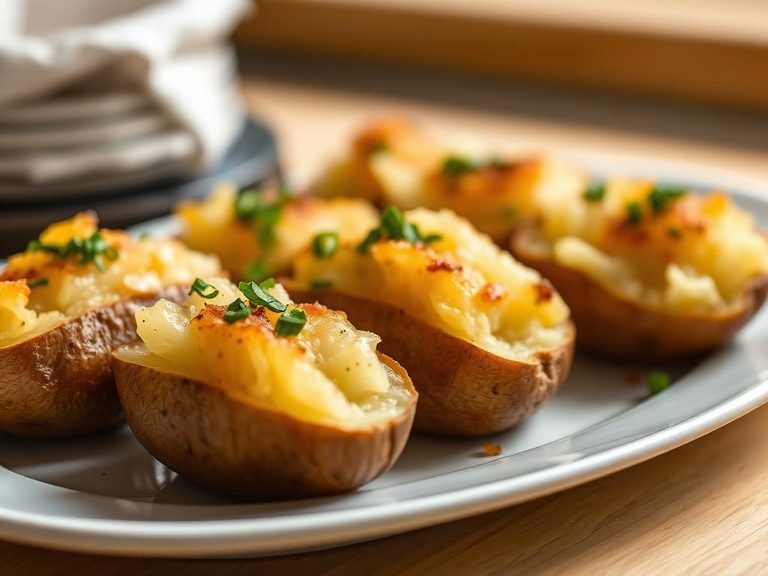
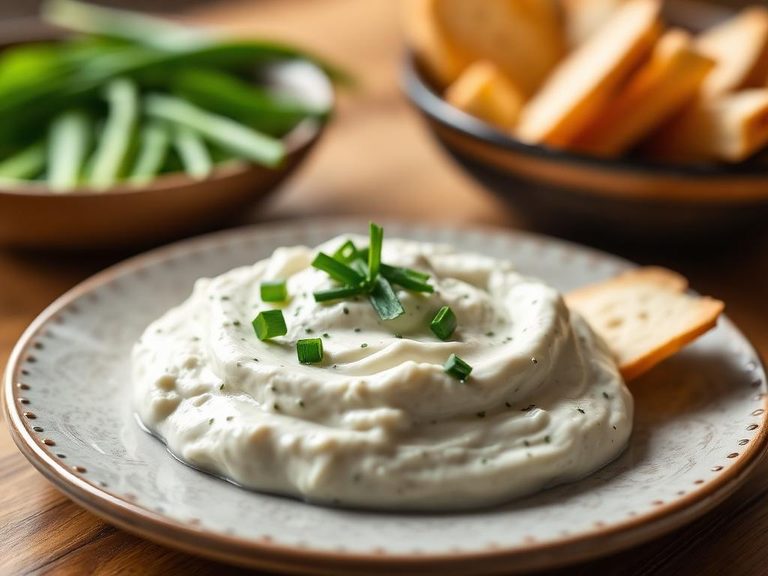
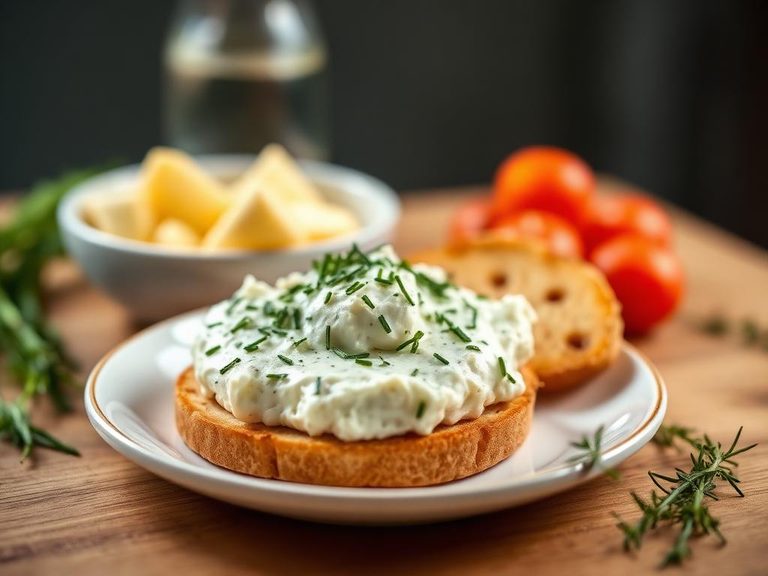
🌍 Where it's eaten
💡 Did you know?
Freeze-drying chives preserves their vibrant green color far better than air-drying, which often turns them a dull brown.
Full nutrition (USDA data · scales with serving)
| Water | 2.0 g |
| Energy | 311 kcal |
| Energy | 1301 kj |
| Protein | 21.2 g |
| Total lipid (fat) | 3.5 g |
| Ash | 9.0 g |
| Carbohydrate, by difference | 64.3 g |
| Fiber, total dietary | 26.2 g |
| Calcium, Ca | 813 mg |
| Iron, Fe | 20.0 mg |
| Magnesium, Mg | 640 mg |
| Phosphorus, P | 518 mg |
| Potassium, K | 2960 mg |
| Sodium, Na | 70.0 mg |
| Zinc, Zn | 5.1 mg |
| Copper, Cu | 0.69 mg |
| Manganese, Mn | 1.4 mg |
| Selenium, Se | 9.4 ug |
| Vitamin C, total ascorbic acid | 660 mg |
| Thiamin | 0.90 mg |
| Riboflavin | 1.5 mg |
| Niacin | 5.9 mg |
| Pantothenic acid | 2.1 mg |
| Vitamin B-6 | 2.0 mg |
| Folate, total | 108 ug |
| Folic acid | 0.00 ug |
| Folate, food | 108 ug |
| Folate, DFE | 108 ug |
| Vitamin B-12 | 0.00 ug |
| Vitamin A, RAE | 3415 ug |
| Retinol | 0.00 ug |
| Vitamin A, IU | 68300 iu |
| Vitamin D (D2 + D3), International Units | 0.00 iu |
| Vitamin D (D2 + D3) | 0.00 ug |
| Alcohol, ethyl | 0.00 g |
Fat & fatty acid profile (per 100g)
| Fatty acids, total saturated | 0.59 g |
| SFA 4:0 | 0.00 g |
| SFA 6:0 | 0.00 g |
| SFA 8:0 | 0.00 g |
| SFA 10:0 | 0.00 g |
| SFA 12:0 | 0.00 g |
| SFA 14:0 | 0.02 g |
| SFA 16:0 | 0.53 g |
| SFA 18:0 | 0.05 g |
| Fatty acids, total monounsaturated | 0.49 g |
| MUFA 16:1 | 0.00 g |
| MUFA 18:1 | 0.49 g |
| MUFA 20:1 | 0.00 g |
| MUFA 22:1 | 0.00 g |
| Fatty acids, total polyunsaturated | 1.4 g |
| PUFA 18:2 | 1.3 g |
| PUFA 18:3 | 0.07 g |
| PUFA 18:4 | 0.00 g |
| PUFA 20:4 | 0.00 g |
| PUFA 20:5 n-3 (EPA) | 0.00 g |
| PUFA 22:5 n-3 (DPA) | 0.00 g |
| PUFA 22:6 n-3 (DHA) | 0.00 g |
| Fatty acids, total trans | 0.00 g |
| Cholesterol | 0.00 mg |
Amino acid profile (per 100g)
| Tryptophan | 0.24 g |
| Threonine | 0.83 g |
| Isoleucine | 0.90 g |
| Leucine | 1.3 g |
| Lysine | 1.1 g |
| Methionine | 0.23 g |
| Phenylalanine | 0.68 g |
| Tyrosine | 0.61 g |
| Valine | 0.94 g |
| Arginine | 1.5 g |
| Histidine | 0.37 g |
| Alanine | 0.96 g |
| Aspartic acid | 2.0 g |
| Glutamic acid | 4.4 g |
| Glycine | 1.1 g |
| Proline | 1.4 g |
| Serine | 0.96 g |
FAQ
How do I use freeze-dried chives compared to fresh?
Use about 1/3 the amount of freeze-dried chives as you would fresh, as their flavor is highly concentrated. You can add them directly to dry mixes or rehydrate briefly in a small amount of warm liquid before using in dressings or dips.
Are freeze-dried chives as nutritious as fresh?
Yes, the freeze-drying process preserves most vitamins, minerals, and fiber exceptionally well. The nutritional density per gram is actually higher due to water removal.
What is the best way to store them?
Keep them in a sealed, airtight container in a cool, dark place like a pantry. Once opened, ensure the bag is tightly sealed to prevent moisture from causing clumping or flavor loss.
Nutrient density (calculated · NRF9.3)
Nutrient Rich Foods index: beneficial nutrients (protein, fiber, vitamins, minerals) minus saturated fat, added sugar & sodium, per 100 kcal.
NRF9.3 index — Fulgoni, Keast & Drewnowski, 2009. Computed from USDA nutrients.
Weight-loss friendliness (composite index)
Energy density 3.11 kcal/g · 27% calories from protein · 26.2 g fiber · 0.0 g sugar per 100 g.
Composite of energy density (Rolls et al., 1999), protein & fiber satiety, minus sugar. A calculated heuristic — ranks satiety-per-calorie, not a clinical measure.
Dietary load (calculated from USDA values)
Potential renal acid load. Positive = acid-forming, negative = alkaline-forming.
Sodium-to-potassium ratio: 0.02 (lower is better — aim for ≤ 1)
Sodium:potassium per WHO potassium guidance. Computed from USDA nutrients.