

Cheese, tilsit
Whole food · Dairy and Egg Products

Photo: Wikipedia
Tilsit is a semi-hard, pale-yellow cow's milk cheese with a distinctive, slightly pungent aroma and a firm, supple texture punctuated by small, irregular holes. Its flavor is rich, buttery, and mildly tangy with a nutty, earthy finish that deepens with age. With over 25g of fat and 24g of protein per 100g, it's a calorie-dense source of energy and muscle-building nutrients.
Calorie split: 29% protein · 2% carbs · 69% fat
↓ Full nutrition💚 Why it's loved
People adore Tilsit for its complex, robust flavor that balances creaminess with a pleasant sharpness, making it a standout on cheese boards. Its excellent melting properties and cultural significance in Swiss and German cuisine make it a versatile and traditional favorite.
⚠️ Watch-outs & how to enjoy it better
Its high saturated fat and calorie content require portion control for those managing heart health or weight. The strong flavor and aroma can be off-putting to some, and it is a dairy product, making it unsuitable for those with lactose intolerance or a milk allergy. To enjoy it mindfully, pair thin slices with fiber-rich whole-grain bread or fresh fruit, and balance a meal by using it as a flavor accent rather than the main component.
Key benefits
- Excellent source of high-quality protein for muscle maintenance
- Rich in calcium for bone and dental health
- Provides conjugated linoleic acid (CLA), a fatty acid linked to metabolic benefits
- Contains vitamin B12, essential for nerve function and red blood cell formation
- High in fat-soluble vitamins like Vitamin A and K2
🍽️ Popular dishes
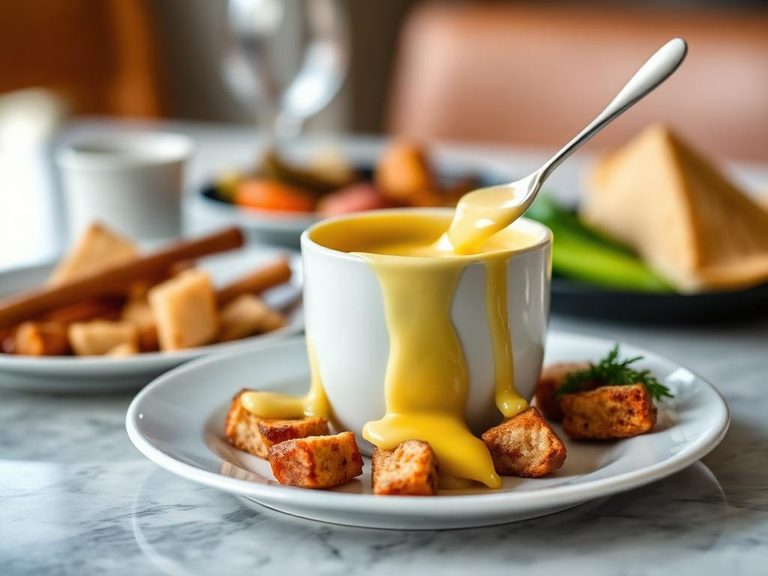
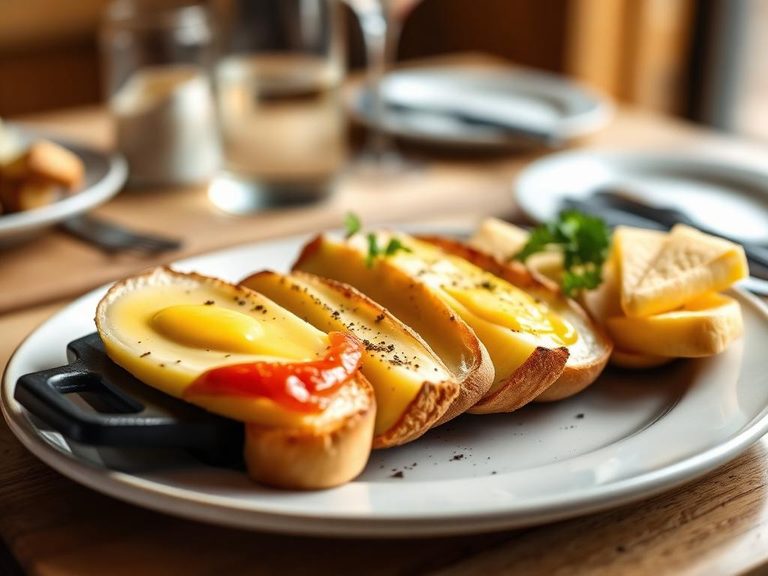
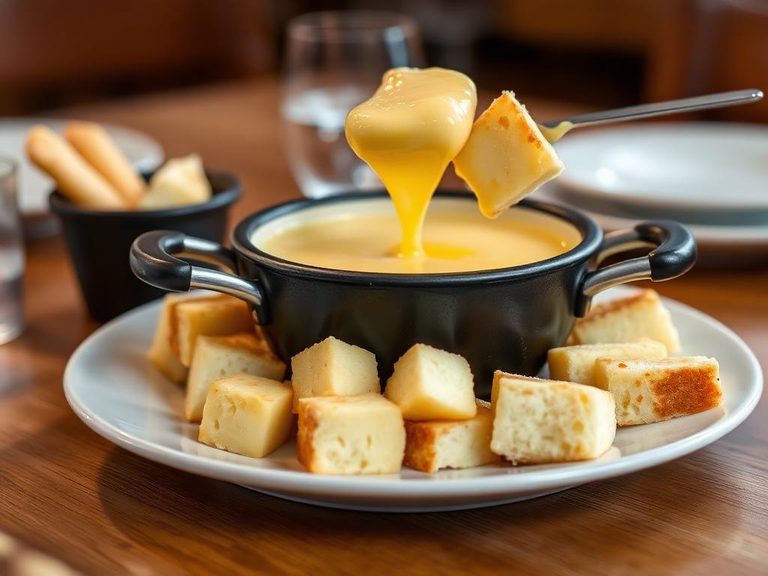
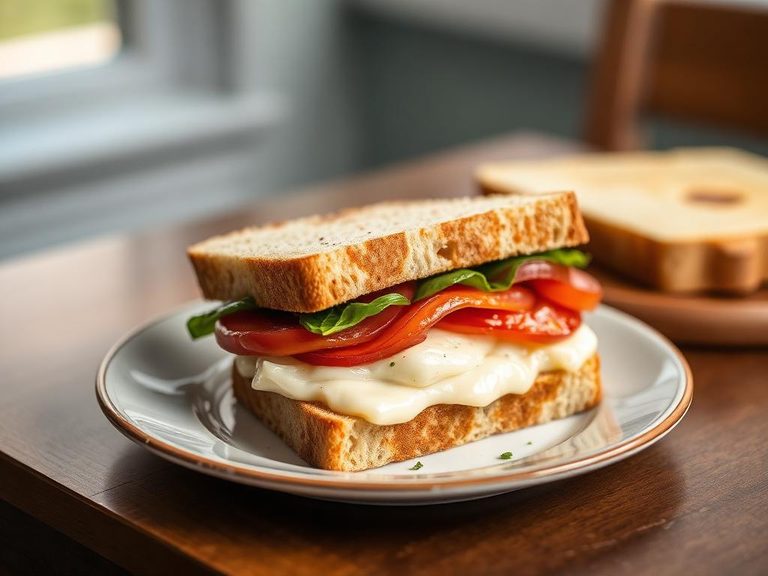

🌍 Where it's eaten
💡 Did you know?
Tilsit cheese was originally created by Prussian settlers in the 19th century who moved to the Tilsit region of East Prussia (now Sovetsk, Russia), bringing their cheese-making traditions with them.
Full nutrition (USDA data · scales with serving)
| Water | 42.9 g |
| Energy | 340 kcal |
| Energy | 1422 kj |
| Protein | 24.4 g |
| Total lipid (fat) | 26.0 g |
| Ash | 4.9 g |
| Carbohydrate, by difference | 1.9 g |
| Fiber, total dietary | 0.00 g |
| Calcium, Ca | 700 mg |
| Iron, Fe | 0.23 mg |
| Magnesium, Mg | 13.0 mg |
| Phosphorus, P | 500 mg |
| Potassium, K | 65.0 mg |
| Sodium, Na | 753 mg |
| Zinc, Zn | 3.5 mg |
| Copper, Cu | 0.03 mg |
| Manganese, Mn | 0.01 mg |
| Selenium, Se | 14.5 ug |
| Vitamin C, total ascorbic acid | 0.00 mg |
| Thiamin | 0.06 mg |
| Riboflavin | 0.36 mg |
| Niacin | 0.20 mg |
| Pantothenic acid | 0.35 mg |
| Vitamin B-6 | 0.07 mg |
| Folate, total | 20.0 ug |
| Folic acid | 0.00 ug |
| Folate, food | 20.0 ug |
| Folate, DFE | 20.0 ug |
| Vitamin B-12 | 2.1 ug |
| Vitamin A, RAE | 249 ug |
| Retinol | 236 ug |
| Vitamin A, IU | 1045 iu |
| Alcohol, ethyl | 0.00 g |
Fat & fatty acid profile (per 100g)
| Fatty acids, total saturated | 16.8 g |
| SFA 4:0 | 0.88 g |
| SFA 6:0 | 0.54 g |
| SFA 8:0 | 0.38 g |
| SFA 10:0 | 0.75 g |
| SFA 12:0 | 1.1 g |
| SFA 14:0 | 2.6 g |
| SFA 16:0 | 7.7 g |
| SFA 18:0 | 2.2 g |
| Fatty acids, total monounsaturated | 7.1 g |
| MUFA 16:1 | 0.67 g |
| MUFA 18:1 | 6.1 g |
| MUFA 20:1 | 0.00 g |
| MUFA 22:1 | 0.00 g |
| Fatty acids, total polyunsaturated | 0.72 g |
| PUFA 18:2 | 0.40 g |
| PUFA 18:3 | 0.32 g |
| PUFA 18:4 | 0.00 g |
| PUFA 20:4 | 0.00 g |
| PUFA 20:5 n-3 (EPA) | 0.00 g |
| PUFA 22:5 n-3 (DPA) | 0.00 g |
| PUFA 22:6 n-3 (DHA) | 0.00 g |
| Cholesterol | 102 mg |
Amino acid profile (per 100g)
| Tryptophan | 0.35 g |
| Threonine | 0.90 g |
| Isoleucine | 1.5 g |
| Leucine | 2.5 g |
| Lysine | 2.0 g |
| Methionine | 0.75 g |
| Cystine | 0.14 g |
| Phenylalanine | 1.4 g |
| Tyrosine | 1.5 g |
| Valine | 1.8 g |
| Arginine | 0.85 g |
| Histidine | 0.70 g |
| Alanine | 0.81 g |
| Aspartic acid | 1.8 g |
| Glutamic acid | 5.5 g |
| Glycine | 0.50 g |
| Proline | 3.0 g |
| Serine | 1.4 g |
FAQ
What does Tilsit cheese taste like?
Tilsit has a rich, buttery, and mildly tangy flavor with nutty, earthy undertones. The taste is robust but not overly sharp, and the aroma is distinctively pungent.
Is Tilsit a good melting cheese?
Yes, Tilsit melts smoothly and is excellent for dishes like fondue, raclette, or simply melted over potatoes and sandwiches. It's often blended with other cheeses for optimal melt and flavor.
How does Tilsit differ from Swiss or Gouda?
Compared to classic Swiss cheeses like Emmental, Tilsit has smaller, irregular holes and a more pronounced, tangy flavor. It's generally firmer and less sweet than a young Gouda, with a more complex, earthy profile.
Nutrient density (calculated · NRF9.3)
Nutrient Rich Foods index: beneficial nutrients (protein, fiber, vitamins, minerals) minus saturated fat, added sugar & sodium, per 100 kcal.
NRF9.3 index — Fulgoni, Keast & Drewnowski, 2009. Computed from USDA nutrients.
Weight-loss friendliness (composite index)
Energy density 3.40 kcal/g · 29% calories from protein · 0.0 g fiber · 0.0 g sugar per 100 g.
Composite of energy density (Rolls et al., 1999), protein & fiber satiety, minus sugar. A calculated heuristic — ranks satiety-per-calorie, not a clinical measure.
Dietary load (calculated from USDA values)
Potential renal acid load. Positive = acid-forming, negative = alkaline-forming.
Sodium-to-potassium ratio: 11.58 (lower is better — aim for ≤ 1)
Sodium:potassium per WHO potassium guidance. Computed from USDA nutrients.