

Cereal, flavored puffs
Common food

Photo: Wikipedia
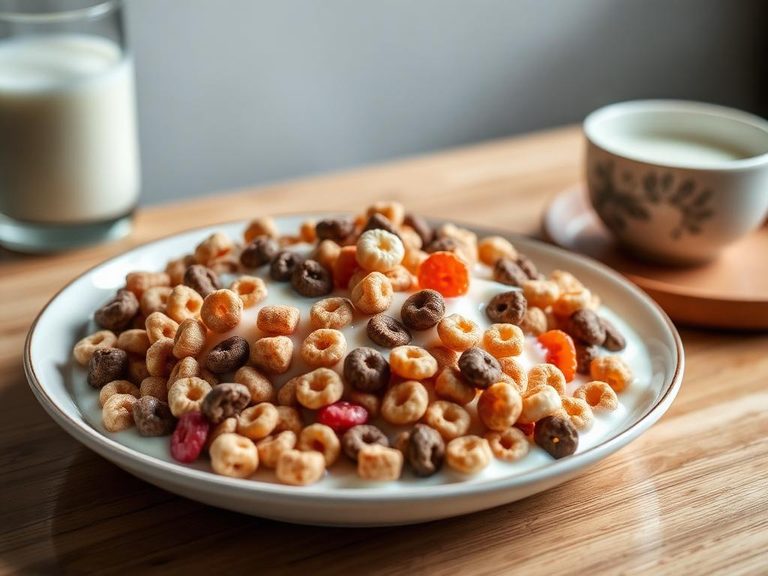
Flavored puffs are a light, airy, and often brightly colored cereal made from extruded corn or rice, coated in a sweet, powdery flavoring. They deliver a satisfying crunch that quickly dissolves, with a taste profile ranging from fruity to chocolatey. Nutritionally, they are a high-carbohydrate, high-sugar energy source with minimal protein or fat.
Calorie split: 6% protein · 89% carbs · 5% fat
↓ Full nutrition💚 Why it's loved
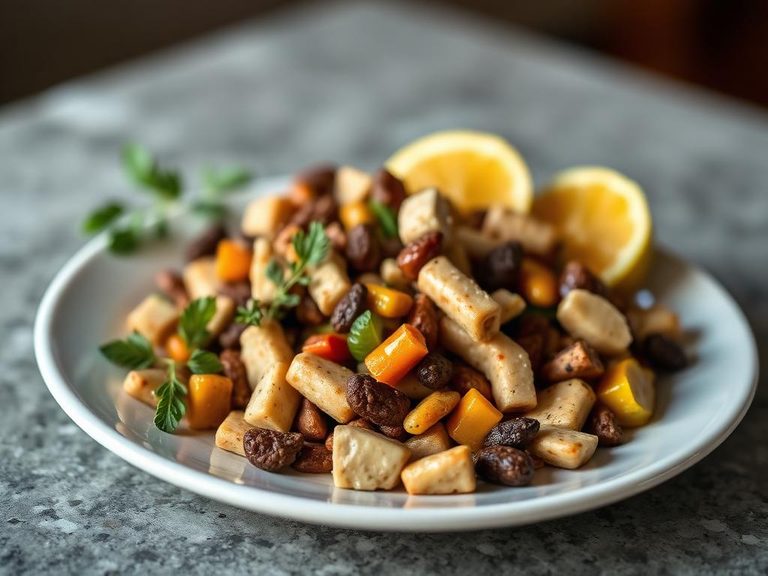
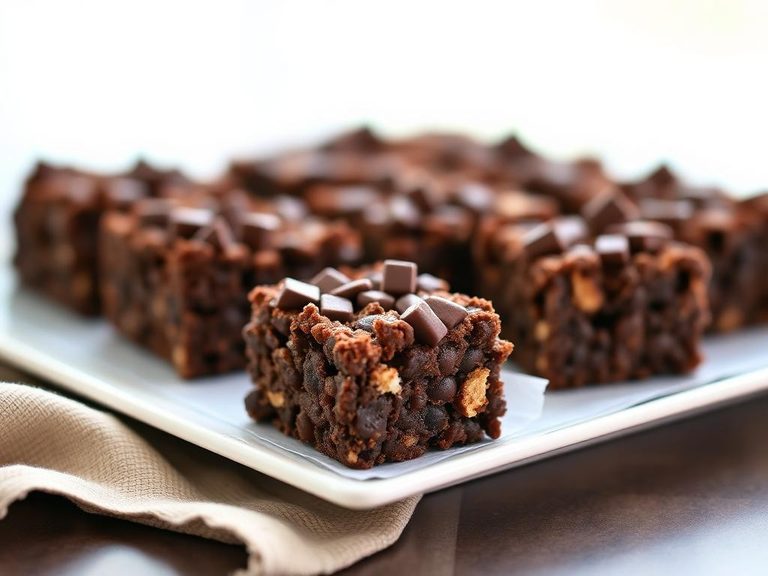
People love them for their intense, nostalgic flavors and playful, melt-in-your-mouth texture that makes eating fun. They are a versatile pantry staple, enjoyed straight from the bag, as a crunchy topping for yogurt, or as a key ingredient in no-bake treats.
⚠️ Watch-outs & how to enjoy it better
The high sugar content (37g per 100g) can lead to a rapid blood-sugar spike and subsequent crash, offering little sustained energy. To counteract this, pair a portion with a source of protein or healthy fat (like milk, Greek yogurt, or a handful of nuts) to slow sugar absorption. Those monitoring blood sugar or seeking nutrient-dense foods should consume them sparingly.
Key benefits
- Provides a quick source of energy from carbohydrates
- Lightweight and easy to digest
- Often fortified with vitamins and minerals
- Convenient, no-cook breakfast or snack
- Appealing texture for children and picky eaters
🍽️ Popular dishes



🌍 Where it's eaten
💡 Did you know?
The iconic extrusion process that creates the puffed shape was developed in the 1930s and was originally used to make dog food before being adapted for human breakfast cereals.
Full nutrition (USDA data · scales with serving)
| Water | 6.8 g |
| Energy | 380 kcal |
| Protein | 5.7 g |
| Total lipid (fat) | 2.2 g |
| Carbohydrate, by difference | 83.8 g |
| Fiber, total dietary | 2.2 g |
| Total Sugars | 37.1 g |
| Calcium, Ca | 8.0 mg |
| Iron, Fe | 9.6 mg |
| Magnesium, Mg | 21.0 mg |
| Phosphorus, P | 70.0 mg |
| Potassium, K | 90.0 mg |
| Sodium, Na | 424 mg |
| Zinc, Zn | 0.54 mg |
| Copper, Cu | 0.09 mg |
| Selenium, Se | 9.2 ug |
| Vitamin C, total ascorbic acid | 0.00 mg |
| Thiamin | 0.57 mg |
| Riboflavin | 0.51 mg |
| Niacin | 6.7 mg |
| Vitamin B-6 | 0.72 mg |
| Folate, total | 135 ug |
| Folic acid | 119 ug |
| Folate, food | 17.0 ug |
| Folate, DFE | 218 ug |
| Choline, total | 5.8 mg |
| Vitamin B-12 | 0.89 ug |
| Vitamin B-12, added | 0.89 ug |
| Vitamin A, RAE | 4.0 ug |
| Retinol | 0.00 ug |
| Carotene, beta | 34.0 ug |
| Carotene, alpha | 22.0 ug |
| Cryptoxanthin, beta | 0.00 ug |
| Lycopene | 0.00 ug |
| Lutein + zeaxanthin | 568 ug |
| Vitamin E (alpha-tocopherol) | 0.23 mg |
| Vitamin E, added | 0.00 mg |
| Vitamin D (D2 + D3) | 4.9 ug |
| Vitamin K (phylloquinone) | 0.80 ug |
| Alcohol, ethyl | 0.00 g |
| Caffeine | 0.00 mg |
| Theobromine | 0.00 mg |
Fat & fatty acid profile (per 100g)
| Fatty acids, total saturated | 0.18 g |
| SFA 4:0 | 0.00 g |
| SFA 6:0 | 0.00 g |
| SFA 8:0 | 0.00 g |
| SFA 10:0 | 0.00 g |
| SFA 12:0 | 0.00 g |
| SFA 14:0 | 0.00 g |
| SFA 16:0 | 0.14 g |
| SFA 18:0 | 0.03 g |
| Fatty acids, total monounsaturated | 0.78 g |
| MUFA 16:1 | 0.00 g |
| MUFA 18:1 | 0.75 g |
| MUFA 20:1 | 0.02 g |
| MUFA 22:1 | 0.00 g |
| Fatty acids, total polyunsaturated | 0.65 g |
| PUFA 18:2 | 0.56 g |
| PUFA 18:3 | 0.09 g |
| PUFA 18:4 | 0.00 g |
| PUFA 20:4 | 0.00 g |
| PUFA 20:5 n-3 (EPA) | 0.00 g |
| PUFA 22:5 n-3 (DPA) | 0.00 g |
| PUFA 22:6 n-3 (DHA) | 0.00 g |
| Cholesterol | 0.00 mg |
Amino acid profile (per 100g)
Estimated from Cereals ready-to-eat, POST, HONEY BUNCHES OF OATS, honey roasted — USDA does not publish this profile for Cereal.
| Tryptophan | 0.09 g |
| Threonine | 0.24 g |
| Isoleucine | 0.26 g |
| Leucine | 0.80 g |
| Lysine | 0.12 g |
| Methionine | 0.10 g |
| Cystine | 0.11 g |
| Phenylalanine | 0.39 g |
| Tyrosine | 0.21 g |
| Valine | 0.34 g |
| Arginine | 0.24 g |
| Histidine | 0.18 g |
| Alanine | 0.46 g |
| Aspartic acid | 0.48 g |
| Glutamic acid | 1.9 g |
| Glycine | 0.27 g |
| Proline | 0.49 g |
| Serine | 0.38 g |
FAQ
Are flavored puffs a good source of fiber?
No, they are very low in fiber, providing only about 2.2g per 100g. Most of the carbohydrate comes from refined grains and added sugar.
Can I eat flavored puffs on a diet?
They can be part of a balanced diet in moderation due to their high calorie and sugar density. Strict portion control (e.g., 30g serving) is key, and pairing with protein can help with satiety.
Why are they so sugary?
The sugar coating and flavoring are primary ingredients for taste and texture appeal. This formulation is designed for immediate palatability rather than long-term nutritional balance.
Nutrient density (calculated · NRF9.3)
Nutrient Rich Foods index: beneficial nutrients (protein, fiber, vitamins, minerals) minus saturated fat, added sugar & sodium, per 100 kcal.
NRF9.3 index — Fulgoni, Keast & Drewnowski, 2009. Computed from USDA nutrients.
Weight-loss friendliness (composite index)
Energy density 3.80 kcal/g · 6% calories from protein · 2.2 g fiber · 37.1 g sugar per 100 g.
Composite of energy density (Rolls et al., 1999), protein & fiber satiety, minus sugar. A calculated heuristic — ranks satiety-per-calorie, not a clinical measure.
Dietary load (calculated from USDA values)
Potential renal acid load. Positive = acid-forming, negative = alkaline-forming.
Sodium-to-potassium ratio: 4.71 (lower is better — aim for ≤ 1)
Sodium:potassium per WHO potassium guidance. Computed from USDA nutrients.