

Broccoli, frozen, chopped, cooked, boiled, drained, with salt
Whole food · Vegetables and Vegetable Products
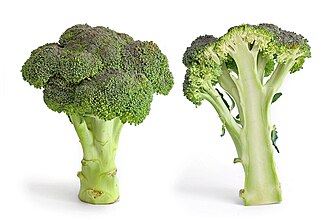
Photo: Wikipedia
This is broccoli that has been frozen at peak freshness, chopped, then boiled until tender-crisp. It offers a mild, slightly earthy sweetness with a soft yet distinct bite, and is a remarkably low-calorie source of fiber and plant-based protein.
Calorie split: 36% protein · 61% carbs · 3% fat
↓ Full nutrition💚 Why it's loved
People love it for its incredible convenience and year-round availability, offering the taste of fresh broccoli with minimal prep. Its mild flavor and soft texture make it an easy, nutritious addition to countless dishes, from stir-fries to casseroles.
⚠️ Watch-outs & how to enjoy it better
The added salt can contribute to excess sodium intake, which is a concern for some individuals. To counteract this, look for 'no salt added' versions or rinse the cooked broccoli briefly under cool water. Some people may also experience digestive gas from its high fiber and raffinose content; starting with smaller portions and ensuring thorough cooking can help.
Key benefits
- Excellent source of dietary fiber for digestive health.
- Very low in calories, supporting weight management.
- Provides plant-based protein for muscle maintenance.
- Rich in vitamin C, an essential antioxidant.
- Contains sulforaphane, a compound studied for its health properties.
🍽️ Popular dishes
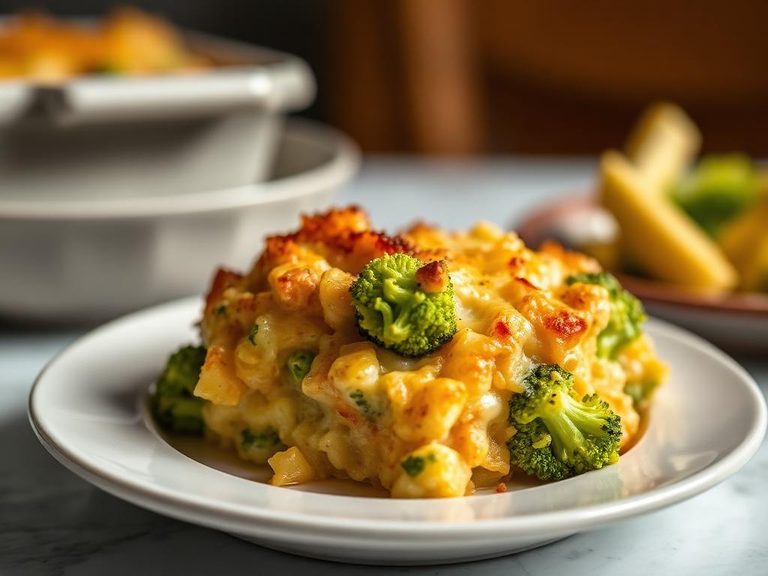
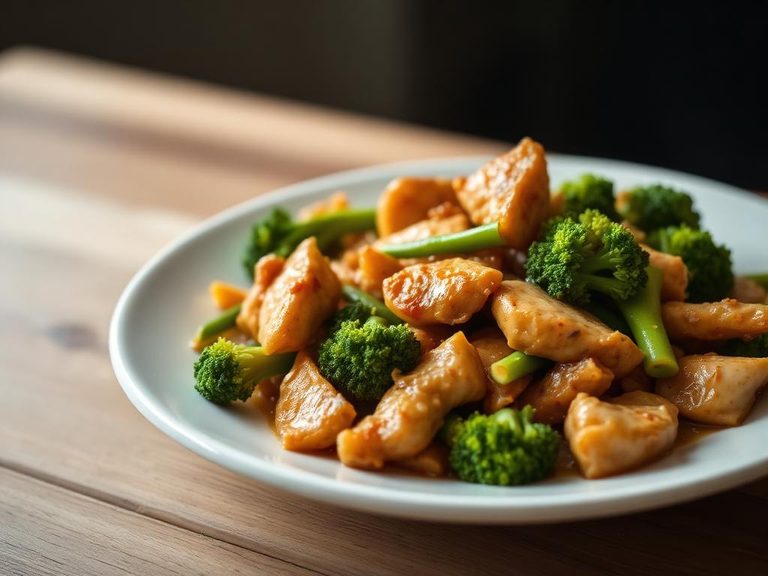
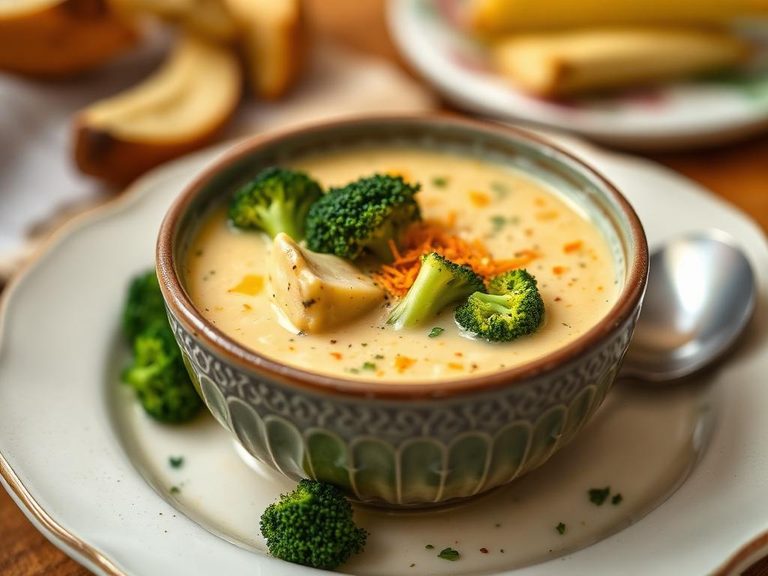
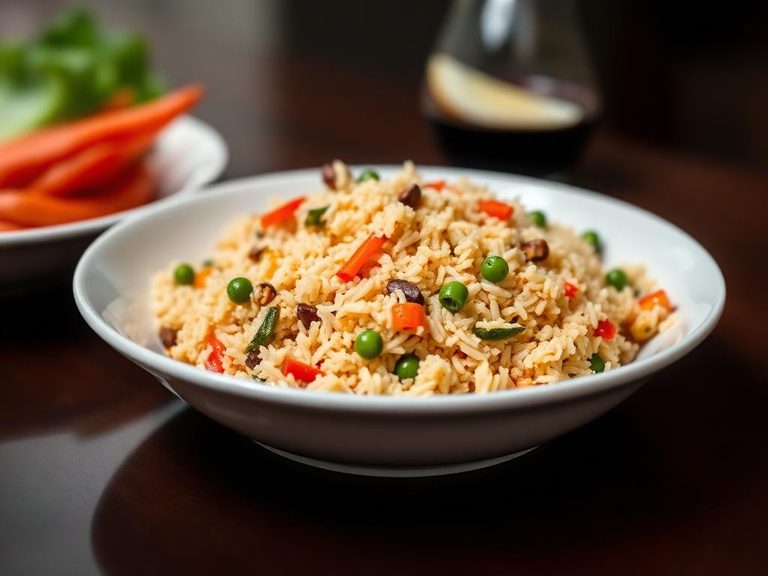
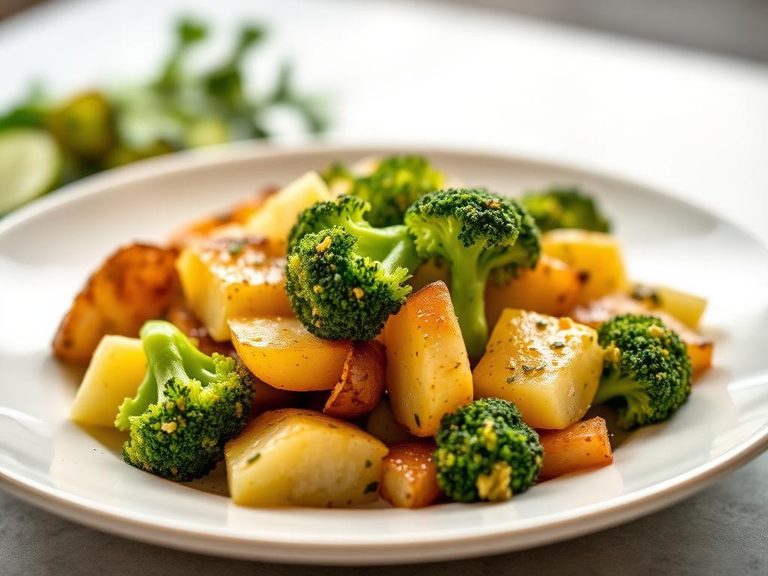
🌍 Where it's eaten
💡 Did you know?
Freezing broccoli actually helps preserve its glucosinolate compounds, which can convert to the beneficial sulforaphane, often better than fresh broccoli that has been stored in the fridge for several days.
Full nutrition (USDA data · scales with serving)
| Water | 90.7 g |
| Energy | 28.0 kcal |
| Energy | 117 kj |
| Protein | 3.1 g |
| Total lipid (fat) | 0.12 g |
| Ash | 0.71 g |
| Carbohydrate, by difference | 5.3 g |
| Fiber, total dietary | 3.0 g |
| Total Sugars | 1.5 g |
| Calcium, Ca | 33.0 mg |
| Iron, Fe | 0.61 mg |
| Magnesium, Mg | 13.0 mg |
| Phosphorus, P | 49.0 mg |
| Potassium, K | 142 mg |
| Sodium, Na | 260 mg |
| Zinc, Zn | 0.28 mg |
| Copper, Cu | 0.03 mg |
| Manganese, Mn | 0.22 mg |
| Selenium, Se | 0.70 ug |
| Vitamin C, total ascorbic acid | 40.1 mg |
| Thiamin | 0.06 mg |
| Riboflavin | 0.08 mg |
| Niacin | 0.46 mg |
| Pantothenic acid | 0.27 mg |
| Vitamin B-6 | 0.13 mg |
| Folate, total | 56.0 ug |
| Folic acid | 0.00 ug |
| Folate, food | 56.0 ug |
| Folate, DFE | 56.0 ug |
| Choline, total | 16.2 mg |
| Vitamin B-12 | 0.00 ug |
| Vitamin B-12, added | 0.00 ug |
| Vitamin A, RAE | 51.0 ug |
| Retinol | 0.00 ug |
| Carotene, beta | 597 ug |
| Carotene, alpha | 19.0 ug |
| Cryptoxanthin, beta | 1.0 ug |
| Vitamin A, IU | 1011 iu |
| Lycopene | 0.00 ug |
| Lutein + zeaxanthin | 1095 ug |
| Vitamin E (alpha-tocopherol) | 1.3 mg |
| Vitamin E, added | 0.00 mg |
| Vitamin D (D2 + D3), International Units | 0.00 iu |
| Vitamin D (D2 + D3) | 0.00 ug |
| Vitamin K (phylloquinone) | 88.1 ug |
Fat & fatty acid profile (per 100g)
| Fatty acids, total saturated | 0.02 g |
| SFA 16:0 | 0.02 g |
| SFA 18:0 | 0.00 g |
| Fatty acids, total monounsaturated | 0.01 g |
| MUFA 18:1 | 0.01 g |
| Fatty acids, total polyunsaturated | 0.06 g |
| PUFA 18:2 | 0.01 g |
| PUFA 18:3 | 0.04 g |
| Fatty acids, total trans | 0.00 g |
| Cholesterol | 0.00 mg |
Amino acid profile (per 100g)
| Tryptophan | 0.03 g |
| Threonine | 0.10 g |
| Isoleucine | 0.12 g |
| Leucine | 0.14 g |
| Lysine | 0.16 g |
| Methionine | 0.04 g |
| Cystine | 0.02 g |
| Phenylalanine | 0.09 g |
| Tyrosine | 0.07 g |
| Valine | 0.14 g |
| Arginine | 0.16 g |
| Histidine | 0.06 g |
| Alanine | 0.13 g |
| Aspartic acid | 0.24 g |
| Glutamic acid | 0.42 g |
| Glycine | 0.10 g |
| Proline | 0.13 g |
| Serine | 0.11 g |
FAQ
Is frozen broccoli as nutritious as fresh?
Yes, often more so. Flash-freezing locks in nutrients at their peak, while fresh broccoli can lose vitamins during transport and storage. The cooking method (boiling) can reduce some water-soluble vitamins like C, but the overall nutrient profile remains strong.
Why is there salt added?
Salt is often added during the blanching process before freezing to help preserve color, texture, and flavor. It's a common practice in commercial frozen vegetables.
How should I cook it from frozen?
For best texture, steam or microwave it directly from frozen with a small amount of water. Boiling is also fine; cook just until heated through and tender-crisp (3-5 minutes) to avoid mushiness.
Nutrient density (calculated · NRF9.3)
Nutrient Rich Foods index: beneficial nutrients (protein, fiber, vitamins, minerals) minus saturated fat, added sugar & sodium, per 100 kcal.
NRF9.3 index — Fulgoni, Keast & Drewnowski, 2009. Computed from USDA nutrients.
Weight-loss friendliness (composite index)
Energy density 0.28 kcal/g · 44% calories from protein · 3.0 g fiber · 1.5 g sugar per 100 g.
Composite of energy density (Rolls et al., 1999), protein & fiber satiety, minus sugar. A calculated heuristic — ranks satiety-per-calorie, not a clinical measure.
Dietary load (calculated from USDA values)
Potential renal acid load. Positive = acid-forming, negative = alkaline-forming.
Sodium-to-potassium ratio: 1.83 (lower is better — aim for ≤ 1)
Sodium:potassium per WHO potassium guidance. Computed from USDA nutrients.