

Beef, variety meats and by-products, spleen, cooked, braised
Whole food · Beef Products
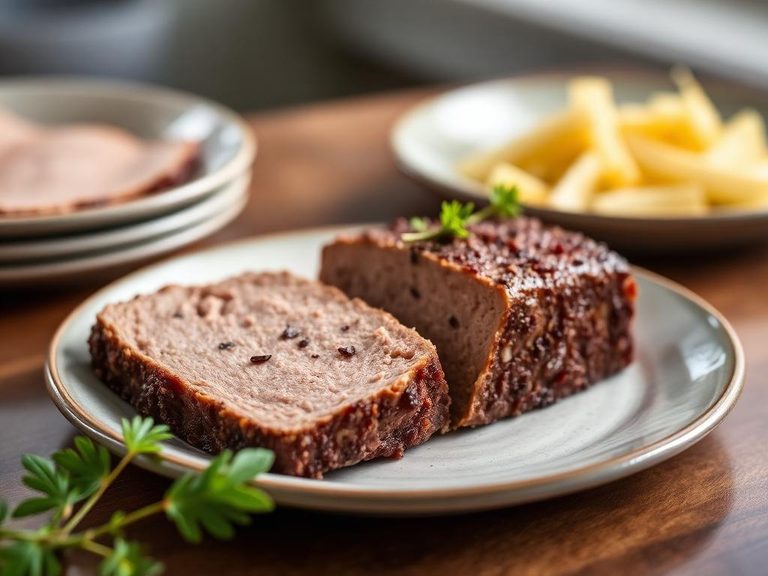
Beef spleen, when braised, transforms from a dense, iron-rich organ into a surprisingly tender, mild-flavored meat with a texture akin to well-cooked liver or lean roast beef. Its nutrition profile is exceptionally lean, offering a massive protein punch (25.1g per 100g) with virtually no carbohydrates or sugar, making it a powerhouse for low-carb and high-protein diets. The cooking method of braising is key, as it breaks down the connective tissue, resulting in a succulent, earthy bite that is far more palatable than its raw state.
Calorie split: 73% protein · 0% carbs · 27% fat
↓ Full nutrition💚 Why it's loved
People love braised beef spleen for its unique, rich umami flavor that is less intense than liver but more complex than standard muscle meat. It's prized in many cultures as a deeply nourishing, versatile ingredient that can be sliced thin for sandwiches, added to stews, or served as a hearty main course.
⚠️ Watch-outs & how to enjoy it better
Some may find the texture or the thought of eating organ meat off-putting, and its strong, mineral-rich flavor can be an acquired taste. To counteract this, ensure it's braised slowly with aromatic vegetables (like onions, carrots, and herbs) to mellow the flavor, and start with small portions to acclimate your palate. Also, be mindful of its high cholesterol content if that is a concern, and pair it with fiber-rich vegetables to balance the meal.
Key benefits
- Extremely high in protein with virtually zero carbohydrates or sugar.
- Rich in bioavailable heme iron, which is crucial for oxygen transport in the blood.
- Good source of essential minerals like zinc and selenium.
- Very lean, with only 4.2g of fat per 100g serving.
- A nutrient-dense organ meat that supports overall metabolic health.
🍽️ Popular dishes
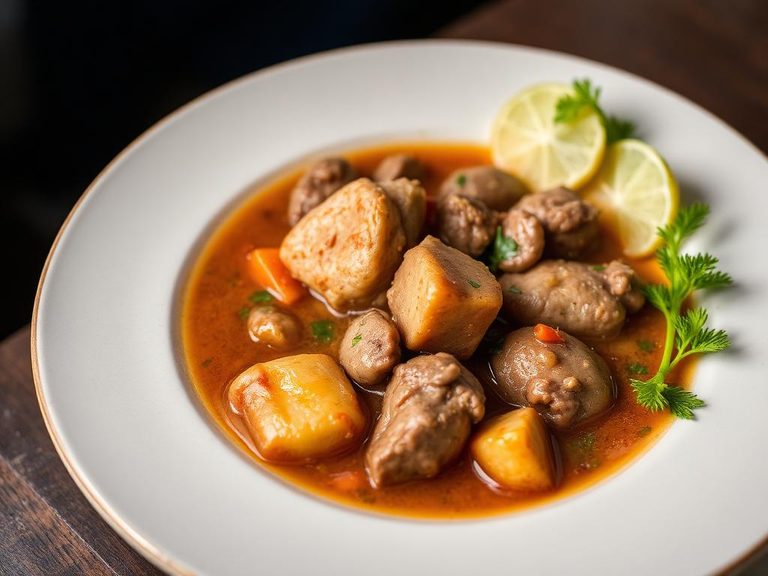
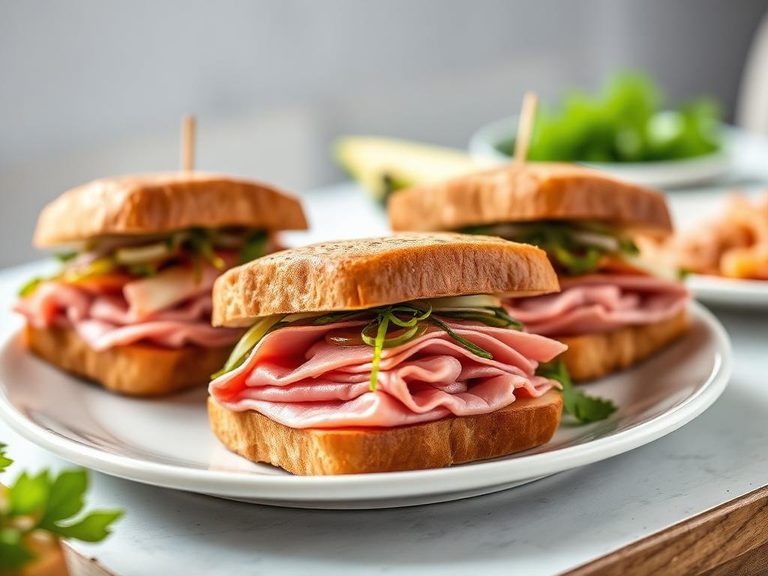
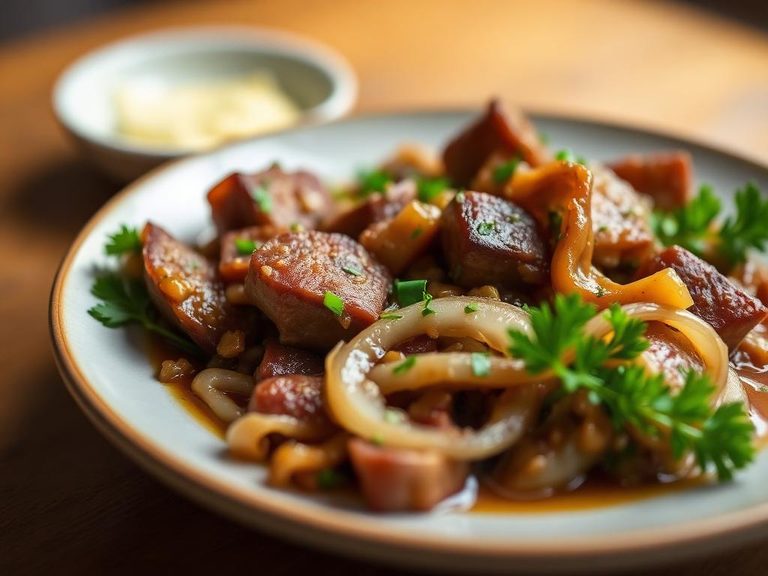
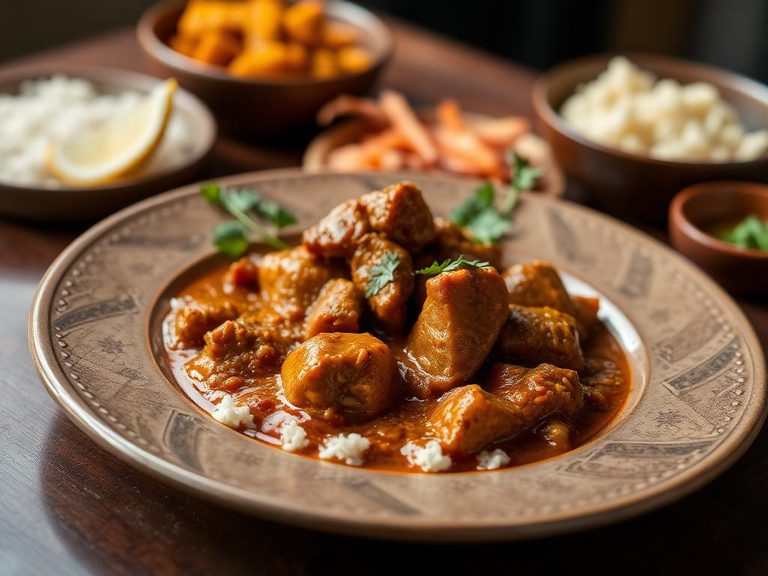
🌍 Where it's eaten
💡 Did you know?
Beef spleen is sometimes called 'the blood's filter' because its primary function is to filter blood and recycle old red blood cells, which is why it's so exceptionally rich in iron.
Full nutrition (USDA data · scales with serving)
| Water | 70.0 g |
| Energy | 145 kcal |
| Energy | 607 kj |
| Protein | 25.1 g |
| Total lipid (fat) | 4.2 g |
| Ash | 1.6 g |
| Carbohydrate, by difference | 0.00 g |
| Fiber, total dietary | 0.00 g |
| Calcium, Ca | 12.0 mg |
| Iron, Fe | 39.4 mg |
| Magnesium, Mg | 19.0 mg |
| Phosphorus, P | 305 mg |
| Potassium, K | 284 mg |
| Sodium, Na | 57.0 mg |
| Zinc, Zn | 2.8 mg |
| Copper, Cu | 0.92 mg |
| Manganese, Mn | 0.07 mg |
| Selenium, Se | 91.4 ug |
| Vitamin C, total ascorbic acid | 50.3 mg |
| Thiamin | 0.05 mg |
| Riboflavin | 0.30 mg |
| Niacin | 5.6 mg |
| Pantothenic acid | 0.88 mg |
| Vitamin B-6 | 0.04 mg |
| Folate, total | 4.0 ug |
| Folic acid | 0.00 ug |
| Folate, food | 4.0 ug |
| Folate, DFE | 4.0 ug |
| Vitamin B-12 | 5.0 ug |
| Vitamin A, RAE | 0.00 ug |
| Retinol | 0.00 ug |
| Vitamin A, IU | 0.00 iu |
Fat & fatty acid profile (per 100g)
| Fatty acids, total saturated | 1.4 g |
| SFA 4:0 | 0.00 g |
| SFA 6:0 | 0.00 g |
| SFA 8:0 | 0.00 g |
| SFA 10:0 | 0.00 g |
| SFA 12:0 | 0.02 g |
| SFA 14:0 | 0.10 g |
| SFA 16:0 | 0.75 g |
| SFA 18:0 | 0.54 g |
| Fatty acids, total monounsaturated | 1.1 g |
| MUFA 16:1 | 0.16 g |
| MUFA 18:1 | 0.96 g |
| MUFA 20:1 | 0.00 g |
| MUFA 22:1 | 0.00 g |
| Fatty acids, total polyunsaturated | 0.31 g |
| PUFA 18:2 | 0.31 g |
| PUFA 18:3 | 0.00 g |
| PUFA 18:4 | 0.00 g |
| PUFA 20:4 | 0.00 g |
| PUFA 20:5 n-3 (EPA) | 0.00 g |
| PUFA 22:5 n-3 (DPA) | 0.00 g |
| PUFA 22:6 n-3 (DHA) | 0.00 g |
| Cholesterol | 347 mg |
| Phytosterols | 0.00 mg |
Amino acid profile (per 100g)
| Tryptophan | 0.26 g |
| Threonine | 0.99 g |
| Isoleucine | 0.97 g |
| Leucine | 2.2 g |
| Lysine | 1.8 g |
| Methionine | 0.46 g |
| Cystine | 0.73 g |
| Phenylalanine | 1.0 g |
| Tyrosine | 0.71 g |
| Valine | 1.5 g |
| Arginine | 1.5 g |
| Histidine | 0.90 g |
| Alanine | 1.9 g |
| Aspartic acid | 1.8 g |
| Glutamic acid | 2.3 g |
| Glycine | 1.5 g |
| Proline | 1.5 g |
| Serine | 0.87 g |
FAQ
How does the taste of beef spleen compare to other organ meats?
Beef spleen has a milder, less metallic flavor than liver, with a texture that's denser than heart but more tender than kidney when braised. It's often described as having a rich, earthy, and slightly sweet taste.
Is beef spleen safe to eat raw?
While some cultures consume raw spleen, it's generally recommended to cook it thoroughly, especially braising, to ensure safety and to improve its texture and flavor.
Can beef spleen be part of a keto diet?
Absolutely. With 0g carbs and 0g sugar per 100g, it's an ideal protein source for ketogenic and low-carb diets.
Nutrient density (calculated · NRF9.3)
Nutrient Rich Foods index: beneficial nutrients (protein, fiber, vitamins, minerals) minus saturated fat, added sugar & sodium, per 100 kcal.
NRF9.3 index — Fulgoni, Keast & Drewnowski, 2009. Computed from USDA nutrients.
Weight-loss friendliness (composite index)
Energy density 1.45 kcal/g · 69% calories from protein · 0.0 g fiber · 0.0 g sugar per 100 g.
Composite of energy density (Rolls et al., 1999), protein & fiber satiety, minus sugar. A calculated heuristic — ranks satiety-per-calorie, not a clinical measure.
Dietary load (calculated from USDA values)
Potential renal acid load. Positive = acid-forming, negative = alkaline-forming.
Sodium-to-potassium ratio: 0.20 (lower is better — aim for ≤ 1)
Sodium:potassium per WHO potassium guidance. Computed from USDA nutrients.