

Beef, Australian, imported, Wagyu, loin, top loin steak/roast, separable lean and fat, Aust. marble score 9, raw
Whole food · Beef Products

Photo: Wikipedia
This is a premium cut of Australian Wagyu beef from the loin, specifically the top loin, with an exceptionally high marbling score of 9. Its raw state reveals a dense network of intramuscular fat, promising a buttery, rich flavor and a melt-in-the-mouth texture once cooked. Nutritionally, it is a calorie-dense source of protein and fat, with virtually no carbohydrates.
Calorie split: 15% protein · 0% carbs · 85% fat
↓ Full nutrition💚 Why it's loved
People love it for its unparalleled, buttery richness and tender, succulent texture that defines luxury beef. It's prized for its ability to deliver a deeply savory, umami-packed flavor experience that feels like a special occasion.
⚠️ Watch-outs & how to enjoy it better
The high fat content makes it very calorie-dense and expensive, so it's best enjoyed in moderation. Those managing saturated fat intake or specific dietary goals should be cautious. Tip: Pair with large portions of fibrous vegetables (like roasted asparagus or a bitter green salad) to add volume and nutrients without excessive calories, and practice strict portion control.
Key benefits
- Exceptionally high in monounsaturated fats (oleic acid)
- Rich source of complete protein for muscle maintenance
- Contains conjugated linoleic acid (CLA), a naturally occurring fatty acid
- Provides essential minerals like zinc and B vitamins, especially B12
🍽️ Popular dishes
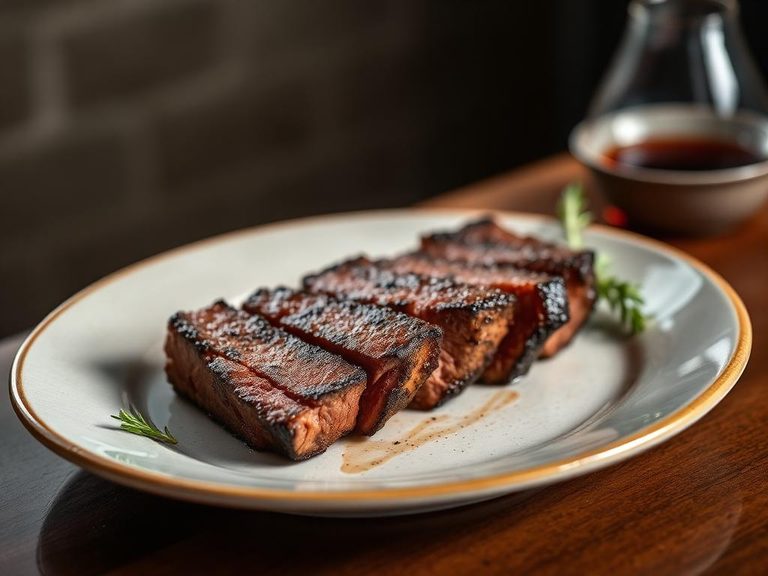
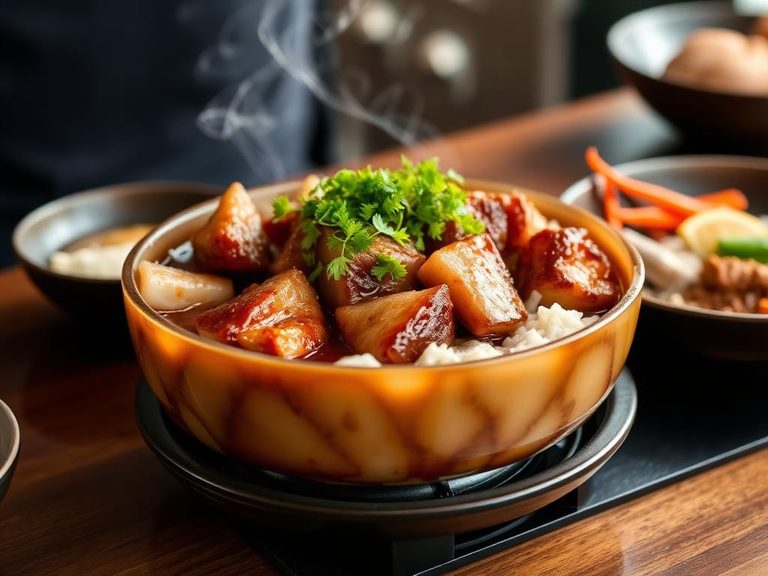
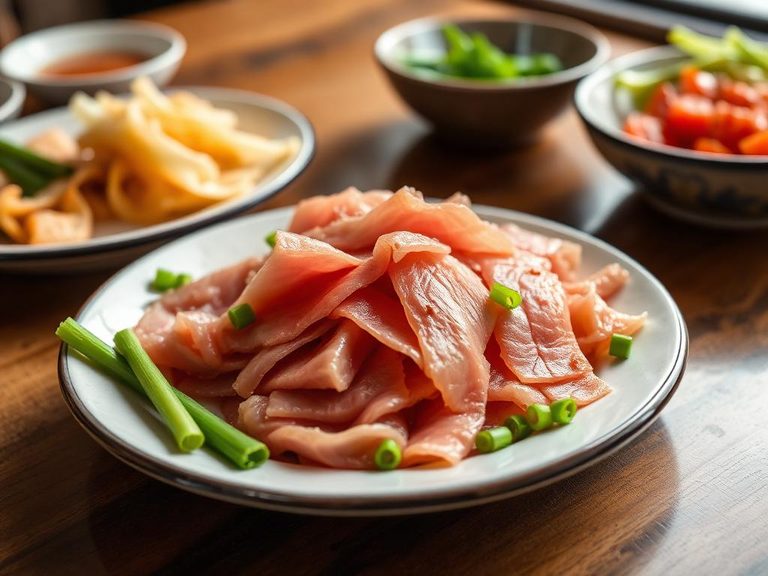
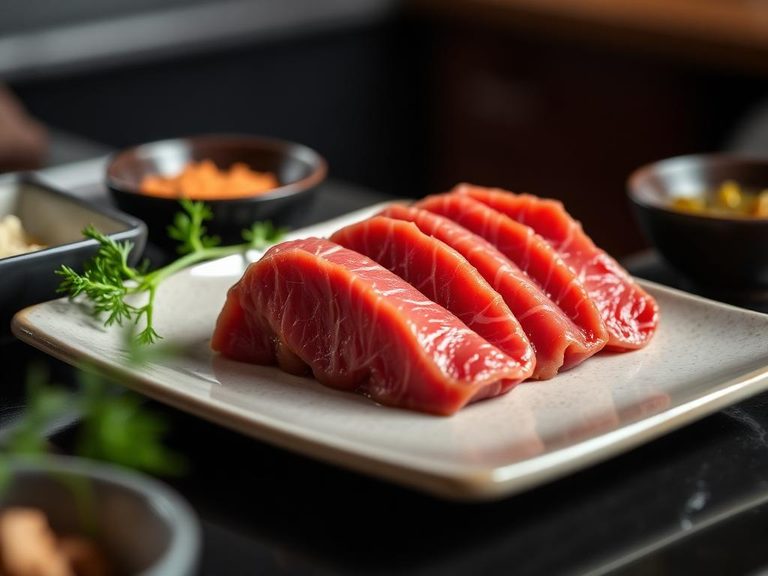
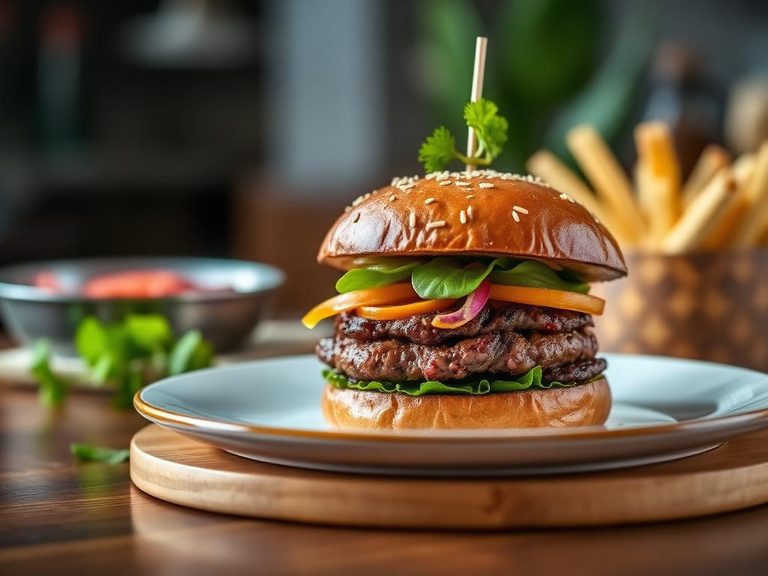
🌍 Where it's eaten
💡 Did you know?
The marbling score of 9 is near the top of the Australian Wagyu scale (which goes to 9+), meaning this steak has more intramuscular fat than lean muscle in some areas, a characteristic that fundamentally changes its cooking time and method.
Full nutrition (USDA data · scales with serving)
| Water | 47.7 g |
| Energy | 392 kcal |
| Energy | 1640 kj |
| Protein | 14.6 g |
| Total lipid (fat) | 37.0 g |
| Ash | 0.61 g |
| Carbohydrate, by difference | 0.14 g |
| Fiber, total dietary | 0.00 g |
| Total Sugars | 0.00 g |
| Sucrose | 0.00 g |
| Glucose | 0.00 g |
| Fructose | 0.00 g |
| Lactose | 0.00 g |
| Maltose | 0.00 g |
| Galactose | 0.00 g |
| Calcium, Ca | 4.0 mg |
| Iron, Fe | 1.5 mg |
| Sodium, Na | 61.0 mg |
| Vitamin C, total ascorbic acid | 0.00 mg |
| Vitamin A, RAE | 4.0 ug |
| Retinol | 4.0 ug |
| Carotene, beta | 0.00 ug |
| Carotene, alpha | 0.00 ug |
| Cryptoxanthin, beta | 0.00 ug |
| Vitamin A, IU | 15.0 iu |
| Lycopene | 0.00 ug |
| Lutein + zeaxanthin | 0.00 ug |
| Alcohol, ethyl | 0.00 g |
| Caffeine | 0.00 mg |
| Theobromine | 0.00 mg |
Fat & fatty acid profile (per 100g)
| Fatty acids, total saturated | 12.8 g |
| SFA 4:0 | 0.00 g |
| SFA 6:0 | 0.00 g |
| SFA 8:0 | 0.00 g |
| SFA 10:0 | 0.01 g |
| SFA 12:0 | 0.02 g |
| SFA 14:0 | 0.98 g |
| SFA 15:0 | 0.13 g |
| SFA 16:0 | 8.0 g |
| SFA 17:0 | 0.30 g |
| SFA 18:0 | 3.3 g |
| SFA 20:0 | 0.02 g |
| SFA 22:0 | 0.01 g |
| SFA 24:0 | 0.00 g |
| Fatty acids, total monounsaturated | 19.5 g |
| MUFA 14:1 | 0.39 g |
| MUFA 16:1 | 1.6 g |
| MUFA 18:1 | 17.3 g |
| MUFA 18:1-11 t (18:1t n-7) | 0.40 g |
| MUFA 20:1 | 0.11 g |
| Fatty acids, total polyunsaturated | 1.3 g |
| PUFA 18:2 | 1.2 g |
| PUFA 18:3 | 0.10 g |
| PUFA 18:4 | 0.00 g |
| PUFA 20:2 n-6 c,c | 0.01 g |
| PUFA 20:3 | 0.00 g |
| PUFA 20:4 | 0.04 g |
| PUFA 20:5 n-3 (EPA) | 0.01 g |
| PUFA 22:5 n-3 (DPA) | 0.01 g |
| Fatty acids, total trans | 1.3 g |
| Cholesterol | 68.0 mg |
Amino acid profile (per 100g)
| Tryptophan | 0.15 g |
| Threonine | 0.61 g |
| Isoleucine | 0.59 g |
| Leucine | 1.1 g |
| Lysine | 1.2 g |
| Methionine | 0.39 g |
| Cystine | 0.14 g |
| Phenylalanine | 0.53 g |
| Tyrosine | 0.48 g |
| Valine | 0.62 g |
| Arginine | 0.91 g |
| Histidine | 0.45 g |
| Alanine | 0.78 g |
| Aspartic acid | 1.2 g |
| Glutamic acid | 2.2 g |
| Glycine | 0.60 g |
| Proline | 0.56 g |
| Serine | 0.53 g |
| Hydroxyproline | 0.07 g |
FAQ
How should I cook this high-marbling cut?
Use high heat for a short time. A screaming-hot cast iron skillet or grill is ideal. Sear quickly on each side to caramelize the fat without overcooking the interior, aiming for medium-rare to medium (130-140°F / 54-60°C) to prevent the abundant fat from rendering out completely and drying the meat.
Is the high fat content unhealthy?
A significant portion of Wagyu fat is monounsaturated (the 'good' fat found in olive oil), but it is still high in calories and saturated fat. Enjoy it as an occasional luxury, not a daily staple, and balance it with lean proteins and vegetables in your overall diet.
What's the difference between Wagyu and regular beef?
Wagyu refers to specific breeds of cattle (like Japanese Black) known for their genetic predisposition to intense marbling. This intramuscular fat, measured by a marbling score, creates a distinctively rich flavor, tenderness, and higher price point compared to most conventional beef.
Nutrient density (calculated · NRF9.3)
Nutrient Rich Foods index: beneficial nutrients (protein, fiber, vitamins, minerals) minus saturated fat, added sugar & sodium, per 100 kcal.
NRF9.3 index — Fulgoni, Keast & Drewnowski, 2009. Computed from USDA nutrients.
Weight-loss friendliness (composite index)
Energy density 3.92 kcal/g · 15% calories from protein · 0.0 g fiber · 0.0 g sugar per 100 g.
Composite of energy density (Rolls et al., 1999), protein & fiber satiety, minus sugar. A calculated heuristic — ranks satiety-per-calorie, not a clinical measure.