

Water, baby
Common food

Photo: Wikipedia
The universal solvent, a tasteless, odorless liquid essential for all known forms of life. Its texture is thin and fluid, ranging from cool and refreshing to hot and soothing. Nutritionally, it provides zero calories but is the fundamental medium for all bodily processes, including nutrient transport and temperature regulation.
💚 Why it's loved
People love water for its pure, clean refreshment that quenches thirst like nothing else. It is the ultimate versatile base, forming the foundation of countless beverages, soups, and cooking liquids across every global cuisine.
⚠️ Watch-outs & how to enjoy it better
While essential, overconsumption in a short period can lead to hyponatremia (dangerously low sodium levels). For those with certain kidney or heart conditions, fluid intake may need to be monitored. A simple tip is to drink steadily throughout the day rather than gulping large amounts at once, and to listen to your body's thirst signals.
Key benefits
- Essential for cellular function and metabolism
- Regulates body temperature through sweat
- Lubricates joints and cushions organs
- Aids digestion and prevents constipation
- Supports cognitive function and concentration
🍽️ Popular dishes
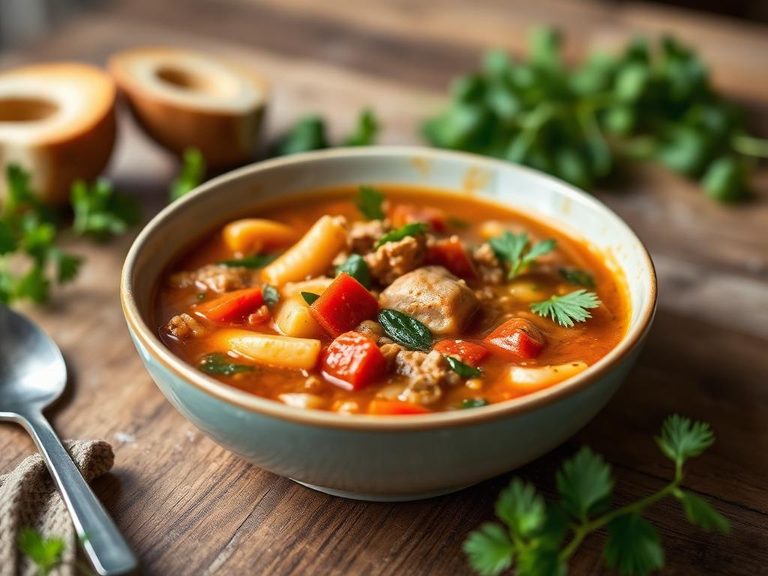
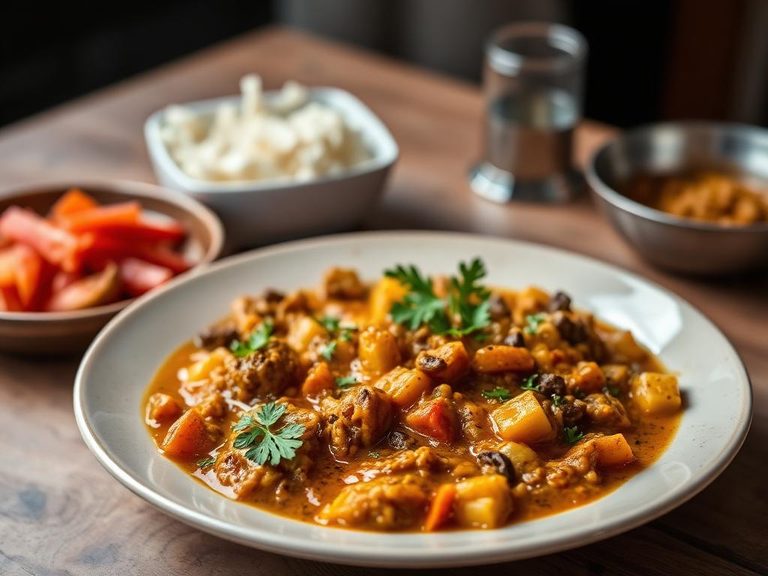
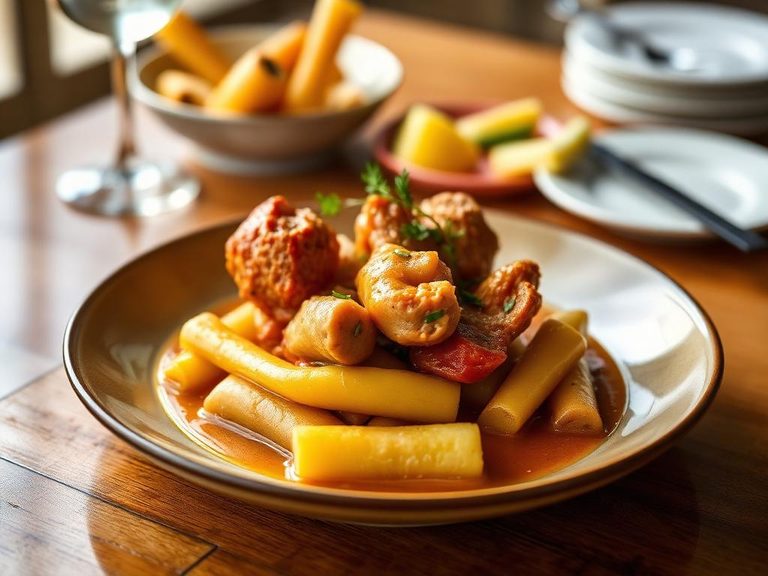
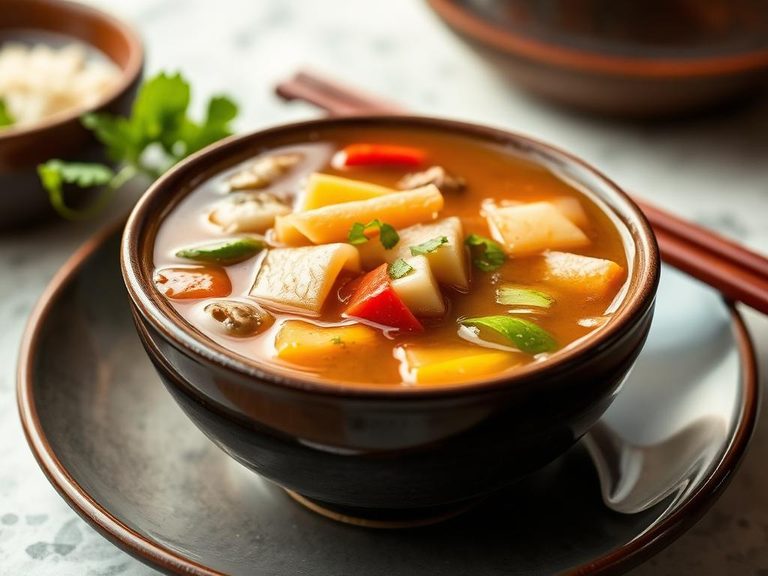
🌍 Where it's eaten
💡 Did you know?
Hot water can freeze faster than cold water under certain conditions, a counterintuitive phenomenon known as the Mpemba effect, named after a Tanzanian student who popularized the observation in 1963.
Full nutrition (USDA data · scales with serving)
| Water | 99.9 g |
| Energy | 0.00 kcal |
| Protein | 0.00 g |
| Total lipid (fat) | 0.00 g |
| Carbohydrate, by difference | 0.00 g |
| Fiber, total dietary | 0.00 g |
| Total Sugars | 0.00 g |
| Calcium, Ca | 0.00 mg |
| Iron, Fe | 0.00 mg |
| Magnesium, Mg | 0.00 mg |
| Phosphorus, P | 0.00 mg |
| Potassium, K | 0.00 mg |
| Sodium, Na | 0.00 mg |
| Zinc, Zn | 0.00 mg |
| Copper, Cu | 0.00 mg |
| Selenium, Se | 0.00 ug |
| Vitamin C, total ascorbic acid | 0.00 mg |
| Thiamin | 0.00 mg |
| Riboflavin | 0.00 mg |
| Niacin | 0.00 mg |
| Vitamin B-6 | 0.00 mg |
| Folate, total | 0.00 ug |
| Folic acid | 0.00 ug |
| Folate, food | 0.00 ug |
| Folate, DFE | 0.00 ug |
| Choline, total | 0.00 mg |
| Vitamin B-12 | 0.00 ug |
| Vitamin B-12, added | 0.00 ug |
| Vitamin A, RAE | 0.00 ug |
| Retinol | 0.00 ug |
| Carotene, beta | 0.00 ug |
| Carotene, alpha | 0.00 ug |
| Cryptoxanthin, beta | 0.00 ug |
| Lycopene | 0.00 ug |
| Lutein + zeaxanthin | 0.00 ug |
| Vitamin E (alpha-tocopherol) | 0.00 mg |
| Vitamin E, added | 0.00 mg |
| Vitamin D (D2 + D3) | 0.00 ug |
| Vitamin K (phylloquinone) | 0.00 ug |
| Alcohol, ethyl | 0.00 g |
| Caffeine | 0.00 mg |
| Theobromine | 0.00 mg |
Fat & fatty acid profile (per 100g)
| Fatty acids, total saturated | 0.00 g |
| SFA 4:0 | 0.00 g |
| SFA 6:0 | 0.00 g |
| SFA 8:0 | 0.00 g |
| SFA 10:0 | 0.00 g |
| SFA 12:0 | 0.00 g |
| SFA 14:0 | 0.00 g |
| SFA 16:0 | 0.00 g |
| SFA 18:0 | 0.00 g |
| Fatty acids, total monounsaturated | 0.00 g |
| MUFA 16:1 | 0.00 g |
| MUFA 18:1 | 0.00 g |
| MUFA 20:1 | 0.00 g |
| MUFA 22:1 | 0.00 g |
| Fatty acids, total polyunsaturated | 0.00 g |
| PUFA 18:2 | 0.00 g |
| PUFA 18:3 | 0.00 g |
| PUFA 18:4 | 0.00 g |
| PUFA 20:4 | 0.00 g |
| PUFA 20:5 n-3 (EPA) | 0.00 g |
| PUFA 22:5 n-3 (DPA) | 0.00 g |
| PUFA 22:6 n-3 (DHA) | 0.00 g |
| Cholesterol | 0.00 mg |
Amino acid profile (per 100g)
Estimated from Babyfood, grape juice, no sugar, canned — USDA does not publish this profile for Water.
| Threonine | 0.02 g |
| Isoleucine | 0.01 g |
| Leucine | 0.02 g |
| Lysine | 0.02 g |
| Methionine | 0.03 g |
| Cystine | 0.01 g |
| Phenylalanine | 0.02 g |
| Tyrosine | 0.02 g |
| Valine | 0.02 g |
| Arginine | 0.06 g |
| Histidine | 0.03 g |
| Alanine | 0.04 g |
| Aspartic acid | 0.10 g |
| Glutamic acid | 0.18 g |
| Glycine | 0.03 g |
| Proline | 0.03 g |
| Serine | 0.04 g |
FAQ
Is it true that you need to drink eight glasses of water a day?
The '8x8 rule' (eight 8-ounce glasses) is a popular guideline but not a strict scientific requirement. Needs vary based on activity, climate, diet, and individual health. A good indicator is urine color—pale yellow suggests adequate hydration.
Can you drink too much water?
Yes, in extreme cases. Drinking excessive amounts rapidly can dilute blood sodium levels, leading to a dangerous condition called hyponatremia. This is most common in endurance athletes who overhydrate without replacing electrolytes.
Is bottled water safer than tap water?
In most developed countries, tap water is strictly regulated and safe to drink. Bottled water is often just filtered tap water. The choice may come down to taste preference, local water quality, or environmental considerations regarding plastic waste.
Dietary load (calculated from USDA values)
Potential renal acid load. Positive = acid-forming, negative = alkaline-forming.
Sodium:potassium per WHO potassium guidance. Computed from USDA nutrients.