

Tomato powder
Whole food · Vegetables and Vegetable Products
Tomato powder is a vibrant, finely milled condiment made from dehydrated tomatoes, delivering an intense, concentrated burst of umami-rich, sweet-tart tomato flavor. Its texture is a light, free-flowing powder that instantly dissolves or rehydrates, making it a potent flavor booster. Nutritionally, it's a standout for its exceptionally high fiber content and significant plant-based protein, all while being virtually fat-free.
Calorie split: 15% protein · 84% carbs · 1% fat
↓ Full nutrition💚 Why it's loved
People love tomato powder for its unparalleled convenience and flavor power, allowing them to instantly deepen sauces, stews, and seasonings with authentic tomato essence. It's a secret weapon for adding a rich, savory depth and vibrant color to dishes without the bulk or moisture of fresh or canned tomatoes.
⚠️ Watch-outs & how to enjoy it better
The intense concentration can lead to a high natural sugar content, which may cause blood sugar spikes if used excessively. Some commercial powders may contain added sodium. To counteract, use it sparingly as a seasoning rather than a base, pair it with protein or healthy fats in your dish, and always check labels for low-sodium versions.
Key benefits
- Concentrated source of lycopene, a potent antioxidant.
- High in dietary fiber, supporting digestive health.
- Provides a significant boost of plant-based protein.
- Offers intense tomato flavor without added fats or oils.
- Long shelf life and versatile for instant use.
🍽️ Popular dishes
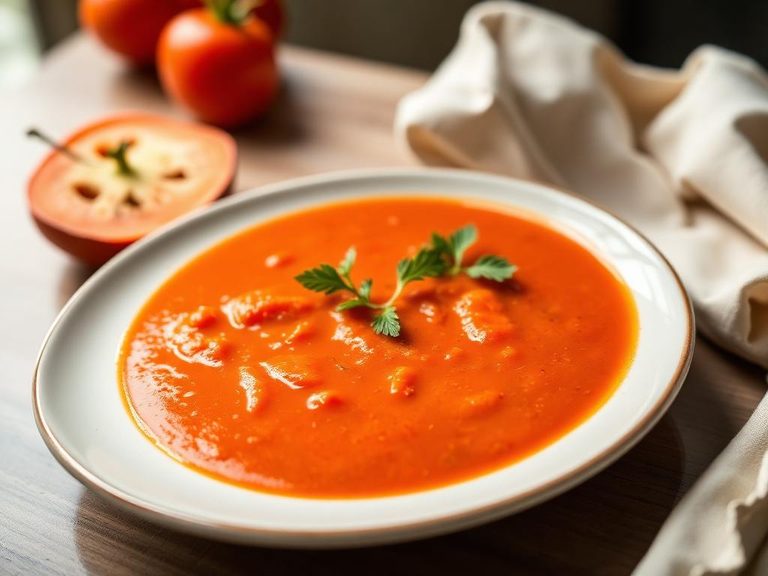
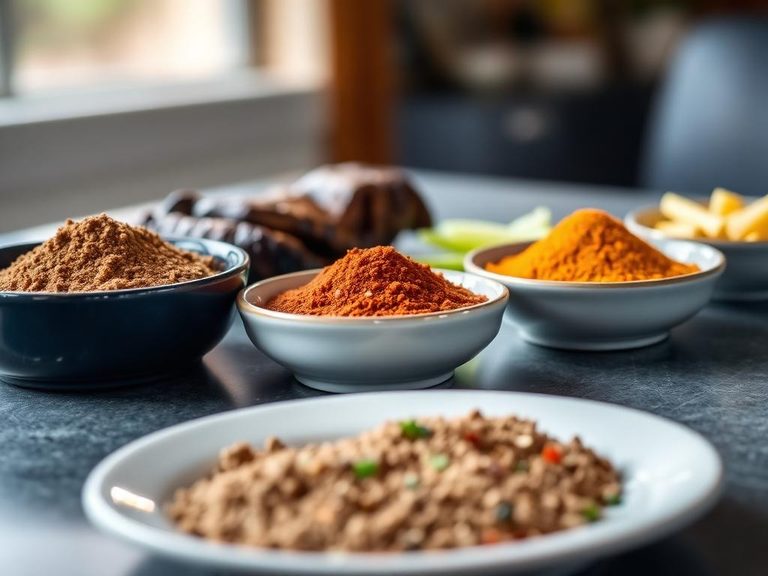
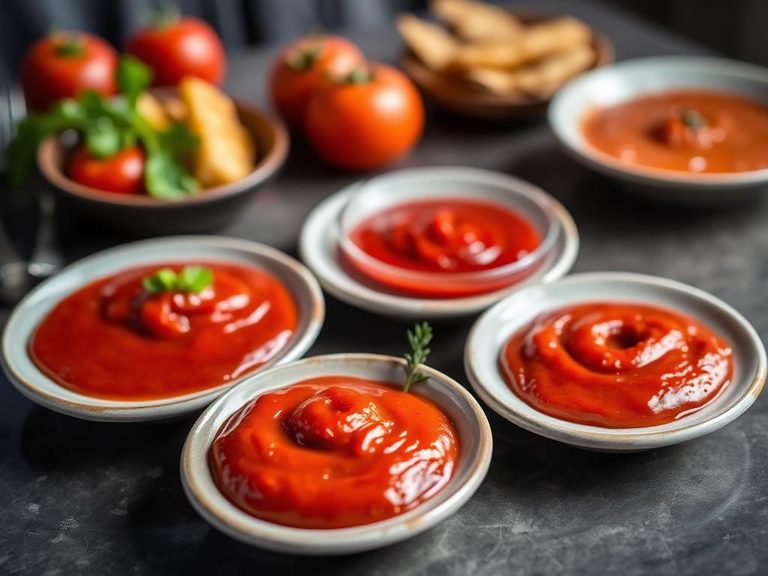
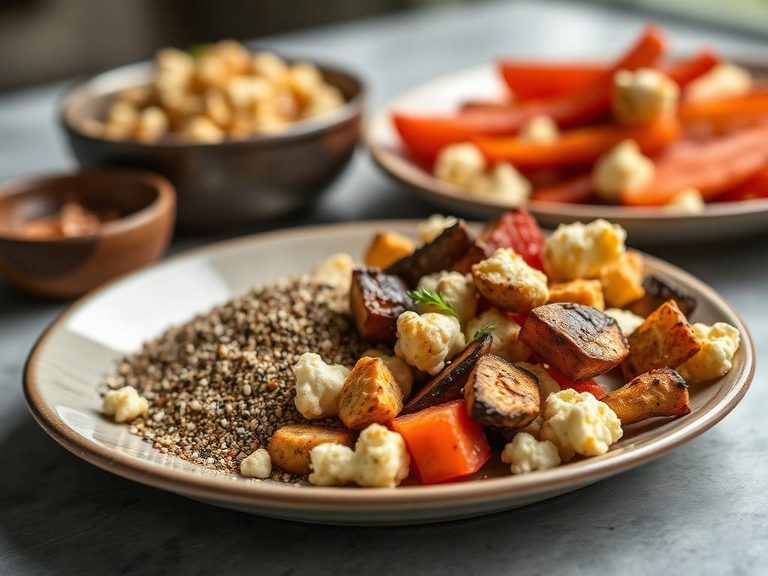
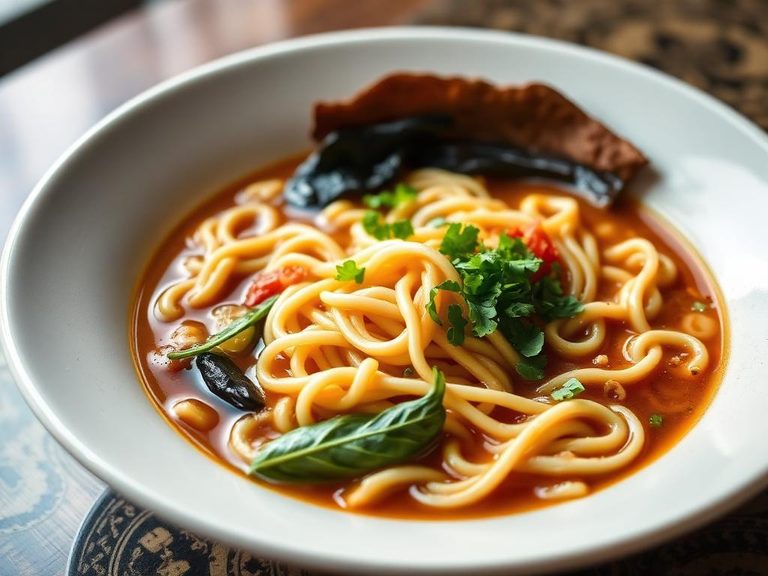
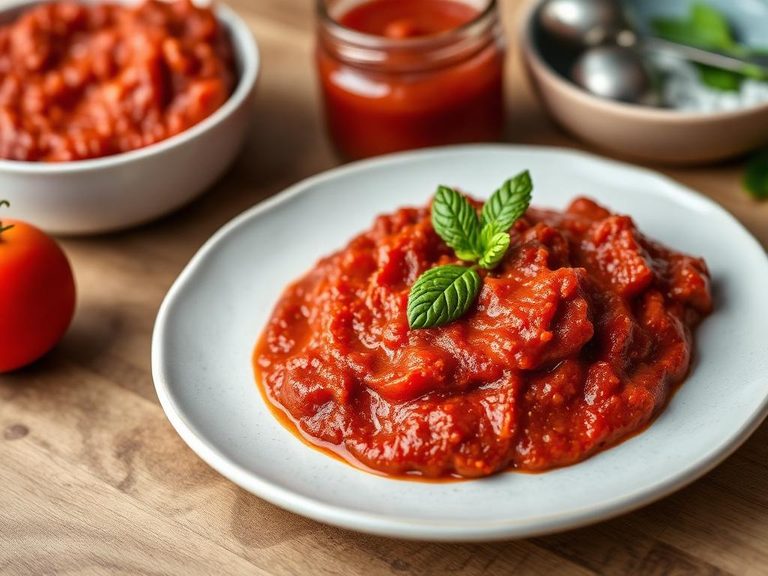
🌍 Where it's eaten
💡 Did you know?
Tomato powder is a favorite among astronauts and backpackers because it provides the taste and nutrition of tomatoes in a lightweight, non-perishable form that requires no refrigeration.
Full nutrition (USDA data · scales with serving)
| Water | 3.1 g |
| Energy | 302 kcal |
| Energy | 1263 kj |
| Protein | 12.9 g |
| Total lipid (fat) | 0.44 g |
| Ash | 8.9 g |
| Carbohydrate, by difference | 74.7 g |
| Fiber, total dietary | 16.5 g |
| Total Sugars | 43.9 g |
| Calcium, Ca | 166 mg |
| Iron, Fe | 4.6 mg |
| Magnesium, Mg | 178 mg |
| Phosphorus, P | 295 mg |
| Potassium, K | 1927 mg |
| Sodium, Na | 134 mg |
| Zinc, Zn | 1.7 mg |
| Copper, Cu | 1.2 mg |
| Manganese, Mn | 2.0 mg |
| Selenium, Se | 5.3 ug |
| Vitamin C, total ascorbic acid | 117 mg |
| Thiamin | 0.91 mg |
| Riboflavin | 0.76 mg |
| Niacin | 9.1 mg |
| Pantothenic acid | 3.8 mg |
| Vitamin B-6 | 0.46 mg |
| Folate, total | 120 ug |
| Folic acid | 0.00 ug |
| Folate, food | 120 ug |
| Folate, DFE | 120 ug |
| Vitamin B-12 | 0.00 ug |
| Vitamin B-12, added | 0.00 ug |
| Vitamin A, RAE | 862 ug |
| Retinol | 0.00 ug |
| Carotene, beta | 10348 ug |
| Carotene, alpha | 0.00 ug |
| Cryptoxanthin, beta | 0.00 ug |
| Vitamin A, IU | 17247 iu |
| Lycopene | 46260 ug |
| Lutein + zeaxanthin | 1370 ug |
| Vitamin E (alpha-tocopherol) | 12.3 mg |
| Vitamin E, added | 0.00 mg |
| Vitamin D (D2 + D3), International Units | 0.00 iu |
| Vitamin D (D2 + D3) | 0.00 ug |
| Vitamin K (phylloquinone) | 48.8 ug |
| Alcohol, ethyl | 0.00 g |
Fat & fatty acid profile (per 100g)
| Fatty acids, total saturated | 0.06 g |
| SFA 14:0 | 0.00 g |
| SFA 16:0 | 0.04 g |
| SFA 18:0 | 0.02 g |
| Fatty acids, total monounsaturated | 0.07 g |
| MUFA 16:1 | 0.00 g |
| MUFA 18:1 | 0.07 g |
| MUFA 20:1 | 0.00 g |
| Fatty acids, total polyunsaturated | 0.18 g |
| PUFA 18:2 | 0.17 g |
| PUFA 18:3 | 0.01 g |
| Fatty acids, total trans | 0.00 g |
| Cholesterol | 0.00 mg |
Amino acid profile (per 100g)
| Tryptophan | 0.09 g |
| Threonine | 0.29 g |
| Isoleucine | 0.25 g |
| Leucine | 0.36 g |
| Lysine | 0.37 g |
| Methionine | 0.07 g |
| Cystine | 0.08 g |
| Phenylalanine | 0.27 g |
| Tyrosine | 0.17 g |
| Valine | 0.26 g |
| Arginine | 0.26 g |
| Histidine | 0.20 g |
| Alanine | 0.41 g |
| Aspartic acid | 1.6 g |
| Glutamic acid | 5.2 g |
| Glycine | 0.21 g |
| Proline | 0.28 g |
| Serine | 0.31 g |
FAQ
How do I rehydrate tomato powder?
Mix 1 part powder with 3-4 parts warm water or broth, stirring until smooth. Let it sit for a few minutes to fully hydrate. Adjust the ratio for a thicker paste or thinner sauce.
Can I use it in baking?
Yes, it can add moisture, color, and a subtle tang to savory baked goods like breads, crackers, or savory muffins. Start with 1-2 teaspoons per cup of flour.
Is it the same as tomato flakes or dried tomatoes?
No. Tomato powder is fully dehydrated and ground into a fine flour-like consistency for instant dissolution. Flakes or sun-dried tomatoes retain texture and require rehydration or cooking.
Nutrient density (calculated · NRF9.3)
Nutrient Rich Foods index: beneficial nutrients (protein, fiber, vitamins, minerals) minus saturated fat, added sugar & sodium, per 100 kcal.
NRF9.3 index — Fulgoni, Keast & Drewnowski, 2009. Computed from USDA nutrients.
Weight-loss friendliness (composite index)
Energy density 3.02 kcal/g · 17% calories from protein · 16.5 g fiber · 43.9 g sugar per 100 g.
Composite of energy density (Rolls et al., 1999), protein & fiber satiety, minus sugar. A calculated heuristic — ranks satiety-per-calorie, not a clinical measure.
Dietary load (calculated from USDA values)
Potential renal acid load. Positive = acid-forming, negative = alkaline-forming.
Sodium-to-potassium ratio: 0.07 (lower is better — aim for ≤ 1)
Sodium:potassium per WHO potassium guidance. Computed from USDA nutrients.