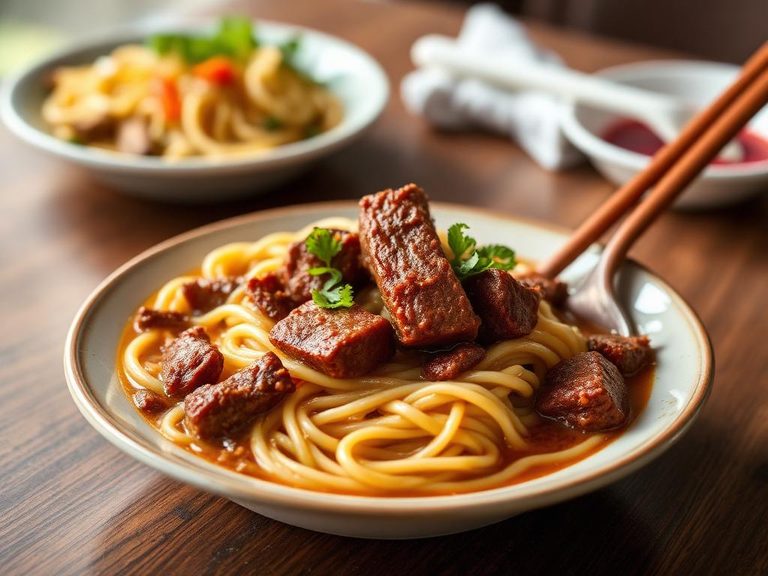
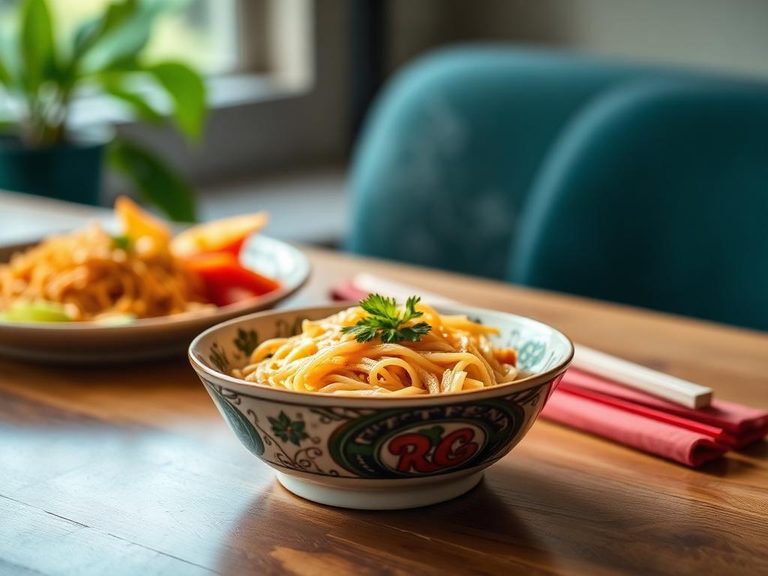
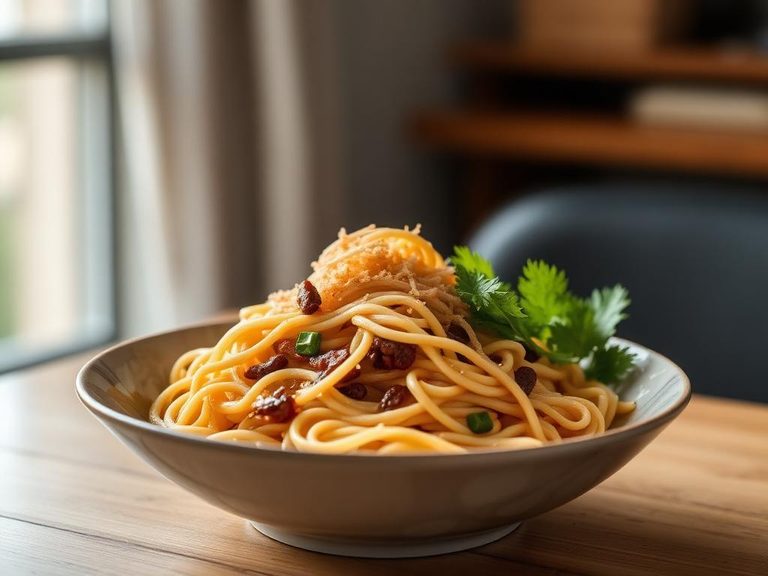
Instant Ramen or Broth Enhancer
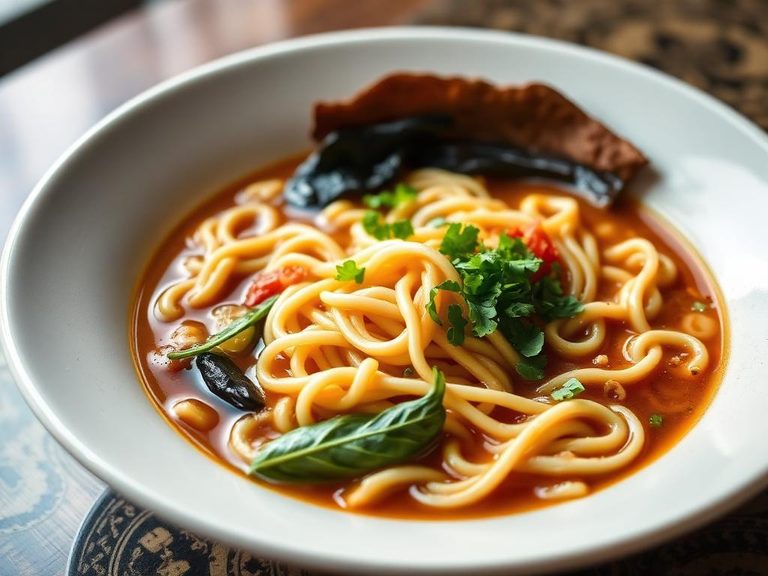
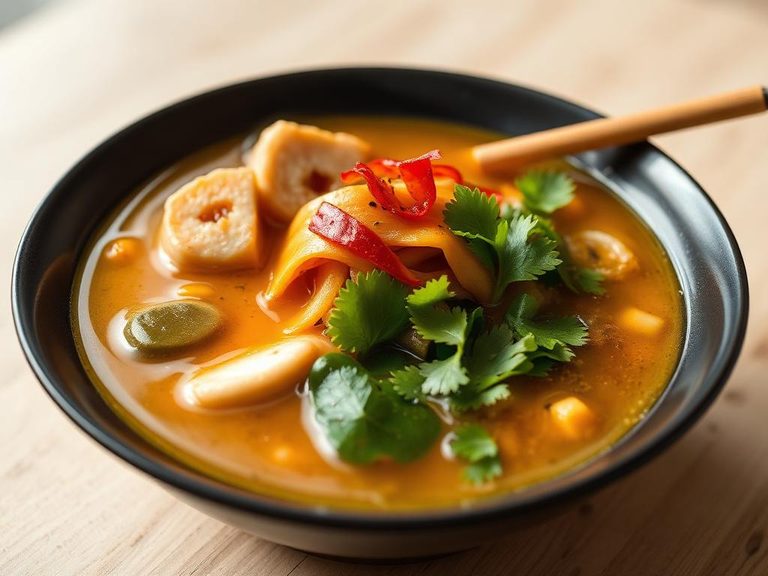
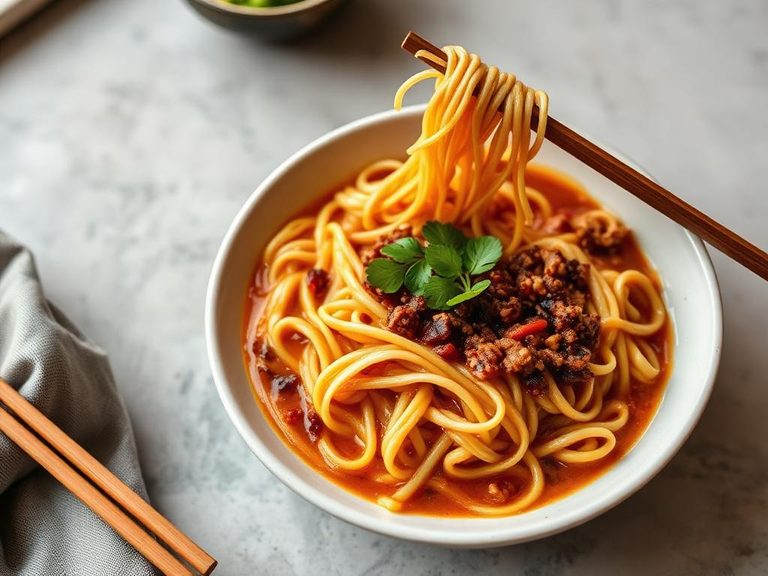
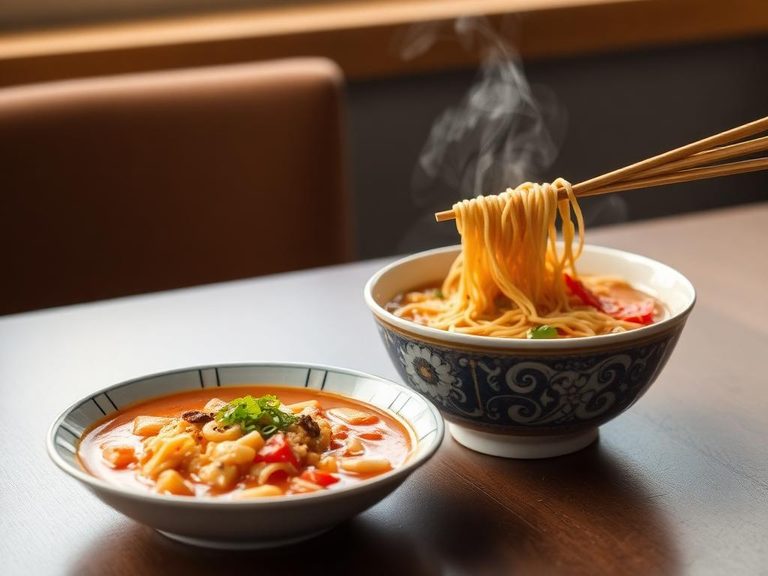
Instant ramen is a quick-cooking noodle dish originating from Japan, typically consisting of wheat noodles and a flavor packet containing broth, seasonings, and dehydrated vegetables. It has evolved into a global pantry staple, often enhanced with fresh ingredients like eggs, vegetables, or proteins to create a more complete meal.
🍽️ Nutrition at a glance
A standard serving is high in carbohydrates and sodium, with moderate fat and minimal protein. It provides a quick energy source and some B vitamins, but is generally low in fiber and essential micronutrients without additions.
Nutrition breakdown
| Calories | 380 kcal |
| Protein | 10 g |
| Carbs | 52 g |
| Fat | 14 g |
| Fiber | 2 g |
| Sugar | 2 g |
| Sodium | 1500 mg |
| Iron | 3.6 mg |
| Niacin (B3) | 8 mg |
| Thiamin (B1) | 0.5 mg |
| Folate | 120 mcg |
| Potassium | 200 mg |
| Phosphorus | 150 mg |
| Manganese | 0.8 mg |
| Selenium | 18 mcg |
Per 1 package (85 g, dry noodles + seasoning) · estimated, varies by recipe
💡 What's interesting
Instant ramen is a cultural icon of convenience food, invented in Japan in 1958 and celebrated for its affordability and adaptability. Nutritionally, it's a blank canvas that can be transformed from a simple snack into a balanced meal with strategic additions.