

Spices, saffron
Whole food · Spices and Herbs

Photo: Wikipedia
Saffron is the hand-harvested, deep-red stigma of the Crocus sativus flower, prized as the world's most expensive spice by weight. Its flavor is complex and evocative—a subtle, honeyed hay-like sweetness with a faint metallic, earthy bitterness. Nutritionally, it is a potent source of antioxidants, particularly crocin and safranal, which give it its iconic golden hue and distinctive aroma.
Calorie split: 13% protein · 73% carbs · 15% fat
↓ Full nutrition💚 Why it's loved
People love saffron for its unparalleled ability to transform a dish with its luxurious aroma, stunning golden color, and a flavor that is simultaneously floral, earthy, and subtly sweet. It is deeply woven into cultural and culinary traditions, symbolizing celebration and refinement from Persian feasts to Spanish paellas.
⚠️ Watch-outs & how to enjoy it better
The primary downside is its extreme cost, which can make it prohibitively expensive for everyday use. Overuse can lead to a bitter, medicinal taste. Those on blood-thinning medications should consult a doctor, as high doses may have mild anticoagulant effects. To counteract bitterness, always use a small pinch (10-15 threads) and bloom it in warm liquid before adding to a dish.
Key benefits
- Contains potent antioxidants like crocin and safranal
- May support mood and emotional well-being
- Traditionally used to add vibrant color to dishes
- Provides a unique, complex flavor profile without added salt or sugar
- Rich in plant compounds that may support eye health
🍽️ Popular dishes
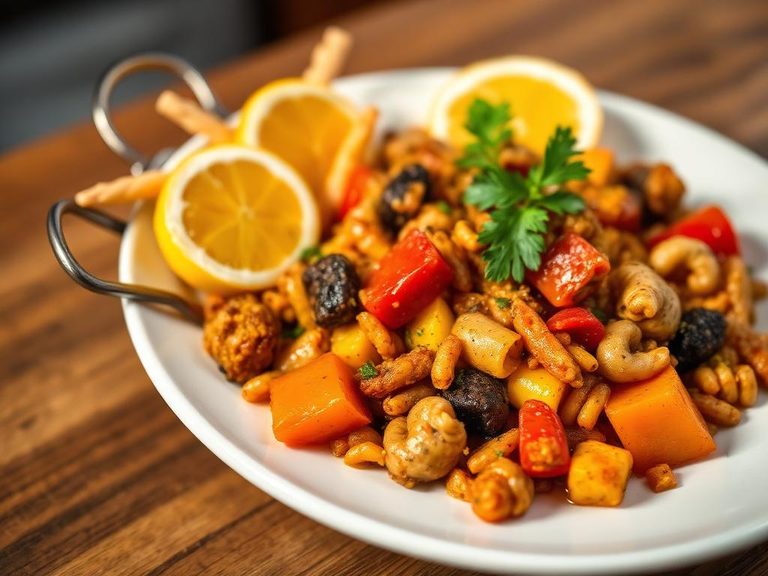
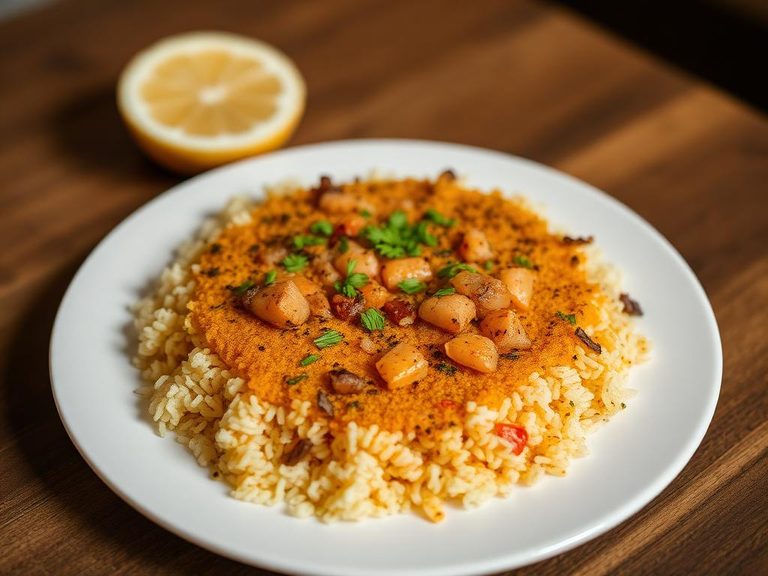
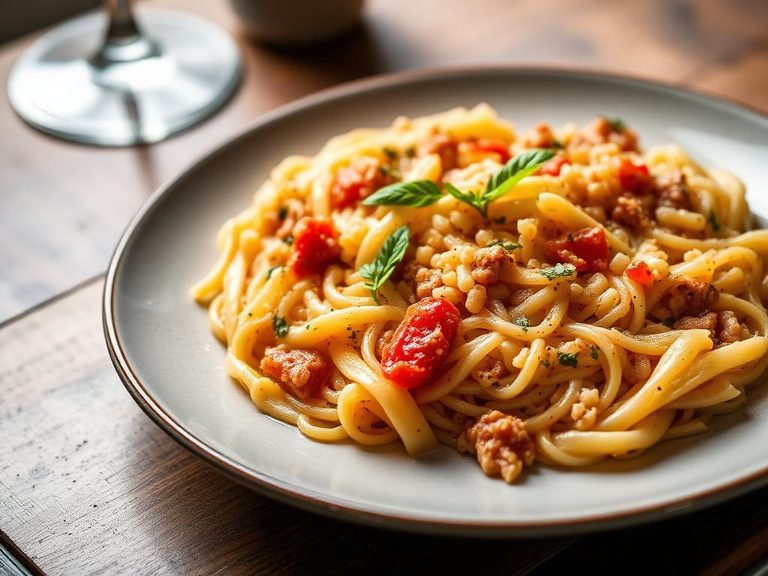
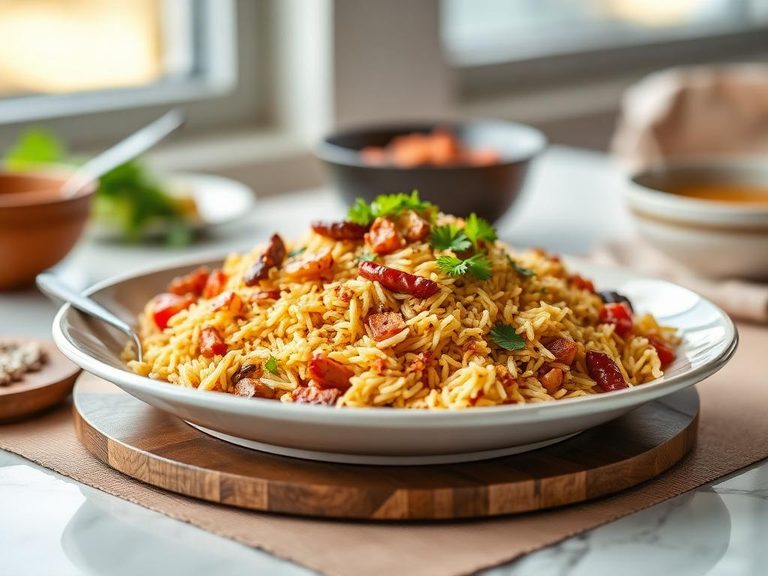
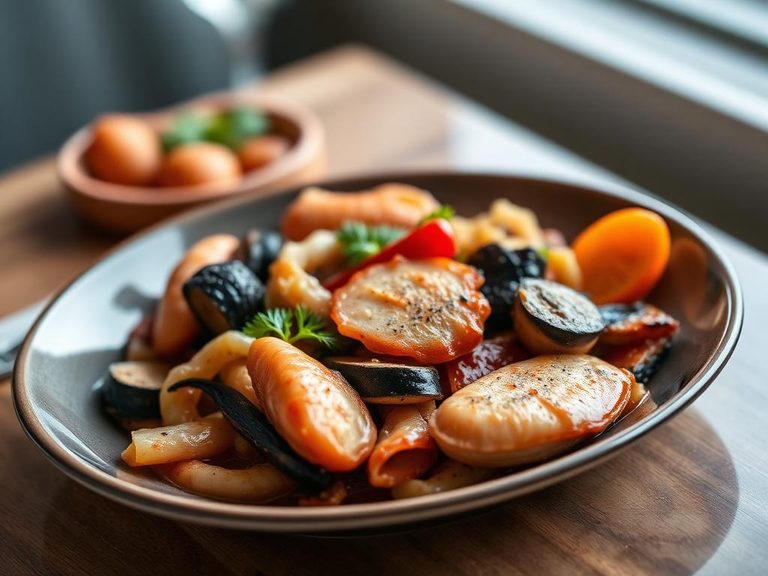
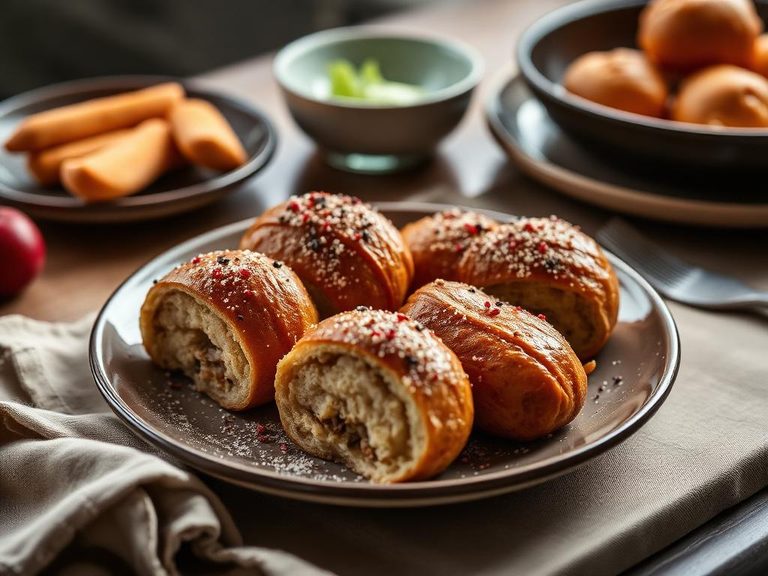
🌍 Where it's eaten
💡 Did you know?
It takes about 150,000 to 200,000 hand-picked flowers to produce just one kilogram of dried saffron threads.
Full nutrition (USDA data · scales with serving)
| Water | 11.9 g |
| Energy | 310 kcal |
| Energy | 1298 kj |
| Protein | 11.4 g |
| Total lipid (fat) | 5.8 g |
| Ash | 5.5 g |
| Carbohydrate, by difference | 65.4 g |
| Fiber, total dietary | 3.9 g |
| Calcium, Ca | 111 mg |
| Iron, Fe | 11.1 mg |
| Magnesium, Mg | 264 mg |
| Phosphorus, P | 252 mg |
| Potassium, K | 1724 mg |
| Sodium, Na | 148 mg |
| Zinc, Zn | 1.1 mg |
| Copper, Cu | 0.33 mg |
| Manganese, Mn | 28.4 mg |
| Selenium, Se | 5.6 ug |
| Vitamin C, total ascorbic acid | 80.8 mg |
| Thiamin | 0.12 mg |
| Riboflavin | 0.27 mg |
| Niacin | 1.5 mg |
| Vitamin B-6 | 1.0 mg |
| Folate, total | 93.0 ug |
| Folic acid | 0.00 ug |
| Folate, food | 93.0 ug |
| Folate, DFE | 93.0 ug |
| Vitamin B-12 | 0.00 ug |
| Vitamin A, RAE | 27.0 ug |
| Retinol | 0.00 ug |
| Vitamin A, IU | 530 iu |
| Vitamin D (D2 + D3), International Units | 0.00 iu |
| Vitamin D (D2 + D3) | 0.00 ug |
| Alcohol, ethyl | 0.00 g |
| Caffeine | 0.00 mg |
| Theobromine | 0.00 mg |
Fat & fatty acid profile (per 100g)
| Fatty acids, total saturated | 1.6 g |
| SFA 4:0 | 0.00 g |
| SFA 6:0 | 0.00 g |
| SFA 8:0 | 0.00 g |
| SFA 10:0 | 0.00 g |
| SFA 12:0 | 0.00 g |
| SFA 14:0 | 0.01 g |
| SFA 16:0 | 1.2 g |
| SFA 18:0 | 0.25 g |
| Fatty acids, total monounsaturated | 0.43 g |
| MUFA 16:1 | 0.00 g |
| MUFA 18:1 | 0.39 g |
| MUFA 20:1 | 0.01 g |
| MUFA 22:1 | 0.00 g |
| Fatty acids, total polyunsaturated | 2.1 g |
| PUFA 18:2 | 0.75 g |
| PUFA 18:3 | 1.2 g |
| PUFA 18:4 | 0.00 g |
| PUFA 20:4 | 0.01 g |
| PUFA 20:5 n-3 (EPA) | 0.00 g |
| PUFA 22:5 n-3 (DPA) | 0.01 g |
| PUFA 22:6 n-3 (DHA) | 0.00 g |
| Fatty acids, total trans | 0.00 g |
| Cholesterol | 0.00 mg |
Amino acid profile (per 100g)
Estimated from Spices, garlic powder — USDA does not publish this profile for Spices.
| Tryptophan | 0.12 g |
| Threonine | 0.37 g |
| Isoleucine | 0.41 g |
| Leucine | 0.73 g |
| Lysine | 0.77 g |
| Methionine | 0.11 g |
| Cystine | 0.25 g |
| Phenylalanine | 0.53 g |
| Tyrosine | 0.45 g |
| Valine | 0.67 g |
| Arginine | 3.4 g |
| Histidine | 0.26 g |
| Alanine | 0.48 g |
| Aspartic acid | 1.9 g |
| Glutamic acid | 3.7 g |
| Glycine | 0.53 g |
| Proline | 1.4 g |
| Serine | 0.51 g |
| Hydroxyproline | 0.00 g |
FAQ
How do I tell real saffron from fake?
Genuine saffron threads are trumpet-shaped, deep red with a slight orange tip, and will release color slowly in cold water, turning it a golden yellow. Fake saffron (often dyed corn silk or safflower) releases color quickly and may turn water red.
What's the best way to use saffron?
Always 'bloom' it first by steeping a pinch in 2-3 tablespoons of hot (not boiling) water, broth, or milk for 10-20 minutes. This extracts its full color and flavor before adding it to your dish.
Why is saffron so expensive?
The cost is due to the intense labor: each crocus flower produces only three stigma, which must be hand-picked at dawn over a very short harvest season (about two weeks in autumn).
Nutrient density (calculated · NRF9.3)
Nutrient Rich Foods index: beneficial nutrients (protein, fiber, vitamins, minerals) minus saturated fat, added sugar & sodium, per 100 kcal.
NRF9.3 index — Fulgoni, Keast & Drewnowski, 2009. Computed from USDA nutrients.
Weight-loss friendliness (composite index)
Energy density 3.10 kcal/g · 15% calories from protein · 3.9 g fiber · 0.0 g sugar per 100 g.
Composite of energy density (Rolls et al., 1999), protein & fiber satiety, minus sugar. A calculated heuristic — ranks satiety-per-calorie, not a clinical measure.
Dietary load (calculated from USDA values)
Potential renal acid load. Positive = acid-forming, negative = alkaline-forming.
Sodium-to-potassium ratio: 0.09 (lower is better — aim for ≤ 1)
Sodium:potassium per WHO potassium guidance. Computed from USDA nutrients.