

Iranian Tahdig
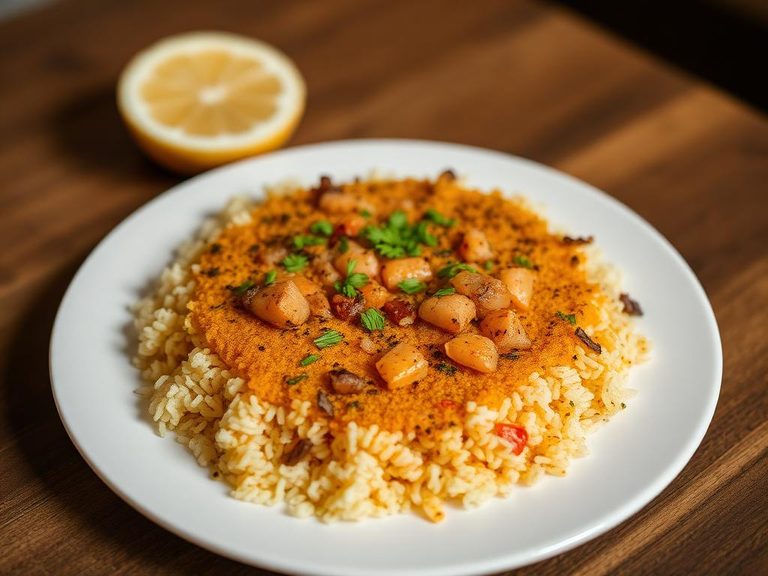
Tahdig is the prized crispy, golden-brown layer of rice from the bottom of the pot in Iranian cuisine. It's typically made from white basmati rice, often with oil or butter, and can include potatoes, bread, or yogurt as a base. This dish is a beloved staple served alongside stews and kebabs.
🍽️ Nutrition at a glance
Tahdig is primarily a high-carbohydrate dish due to its rice base, with a significant amount of fat from the oil or butter used for crisping. A typical serving provides energy from carbs and some fat, with minimal protein.
Nutrition breakdown
| Calories | 280 kcal |
| Protein | 4 g |
| Carbs | 42 g |
| Fat | 10 g |
| Fiber | 0.5 g |
| Sugar | 0 g |
| Sodium | 300 mg |
| Manganese | 0.8 mg |
| Selenium | 12 mcg |
| Thiamin (B1) | 0.1 mg |
| Niacin (B3) | 2 mg |
| Iron | 1.5 mg |
| Phosphorus | 80 mg |
| Magnesium | 15 mg |
| Folate | 20 mcg |
Per 1 cup (150 g) · estimated, varies by recipe
💡 What's interesting
Culturally, tahdig is considered the most desirable part of the meal, often served to guests or the most honored person at the table. Its unique texture—crunchy on the outside and fluffy on the inside—is achieved through a specific cooking technique of steaming and then browning the bottom layer.
🍽️ Related dishes
AI estimate may be inaccurate · Terms