

Persian Tahdig
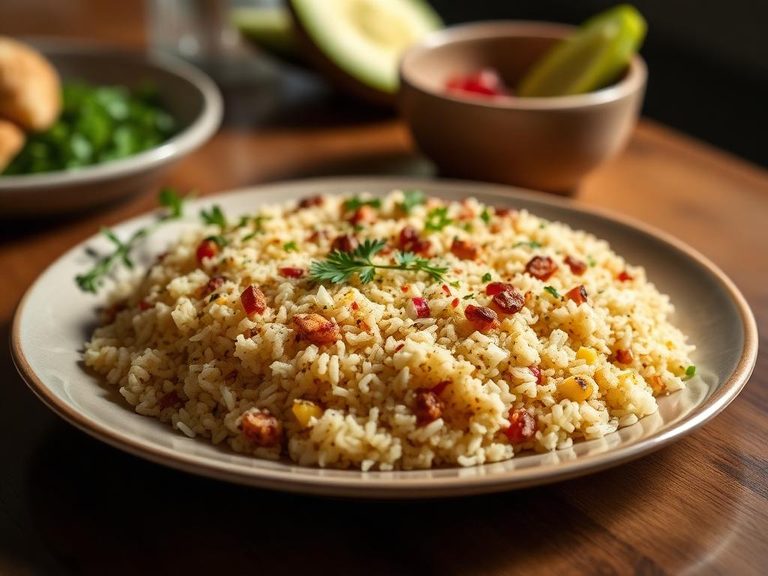
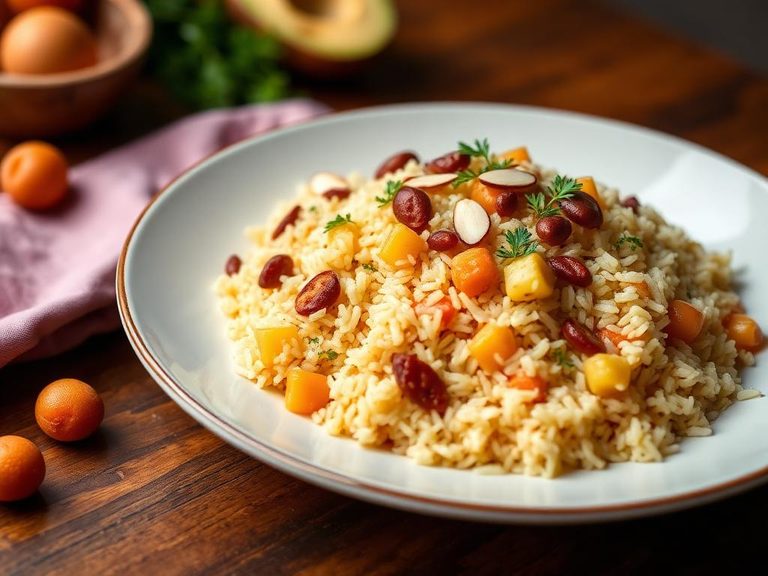
Persian Tahdig is the prized crispy, golden-brown crust of rice that forms at the bottom of the pot during cooking. It is made by layering rice, often with yogurt or oil, and slow-cooking it until the bottom layer caramelizes into a crunchy, savory treat. This dish is a beloved staple in Iranian cuisine, often served as a special side or even the main event of a meal.
🍽️ Nutrition at a glance
Tahdig is primarily high in carbohydrates from the rice, with a moderate amount of fat from the oil or butter used to achieve its crispiness. It provides quick energy and some essential minerals like selenium and manganese from the rice.
Nutrition breakdown
| Calories | 320 kcal |
| Protein | 5 g |
| Carbs | 45 g |
| Fat | 13 g |
| Fiber | 1 g |
| Sugar | 0 g |
| Sodium | 290 mg |
| Selenium | 12 mcg |
| Manganese | 0.8 mg |
| Thiamin (B1) | 0.05 mg |
| Niacin (B3) | 2.2 mg |
| Iron | 1.8 mg |
| Magnesium | 15 mg |
| Phosphorus | 68 mg |
| Zinc | 0.9 mg |
Per 1 piece (about 100 g) · estimated, varies by recipe
💡 What's interesting
Culturally, Tahdig is so cherished that the person who gets to eat the crunchy piece is often considered lucky, and it's a point of pride for the cook. Nutritionally, the browning process creates a unique texture and flavor through the Maillard reaction, though it doesn't significantly alter the basic nutritional profile of the rice.
🍽️ Related dishes
AI estimate may be inaccurate · Terms