

Seeds, cottonseed flour, partially defatted (glandless)
Whole food · Nut and Seed Products

Photo: Wikipedia
This is a fine, pale-green powder made from cottonseeds that have been pressed to remove most of their oil and had their bitter gossypol glands removed. It has a mild, slightly nutty, and earthy flavor with a dry, flour-like texture that absorbs liquids readily. Nutritionally, it's a protein powerhouse, packing over 40 grams of protein per 100g, rivaling many animal-based sources.
Calorie split: 43% protein · 42% carbs · 15% fat
↓ Full nutrition💚 Why it's loved
It's prized as a cost-effective, high-protein ingredient that can be seamlessly blended into foods without overpowering other flavors, making it a staple in fortified foods and animal feed in many regions.
⚠️ Watch-outs & how to enjoy it better
As a highly refined product, it lacks the whole-food matrix and some micronutrients of the original seed. Its high protein content can make it a common allergen for those sensitive to seeds. To counteract potential digestive discomfort from the concentrated fiber and protein, start with small portions and ensure adequate hydration.
Key benefits
- Exceptionally high in plant-based protein.
- Very low in fat and contains zero sugar.
- Good source of dietary fiber.
- Provides minerals like magnesium and phosphorus.
- An affordable, sustainable protein alternative.
🍽️ Popular dishes

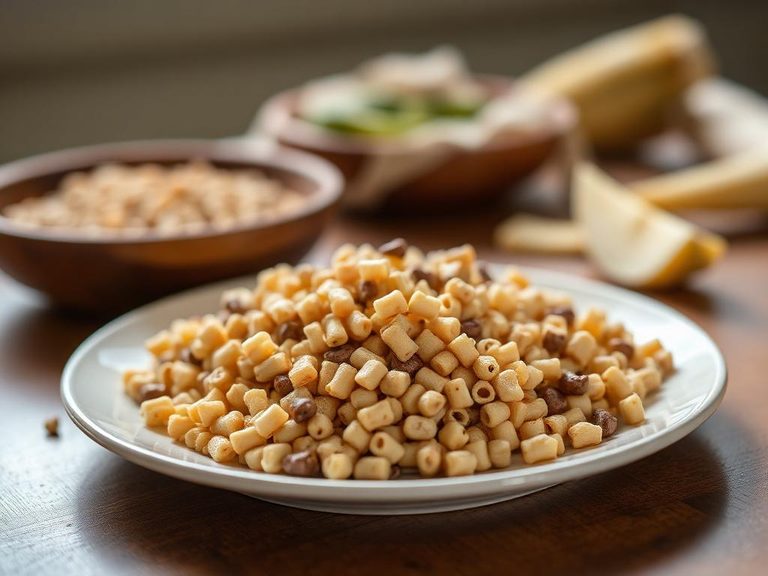
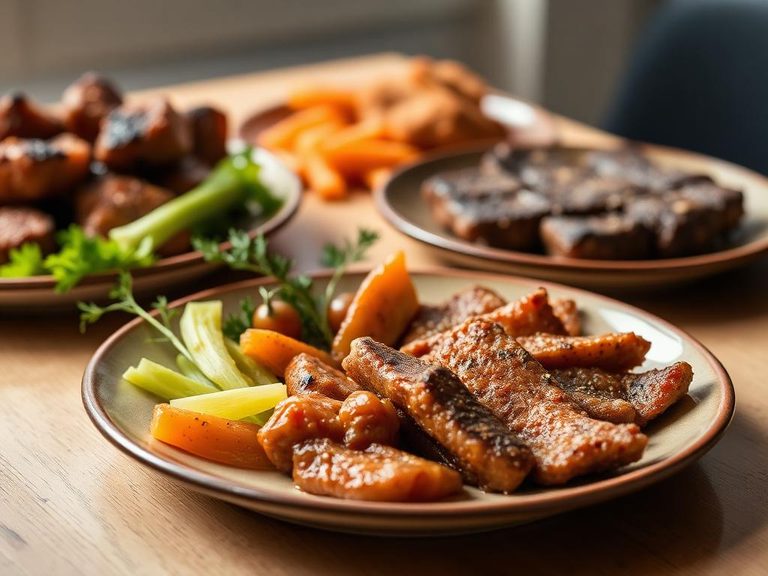
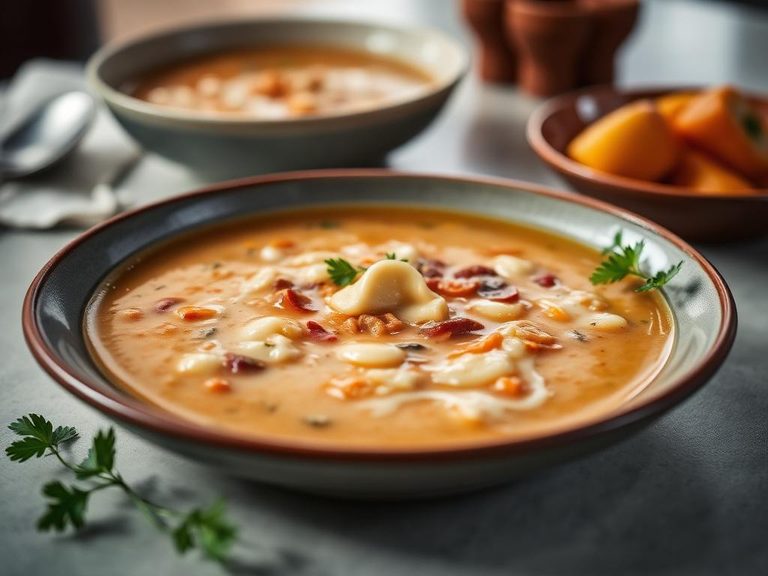
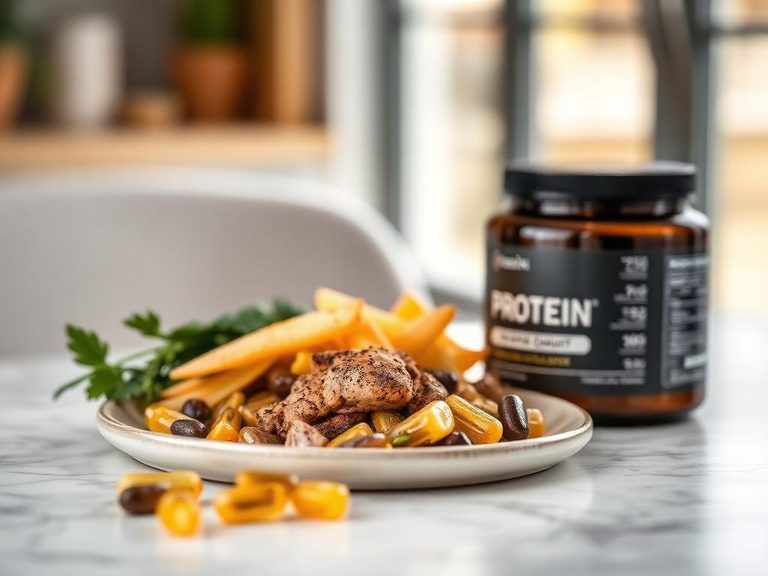
🌍 Where it's eaten
💡 Did you know?
Before the invention of modern solvent extraction, cottonseed was considered a waste product of the cotton gin; its transformation into a valuable food and oil source revolutionized the agricultural economy of the American South.
Full nutrition (USDA data · scales with serving)
| Water | 6.3 g |
| Energy | 359 kcal |
| Energy | 1502 kj |
| Protein | 41.0 g |
| Total lipid (fat) | 6.2 g |
| Ash | 6.0 g |
| Carbohydrate, by difference | 40.5 g |
| Fiber, total dietary | 3.0 g |
| Calcium, Ca | 478 mg |
| Iron, Fe | 12.7 mg |
| Magnesium, Mg | 721 mg |
| Phosphorus, P | 1597 mg |
| Potassium, K | 1772 mg |
| Sodium, Na | 35.0 mg |
| Zinc, Zn | 11.7 mg |
| Copper, Cu | 1.2 mg |
| Manganese, Mn | 2.1 mg |
| Selenium, Se | 5.6 ug |
| Vitamin C, total ascorbic acid | 2.4 mg |
| Thiamin | 2.1 mg |
| Riboflavin | 0.40 mg |
| Niacin | 4.1 mg |
| Pantothenic acid | 0.45 mg |
| Vitamin B-6 | 0.77 mg |
| Folate, total | 229 ug |
| Folic acid | 0.00 ug |
| Folate, food | 229 ug |
| Folate, DFE | 229 ug |
| Vitamin B-12 | 0.00 ug |
| Vitamin A, RAE | 22.0 ug |
| Retinol | 0.00 ug |
| Vitamin A, IU | 434 iu |
| Vitamin D (D2 + D3), International Units | 0.00 iu |
| Vitamin D (D2 + D3) | 0.00 ug |
| Alcohol, ethyl | 0.00 g |
Fat & fatty acid profile (per 100g)
| Fatty acids, total saturated | 1.6 g |
| SFA 4:0 | 0.00 g |
| SFA 6:0 | 0.00 g |
| SFA 8:0 | 0.00 g |
| SFA 10:0 | 0.00 g |
| SFA 12:0 | 0.00 g |
| SFA 14:0 | 0.06 g |
| SFA 16:0 | 1.4 g |
| SFA 18:0 | 0.14 g |
| Fatty acids, total monounsaturated | 1.1 g |
| MUFA 16:1 | 0.04 g |
| MUFA 18:1 | 1.1 g |
| MUFA 20:1 | 0.00 g |
| MUFA 22:1 | 0.00 g |
| Fatty acids, total polyunsaturated | 3.0 g |
| PUFA 18:2 | 2.9 g |
| PUFA 18:3 | 0.01 g |
| PUFA 18:4 | 0.00 g |
| PUFA 20:4 | 0.00 g |
| PUFA 20:5 n-3 (EPA) | 0.00 g |
| PUFA 22:5 n-3 (DPA) | 0.00 g |
| PUFA 22:6 n-3 (DHA) | 0.00 g |
| Cholesterol | 0.00 mg |
Amino acid profile (per 100g)
| Tryptophan | 0.62 g |
| Threonine | 1.5 g |
| Isoleucine | 1.5 g |
| Leucine | 2.8 g |
| Lysine | 2.1 g |
| Methionine | 0.67 g |
| Cystine | 1.1 g |
| Phenylalanine | 2.5 g |
| Tyrosine | 1.5 g |
| Valine | 2.1 g |
| Arginine | 5.5 g |
| Histidine | 1.3 g |
| Alanine | 1.9 g |
| Aspartic acid | 4.5 g |
| Glutamic acid | 10.3 g |
| Glycine | 2.0 g |
| Proline | 1.7 g |
| Serine | 2.0 g |
FAQ
What does 'glandless' mean for cottonseed flour?
It means the flour is made from cottonseed varieties bred to be low in gossypol, a natural toxic compound found in the pigment glands of traditional cottonseed. This makes it safe for human consumption.
Is cottonseed flour gluten-free?
Yes, cottonseed flour is naturally gluten-free, as it comes from a seed, not a grain. It's often used as a protein-boosting, gluten-free additive in baking.
Why is it 'partially defatted'?
The seeds are pressed to remove most of the oil (which is used for cooking), leaving behind a protein-rich cake that is then ground into this flour. This process concentrates the protein content.
Nutrient density (calculated · NRF9.3)
Nutrient Rich Foods index: beneficial nutrients (protein, fiber, vitamins, minerals) minus saturated fat, added sugar & sodium, per 100 kcal.
NRF9.3 index — Fulgoni, Keast & Drewnowski, 2009. Computed from USDA nutrients.
Weight-loss friendliness (composite index)
Energy density 3.59 kcal/g · 46% calories from protein · 3.0 g fiber · 0.0 g sugar per 100 g.
Composite of energy density (Rolls et al., 1999), protein & fiber satiety, minus sugar. A calculated heuristic — ranks satiety-per-calorie, not a clinical measure.
Dietary load (calculated from USDA values)
Potential renal acid load. Positive = acid-forming, negative = alkaline-forming.
Sodium-to-potassium ratio: 0.02 (lower is better — aim for ≤ 1)
Sodium:potassium per WHO potassium guidance. Computed from USDA nutrients.