Thickener in soups and sauces
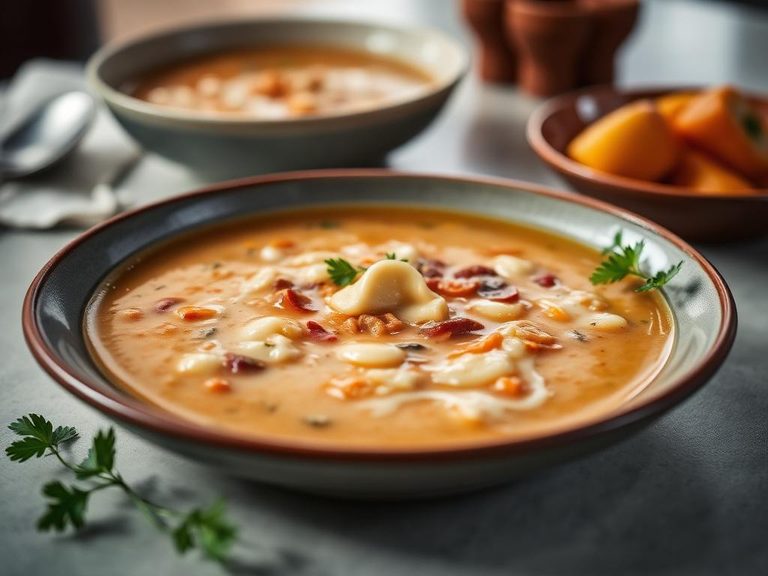
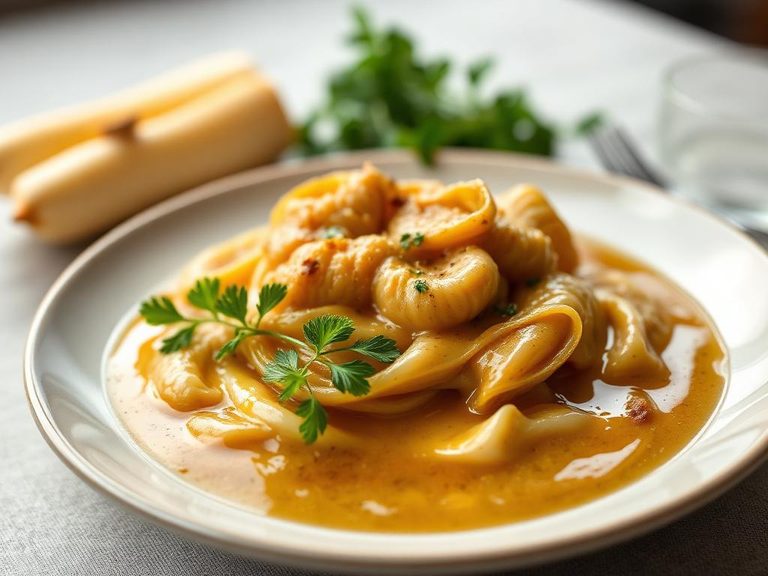
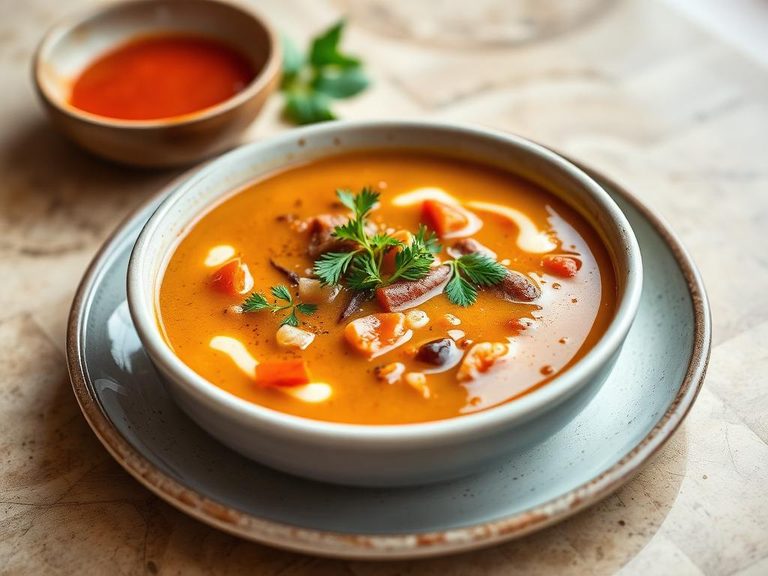
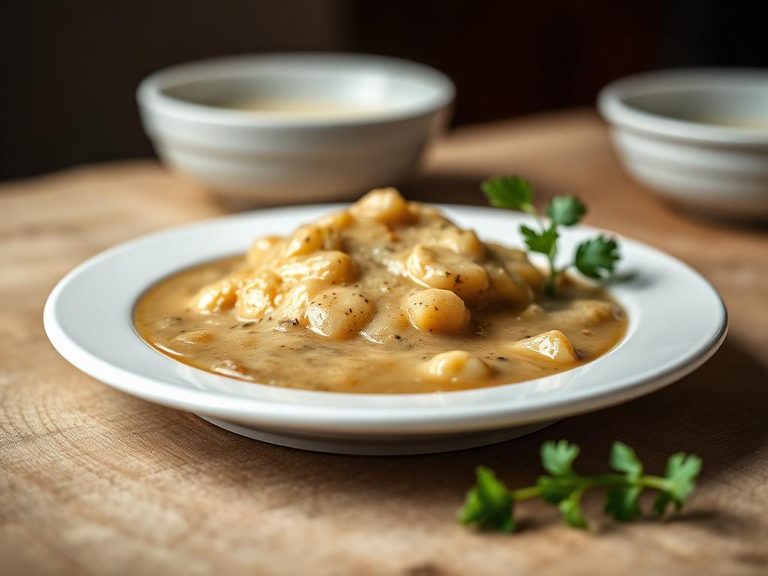
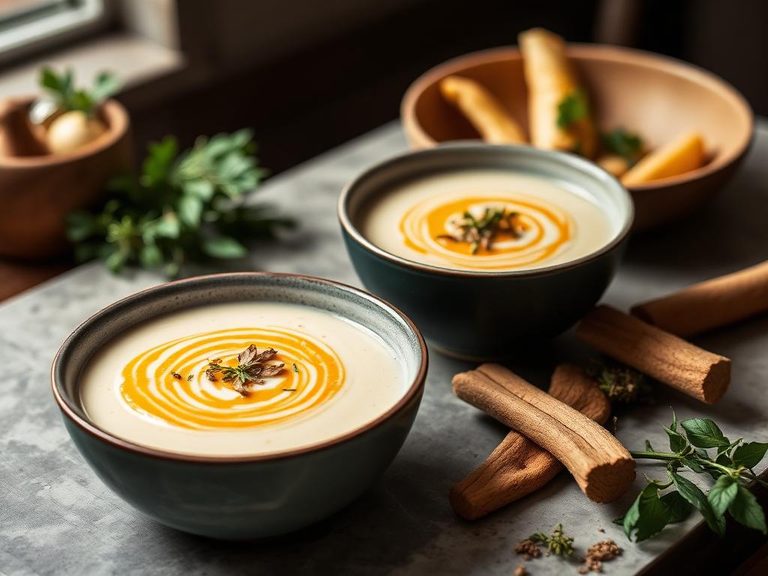
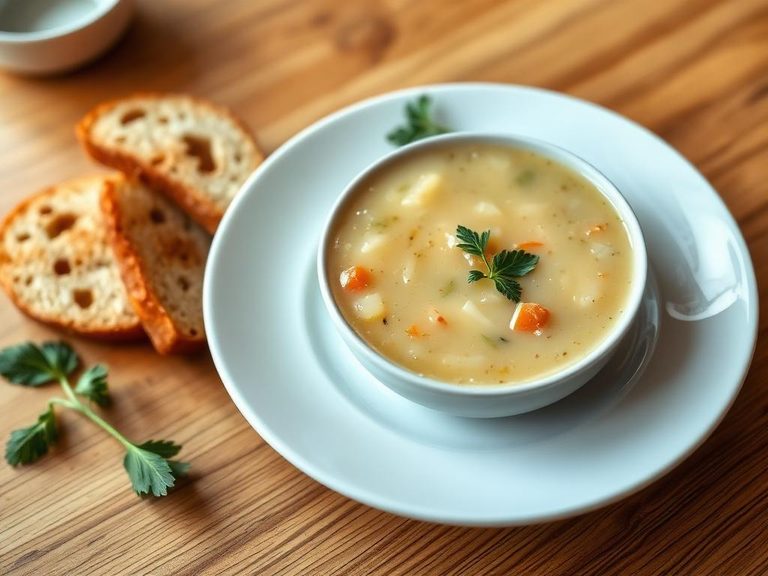
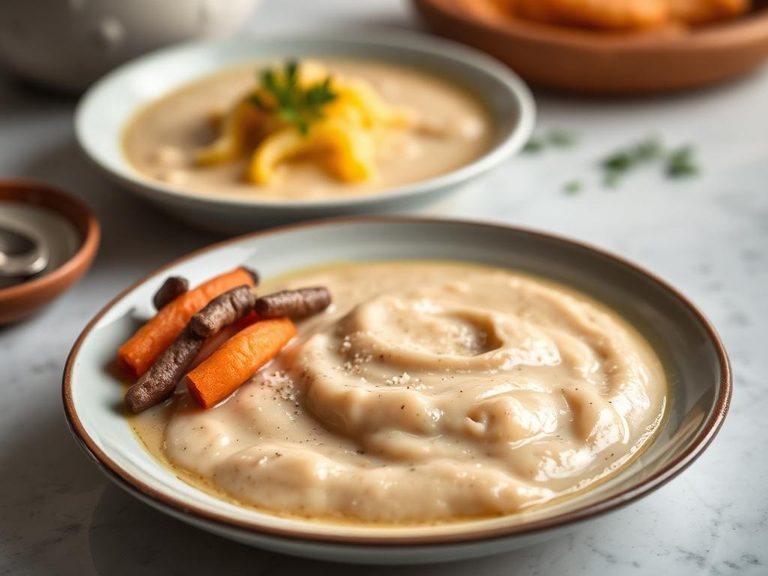
A thickener in soups and sauces is a culinary technique or ingredient used to add body, richness, and a velvety texture to liquid-based dishes. Common thickeners include starches like cornstarch or flour, fats like butter or cream, and pureed vegetables or legumes. This method is fundamental in cuisines worldwide, from French roux to Chinese cornstarch slurries.
🍽️ Nutrition at a glance
Most starch-based thickeners are high in carbohydrates, providing a quick source of energy. They are typically low in fat and protein, with a key nutrient being the starch itself, and a standard serving of a thickened sauce or soup adds roughly 50-100 calories.
Nutrition breakdown
| Calories | 180 kcal |
| Protein | 4 g |
| Carbs | 15 g |
| Fat | 12 g |
| Fiber | 1 g |
| Sugar | 3 g |
| Sodium | 600 mg |
| Calcium | 120 mg |
| Iron | 1.5 mg |
| Potassium | 250 mg |
| Vitamin A | 150 mcg |
| Vitamin C | 5 mg |
| Vitamin D | 0.5 mcg |
| Thiamin (B1) | 0.1 mg |
| Niacin (B3) | 1.5 mg |
Per 1 cup (240 g) of a typical cream-based soup thickened with a roux · estimated, varies by recipe
💡 What's interesting
The science of thickening is a cornerstone of culinary technique, transforming thin liquids into luxurious textures through processes like starch gelatinization or creating emulsions. It's a universal practice, with different cultures developing their own signature methods, such as using a roux in gumbo or a beurre manié in French cuisine.