Thickener for Homemade Soups
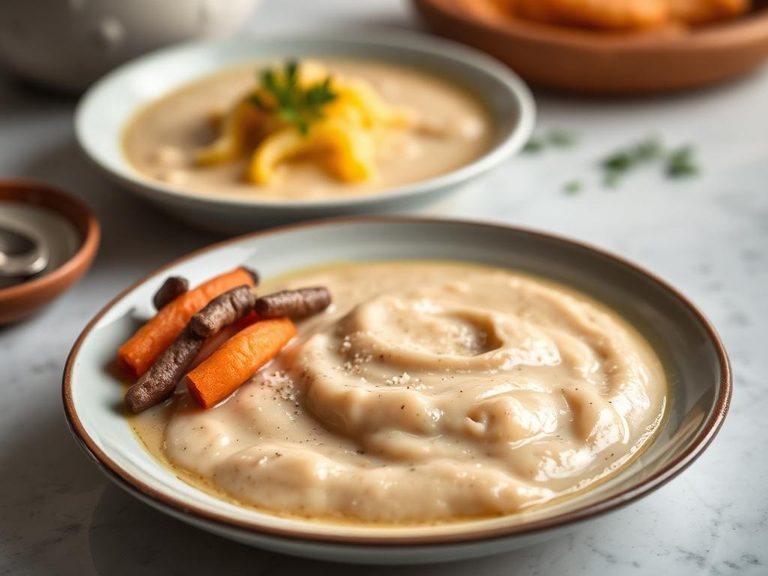
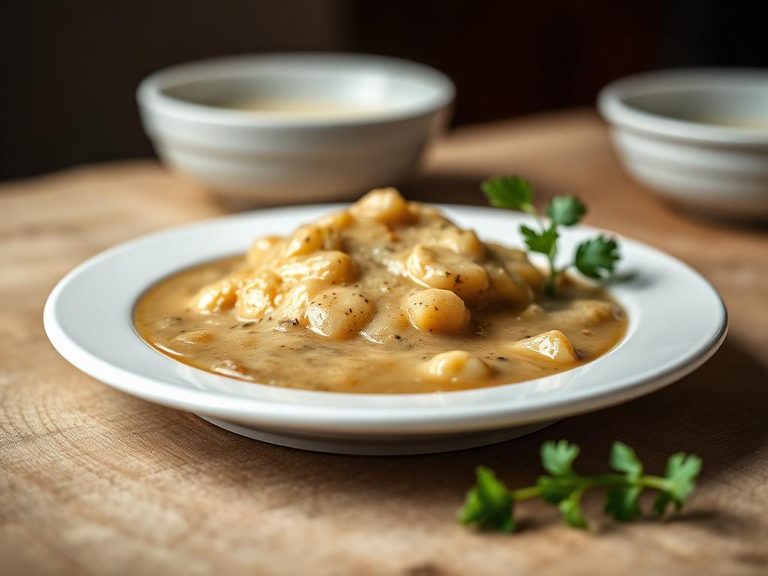
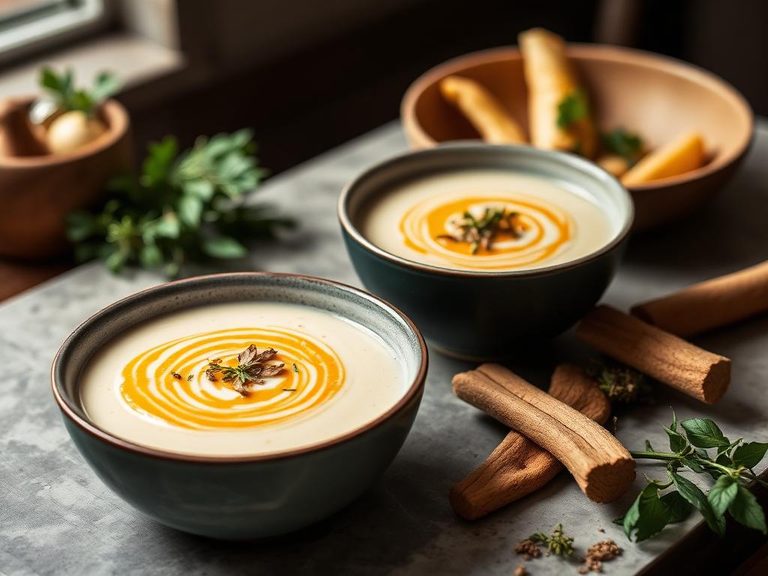
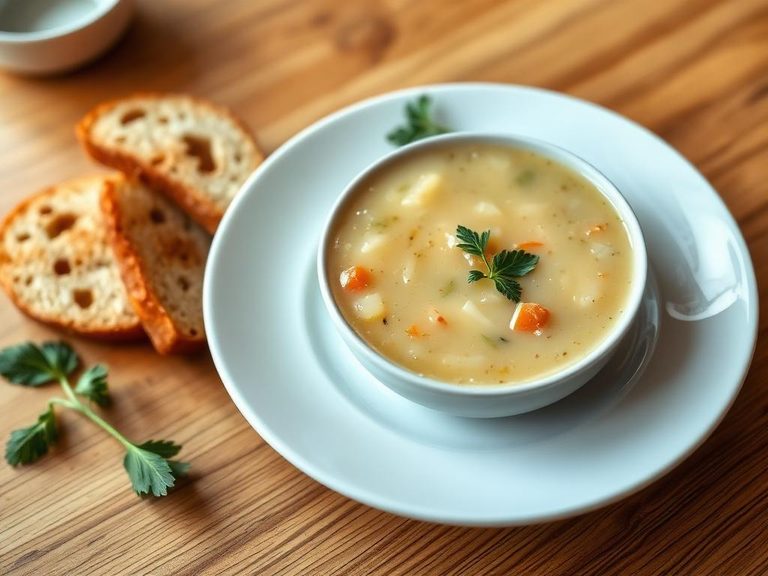
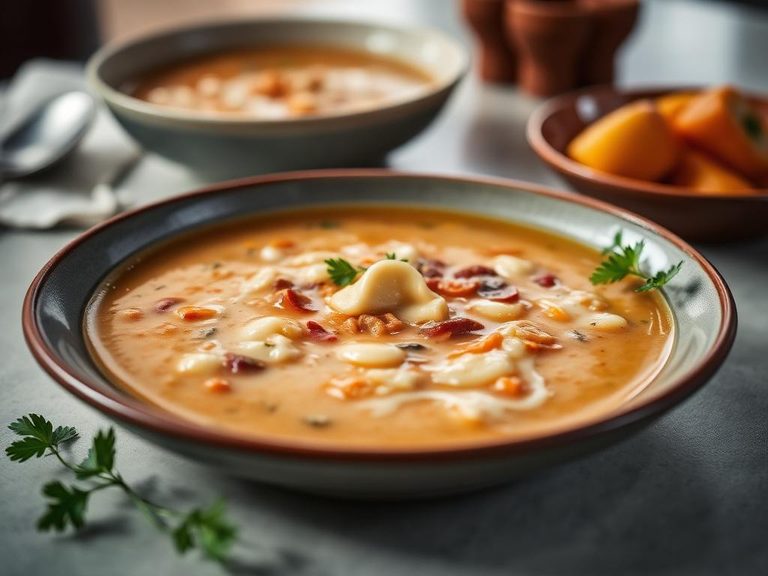
A 'Thickener for Homemade Soups' isn't a standalone dish but a foundational technique or ingredient used to give soups, stews, and sauces a richer, heartier texture. Common thickeners include a roux (fat and flour), a cornstarch slurry, or puréed vegetables like potatoes or beans. This practice is universal in home cooking, with variations found in nearly every culinary tradition.
🍽️ Nutrition at a glance
Most thickeners are primarily sources of carbohydrates, with a roux adding significant fat. They contribute minimal protein and are used in small quantities, so their direct calorie contribution per serving is modest, typically adding 20-50 kcal to a bowl of soup.
Nutrition breakdown
| Calories | 45 kcal |
| Protein | 1.3 g |
| Carbs | 9.5 g |
| Fat | 0.1 g |
| Fiber | 0.3 g |
| Sugar | 0 g |
| Sodium | 0 mg |
| Iron | 0.6 mg |
| Thiamin (B1) | 0.1 mg |
| Folate | 22 mcg |
| Manganese | 0.1 mg |
| Selenium | 4.3 mcg |
| Niacin (B3) | 0.8 mg |
| Magnesium | 3 mg |
| Phosphorus | 14 mg |
Per 1 tablespoon (approx. 15 g) of all-purpose flour (as a common dry thickener) · estimated, varies by recipe
💡 What's interesting
The technique of using a roux is a cornerstone of French cuisine (the mother sauces), while using starchy vegetables or legumes to thicken is a traditional, nutrient-dense method found in many global cuisines, from Indian dals to African peanut stews.