Thickener for thin soups

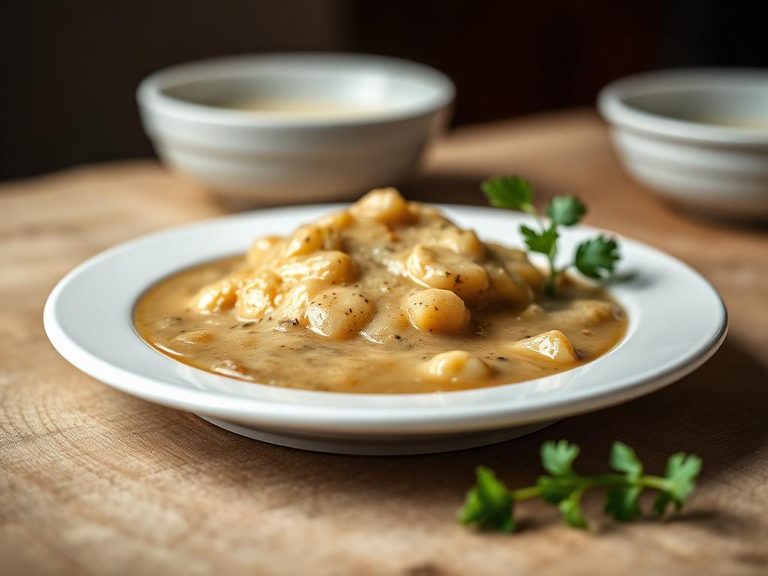
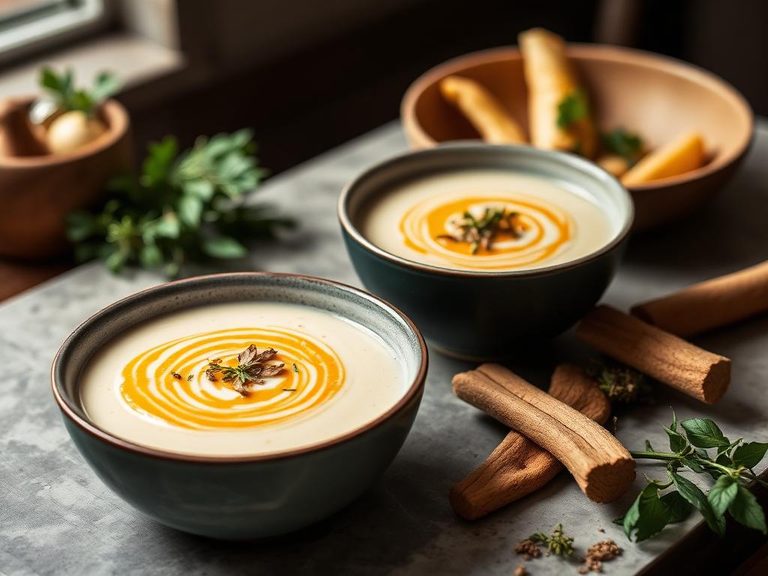
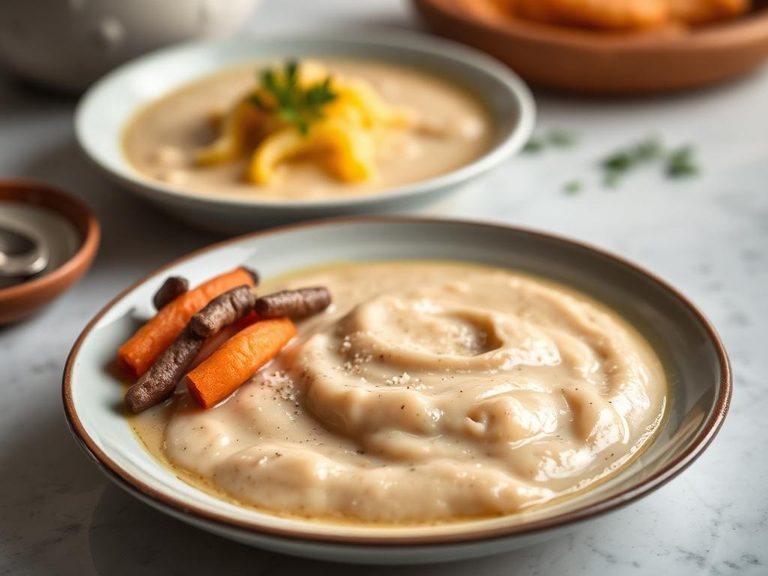
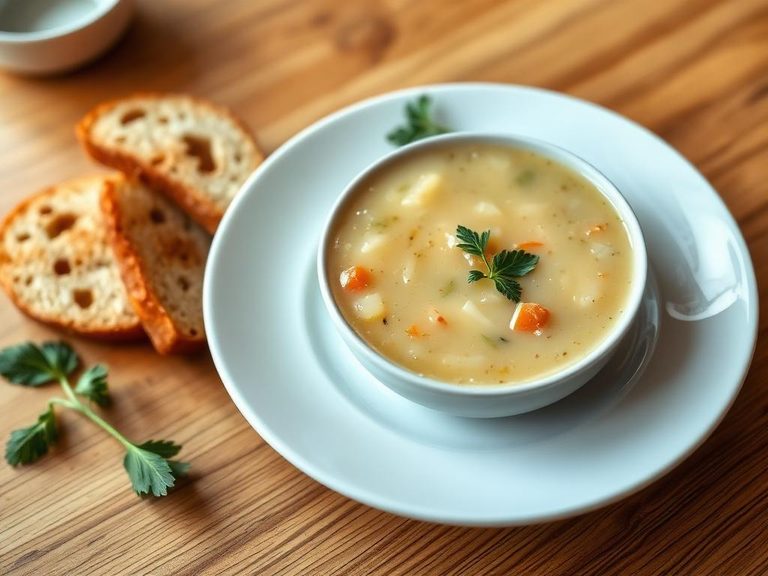
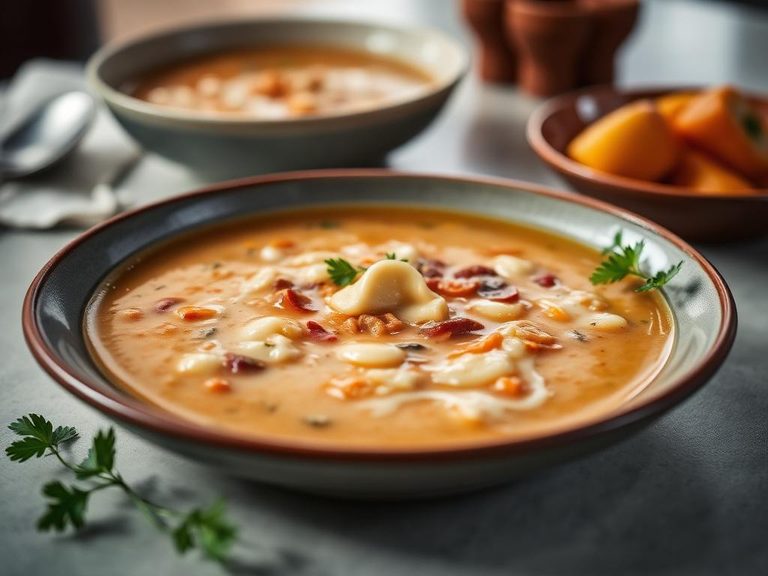
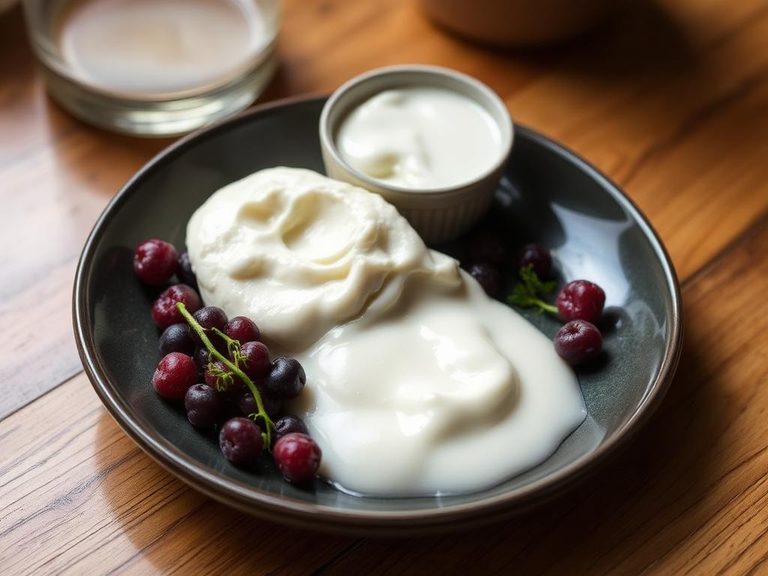
A thickener for thin soups is not a standalone dish but a culinary component or technique used to add body, richness, and a velvety texture to broths and liquid-based meals. Common thickeners include flour-based roux, cornstarch slurries, blended vegetables, legumes like lentils, or cream and coconut milk, depending on the cuisine. This practice is universal, found in everything from French velouté to Indian dal and Chinese hot and sour soup.
🍽️ Nutrition at a glance
The nutritional profile varies greatly depending on the thickener used; flour and cornstarch are high in carbohydrates, while blended vegetables or legumes add fiber and protein. A typical serving of a thickened soup provides a moderate calorie boost, generally ranging from 50 to 150 calories per serving, depending on the base ingredients.
Nutrition breakdown
| Calories | 120 kcal |
| Protein | 4 g |
| Carbs | 18 g |
| Fat | 4 g |
| Fiber | 3 g |
| Sugar | 4 g |
| Sodium | 600 mg |
| Potassium | 300 mg |
| Vitamin A | 80 µg |
| Vitamin C | 10 mg |
| Iron | 1.5 mg |
| Calcium | 40 mg |
| Magnesium | 20 mg |
| Vitamin K | 15 µg |
| Folate | 30 µg |
Per 1 cup (240 g) of thickened vegetable soup · estimated, varies by recipe
💡 What's interesting
The technique of thickening soup is a cornerstone of global gastronomy, transforming a simple broth into a more satiating and flavorful meal. Nutritionally, using pureed vegetables or legumes as a thickener is a clever way to boost fiber and micronutrient intake without adding refined starches or fats.