

Quail, meat and skin, raw
Whole food · Poultry Products

Photo: Wikipedia
Quail meat is a delicate, gamey poultry with a rich, slightly sweet flavor and a tender, fine-grained texture. Its skin, when cooked, becomes beautifully crisp while basting the meat in its own flavorful fat. Nutritionally, it's a protein-dense, zero-carb option with a significant portion of its calories coming from healthy fats.
Calorie split: 42% protein · 0% carbs · 58% fat
↓ Full nutrition💚 Why it's loved
People love quail for its concentrated, slightly gamey flavor that's more complex than chicken, and its versatility—it can be grilled, roasted, or pan-seared whole. It's also prized in many cuisines as a luxurious, elegant centerpiece for special meals.
⚠️ Watch-outs & how to enjoy it better
The high fat content, particularly in the skin, can be a concern for those monitoring saturated fat intake. To counteract this, consider removing the skin after cooking or using cooking methods like roasting on a rack that allow fat to render and drip away. Its small size also means it can dry out quickly; brining or marinating helps retain moisture.
Key benefits
- High-quality complete protein source
- Rich in B vitamins, especially B12 and niacin
- Good source of minerals like iron and selenium
- Contains healthy monounsaturated fats
- Low in carbohydrates, suitable for keto diets
🍽️ Popular dishes
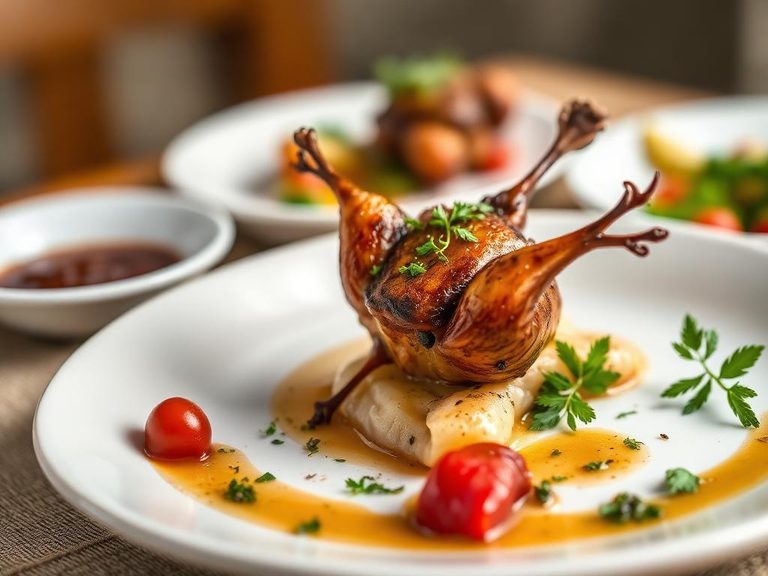
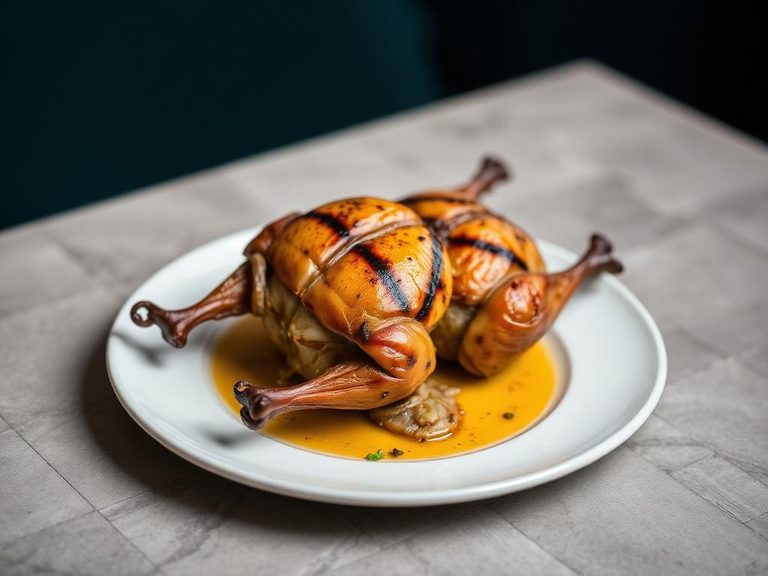
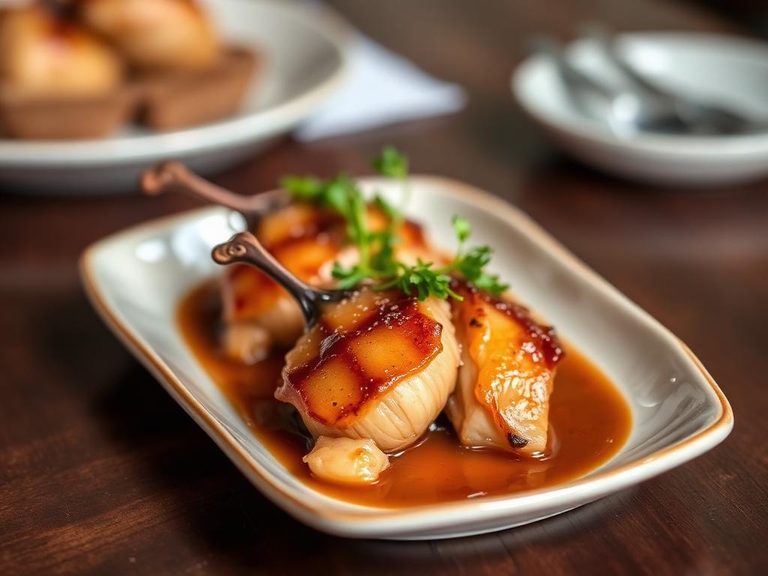
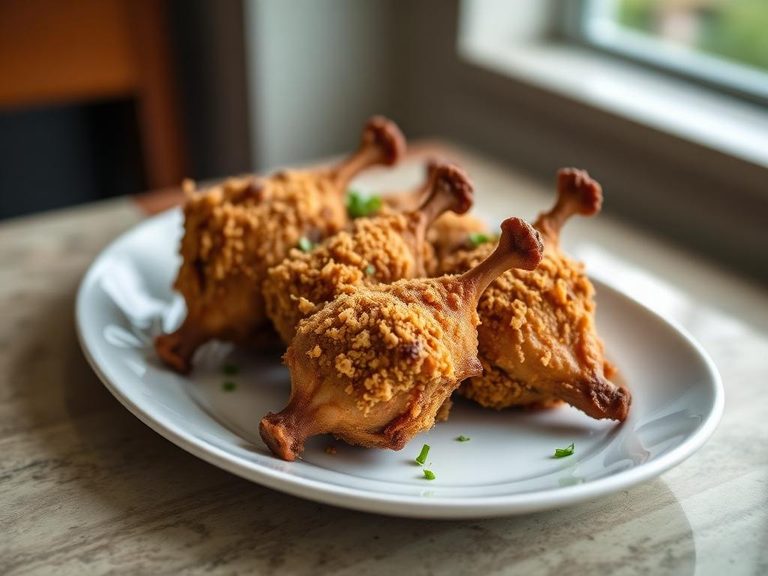
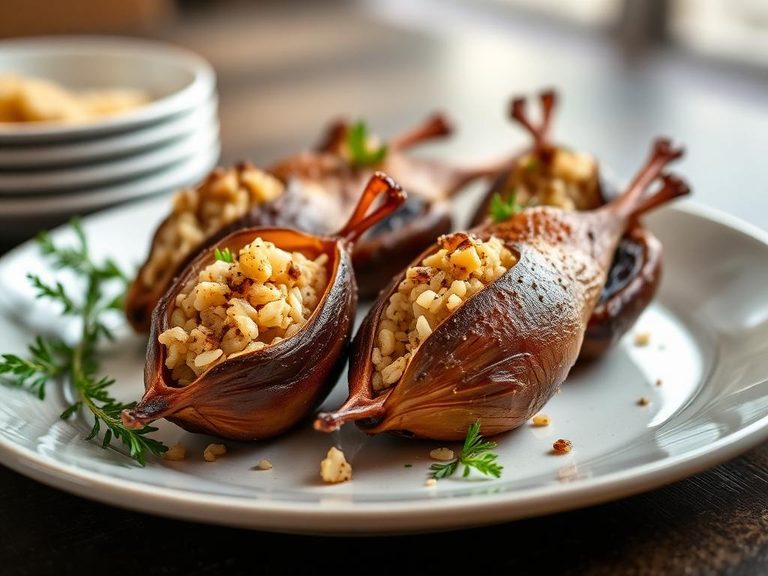
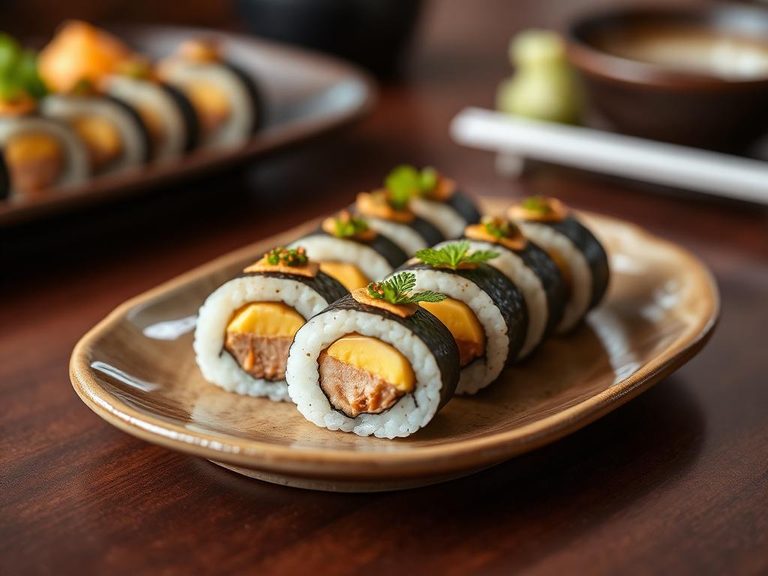
🌍 Where it's eaten
💡 Did you know?
While we eat the meat, quail eggs are also a popular delicacy; a single quail egg is roughly equivalent to one-fifth of a chicken egg and is often served pickled or as a garnish.
Full nutrition (USDA data · scales with serving)
| Water | 69.7 g |
| Energy | 192 kcal |
| Energy | 803 kj |
| Protein | 19.6 g |
| Total lipid (fat) | 12.1 g |
| Ash | 0.90 g |
| Carbohydrate, by difference | 0.00 g |
| Fiber, total dietary | 0.00 g |
| Calcium, Ca | 13.0 mg |
| Iron, Fe | 4.0 mg |
| Magnesium, Mg | 23.0 mg |
| Phosphorus, P | 275 mg |
| Potassium, K | 216 mg |
| Sodium, Na | 53.0 mg |
| Zinc, Zn | 2.4 mg |
| Copper, Cu | 0.51 mg |
| Manganese, Mn | 0.02 mg |
| Selenium, Se | 16.6 ug |
| Vitamin C, total ascorbic acid | 6.1 mg |
| Thiamin | 0.24 mg |
| Riboflavin | 0.26 mg |
| Niacin | 7.5 mg |
| Pantothenic acid | 0.77 mg |
| Vitamin B-6 | 0.60 mg |
| Folate, total | 8.0 ug |
| Folic acid | 0.00 ug |
| Folate, food | 8.0 ug |
| Folate, DFE | 8.0 ug |
| Vitamin B-12 | 0.43 ug |
| Vitamin A, RAE | 73.0 ug |
| Retinol | 73.0 ug |
| Vitamin A, IU | 243 iu |
| Alcohol, ethyl | 0.00 g |
Fat & fatty acid profile (per 100g)
| Fatty acids, total saturated | 3.4 g |
| SFA 4:0 | 0.00 g |
| SFA 6:0 | 0.00 g |
| SFA 8:0 | 0.00 g |
| SFA 10:0 | 0.00 g |
| SFA 12:0 | 0.04 g |
| SFA 14:0 | 0.10 g |
| SFA 16:0 | 2.2 g |
| SFA 18:0 | 0.88 g |
| Fatty acids, total monounsaturated | 4.2 g |
| MUFA 16:1 | 0.62 g |
| MUFA 18:1 | 3.5 g |
| MUFA 20:1 | 0.01 g |
| MUFA 22:1 | 0.00 g |
| Fatty acids, total polyunsaturated | 3.0 g |
| PUFA 18:2 | 2.3 g |
| PUFA 18:3 | 0.42 g |
| PUFA 18:4 | 0.00 g |
| PUFA 20:4 | 0.14 g |
| PUFA 20:5 n-3 (EPA) | 0.01 g |
| PUFA 22:5 n-3 (DPA) | 0.03 g |
| PUFA 22:6 n-3 (DHA) | 0.00 g |
| Cholesterol | 76.0 mg |
Amino acid profile (per 100g)
| Tryptophan | 0.29 g |
| Threonine | 0.94 g |
| Isoleucine | 1.0 g |
| Leucine | 1.6 g |
| Lysine | 1.6 g |
| Methionine | 0.59 g |
| Cystine | 0.34 g |
| Phenylalanine | 0.83 g |
| Tyrosine | 0.85 g |
| Valine | 1.0 g |
| Arginine | 1.3 g |
| Histidine | 0.70 g |
| Alanine | 1.3 g |
| Aspartic acid | 1.7 g |
| Glutamic acid | 2.5 g |
| Glycine | 1.5 g |
| Proline | 0.87 g |
| Serine | 0.94 g |
FAQ
How does quail meat taste compared to chicken?
Quail has a more pronounced, slightly gamey and richer flavor than chicken, often described as a cross between chicken and a mild game bird like pheasant. The texture is finer and more tender.
Do you eat the bones in quail?
It depends on the preparation. When deep-fried or grilled until very tender, the small bones can become brittle and edible. However, for roasted or braised quail, most people eat around the larger bones.
What is the best way to cook quail to keep it moist?
Due to its low fat and small size, quail benefits from quick, high-heat cooking (grilling, pan-searing) or moist-heat methods (braising). Brining for 30 minutes before cooking is an excellent way to ensure it stays juicy.
Nutrient density (calculated · NRF9.3)
Nutrient Rich Foods index: beneficial nutrients (protein, fiber, vitamins, minerals) minus saturated fat, added sugar & sodium, per 100 kcal.
NRF9.3 index — Fulgoni, Keast & Drewnowski, 2009. Computed from USDA nutrients.
Weight-loss friendliness (composite index)
Energy density 1.92 kcal/g · 41% calories from protein · 0.0 g fiber · 0.0 g sugar per 100 g.
Composite of energy density (Rolls et al., 1999), protein & fiber satiety, minus sugar. A calculated heuristic — ranks satiety-per-calorie, not a clinical measure.
Dietary load (calculated from USDA values)
Potential renal acid load. Positive = acid-forming, negative = alkaline-forming.
Sodium-to-potassium ratio: 0.25 (lower is better — aim for ≤ 1)
Sodium:potassium per WHO potassium guidance. Computed from USDA nutrients.