

Potato chips, restructured, multigrain
Common food

Photo: Wikipedia
A crispy, restructured snack made from a blend of grains and potato, offering a satisfying crunch with a slightly earthy, multigrain flavor. Each 100g serving packs 505 calories, primarily from carbohydrates and fats, making it a calorie-dense, energy-boosting treat. The multigrain composition provides a modest 2.7g of fiber, adding a touch of texture and nutritional complexity.
Calorie split: 4% protein · 52% carbs · 44% fat
↓ Full nutrition💚 Why it's loved
People love it for its satisfying crunch and the savory, often seasoned flavor profile that makes it a popular choice for casual snacking, movie nights, and social gatherings. Its restructured form allows for consistent texture and shape, enhancing the eating experience.
⚠️ Watch-outs & how to enjoy it better
Its high calorie density (505 kcal/100g) and significant fat content (24.74g) make it easy to overconsume, potentially contributing to weight gain if not portion-controlled. The refined carbohydrates (65.34g) can cause rapid blood-sugar spikes, and it may contain added sodium and allergens like wheat or gluten. To counteract this, practice strict portion control (e.g., a single 28g serving), pair it with a protein or healthy fat source like hummus or cheese to slow digestion, and choose low-sodium varieties if available.
Key benefits
- Provides quick energy from its high carbohydrate content.
- The multigrain blend offers a more complex flavor than plain potato chips.
- Contains a small amount of dietary fiber from the grain components.
- Can be a convenient, shelf-stable snack for on-the-go consumption.
🍽️ Popular dishes

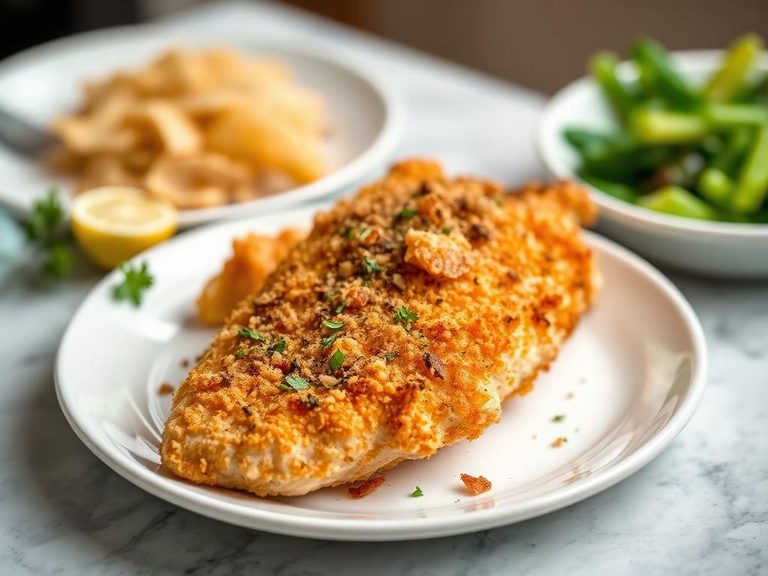
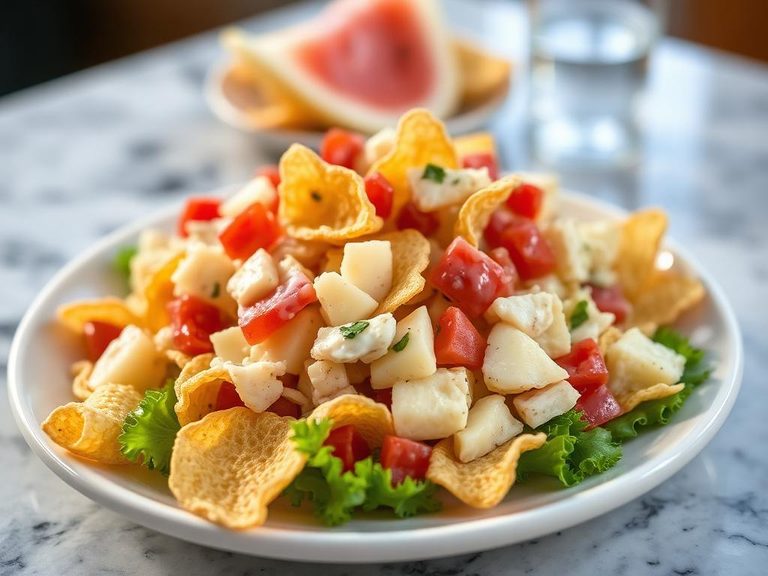
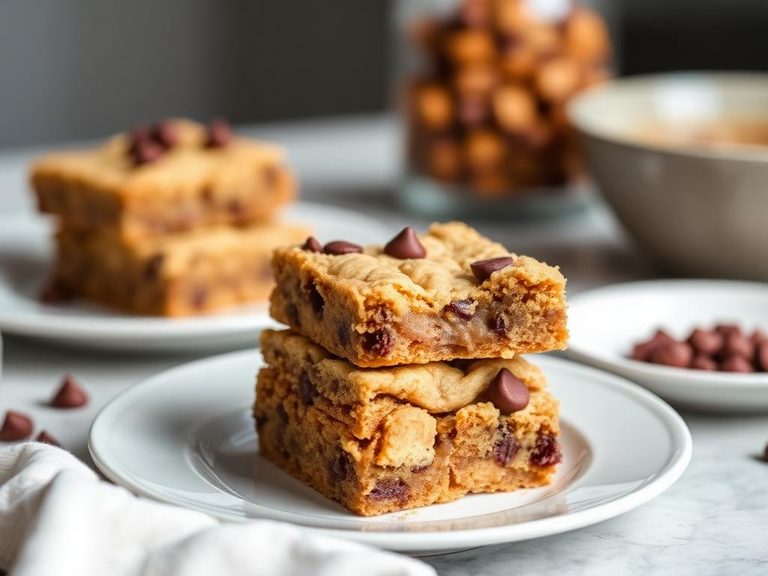
🌍 Where it's eaten
💡 Did you know?
The 'restructured' form means the chips aren't sliced from whole potatoes but are made from a dough of potato flakes, starches, and other grains, extruded and cut, allowing for uniform shapes and the incorporation of multiple grains.
Full nutrition (USDA data · scales with serving)
| Water | 2.3 g |
| Energy | 505 kcal |
| Protein | 5.3 g |
| Total lipid (fat) | 24.7 g |
| Carbohydrate, by difference | 65.3 g |
| Fiber, total dietary | 2.7 g |
| Total Sugars | 4.1 g |
| Calcium, Ca | 26.0 mg |
| Iron, Fe | 0.85 mg |
| Magnesium, Mg | 40.0 mg |
| Phosphorus, P | 127 mg |
| Potassium, K | 330 mg |
| Sodium, Na | 544 mg |
| Zinc, Zn | 0.91 mg |
| Copper, Cu | 0.14 mg |
| Selenium, Se | 8.4 ug |
| Vitamin C, total ascorbic acid | 0.70 mg |
| Thiamin | 0.13 mg |
| Riboflavin | 0.09 mg |
| Niacin | 2.6 mg |
| Vitamin B-6 | 0.25 mg |
| Folate, total | 16.0 ug |
| Folic acid | 0.00 ug |
| Folate, food | 16.0 ug |
| Folate, DFE | 16.0 ug |
| Choline, total | 32.9 mg |
| Vitamin B-12 | 0.00 ug |
| Vitamin B-12, added | 0.00 ug |
| Vitamin A, RAE | 0.00 ug |
| Retinol | 0.00 ug |
| Carotene, beta | 0.00 ug |
| Carotene, alpha | 0.00 ug |
| Cryptoxanthin, beta | 0.00 ug |
| Lycopene | 0.00 ug |
| Lutein + zeaxanthin | 0.00 ug |
| Vitamin E (alpha-tocopherol) | 9.1 mg |
| Vitamin E, added | 0.00 mg |
| Vitamin D (D2 + D3) | 0.00 ug |
| Vitamin K (phylloquinone) | 7.3 ug |
| Alcohol, ethyl | 0.00 g |
| Caffeine | 0.00 mg |
| Theobromine | 0.00 mg |
Fat & fatty acid profile (per 100g)
| Fatty acids, total saturated | 6.3 g |
| SFA 4:0 | 0.00 g |
| SFA 6:0 | 0.00 g |
| SFA 8:0 | 0.02 g |
| SFA 10:0 | 0.03 g |
| SFA 12:0 | 0.09 g |
| SFA 14:0 | 0.24 g |
| SFA 16:0 | 5.2 g |
| SFA 18:0 | 0.58 g |
| Fatty acids, total monounsaturated | 4.3 g |
| MUFA 16:1 | 0.12 g |
| MUFA 18:1 | 4.1 g |
| MUFA 20:1 | 0.02 g |
| MUFA 22:1 | 0.00 g |
| Fatty acids, total polyunsaturated | 10.6 g |
| PUFA 18:2 | 10.6 g |
| PUFA 18:3 | 0.04 g |
| PUFA 18:4 | 0.00 g |
| PUFA 20:4 | 0.01 g |
| PUFA 20:5 n-3 (EPA) | 0.00 g |
| PUFA 22:5 n-3 (DPA) | 0.00 g |
| PUFA 22:6 n-3 (DHA) | 0.00 g |
| Cholesterol | 0.00 mg |
Amino acid profile (per 100g)
Estimated from Snacks, potato chips, made from dried potatoes, sour-cream and onion-flavor — USDA does not publish this profile for Potato chips.
| Tryptophan | 0.07 g |
| Threonine | 0.28 g |
| Isoleucine | 0.31 g |
| Leucine | 0.48 g |
| Lysine | 0.44 g |
| Methionine | 0.10 g |
| Cystine | 0.08 g |
| Phenylalanine | 0.29 g |
| Tyrosine | 0.25 g |
| Valine | 0.38 g |
| Arginine | 0.31 g |
| Histidine | 0.15 g |
| Alanine | 0.25 g |
| Aspartic acid | 0.93 g |
| Glutamic acid | 1.1 g |
| Glycine | 0.21 g |
| Proline | 0.37 g |
| Serine | 0.29 g |
FAQ
How is this different from regular potato chips?
Regular potato chips are sliced from whole potatoes and fried. Restructured chips are made from a potato-based dough mixed with other flours and grains, then shaped and cooked, resulting in a denser, more uniform product.
Is it a healthier option than regular chips?
Not necessarily. While the multigrain blend may add trace nutrients and fiber, the calorie, fat, and carbohydrate densities are very similar to traditional fried potato chips. It should still be considered an occasional treat.
What does 'multigrain' typically mean in this context?
It usually indicates the inclusion of grains like corn, wheat, rice, or oat flours alongside the potato base. It does not automatically mean the product is whole-grain or high in fiber.
Nutrient density (calculated · NRF9.3)
Nutrient Rich Foods index: beneficial nutrients (protein, fiber, vitamins, minerals) minus saturated fat, added sugar & sodium, per 100 kcal.
NRF9.3 index — Fulgoni, Keast & Drewnowski, 2009. Computed from USDA nutrients.
Weight-loss friendliness (composite index)
Energy density 5.05 kcal/g · 4% calories from protein · 2.7 g fiber · 4.1 g sugar per 100 g.
Composite of energy density (Rolls et al., 1999), protein & fiber satiety, minus sugar. A calculated heuristic — ranks satiety-per-calorie, not a clinical measure.
Dietary load (calculated from USDA values)
Potential renal acid load. Positive = acid-forming, negative = alkaline-forming.
Sodium-to-potassium ratio: 1.65 (lower is better — aim for ≤ 1)
Sodium:potassium per WHO potassium guidance. Computed from USDA nutrients.