

Potato chips, popped, plain
Common food

Photo: Wikipedia
Popped potato chips are a light, airy snack made from potato granules or flour that expands under heat, creating a crunchy, cloud-like texture. They offer the classic potato flavor in a less greasy form than traditional chips, with a satisfying, melt-in-your-mouth crispness. Nutritionally, they are a carbohydrate-dense energy source with moderate fat and minimal protein.
Calorie split: 4% protein · 61% carbs · 35% fat
↓ Full nutrition💚 Why it's loved
People love them for their uniquely light, crunchy texture that delivers a satisfying snack experience without the heavy, greasy feel of traditional chips. They are a versatile, portable comfort food enjoyed casually or as a quick energy boost.
⚠️ Watch-outs & how to enjoy it better
As a refined carbohydrate snack with a high glycemic index, they can cause rapid blood-sugar spikes, making them less ideal for those managing diabetes. To mitigate this, pair a small portion with a protein or fat source like hummus or cheese to slow absorption. Their typically high sodium content also warrants mindful consumption for those monitoring salt intake.
Key benefits
- Provides quick energy from carbohydrates
- Lower fat content than many fried potato chips
- Light texture can aid portion awareness
- Source of dietary fiber
- Simple, familiar snack flavor
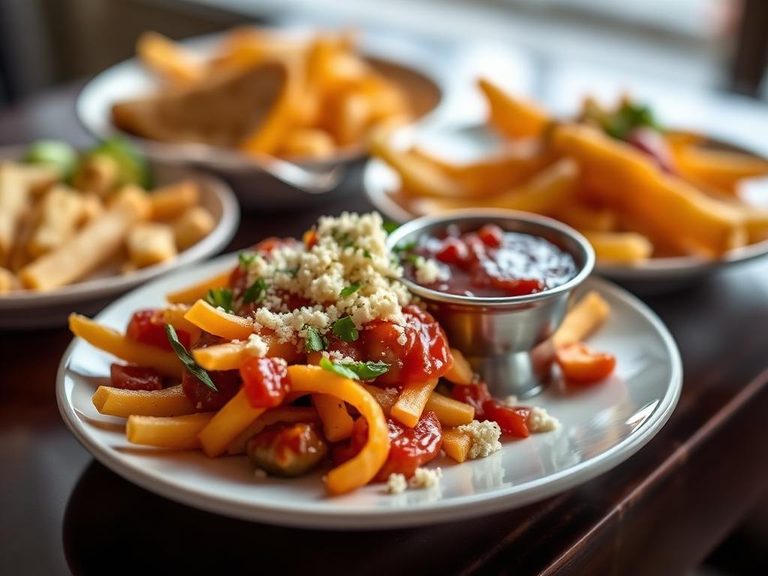
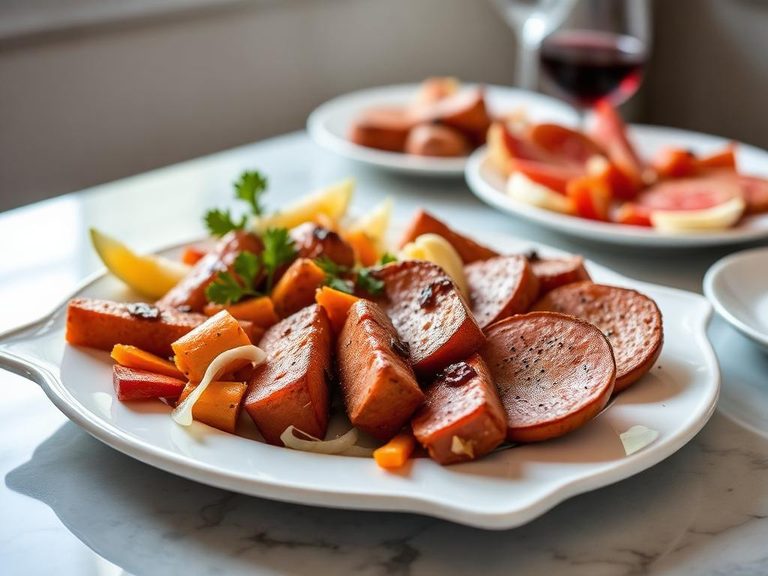
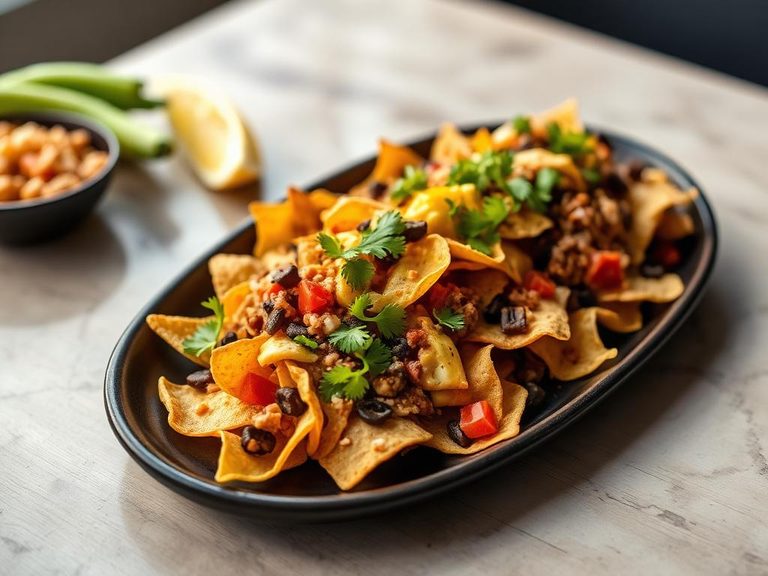
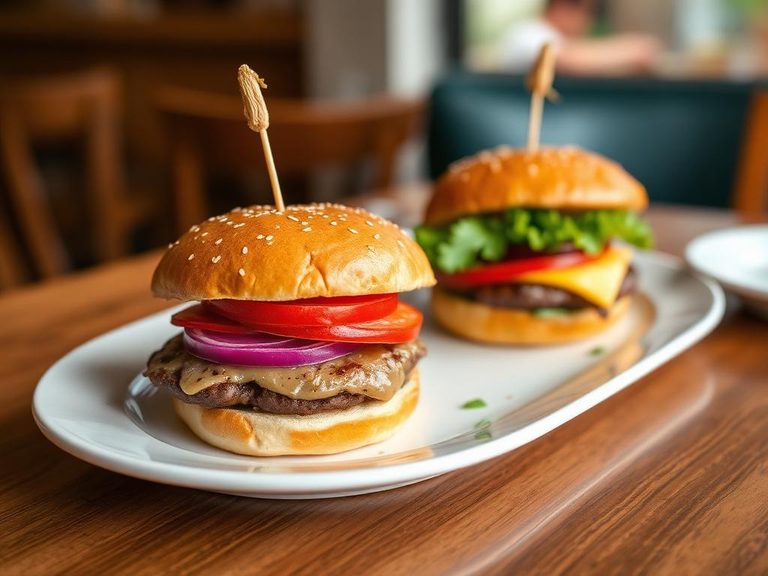
🍽️ Popular dishes
🌍 Where it's eaten
💡 Did you know?
The 'popping' process uses pressure and heat, similar to how popcorn pops, but with potato granules, causing them to expand rapidly and create the signature airy structure.
Full nutrition (USDA data · scales with serving)
| Water | 1.4 g |
| Energy | 469 kcal |
| Protein | 5.0 g |
| Total lipid (fat) | 18.2 g |
| Carbohydrate, by difference | 71.4 g |
| Fiber, total dietary | 4.8 g |
| Total Sugars | 5.0 g |
| Calcium, Ca | 125 mg |
| Iron, Fe | 0.80 mg |
| Magnesium, Mg | 43.0 mg |
| Phosphorus, P | 274 mg |
| Potassium, K | 721 mg |
| Sodium, Na | 536 mg |
| Zinc, Zn | 0.45 mg |
| Copper, Cu | 0.10 mg |
| Selenium, Se | 8.1 ug |
| Vitamin C, total ascorbic acid | 0.00 mg |
| Thiamin | 0.34 mg |
| Riboflavin | 0.07 mg |
| Niacin | 4.1 mg |
| Vitamin B-6 | 0.51 mg |
| Folate, total | 0.00 ug |
| Folic acid | 0.00 ug |
| Folate, food | 0.00 ug |
| Folate, DFE | 0.00 ug |
| Choline, total | 31.6 mg |
| Vitamin B-12 | 0.00 ug |
| Vitamin B-12, added | 0.00 ug |
| Vitamin A, RAE | 0.00 ug |
| Retinol | 0.00 ug |
| Carotene, beta | 0.00 ug |
| Carotene, alpha | 0.00 ug |
| Cryptoxanthin, beta | 0.00 ug |
| Lycopene | 0.00 ug |
| Lutein + zeaxanthin | 0.00 ug |
| Vitamin E (alpha-tocopherol) | 2.2 mg |
| Vitamin E, added | 0.00 mg |
| Vitamin D (D2 + D3) | 0.00 ug |
| Vitamin K (phylloquinone) | 7.2 ug |
| Alcohol, ethyl | 0.00 g |
| Caffeine | 0.00 mg |
| Theobromine | 0.00 mg |
Fat & fatty acid profile (per 100g)
| Fatty acids, total saturated | 2.6 g |
| SFA 4:0 | 0.00 g |
| SFA 6:0 | 0.00 g |
| SFA 8:0 | 0.00 g |
| SFA 10:0 | 0.00 g |
| SFA 12:0 | 0.01 g |
| SFA 14:0 | 0.00 g |
| SFA 16:0 | 1.8 g |
| SFA 18:0 | 0.80 g |
| Fatty acids, total monounsaturated | 9.9 g |
| MUFA 16:1 | 0.00 g |
| MUFA 18:1 | 9.9 g |
| MUFA 20:1 | 0.00 g |
| MUFA 22:1 | 0.00 g |
| Fatty acids, total polyunsaturated | 4.2 g |
| PUFA 18:2 | 4.0 g |
| PUFA 18:3 | 0.20 g |
| PUFA 18:4 | 0.00 g |
| PUFA 20:4 | 0.00 g |
| PUFA 20:5 n-3 (EPA) | 0.00 g |
| PUFA 22:5 n-3 (DPA) | 0.00 g |
| PUFA 22:6 n-3 (DHA) | 0.00 g |
| Cholesterol | 0.00 mg |
Amino acid profile (per 100g)
Estimated from Snacks, potato chips, made from dried potatoes, sour-cream and onion-flavor — USDA does not publish this profile for Potato chips.
| Tryptophan | 0.07 g |
| Threonine | 0.28 g |
| Isoleucine | 0.31 g |
| Leucine | 0.48 g |
| Lysine | 0.44 g |
| Methionine | 0.10 g |
| Cystine | 0.08 g |
| Phenylalanine | 0.29 g |
| Tyrosine | 0.25 g |
| Valine | 0.38 g |
| Arginine | 0.31 g |
| Histidine | 0.15 g |
| Alanine | 0.25 g |
| Aspartic acid | 0.93 g |
| Glutamic acid | 1.1 g |
| Glycine | 0.21 g |
| Proline | 0.37 g |
| Serine | 0.29 g |
FAQ
How are popped potato chips different from regular chips?
They are made from potato granules or flour that is cooked under pressure and then rapidly depressurized, causing it to 'pop' and expand. This creates a lighter, airier texture with less oil absorption compared to sliced, fried potato chips.
Are popped potato chips gluten-free?
It varies by brand. While the primary ingredient is potato, some brands may use wheat-based ingredients or process them in facilities that handle wheat. Always check the packaging for a certified gluten-free label if you have celiac disease or gluten sensitivity.
Can I make them at home?
Yes, but it requires specialized equipment like a pressure cooker or a dedicated 'popper' machine to achieve the rapid depressurization needed for the popping effect. Home attempts often result in a denser, more cracker-like product.
Nutrient density (calculated · NRF9.3)
Nutrient Rich Foods index: beneficial nutrients (protein, fiber, vitamins, minerals) minus saturated fat, added sugar & sodium, per 100 kcal.
NRF9.3 index — Fulgoni, Keast & Drewnowski, 2009. Computed from USDA nutrients.
Weight-loss friendliness (composite index)
Energy density 4.69 kcal/g · 4% calories from protein · 4.8 g fiber · 5.0 g sugar per 100 g.
Composite of energy density (Rolls et al., 1999), protein & fiber satiety, minus sugar. A calculated heuristic — ranks satiety-per-calorie, not a clinical measure.
Dietary load (calculated from USDA values)
Potential renal acid load. Positive = acid-forming, negative = alkaline-forming.
Sodium-to-potassium ratio: 0.74 (lower is better — aim for ≤ 1)
Sodium:potassium per WHO potassium guidance. Computed from USDA nutrients.