

Party platter component
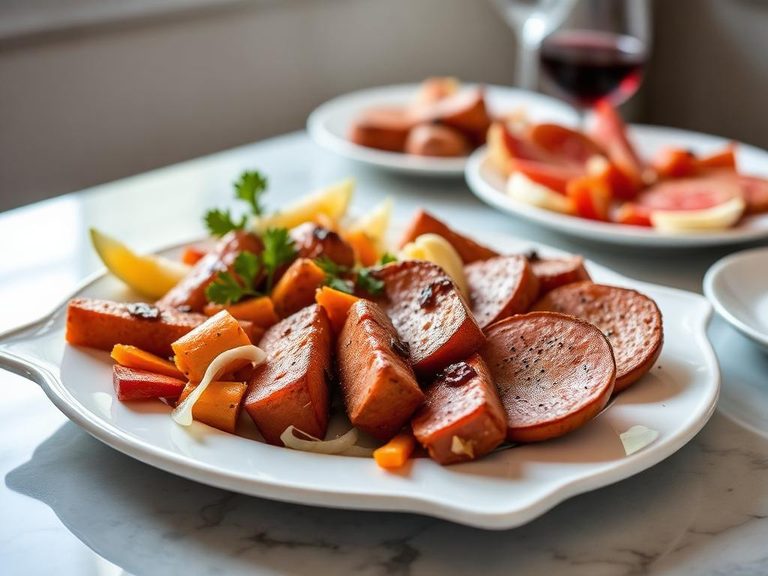
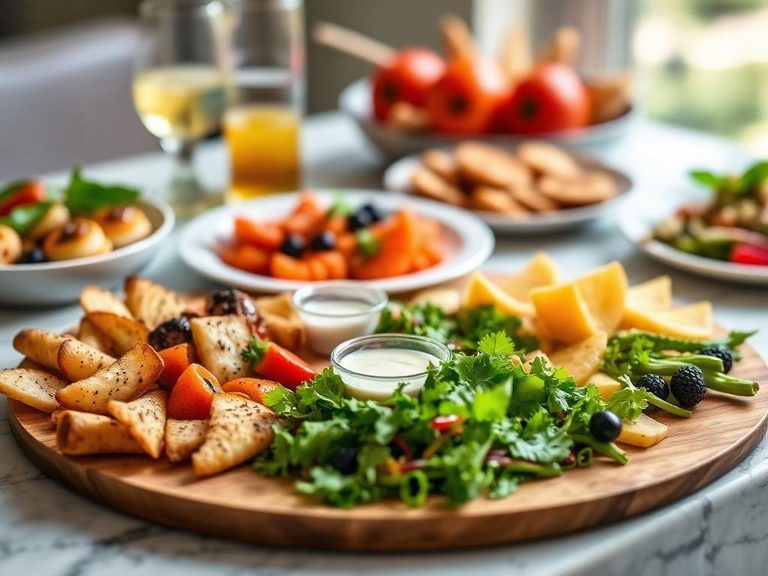
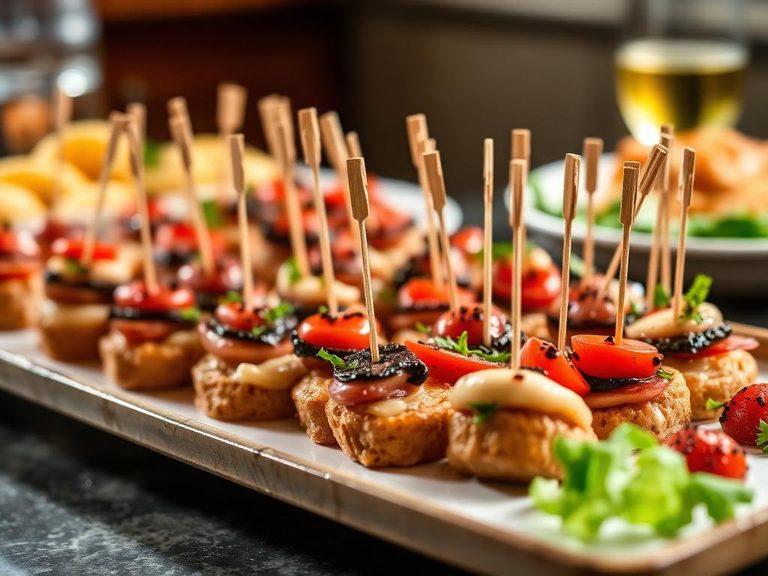
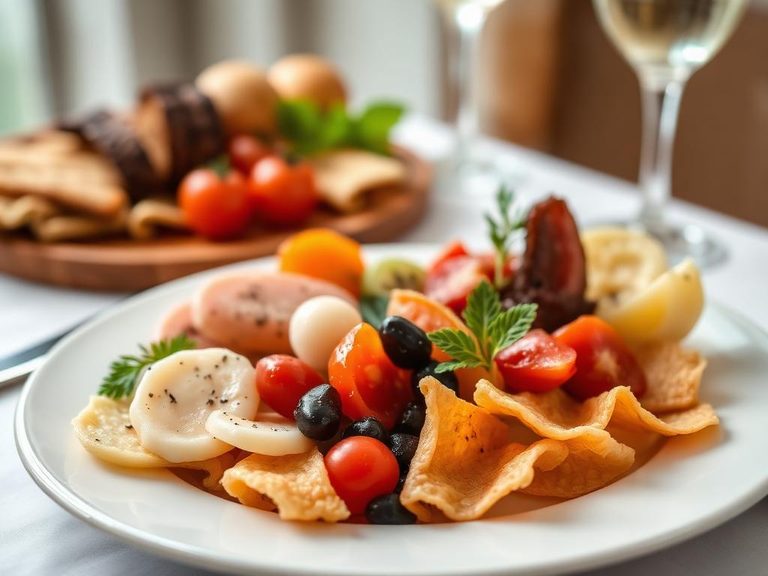
A party platter component is a versatile, bite-sized food item designed for communal sharing at social gatherings. It typically features a combination of savory and fresh ingredients like cured meats, cheeses, olives, and vegetables, arranged on a board or platter. This style of serving has roots in Mediterranean and European culinary traditions, emphasizing variety and social interaction.
🍽️ Nutrition at a glance
These components are often balanced but can be high in fat and sodium, especially with cured meats and cheeses. They provide a mix of protein, fats, and some carbohydrates, with key nutrients like calcium, iron, and vitamins depending on the specific items included.
Nutrition breakdown
| Calories | 350 kcal |
| Protein | 15 g |
| Carbs | 10 g |
| Fat | 28 g |
| Fiber | 2 g |
| Sugar | 3 g |
| Sodium | 800 mg |
| Calcium | 200 mg |
| Iron | 2 mg |
| Vitamin A | 150 IU |
| Vitamin C | 5 mg |
| Potassium | 250 mg |
| Phosphorus | 180 mg |
| Zinc | 1.5 mg |
| Selenium | 8 mcg |
Per 1 platter portion (approx. 150 g) · estimated, varies by recipe
💡 What's interesting
Party platters are culturally significant for fostering social bonding and are a staple at celebrations worldwide. Nutritionally, they offer a customizable way to combine different food groups, making it easy to include a variety of textures and flavors in one spread.
🍽️ Related dishes
AI estimate may be inaccurate · Terms