

Antipasto Platter Component
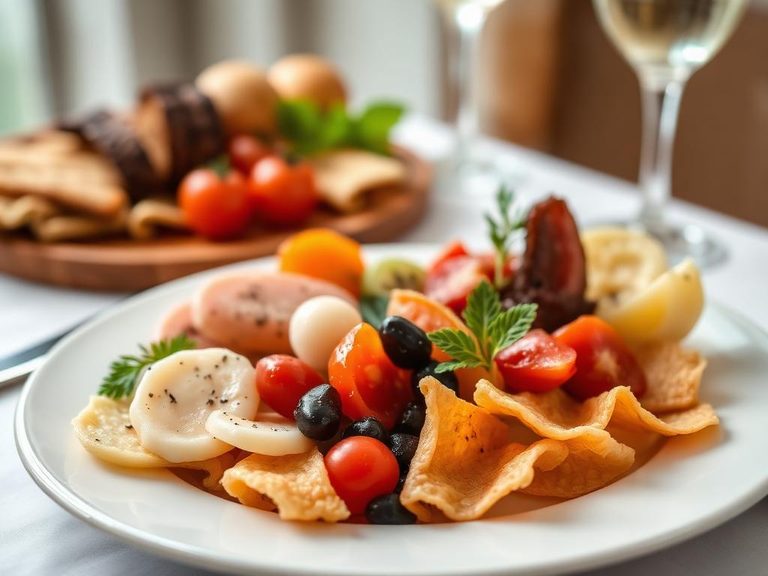
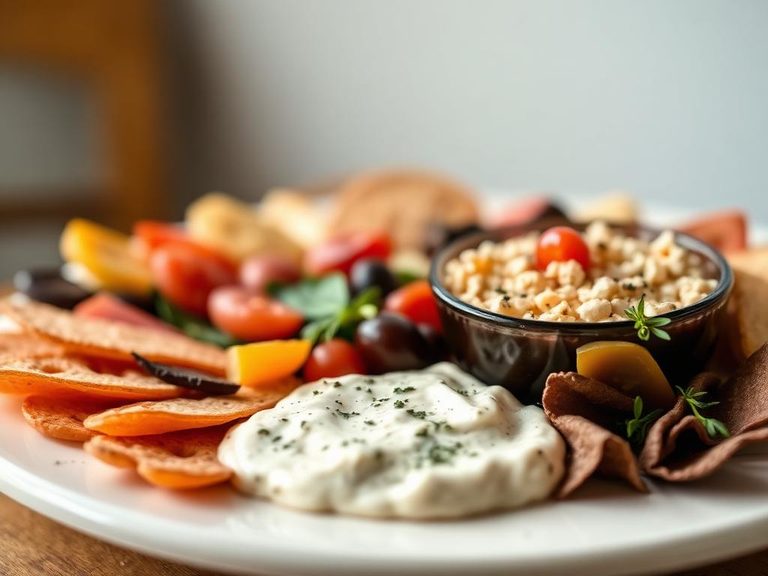
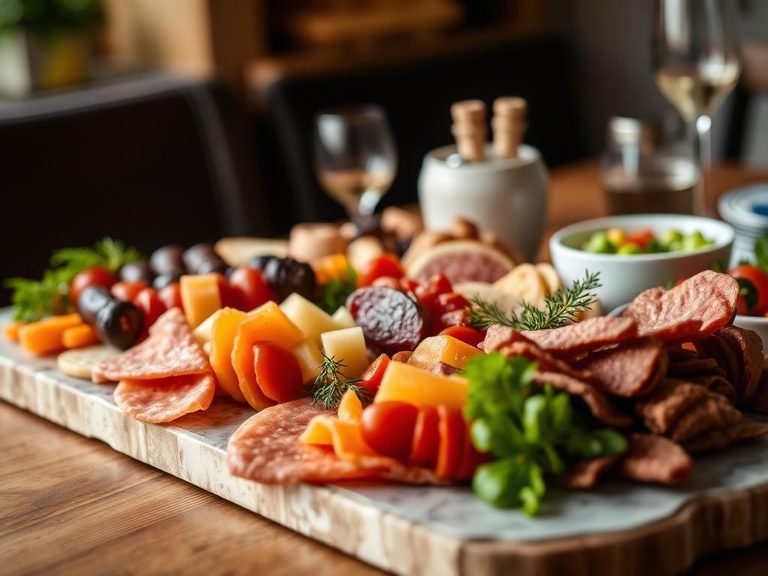
An Antipasto Platter Component refers to the individual items that make up a classic Italian antipasto, a traditional first course meant to stimulate the appetite. These components typically include a curated selection of cured meats like prosciutto or salami, various cheeses such as mozzarella or provolone, marinated vegetables like artichoke hearts and olives, and sometimes seafood or breadsticks. This style of serving originates from Italy, where it is a beloved part of social gatherings and meals.
🍳 View the full Antipasto Platter Component recipe →
🍽️ Nutrition at a glance
Antipasto components are generally high in protein and fat, with moderate carbohydrates depending on the specific items chosen, and provide key nutrients like calcium, iron, and healthy fats from olive oil. A typical serving can range from 300 to 500 calories, making it a rich but balanced option when portioned mindfully.
Nutrition breakdown
| Calories | 650 kcal |
| Protein | 35 g |
| Carbs | 25 g |
| Fat | 48 g |
| Fiber | 4 g |
| Sugar | 10 g |
| Sodium | 2200 mg |
| Sodium | 2200 mg |
| Potassium | 600 mg |
| Calcium | 300 mg |
| Iron | 3 mg |
| Vitamin A | 800 IU |
| Vitamin C | 15 mg |
| Vitamin B12 | 1.5 mcg |
| Phosphorus | 400 mg |
Per 1 platter (about 300 g) · estimated, varies by recipe
💡 What's interesting
Culturally, antipasto embodies the Italian philosophy of 'la dolce vita' by encouraging communal sharing and savoring diverse flavors before a meal. Nutritionally, many components like olives and olive oil are staples of the Mediterranean diet, known for supporting heart health and providing antioxidants.
🍽️ Related dishes
AI estimate may be inaccurate · Terms