

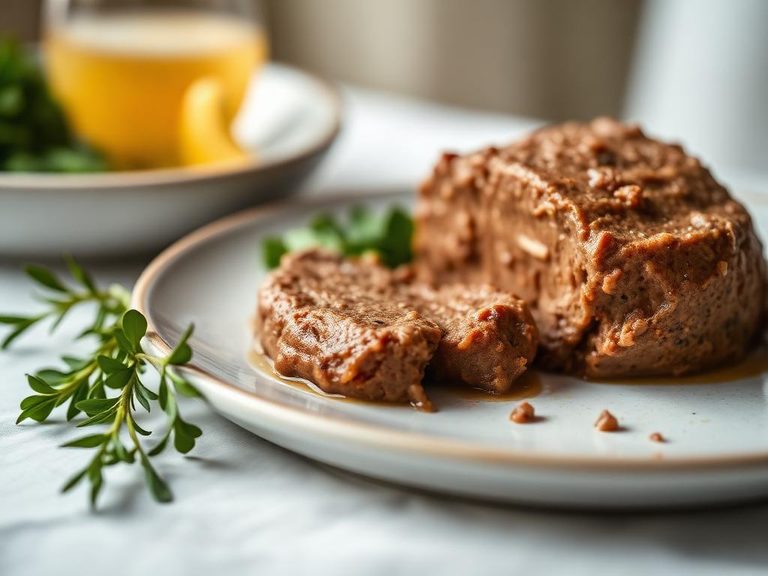
Pork, fresh, variety meats and by-products, spleen, cooked, braised
Whole food · Pork Products

Photo: Wikipedia
Braised pork spleen is a dense, iron-rich organ meat with a distinctively smooth, slightly grainy texture and a deep, savory, mineral-forward flavor. It is a nutritional powerhouse, delivering an exceptional 28.2 grams of protein per 100 grams with virtually no carbohydrates or fat, making it a lean protein champion.
Calorie split: 80% protein · 0% carbs · 20% fat
↓ Full nutrition💚 Why it's loved
People love it for its unique, robust flavor that absorbs braising liquids beautifully, and its cultural significance in many cuisines as a prized, nutrient-dense delicacy often associated with strength and restorative meals.
⚠️ Watch-outs & how to enjoy it better
Its strong, mineral taste and specific texture can be off-putting to those unfamiliar with organ meats. It is also high in cholesterol and purines, so individuals with gout, kidney issues, or hyperlipidemia should consume it in strict moderation. To counteract the strong flavor, it is often braised with aromatics like garlic, ginger, and star anise, and paired with starchy sides like rice or potatoes.
Key benefits
- Exceptionally high in complete protein for muscle maintenance.
- Outstanding source of heme iron, more bioavailable than plant-based iron.
- Very low in fat and carbohydrates, ideal for low-fat or ketogenic diets.
- Rich in B vitamins, particularly B12, crucial for nerve function and red blood cell formation.
- Contains significant zinc, supporting immune system health.
🍽️ Popular dishes
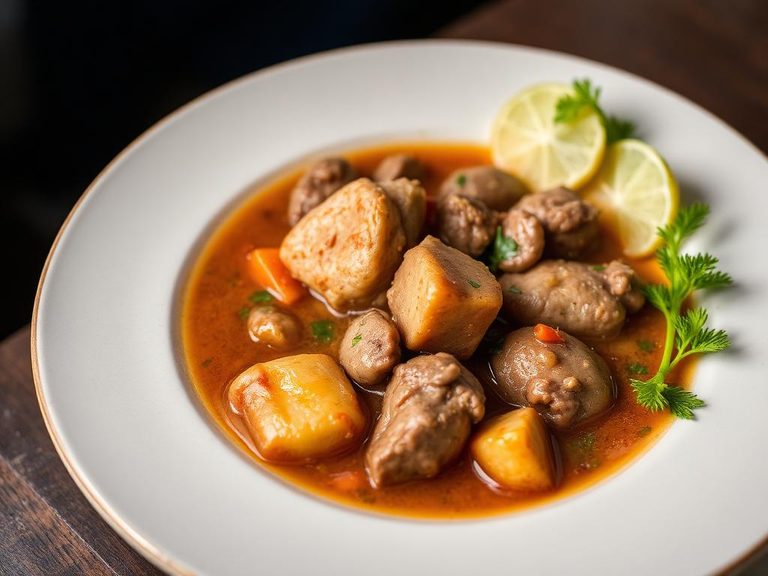 Spleen Stew (common in various forms across Eastern Europe)
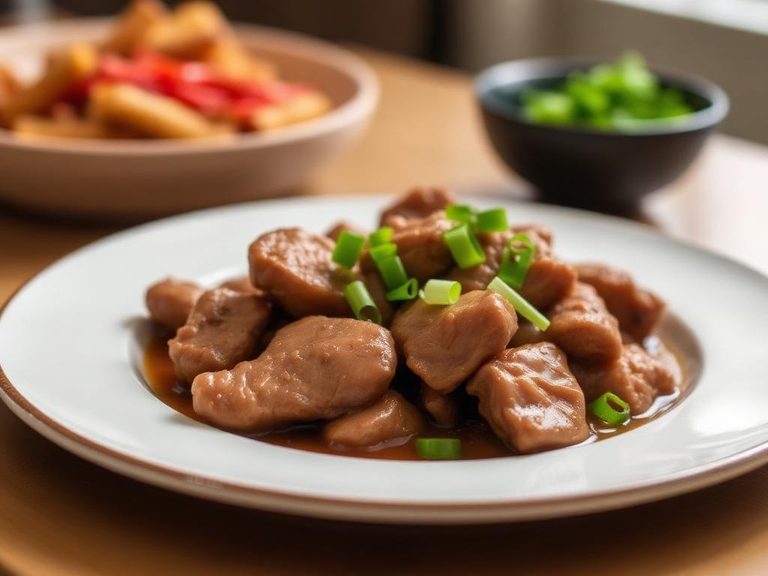 Braised Pork Spleen with Ginger and Scallions (Chinese home cooking)
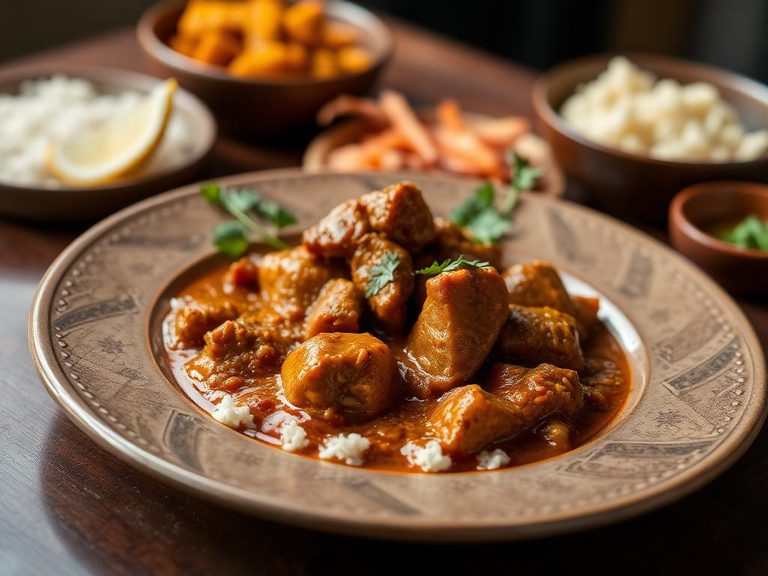 Spleen Curry (found in parts of India and Southeast Asia)
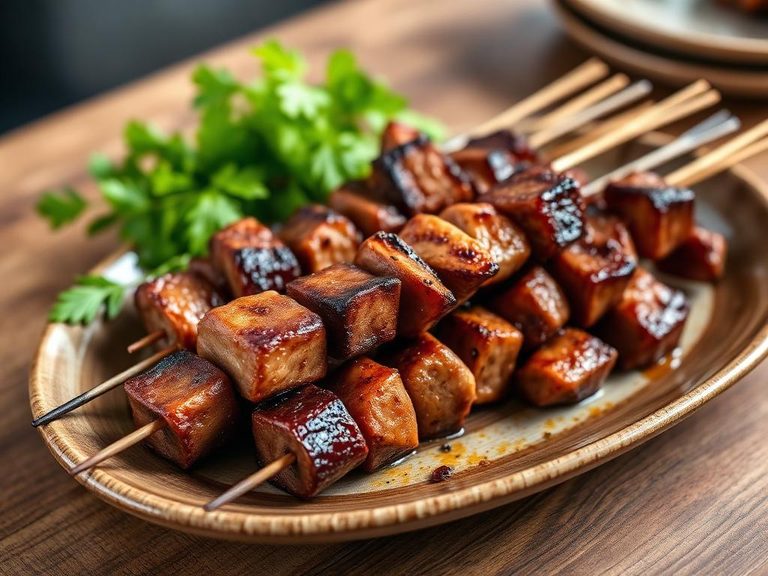 Grilled Spleen Skewers (Street food in some Mediterranean regions)
 Spleen and Liver Pâté (a traditional charcuterie item)
🌍 Where it's eaten
💡 Did you know?
The spleen acts as a blood filter in the body, which contributes to its high iron content and its historical use in traditional medicine as a 'blood-building' food.
Full nutrition (USDA data · scales with serving)
| Water | 66.7 g |
| Energy | 149 kcal |
| Energy | 623 kj |
| Protein | 28.2 g |
| Total lipid (fat) | 3.2 g |
| Ash | 1.7 g |
| Carbohydrate, by difference | 0.00 g |
| Fiber, total dietary | 0.00 g |
| Calcium, Ca | 13.0 mg |
| Iron, Fe | 22.2 mg |
| Magnesium, Mg | 15.0 mg |
| Phosphorus, P | 283 mg |
| Potassium, K | 227 mg |
| Sodium, Na | 107 mg |
| Zinc, Zn | 3.5 mg |
| Copper, Cu | 0.13 mg |
| Manganese, Mn | 0.04 mg |
| Selenium, Se | 49.6 ug |
| Vitamin C, total ascorbic acid | 11.6 mg |
| Thiamin | 0.14 mg |
| Riboflavin | 0.26 mg |
| Niacin | 5.9 mg |
| Pantothenic acid | 0.89 mg |
| Vitamin B-6 | 0.06 mg |
| Folate, total | 4.0 ug |
| Folic acid | 0.00 ug |
| Folate, food | 4.0 ug |
| Folate, DFE | 4.0 ug |
| Vitamin B-12 | 2.8 ug |
| Vitamin A, RAE | 0.00 ug |
| Retinol | 0.00 ug |
| Vitamin A, IU | 0.00 iu |
Fat & fatty acid profile (per 100g)
| Fatty acids, total saturated | 1.1 g |
| SFA 4:0 | 0.00 g |
| SFA 6:0 | 0.00 g |
| SFA 8:0 | 0.00 g |
| SFA 10:0 | 0.00 g |
| SFA 12:0 | 0.01 g |
| SFA 14:0 | 0.07 g |
| SFA 16:0 | 0.57 g |
| SFA 18:0 | 0.40 g |
| Fatty acids, total monounsaturated | 0.86 g |
| MUFA 16:1 | 0.12 g |
| MUFA 18:1 | 0.73 g |
| MUFA 20:1 | 0.00 g |
| MUFA 22:1 | 0.00 g |
| Fatty acids, total polyunsaturated | 0.23 g |
| PUFA 18:2 | 0.23 g |
| PUFA 18:3 | 0.00 g |
| PUFA 18:4 | 0.00 g |
| PUFA 20:4 | 0.00 g |
| PUFA 20:5 n-3 (EPA) | 0.00 g |
| PUFA 22:5 n-3 (DPA) | 0.00 g |
| PUFA 22:6 n-3 (DHA) | 0.00 g |
| Cholesterol | 504 mg |
| Phytosterols | 0.00 mg |
Amino acid profile (per 100g)
| Tryptophan | 0.29 g |
| Threonine | 1.1 g |
| Isoleucine | 1.3 g |
| Leucine | 2.3 g |
| Lysine | 2.1 g |
| Methionine | 0.52 g |
| Cystine | 0.36 g |
| Phenylalanine | 1.2 g |
| Tyrosine | 0.79 g |
| Valine | 1.5 g |
| Arginine | 1.5 g |
| Histidine | 0.67 g |
| Alanine | 1.8 g |
| Aspartic acid | 2.5 g |
| Glutamic acid | 3.2 g |
| Glycine | 1.8 g |
| Proline | 1.6 g |
| Serine | 1.2 g |
FAQ
What does braised pork spleen taste like?
It has a rich, savory, and distinctly mineral or 'iron-like' flavor, often described as more intense than muscle meat. The texture is smooth and dense, similar to a very fine-grained pâté or firm tofu.
How do I prepare it to reduce the strong flavor?
Soaking it in cold water or milk for an hour before cooking can help. Braising it slowly in a flavorful liquid with strong aromatics like onions, garlic, ginger, soy sauce, or vinegar is the most common method to mellow the taste.
Is it safe to eat? Are there any risks?
When sourced from a reputable butcher and cooked thoroughly to an internal temperature of 160°F (71°C), it is safe. The primary considerations are its high cholesterol and purine content, which require moderation for individuals with specific health conditions.
Nutrient density (calculated · NRF9.3)
Nutrient Rich Foods index: beneficial nutrients (protein, fiber, vitamins, minerals) minus saturated fat, added sugar & sodium, per 100 kcal.
NRF9.3 index — Fulgoni, Keast & Drewnowski, 2009. Computed from USDA nutrients.
Weight-loss friendliness (composite index)
Energy density 1.49 kcal/g · 76% calories from protein · 0.0 g fiber · 0.0 g sugar per 100 g.
Composite of energy density (Rolls et al., 1999), protein & fiber satiety, minus sugar. A calculated heuristic — ranks satiety-per-calorie, not a clinical measure.
Dietary load (calculated from USDA values)
Potential renal acid load. Positive = acid-forming, negative = alkaline-forming.
Sodium-to-potassium ratio: 0.47 (lower is better — aim for ≤ 1)
Sodium:potassium per WHO potassium guidance. Computed from USDA nutrients.