

Pork, fresh, variety meats and by-products, leaf fat, raw
Whole food · Pork Products

Photo: Wikipedia
Leaf fat, also known as leaf lard, is the highest grade of lard, rendered from the visceral fat surrounding a pig's kidneys. It has a remarkably clean, mild flavor and a smooth, creamy texture when rendered, making it the gold standard for baking. Nutritionally, it is almost pure animal fat, providing a dense source of energy with negligible protein or carbohydrates.
Calorie split: 1% protein · 0% carbs · 99% fat
↓ Full nutrition💚 Why it's loved
Chefs and bakers revere leaf lard for its ability to create unparalleled flakiness and a delicate, rich flavor in pie crusts, biscuits, and pastries without a strong 'porky' taste. Its cultural significance is deeply tied to traditional American and European farmhouse cooking.
⚠️ Watch-outs & how to enjoy it better
Due to its extremely high saturated fat content (about 39%), it should be consumed in moderation as part of a balanced diet. To counteract this, use it sparingly as a flavor enhancer rather than a primary cooking fat, and balance meals with fiber-rich vegetables and lean proteins.
Key benefits
- Excellent source of energy-dense calories.
- High in monounsaturated fats, similar to olive oil.
- Traditional fat for creating flaky, tender pastry crusts.
- Contains no carbohydrates or sugars.
- A staple in historical and traditional cooking methods.
🍽️ Popular dishes
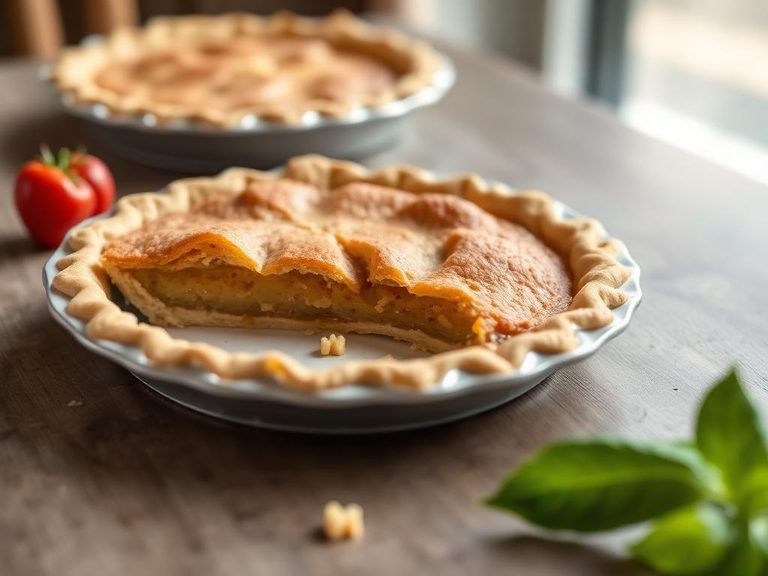
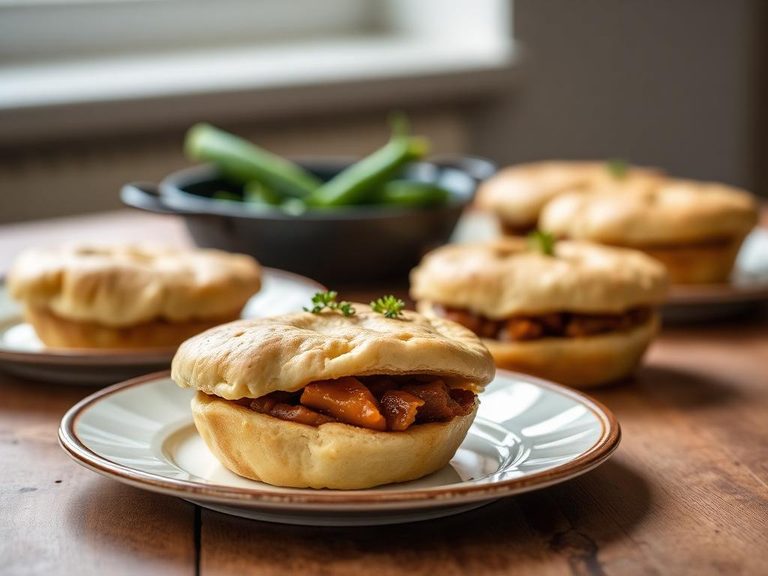
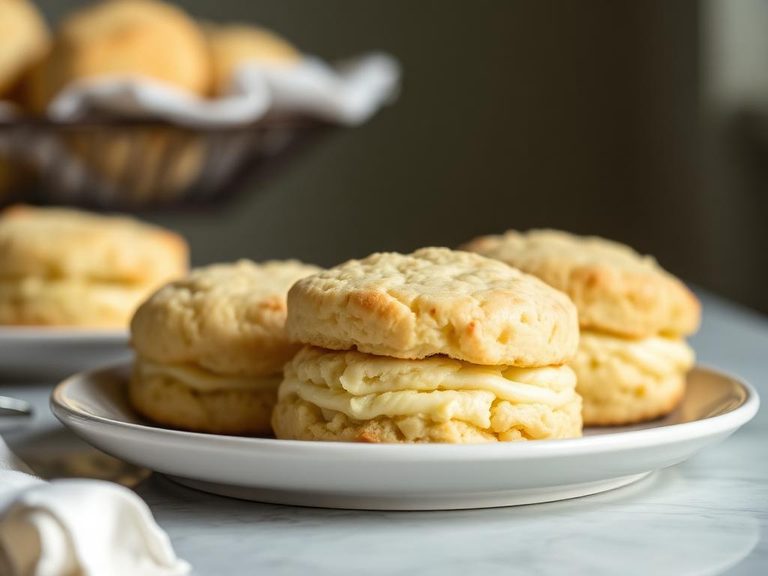
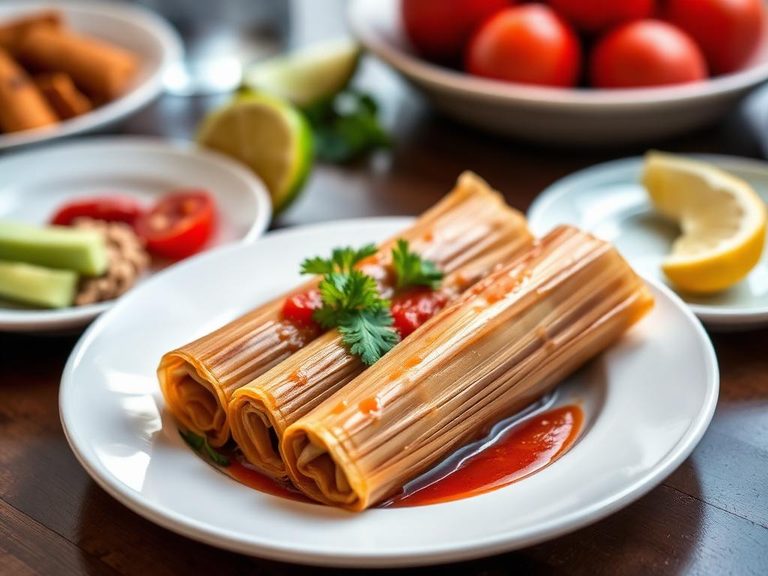
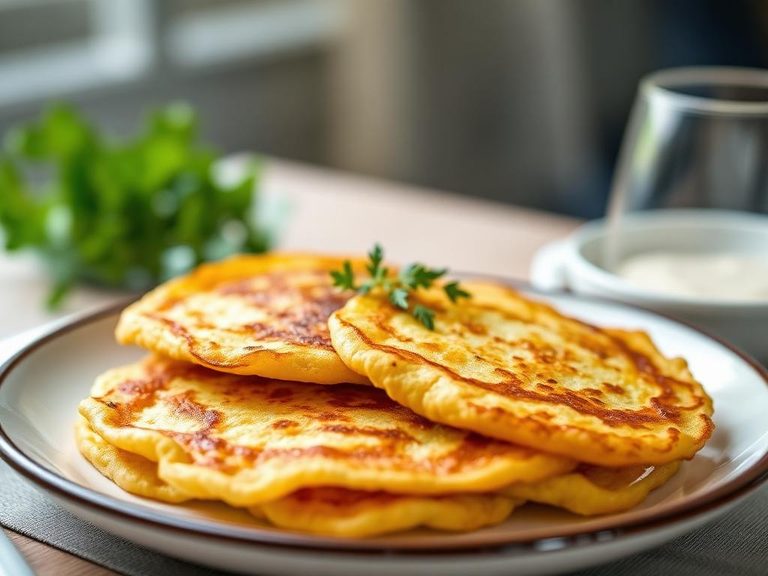
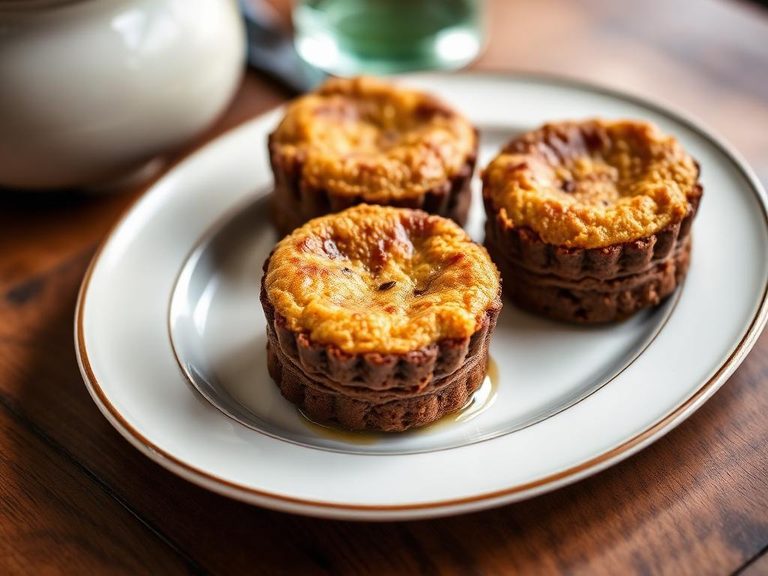
🌍 Where it's eaten
💡 Did you know?
Leaf lard was historically considered so valuable that it was often kept separate from other cooking fats and was a common item in a household's 'larder,' giving the storage closet its name.
Full nutrition (USDA data · scales with serving)
| Water | 4.1 g |
| Energy | 857 kcal |
| Energy | 3586 kj |
| Protein | 1.8 g |
| Total lipid (fat) | 94.2 g |
| Ash | 0.10 g |
| Carbohydrate, by difference | 0.00 g |
| Fiber, total dietary | 0.00 g |
| Calcium, Ca | 1.0 mg |
| Iron, Fe | 0.09 mg |
| Magnesium, Mg | 1.0 mg |
| Phosphorus, P | 19.0 mg |
| Potassium, K | 31.0 mg |
| Sodium, Na | 5.0 mg |
| Zinc, Zn | 0.18 mg |
| Copper, Cu | 0.01 mg |
| Manganese, Mn | 0.00 mg |
| Selenium, Se | 8.0 ug |
| Vitamin C, total ascorbic acid | 0.00 mg |
| Thiamin | 0.11 mg |
| Riboflavin | 0.07 mg |
| Niacin | 1.2 mg |
| Pantothenic acid | 0.00 mg |
| Vitamin B-6 | 0.03 mg |
| Folate, total | 0.00 ug |
| Folic acid | 0.00 ug |
| Folate, food | 0.00 ug |
| Folate, DFE | 0.00 ug |
| Vitamin B-12 | 0.23 ug |
| Vitamin A, RAE | 0.00 ug |
| Retinol | 0.00 ug |
| Vitamin A, IU | 0.00 iu |
Fat & fatty acid profile (per 100g)
| Fatty acids, total saturated | 45.2 g |
| SFA 4:0 | 0.00 g |
| SFA 6:0 | 0.00 g |
| SFA 8:0 | 0.00 g |
| SFA 10:0 | 0.00 g |
| SFA 12:0 | 0.00 g |
| SFA 14:0 | 1.4 g |
| SFA 16:0 | 26.8 g |
| SFA 18:0 | 17.1 g |
| Fatty acids, total monounsaturated | 37.2 g |
| MUFA 16:1 | 2.0 g |
| MUFA 18:1 | 35.3 g |
| MUFA 20:1 | 0.00 g |
| MUFA 22:1 | 0.00 g |
| Fatty acids, total polyunsaturated | 7.3 g |
| PUFA 18:2 | 6.3 g |
| PUFA 18:3 | 0.94 g |
| PUFA 18:4 | 0.00 g |
| PUFA 20:4 | 0.00 g |
| PUFA 20:5 n-3 (EPA) | 0.00 g |
| PUFA 22:5 n-3 (DPA) | 0.00 g |
| PUFA 22:6 n-3 (DHA) | 0.00 g |
| Cholesterol | 110 mg |
| Phytosterols | 0.00 mg |
Amino acid profile (per 100g)
| Tryptophan | 0.01 g |
| Threonine | 0.06 g |
| Isoleucine | 0.05 g |
| Leucine | 0.12 g |
| Lysine | 0.15 g |
| Methionine | 0.03 g |
| Cystine | 0.01 g |
| Phenylalanine | 0.07 g |
| Tyrosine | 0.03 g |
| Valine | 0.08 g |
| Arginine | 0.18 g |
| Histidine | 0.02 g |
| Alanine | 0.10 g |
| Aspartic acid | 0.16 g |
| Glutamic acid | 0.27 g |
| Glycine | 0.08 g |
| Proline | 0.07 g |
| Serine | 0.07 g |
FAQ
What's the difference between leaf lard and regular lard?
Leaf lard comes from the fat around the kidneys and is softer, milder, and has a higher smoke point, making it ideal for baking. Regular lard comes from other parts of the pig and can have a stronger flavor and grainier texture.
Is leaf lard the same as tallow?
No. Leaf lard is rendered pork fat. Tallow is rendered beef or mutton fat. They have different flavors and melting points, making them suitable for different culinary applications.
How should I store rendered leaf lard?
Store it in an airtight container in the refrigerator for several months or in the freezer for up to a year. It should smell clean; discard it if it develops an off odor.
Nutrient density (calculated · NRF9.3)
Nutrient Rich Foods index: beneficial nutrients (protein, fiber, vitamins, minerals) minus saturated fat, added sugar & sodium, per 100 kcal.
NRF9.3 index — Fulgoni, Keast & Drewnowski, 2009. Computed from USDA nutrients.
Weight-loss friendliness (composite index)
Energy density 8.57 kcal/g · 1% calories from protein · 0.0 g fiber · 0.0 g sugar per 100 g.
Composite of energy density (Rolls et al., 1999), protein & fiber satiety, minus sugar. A calculated heuristic — ranks satiety-per-calorie, not a clinical measure.
Dietary load (calculated from USDA values)
Potential renal acid load. Positive = acid-forming, negative = alkaline-forming.
Sodium-to-potassium ratio: 0.16 (lower is better — aim for ≤ 1)
Sodium:potassium per WHO potassium guidance. Computed from USDA nutrients.