

Pork, cured, separable fat (from ham and arm picnic), roasted
Whole food · Pork Products
This is the rendered, crispy, and intensely savory fat rendered from cured pork ham or picnic shoulder, often called cracklings or pork rinds when fried. It possesses a rich, salty, umami flavor with a melt-in-your-mouth, slightly chewy or crispy texture depending on preparation. Nutritionally, it is an extremely dense source of energy, composed almost entirely of fat with negligible protein or carbohydrates.
Calorie split: 5% protein · 0% carbs · 95% fat
↓ Full nutrition💚 Why it's loved
People love it for its deep, salty, umami punch and satisfying crunch or melt, which elevates simple dishes. It is a cultural staple in many cuisines, used as a flavorful garnish, a cooking fat, or a standalone snack.
⚠️ Watch-outs & how to enjoy it better
Its extremely high fat and sodium content can be a concern for those monitoring heart health or blood pressure. To counteract this, practice strict portion control and pair it with fiber-rich vegetables or lean proteins to balance the meal. It is also not suitable for those with specific fat-digestion issues or certain dietary restrictions.
Key benefits
- Provides a concentrated source of high-calorie energy.
- Offers a significant amount of dietary fat, which can be a fuel source.
- Contains fat-soluble vitamins like Vitamin E and Vitamin K2.
- Adds intense flavor and richness to dishes without needing much volume.
- Can be a zero-carb option for specific dietary plans.
🍽️ Popular dishes
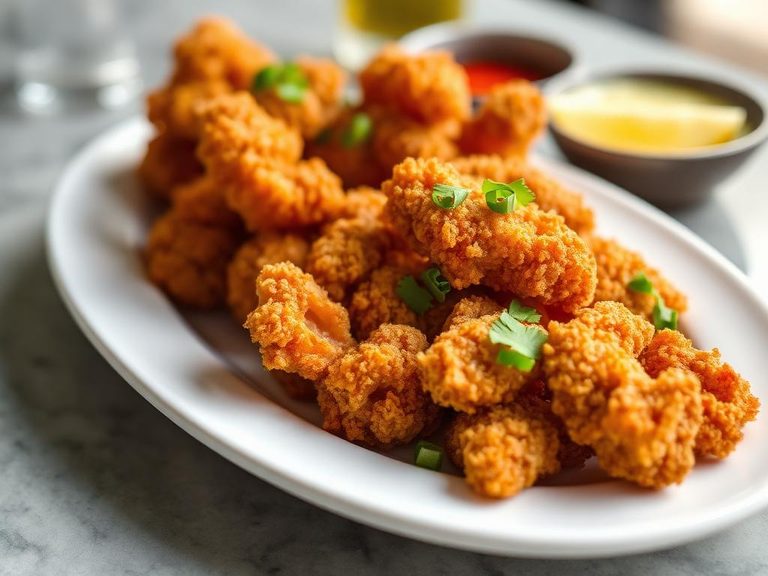
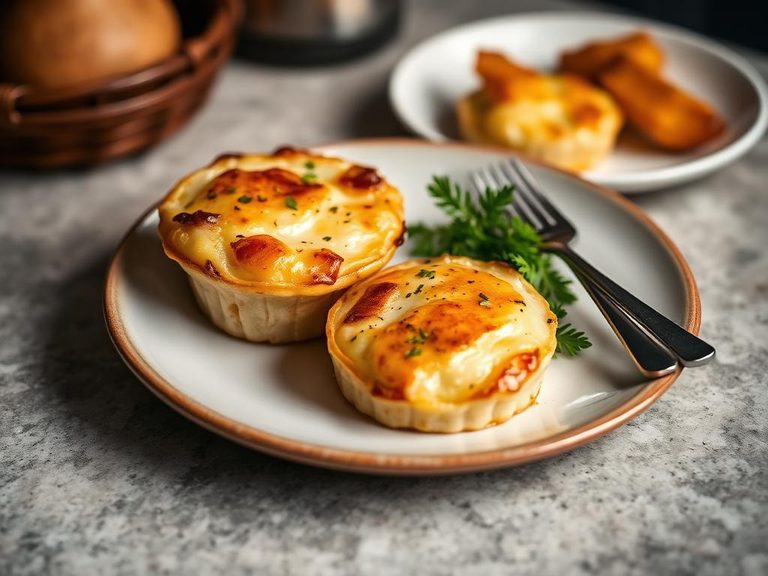
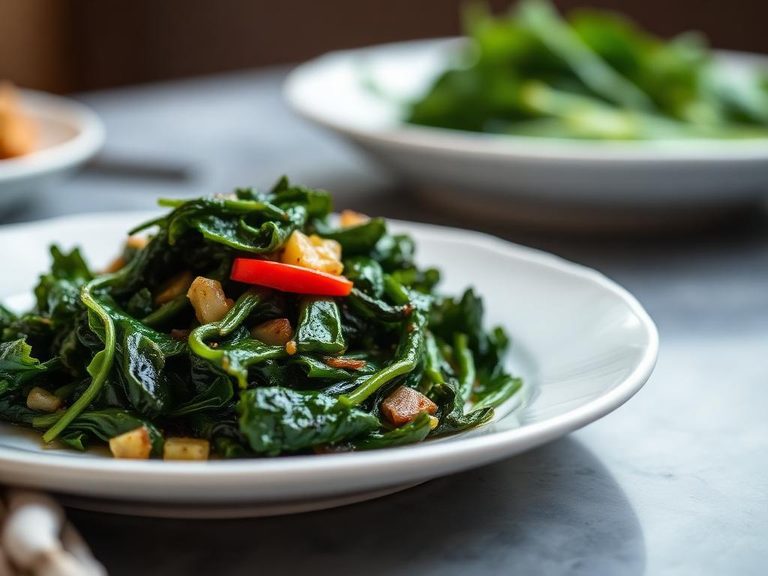
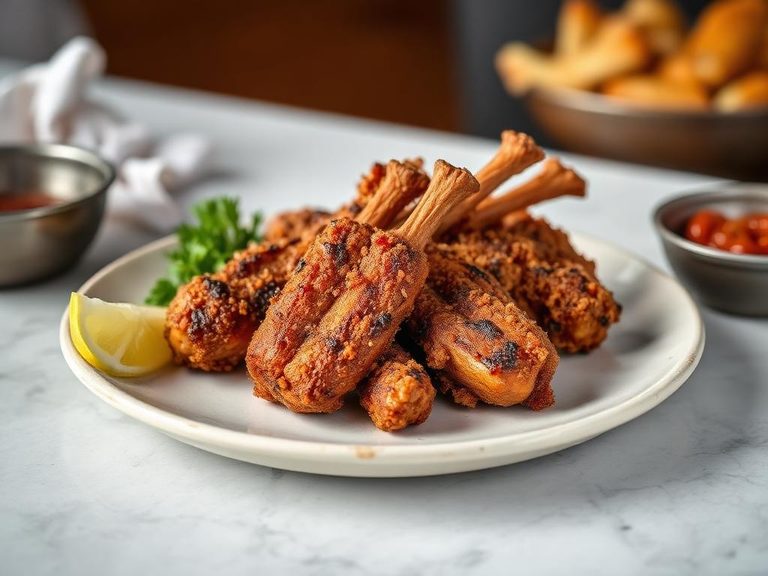
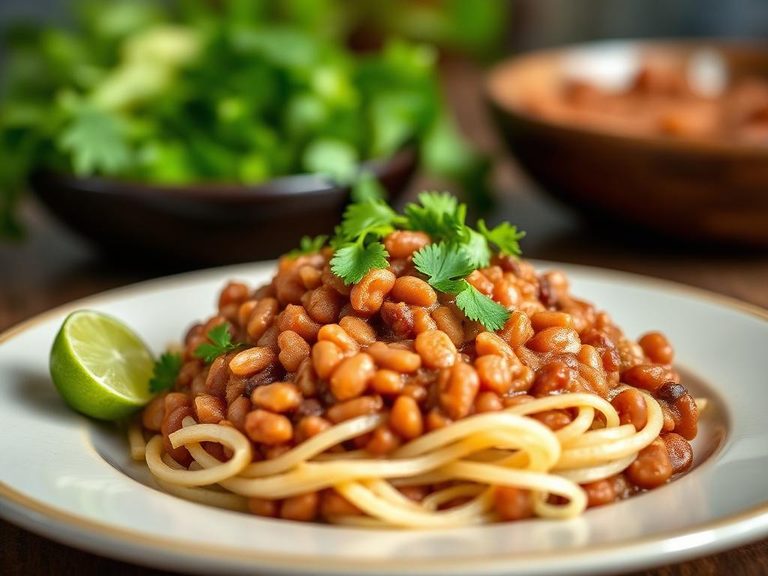
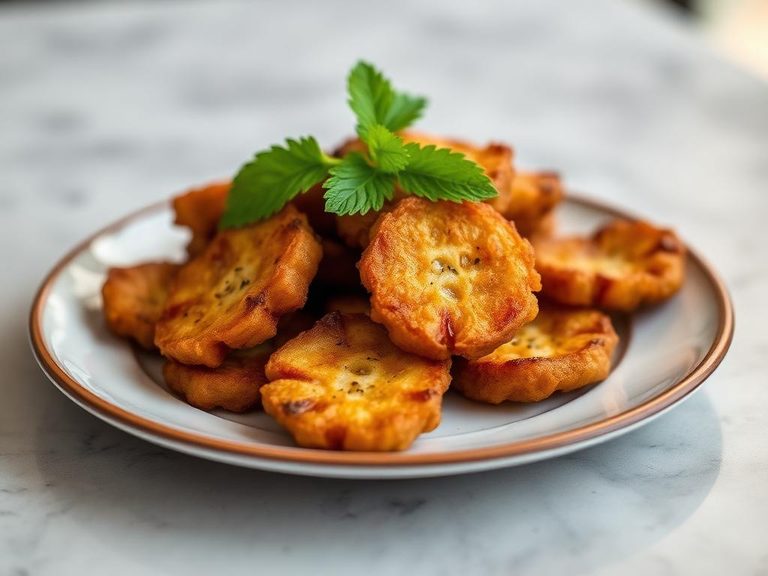
🌍 Where it's eaten
💡 Did you know?
In the American South, the crispy bits of rendered pork fat left in the pan after cooking are called 'cracklings' or 'cracklin's' and are often mixed with cornmeal to make a savory bread or used as a topping for salads and soups.
Full nutrition (USDA data · scales with serving)
| Water | 28.9 g |
| Energy | 591 kcal |
| Energy | 2473 kj |
| Protein | 7.6 g |
| Total lipid (fat) | 61.9 g |
| Ash | 1.7 g |
| Carbohydrate, by difference | 0.00 g |
| Fiber, total dietary | 0.00 g |
| Calcium, Ca | 8.0 mg |
| Iron, Fe | 0.61 mg |
| Magnesium, Mg | 9.0 mg |
| Phosphorus, P | 160 mg |
| Potassium, K | 164 mg |
| Sodium, Na | 624 mg |
| Zinc, Zn | 1.3 mg |
| Copper, Cu | 0.07 mg |
| Manganese, Mn | 0.01 mg |
| Selenium, Se | 11.7 ug |
| Vitamin C, total ascorbic acid | 0.00 mg |
| Thiamin | 0.29 mg |
| Riboflavin | 0.09 mg |
| Niacin | 2.2 mg |
| Pantothenic acid | 0.29 mg |
| Vitamin B-6 | 0.03 mg |
| Folate, total | 2.0 ug |
| Folic acid | 0.00 ug |
| Folate, food | 2.0 ug |
| Folate, DFE | 2.0 ug |
| Vitamin B-12 | 0.42 ug |
| Vitamin A, RAE | 0.00 ug |
| Retinol | 0.00 ug |
| Vitamin A, IU | 0.00 iu |
Fat & fatty acid profile (per 100g)
| Fatty acids, total saturated | 22.7 g |
| SFA 4:0 | 0.00 g |
| SFA 6:0 | 0.00 g |
| SFA 8:0 | 0.00 g |
| SFA 10:0 | 0.00 g |
| SFA 12:0 | 0.11 g |
| SFA 14:0 | 0.82 g |
| SFA 16:0 | 14.1 g |
| SFA 18:0 | 7.5 g |
| Fatty acids, total monounsaturated | 29.7 g |
| MUFA 16:1 | 1.8 g |
| MUFA 18:1 | 27.5 g |
| MUFA 20:1 | 0.00 g |
| MUFA 22:1 | 0.00 g |
| Fatty acids, total polyunsaturated | 6.6 g |
| PUFA 18:2 | 5.8 g |
| PUFA 18:3 | 0.64 g |
| PUFA 18:4 | 0.00 g |
| PUFA 20:4 | 0.14 g |
| PUFA 20:5 n-3 (EPA) | 0.00 g |
| PUFA 22:5 n-3 (DPA) | 0.00 g |
| PUFA 22:6 n-3 (DHA) | 0.00 g |
| Cholesterol | 86.0 mg |
| Phytosterols | 0.00 mg |
Amino acid profile (per 100g)
| Tryptophan | 0.03 g |
| Threonine | 0.25 g |
| Isoleucine | 0.20 g |
| Leucine | 0.53 g |
| Lysine | 0.63 g |
| Methionine | 0.11 g |
| Cystine | 0.07 g |
| Phenylalanine | 0.29 g |
| Tyrosine | 0.12 g |
| Valine | 0.36 g |
| Arginine | 0.79 g |
| Histidine | 0.09 g |
| Alanine | 0.43 g |
| Aspartic acid | 0.63 g |
| Glutamic acid | 1.0 g |
| Glycine | 0.55 g |
| Proline | 0.41 g |
| Serine | 0.29 g |
FAQ
What is the difference between pork fat and pork rinds?
Pork fat refers to the rendered, soft fat, while pork rinds (or chicharrones) are the skin and fat that have been fried until crispy.
Is this food high in cholesterol?
Yes, like all animal fats, it contains cholesterol. However, the impact of dietary cholesterol on blood cholesterol is complex and varies by individual.
Can I use this as a cooking oil substitute?
Yes, rendered pork fat (lard) is a traditional cooking fat with a high smoke point, suitable for frying, sautéing, and baking.
Nutrient density (calculated · NRF9.3)
Nutrient Rich Foods index: beneficial nutrients (protein, fiber, vitamins, minerals) minus saturated fat, added sugar & sodium, per 100 kcal.
NRF9.3 index — Fulgoni, Keast & Drewnowski, 2009. Computed from USDA nutrients.
Weight-loss friendliness (composite index)
Energy density 5.91 kcal/g · 5% calories from protein · 0.0 g fiber · 0.0 g sugar per 100 g.
Composite of energy density (Rolls et al., 1999), protein & fiber satiety, minus sugar. A calculated heuristic — ranks satiety-per-calorie, not a clinical measure.
Dietary load (calculated from USDA values)
Potential renal acid load. Positive = acid-forming, negative = alkaline-forming.
Sodium-to-potassium ratio: 3.80 (lower is better — aim for ≤ 1)
Sodium:potassium per WHO potassium guidance. Computed from USDA nutrients.