

Peppers, ancho, dried
Whole food · Vegetables and Vegetable Products

Photo: Wikipedia
The ancho is a dried poblano pepper, prized for its deep, wrinkled, mahogany-red appearance. Its flavor profile is rich and complex, offering notes of dried fruit, coffee, and mild chocolate with a gentle, smoky heat. Nutritionally, it's a powerhouse of dietary fiber, providing over 75% of the daily value in just 100 grams.
Calorie split: 15% protein · 63% carbs · 23% fat
↓ Full nutrition💚 Why it's loved
People love anchos for their signature, irreplaceable smoky-sweet flavor that forms the backbone of many traditional Mexican sauces and stews. Their versatility allows them to be rehydrated, toasted, or ground into powders to add profound depth to dishes.
⚠️ Watch-outs & how to enjoy it better
While not extremely spicy, anchos can still cause digestive discomfort for those sensitive to capsaicin. To mitigate, start with a small amount, remove the seeds and veins (where most heat resides), and pair with dairy like crema or cheese, which helps neutralize the heat. Their deep color can also stain surfaces.
Key benefits
- Excellent source of dietary fiber (21.6g per 100g)
- Good plant-based protein source (11.86g per 100g)
- Rich in antioxidants like capsaicin and carotenoids
- Low in sugar and fat
- Adds deep flavor without added sodium
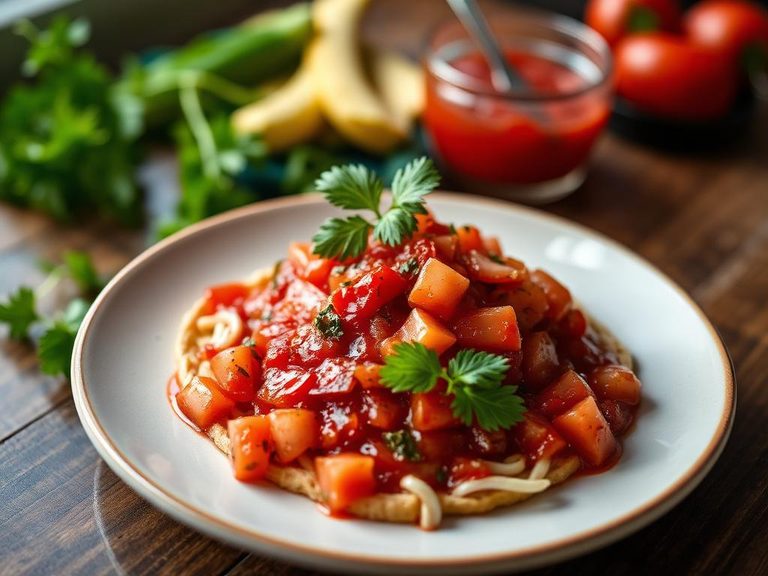
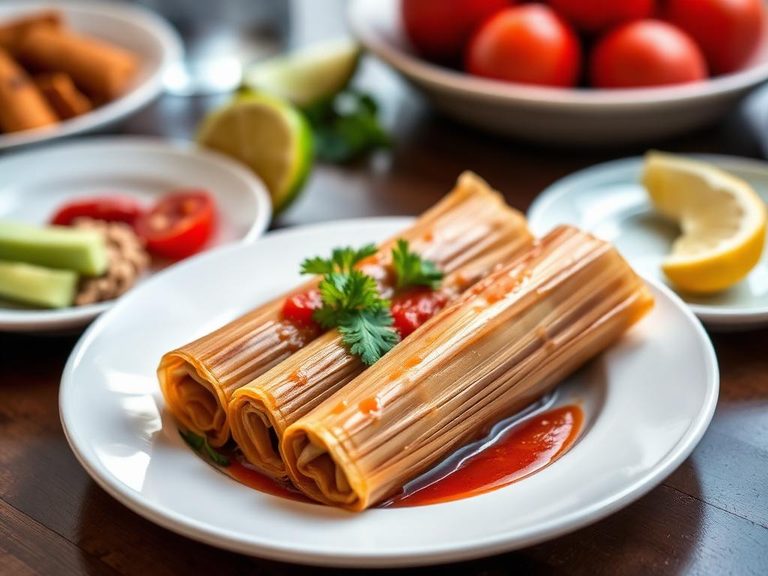
🍽️ Popular dishes
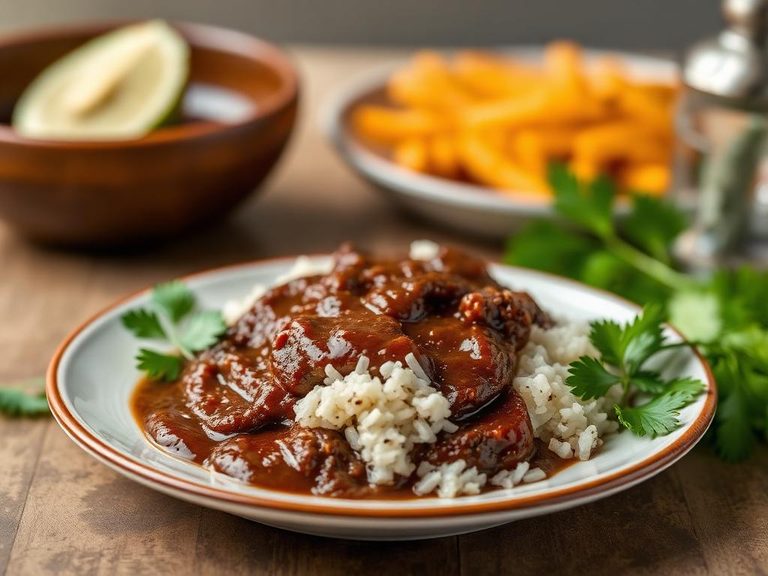
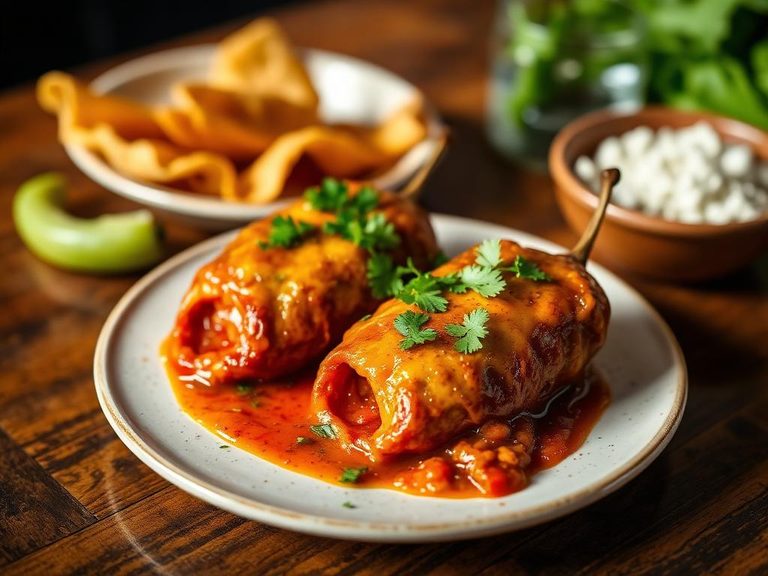
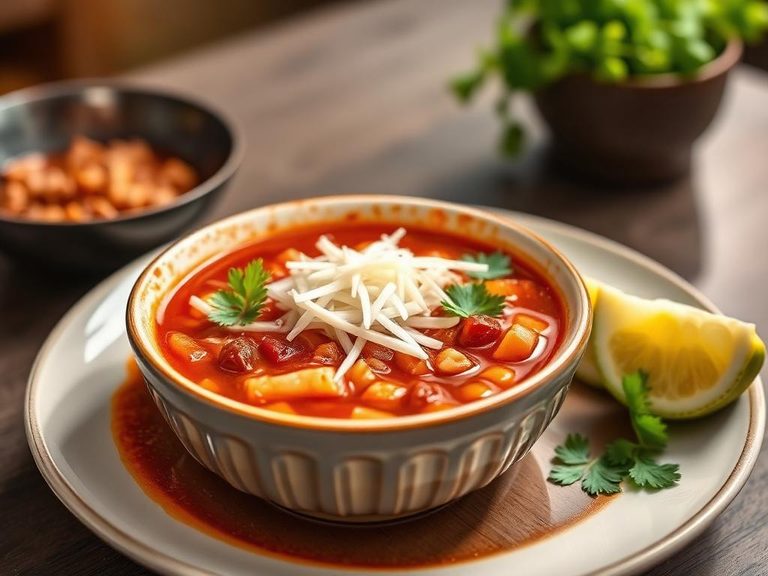
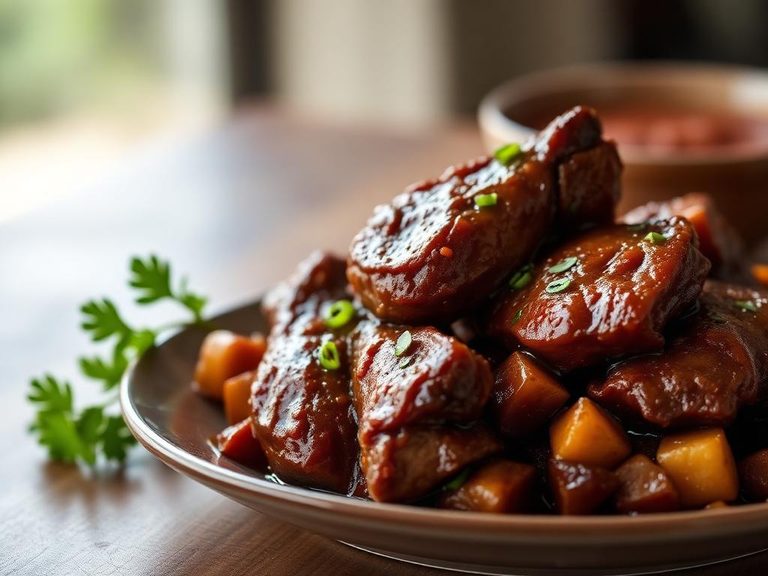
🌍 Where it's eaten
💡 Did you know?
The name 'ancho' is Spanish for 'wide,' referring to the pepper's distinctive broad, flat shape when dried.
Full nutrition (USDA data · scales with serving)
| Water | 22.6 g |
| Energy | 281 kcal |
| Energy | 1176 kj |
| Protein | 11.9 g |
| Total lipid (fat) | 8.2 g |
| Ash | 5.9 g |
| Carbohydrate, by difference | 51.4 g |
| Fiber, total dietary | 21.6 g |
| Calcium, Ca | 61.0 mg |
| Iron, Fe | 10.9 mg |
| Magnesium, Mg | 113 mg |
| Phosphorus, P | 201 mg |
| Potassium, K | 2411 mg |
| Sodium, Na | 43.0 mg |
| Zinc, Zn | 1.4 mg |
| Copper, Cu | 0.51 mg |
| Manganese, Mn | 1.3 mg |
| Selenium, Se | 2.9 ug |
| Vitamin C, total ascorbic acid | 2.0 mg |
| Thiamin | 0.18 mg |
| Riboflavin | 2.3 mg |
| Niacin | 6.4 mg |
| Pantothenic acid | 2.0 mg |
| Vitamin B-6 | 3.5 mg |
| Folate, total | 69.0 ug |
| Folic acid | 0.00 ug |
| Folate, food | 69.0 ug |
| Folate, DFE | 69.0 ug |
| Vitamin B-12 | 0.00 ug |
| Vitamin A, RAE | 1022 ug |
| Retinol | 0.00 ug |
| Vitamin A, IU | 20438 iu |
| Vitamin D (D2 + D3), International Units | 0.00 iu |
| Vitamin D (D2 + D3) | 0.00 ug |
| Alcohol, ethyl | 0.00 g |
Fat & fatty acid profile (per 100g)
| Fatty acids, total saturated | 0.82 g |
| SFA 4:0 | 0.00 g |
| SFA 6:0 | 0.00 g |
| SFA 8:0 | 0.00 g |
| SFA 10:0 | 0.00 g |
| SFA 12:0 | 0.00 g |
| SFA 14:0 | 0.08 g |
| SFA 16:0 | 0.66 g |
| SFA 18:0 | 0.08 g |
| Fatty acids, total monounsaturated | 0.49 g |
| MUFA 16:1 | 0.00 g |
| MUFA 18:1 | 0.41 g |
| MUFA 20:1 | 0.00 g |
| MUFA 22:1 | 0.00 g |
| Fatty acids, total polyunsaturated | 4.5 g |
| PUFA 18:2 | 4.3 g |
| PUFA 18:3 | 0.16 g |
| PUFA 18:4 | 0.00 g |
| PUFA 20:4 | 0.00 g |
| PUFA 20:5 n-3 (EPA) | 0.00 g |
| PUFA 22:5 n-3 (DPA) | 0.00 g |
| PUFA 22:6 n-3 (DHA) | 0.00 g |
| Fatty acids, total trans | 0.00 g |
| Cholesterol | 0.00 mg |
Amino acid profile (per 100g)
| Tryptophan | 0.15 g |
| Threonine | 0.42 g |
| Isoleucine | 0.37 g |
| Leucine | 0.60 g |
| Lysine | 0.52 g |
| Methionine | 0.14 g |
| Cystine | 0.22 g |
| Phenylalanine | 0.36 g |
| Tyrosine | 0.24 g |
| Valine | 0.49 g |
| Arginine | 0.55 g |
| Histidine | 0.23 g |
| Alanine | 0.48 g |
| Aspartic acid | 1.7 g |
| Glutamic acid | 1.5 g |
| Glycine | 0.42 g |
| Proline | 0.50 g |
| Serine | 0.46 g |
FAQ
What is the difference between an ancho and a poblano pepper?
A poblano is the fresh, green pepper. An ancho is a poblano that has been dried, turning it dark red and transforming its flavor to be sweeter, smokier, and more complex.
How do I prepare dried anchos for cooking?
Typically, you toast them briefly in a dry pan to awaken their flavor, then soak them in hot water for 20-30 minutes until pliable. The stems and seeds are usually removed before blending into a sauce.
How spicy is an ancho pepper?
Anchos are mild on the Scoville scale, ranging from 1,000 to 2,000 SHU. They provide more flavor than intense heat, comparable to a mild jalapeño.
Nutrient density (calculated · NRF9.3)
Nutrient Rich Foods index: beneficial nutrients (protein, fiber, vitamins, minerals) minus saturated fat, added sugar & sodium, per 100 kcal.
NRF9.3 index — Fulgoni, Keast & Drewnowski, 2009. Computed from USDA nutrients.
Weight-loss friendliness (composite index)
Energy density 2.81 kcal/g · 17% calories from protein · 21.6 g fiber · 0.0 g sugar per 100 g.
Composite of energy density (Rolls et al., 1999), protein & fiber satiety, minus sugar. A calculated heuristic — ranks satiety-per-calorie, not a clinical measure.
Dietary load (calculated from USDA values)
Potential renal acid load. Positive = acid-forming, negative = alkaline-forming.
Sodium-to-potassium ratio: 0.02 (lower is better — aim for ≤ 1)
Sodium:potassium per WHO potassium guidance. Computed from USDA nutrients.