

Onions, red, raw
Whole food · Vegetables and Vegetable Products
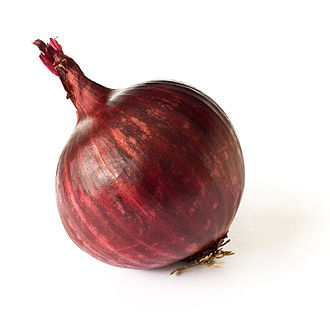
Photo: Wikipedia
The red onion is a crisp, pungent bulb with deep magenta skin and concentric purple-white rings. Its flavor is sharp and peppery when raw, mellowing to sweet and savory when cooked. It's a low-calorie, high-fiber vegetable that adds vibrant color and antioxidants to any dish.
Calorie split: 8% protein · 89% carbs · 2% fat
↓ Full nutrition💚 Why it's loved
People love red onions for their dual personality: a bold, crunchy bite raw that transforms into a sweet, caramelized depth when cooked. They are the quintessential salad and sandwich onion, prized for their color and ability to brighten a dish without cooking.
⚠️ Watch-outs & how to enjoy it better
Raw red onions can cause digestive discomfort (gas, bloating) in sensitive individuals due to their fructan content. They also contain compounds that may temporarily cause bad breath. To counteract, try pickling them in vinegar, which mellows the flavor and reduces fructans, or cook them thoroughly. Pairing with other foods can also help.
Key benefits
- Rich in antioxidant quercetin, which may support heart health
- Provides prebiotic fiber to feed beneficial gut bacteria
- Contains sulfur compounds linked to anti-inflammatory effects
- Low in calories while adding significant flavor and volume to meals
🍽️ Popular dishes
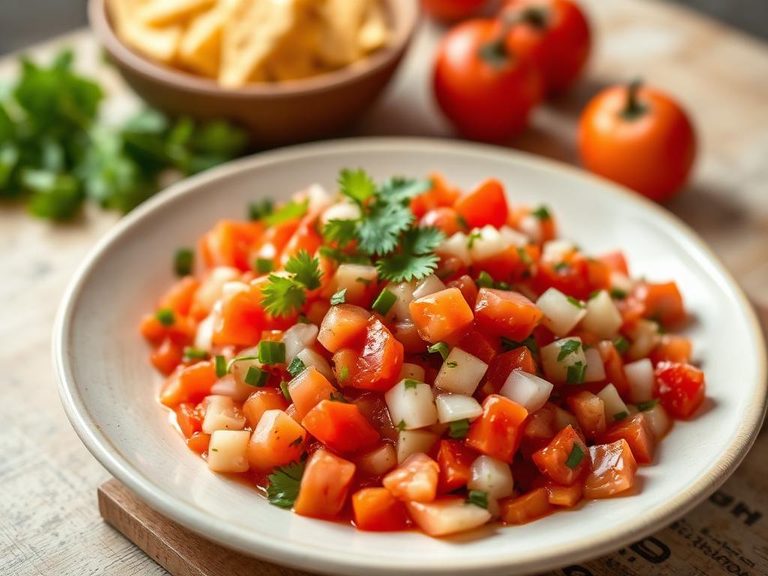
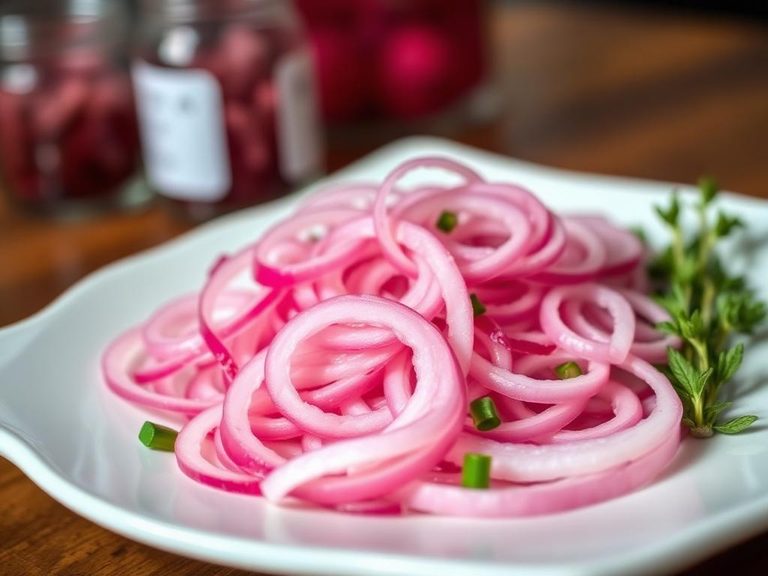
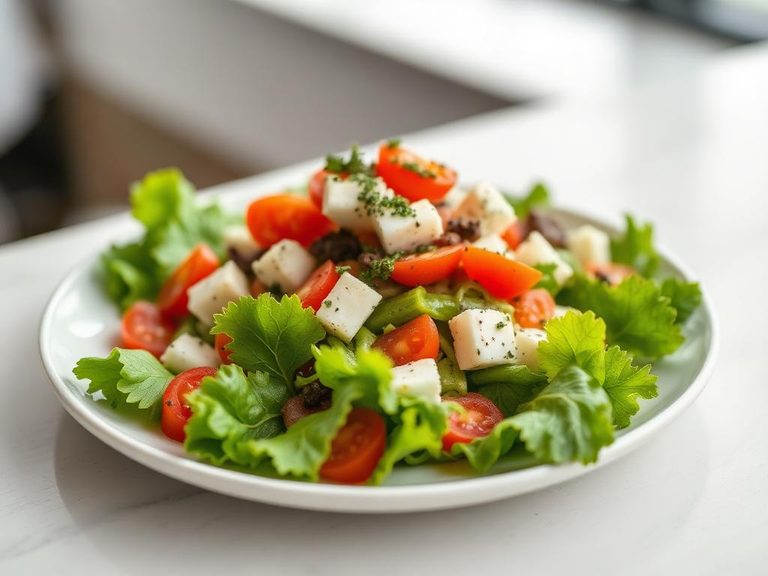
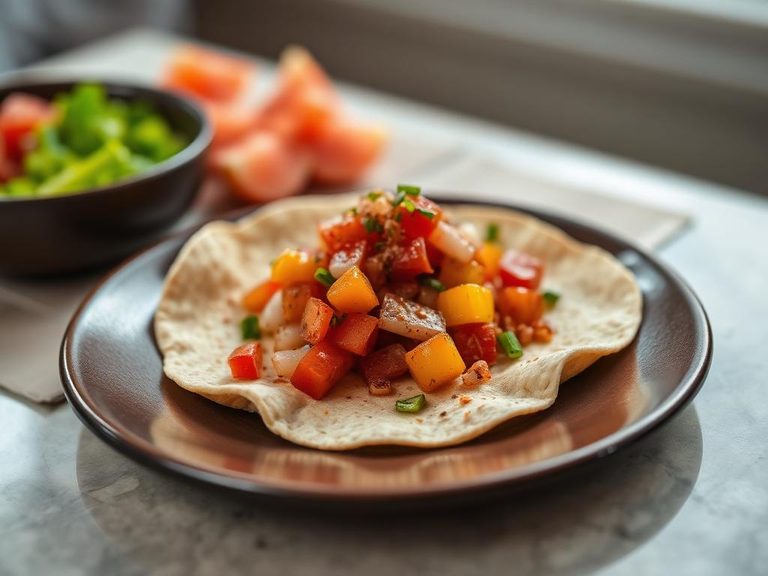
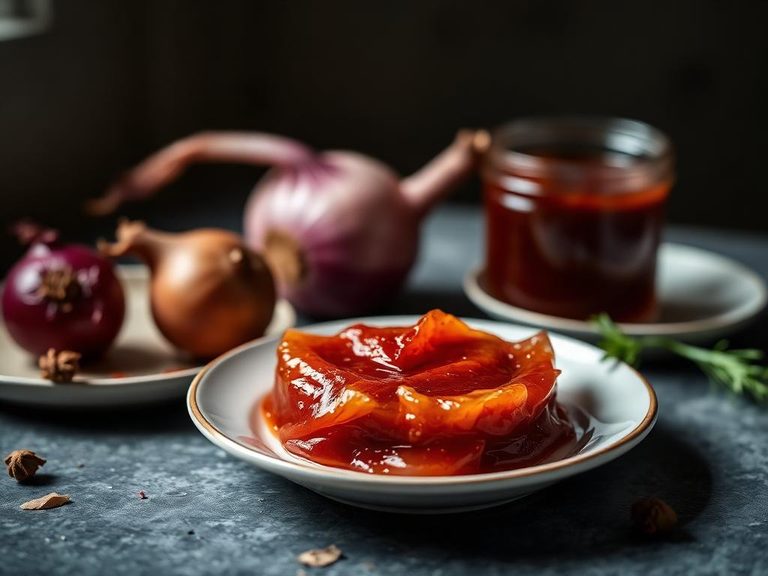
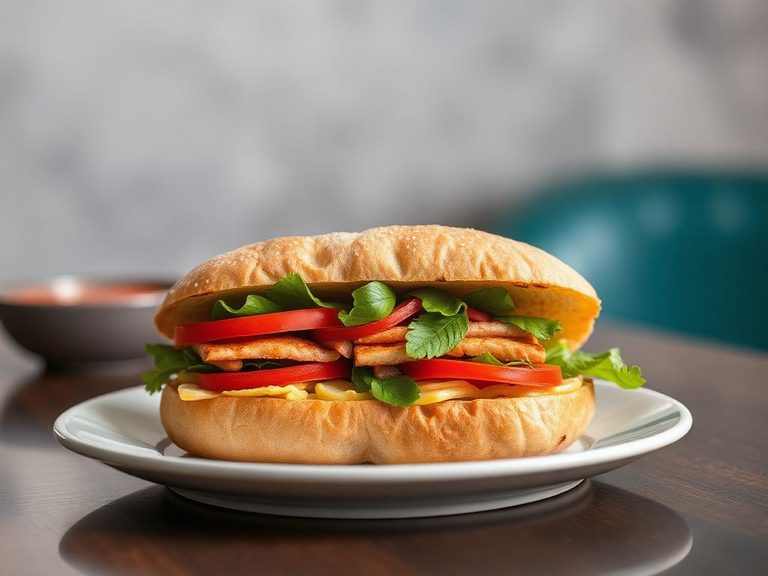
🌍 Where it's eaten
💡 Did you know?
The red onion's vibrant color comes from anthocyanins, the same powerful antioxidants found in berries and red wine.
Full nutrition (USDA data · scales with serving)
| Water | 88.6 g |
| Energy (Atwater General Factors) | 44.0 kcal |
| Energy (Atwater Specific Factors) | 42.0 kcal |
| Energy | 44.0 kcal |
| Energy | 186 kj |
| Protein | 0.94 g |
| Total lipid (fat) | 0.10 g |
| Ash | 0.43 g |
| Carbohydrate, by difference | 9.9 g |
| Fiber, total dietary | 2.2 g |
| Total dietary fiber (AOAC 2011.25) | 4.0 g |
| Sugars, Total | 5.8 g |
| Sucrose | 1.7 g |
| Glucose | 2.3 g |
| Fructose | 1.8 g |
| Lactose | 0.00 g |
| Maltose | 0.00 g |
| Calcium, Ca | 17.0 mg |
| Iron, Fe | 0.24 mg |
| Magnesium, Mg | 11.4 mg |
| Phosphorus, P | 41.0 mg |
| Potassium, K | 197 mg |
| Sodium, Na | 1.0 mg |
| Zinc, Zn | 0.17 mg |
| Copper, Cu | 0.06 mg |
| Manganese, Mn | 0.12 mg |
| Iodine, I | 0.00 ug |
| Selenium, Se | 0.50 ug |
| Vitamin C, total ascorbic acid | 8.1 mg |
| Biotin | 0.00 ug |
Fat & fatty acid profile (per 100g)
Estimated from Onions, dehydrated flakes — USDA does not publish this profile for Onions.
| Fatty acids, total saturated | 0.08 g |
| SFA 4:0 | 0.00 g |
| SFA 6:0 | 0.00 g |
| SFA 8:0 | 0.00 g |
| SFA 10:0 | 0.00 g |
| SFA 12:0 | 0.00 g |
| SFA 14:0 | 0.00 g |
| SFA 16:0 | 0.07 g |
| SFA 18:0 | 0.01 g |
| Fatty acids, total monounsaturated | 0.06 g |
| MUFA 16:1 | 0.00 g |
| MUFA 18:1 | 0.06 g |
| MUFA 20:1 | 0.00 g |
| MUFA 22:1 | 0.00 g |
| Fatty acids, total polyunsaturated | 0.18 g |
| PUFA 18:2 | 0.17 g |
| PUFA 18:3 | 0.01 g |
| PUFA 18:4 | 0.00 g |
| PUFA 20:4 | 0.00 g |
| PUFA 20:5 n-3 (EPA) | 0.00 g |
| PUFA 22:5 n-3 (DPA) | 0.00 g |
| PUFA 22:6 n-3 (DHA) | 0.00 g |
| Fatty acids, total trans | 0.00 g |
| Cholesterol | 0.00 mg |
Amino acid profile (per 100g)
Estimated from Onions, dehydrated flakes — USDA does not publish this profile for Onions.
| Tryptophan | 0.13 g |
| Threonine | 0.22 g |
| Isoleucine | 0.32 g |
| Leucine | 0.31 g |
| Lysine | 0.43 g |
| Methionine | 0.07 g |
| Cystine | 0.16 g |
| Phenylalanine | 0.23 g |
| Tyrosine | 0.22 g |
| Valine | 0.21 g |
| Arginine | 1.2 g |
| Histidine | 0.15 g |
| Alanine | 0.25 g |
| Aspartic acid | 0.49 g |
| Glutamic acid | 1.4 g |
| Glycine | 0.37 g |
| Proline | 0.28 g |
| Serine | 0.26 g |
FAQ
How do I reduce the harsh bite of a raw red onion?
Soak the sliced onion in ice water for 10-15 minutes, or in a mild acid like vinegar or lemon juice for 5 minutes. This leaches out some of the sulfur compounds responsible for the pungency.
What's the difference between red and yellow onions in cooking?
Red onions are milder and sweeter, making them ideal for raw applications like salads and sandwiches. Yellow onions have a stronger, more pungent flavor and are better for long cooking, caramelizing, and forming the base of soups and stews.
Why do my red onions sometimes turn blue or green when pickled?
This is a harmless reaction between the onion's natural anthocyanin pigments and the acid (vinegar) or alkaline minerals in the water. Adding a small amount of acid (like vinegar) or a pinch of salt to the pickling brine can help maintain the red color.
Nutrient density (calculated · NRF9.3)
Nutrient Rich Foods index: beneficial nutrients (protein, fiber, vitamins, minerals) minus saturated fat, added sugar & sodium, per 100 kcal.
NRF9.3 index — Fulgoni, Keast & Drewnowski, 2009. Computed from USDA nutrients.
Weight-loss friendliness (composite index)
Energy density 0.44 kcal/g · 9% calories from protein · 2.2 g fiber · 0.0 g sugar per 100 g.
Composite of energy density (Rolls et al., 1999), protein & fiber satiety, minus sugar. A calculated heuristic — ranks satiety-per-calorie, not a clinical measure.
Dietary load (calculated from USDA values)
Potential renal acid load. Positive = acid-forming, negative = alkaline-forming.
Sodium-to-potassium ratio: 0.01 (lower is better — aim for ≤ 1)
Sodium:potassium per WHO potassium guidance. Computed from USDA nutrients.