

Mollusks, oyster, Pacific, raw
Whole food · Finfish and Shellfish Products

Photo: Wikipedia
Pacific oysters are briny, plump mollusks with a creamy, slightly metallic finish and a texture that ranges from silky to pleasantly chewy. They are a lean protein powerhouse, delivering over 9 grams per 100 grams with minimal fat and no fiber or sugar. Their unique mineral profile, especially zinc and B12, makes them a standout in the seafood world.
Calorie split: 48% protein · 25% carbs · 26% fat
↓ Full nutrition💚 Why it's loved
People adore them for their intense, oceanic flavor and the luxurious, briny burst they provide. They are celebrated for their versatility, enjoyed raw on the half-shell, grilled, or in rich stews.
⚠️ Watch-outs & how to enjoy it better
As a common allergen, they can cause severe reactions in sensitive individuals. Their high zinc content, if consumed in extreme excess, can interfere with copper absorption. To mitigate, pair with copper-rich foods like leafy greens or nuts, and always practice portion control. They can also absorb contaminants from water, so sourcing from reputable, tested farms is crucial.
Key benefits
- Excellent source of high-quality, complete protein
- Rich in zinc, crucial for immune function and wound healing
- Very high in vitamin B12, essential for nerve health and red blood cell formation
- Good source of selenium, an antioxidant mineral
- Low in calories and fat, making it a nutrient-dense choice
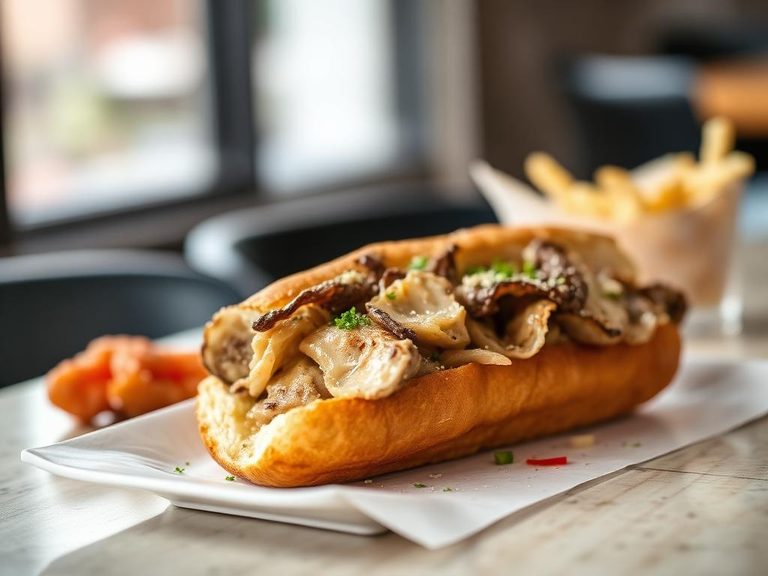
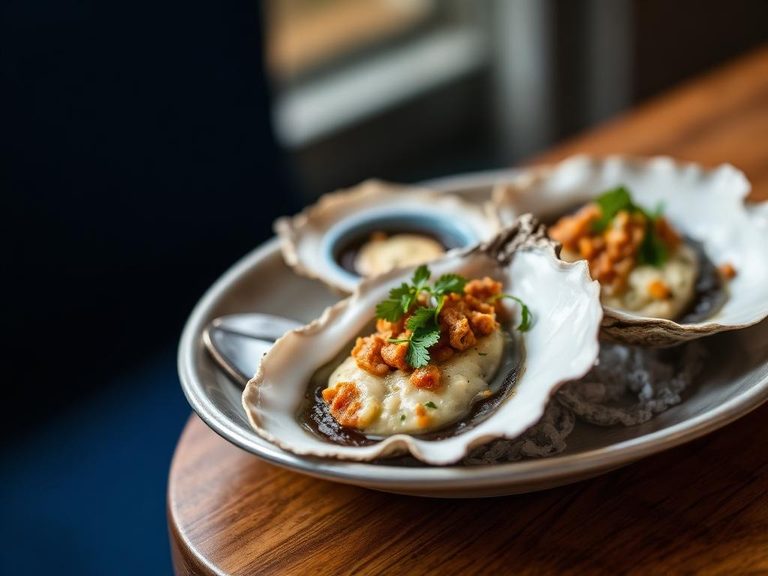
🍽️ Popular dishes
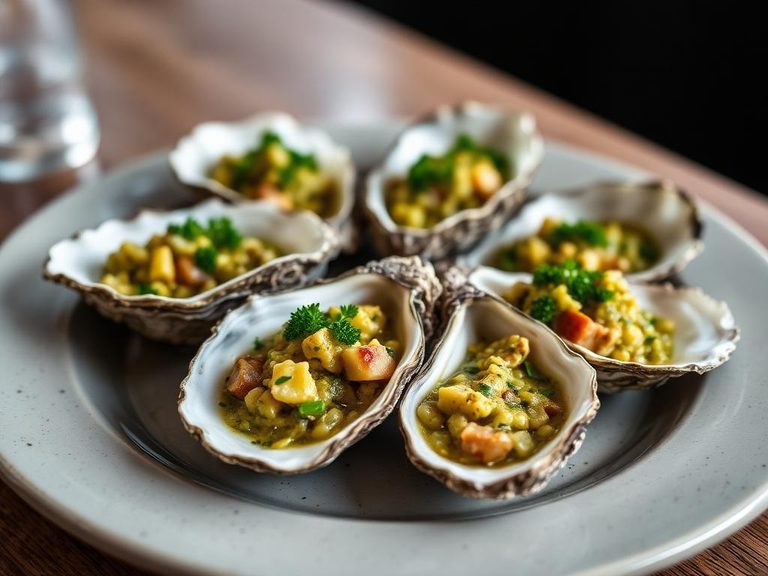
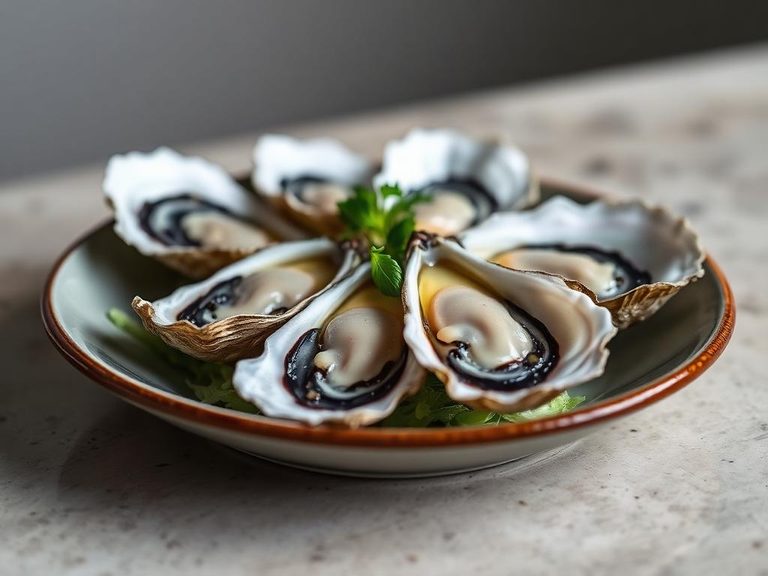
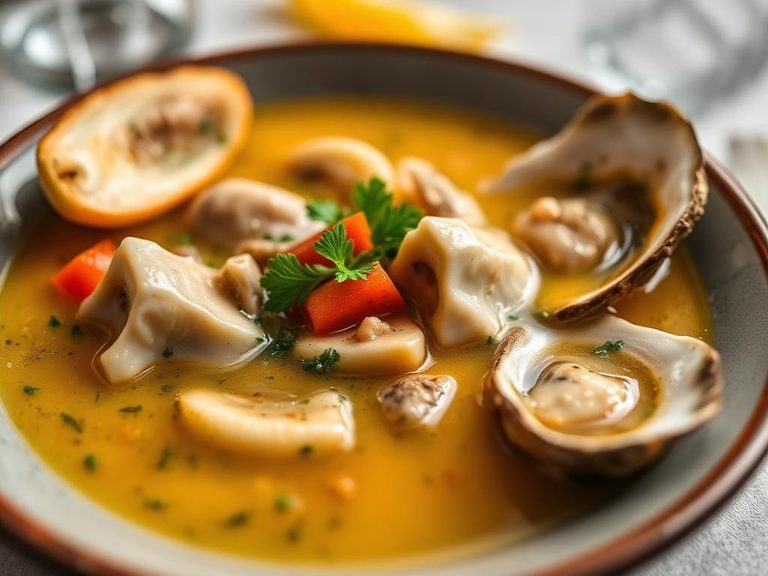
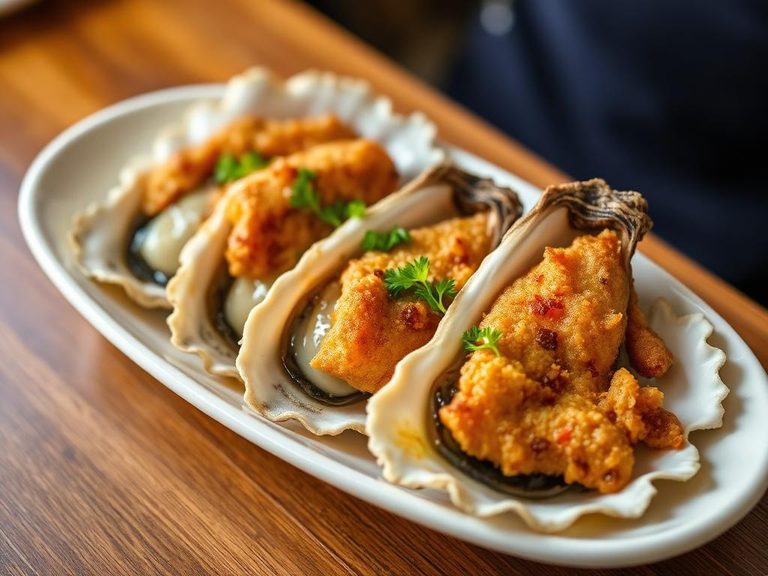
🌍 Where it's eaten
💡 Did you know?
Pacific oysters are considered an 'ecosystem engineer' because a single oyster can filter up to 190 liters (50 gallons) of water per day, significantly improving water clarity and quality.
Full nutrition (USDA data · scales with serving)
| Water | 82.1 g |
| Energy | 81.0 kcal |
| Energy | 339 kj |
| Protein | 9.4 g |
| Total lipid (fat) | 2.3 g |
| Ash | 1.2 g |
| Carbohydrate, by difference | 5.0 g |
| Fiber, total dietary | 0.00 g |
| Calcium, Ca | 8.0 mg |
| Iron, Fe | 5.1 mg |
| Magnesium, Mg | 22.0 mg |
| Phosphorus, P | 162 mg |
| Potassium, K | 168 mg |
| Sodium, Na | 106 mg |
| Zinc, Zn | 16.6 mg |
| Copper, Cu | 1.6 mg |
| Manganese, Mn | 0.64 mg |
| Selenium, Se | 77.0 ug |
| Vitamin C, total ascorbic acid | 8.0 mg |
| Thiamin | 0.07 mg |
| Riboflavin | 0.23 mg |
| Niacin | 2.0 mg |
| Pantothenic acid | 0.50 mg |
| Vitamin B-6 | 0.05 mg |
| Folate, total | 10.0 ug |
| Folic acid | 0.00 ug |
| Folate, food | 10.0 ug |
| Folate, DFE | 10.0 ug |
| Vitamin B-12 | 16.0 ug |
| Vitamin A, RAE | 81.0 ug |
| Retinol | 81.0 ug |
| Vitamin A, IU | 270 iu |
| Alcohol, ethyl | 0.00 g |
Fat & fatty acid profile (per 100g)
| Fatty acids, total saturated | 0.51 g |
| SFA 4:0 | 0.00 g |
| SFA 6:0 | 0.00 g |
| SFA 8:0 | 0.00 g |
| SFA 10:0 | 0.00 g |
| SFA 12:0 | 0.00 g |
| SFA 14:0 | 0.08 g |
| SFA 16:0 | 0.36 g |
| SFA 18:0 | 0.07 g |
| Fatty acids, total monounsaturated | 0.36 g |
| MUFA 16:1 | 0.11 g |
| MUFA 18:1 | 0.19 g |
| MUFA 20:1 | 0.00 g |
| MUFA 22:1 | 0.05 g |
| Fatty acids, total polyunsaturated | 0.89 g |
| PUFA 18:2 | 0.03 g |
| PUFA 18:3 | 0.03 g |
| PUFA 18:4 | 0.08 g |
| PUFA 20:4 | 0.04 g |
| PUFA 20:5 n-3 (EPA) | 0.44 g |
| PUFA 22:5 n-3 (DPA) | 0.02 g |
| PUFA 22:6 n-3 (DHA) | 0.25 g |
| Cholesterol | 50.0 mg |
Amino acid profile (per 100g)
| Tryptophan | 0.11 g |
| Threonine | 0.41 g |
| Isoleucine | 0.41 g |
| Leucine | 0.67 g |
| Lysine | 0.71 g |
| Methionine | 0.21 g |
| Cystine | 0.12 g |
| Phenylalanine | 0.34 g |
| Tyrosine | 0.30 g |
| Valine | 0.41 g |
| Arginine | 0.69 g |
| Histidine | 0.18 g |
| Alanine | 0.57 g |
| Aspartic acid | 0.91 g |
| Glutamic acid | 1.3 g |
| Glycine | 0.59 g |
| Proline | 0.39 g |
| Serine | 0.42 g |
FAQ
How do I know if a raw oyster is safe to eat?
The shell should be tightly closed or close when tapped. If open, it should close quickly when rinsed. It should smell fresh and briny, like the ocean, not fishy or sulfurous. Always buy from reputable sources that follow food safety standards.
What's the difference between raw and cooked oyster nutrition?
Cooking slightly reduces heat-sensitive vitamins like B12 but makes minerals like zinc and iron more bioavailable. The protein content remains high. Cooking also eliminates the risk of foodborne illness.
Can I eat oysters if I have a shellfish allergy?
No. Oysters are mollusks, a major class of shellfish allergens. If you are allergic to any shellfish (including shrimp, crab, or clams), you must avoid oysters completely.
Nutrient density (calculated · NRF9.3)
Nutrient Rich Foods index: beneficial nutrients (protein, fiber, vitamins, minerals) minus saturated fat, added sugar & sodium, per 100 kcal.
NRF9.3 index — Fulgoni, Keast & Drewnowski, 2009. Computed from USDA nutrients.
Weight-loss friendliness (composite index)
Energy density 0.81 kcal/g · 47% calories from protein · 0.0 g fiber · 0.0 g sugar per 100 g.
Composite of energy density (Rolls et al., 1999), protein & fiber satiety, minus sugar. A calculated heuristic — ranks satiety-per-calorie, not a clinical measure.
Dietary load (calculated from USDA values)
Potential renal acid load. Positive = acid-forming, negative = alkaline-forming.
Sodium-to-potassium ratio: 0.63 (lower is better — aim for ≤ 1)
Sodium:potassium per WHO potassium guidance. Computed from USDA nutrients.