

Lima beans, immature seeds, canned, regular pack, solids and liquids
Whole food · Vegetables and Vegetable Products

Photo: Wikipedia
These are the tender, immature seeds of the lima bean, harvested early for their delicate flavor and creamy texture. Canned in a light brine, they offer a mild, slightly sweet, and buttery taste with a soft, starchy bite. Nutritionally, they are a standout source of dietary fiber and plant-based protein with minimal fat.
Calorie split: 23% protein · 74% carbs · 4% fat
↓ Full nutrition💚 Why it's loved
People love them for their unique, creamy texture and subtle, buttery flavor that absorbs seasonings beautifully. They are a versatile staple, equally at home in hearty Southern stews, simple side dishes, or vibrant salads.
⚠️ Watch-outs & how to enjoy it better
The canned version can be high in sodium, which may concern those monitoring salt intake. They also contain oligosaccharides that can cause gas in some individuals. To counteract, rinse the beans thoroughly under water to reduce sodium by up to 40%, and introduce them gradually into your diet to allow your system to adjust.
Key benefits
- Excellent source of dietary fiber (3.6g per 100g)
- Good plant-based protein source (4.07g per 100g)
- Very low in fat (0.29g per 100g)
- Provides complex carbohydrates for sustained energy
- Contains essential minerals like iron and manganese
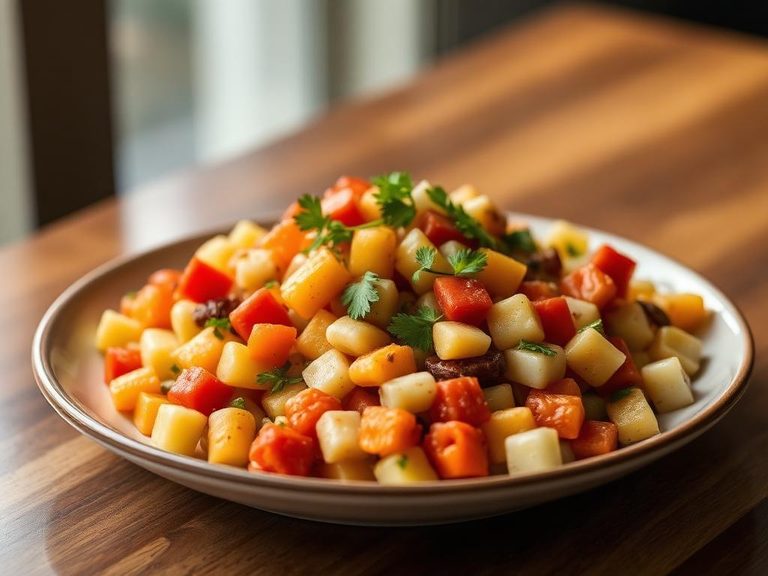
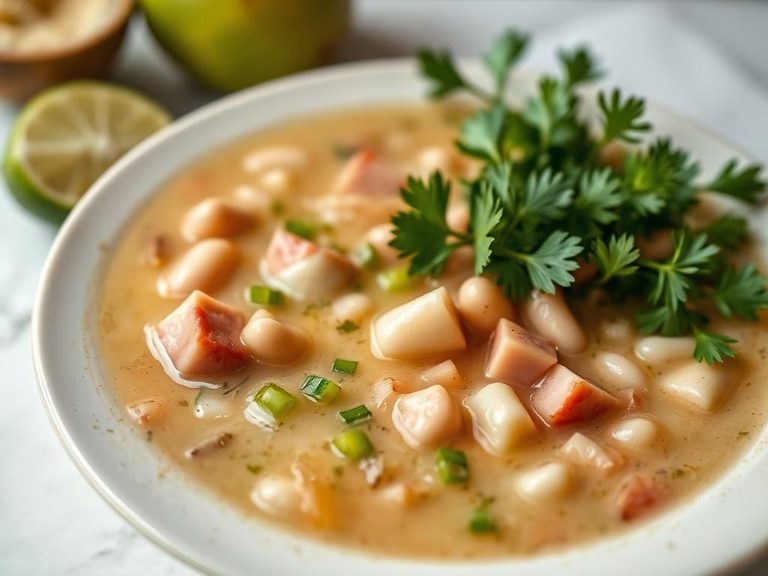
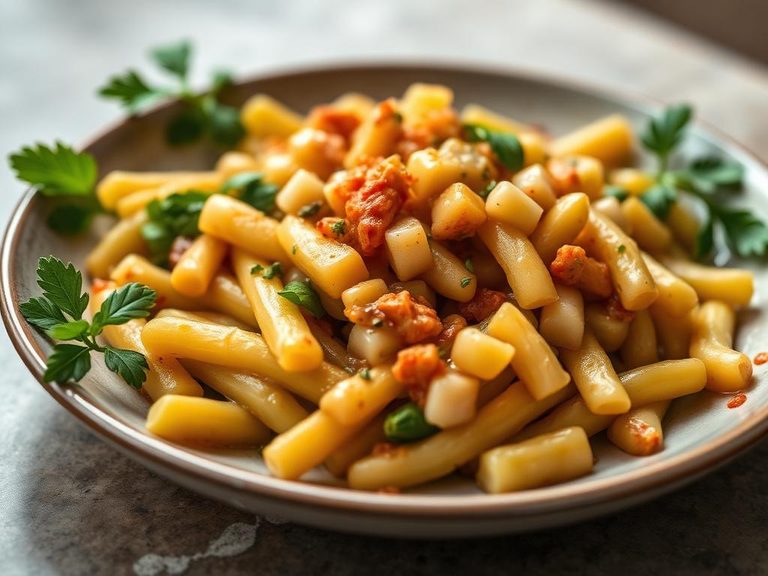
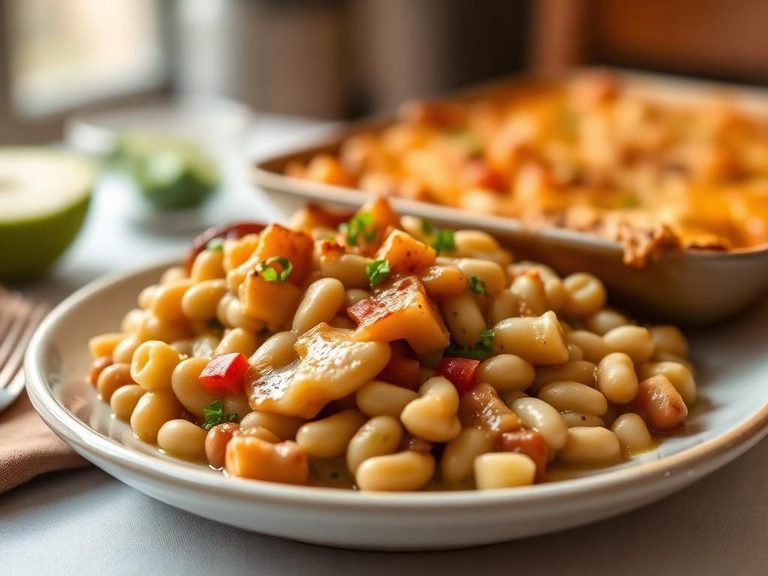
🍽️ Popular dishes
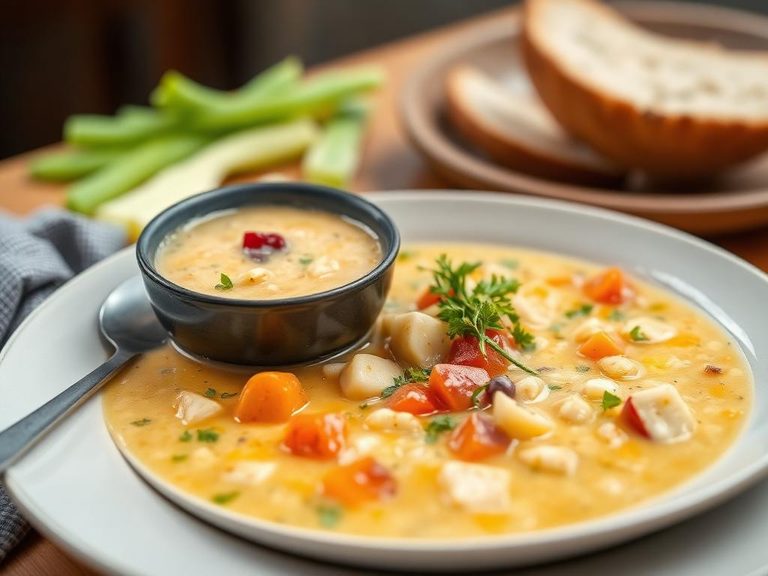
🌍 Where it's eaten
💡 Did you know?
Despite their name, lima beans are not from Lima, Peru, but were first cultivated in the Andes and were introduced to Europe by Spanish explorers in the 16th century.
Full nutrition (USDA data · scales with serving)
| Water | 81.2 g |
| Energy | 71.0 kcal |
| Energy | 297 kj |
| Protein | 4.1 g |
| Total lipid (fat) | 0.29 g |
| Ash | 1.1 g |
| Carbohydrate, by difference | 13.3 g |
| Fiber, total dietary | 3.6 g |
| Calcium, Ca | 28.0 mg |
| Iron, Fe | 1.6 mg |
| Magnesium, Mg | 34.0 mg |
| Phosphorus, P | 71.0 mg |
| Potassium, K | 285 mg |
| Sodium, Na | 252 mg |
| Zinc, Zn | 0.64 mg |
| Copper, Cu | 0.16 mg |
| Manganese, Mn | 0.70 mg |
| Selenium, Se | 1.1 ug |
| Vitamin C, total ascorbic acid | 7.3 mg |
| Thiamin | 0.03 mg |
| Riboflavin | 0.04 mg |
| Niacin | 0.53 mg |
| Pantothenic acid | 0.10 mg |
| Vitamin B-6 | 0.06 mg |
| Folate, total | 16.0 ug |
| Folic acid | 0.00 ug |
| Folate, food | 16.0 ug |
| Folate, DFE | 16.0 ug |
| Vitamin B-12 | 0.00 ug |
| Vitamin A, RAE | 8.0 ug |
| Retinol | 0.00 ug |
| Vitamin A, IU | 150 iu |
| Vitamin D (D2 + D3), International Units | 0.00 iu |
| Vitamin D (D2 + D3) | 0.00 ug |
| Alcohol, ethyl | 0.00 g |
Fat & fatty acid profile (per 100g)
| Fatty acids, total saturated | 0.07 g |
| SFA 4:0 | 0.00 g |
| SFA 6:0 | 0.00 g |
| SFA 8:0 | 0.00 g |
| SFA 10:0 | 0.00 g |
| SFA 12:0 | 0.00 g |
| SFA 14:0 | 0.00 g |
| SFA 16:0 | 0.06 g |
| SFA 18:0 | 0.01 g |
| Fatty acids, total monounsaturated | 0.02 g |
| MUFA 16:1 | 0.00 g |
| MUFA 18:1 | 0.02 g |
| MUFA 20:1 | 0.00 g |
| MUFA 22:1 | 0.00 g |
| Fatty acids, total polyunsaturated | 0.14 g |
| PUFA 18:2 | 0.09 g |
| PUFA 18:3 | 0.04 g |
| PUFA 18:4 | 0.00 g |
| PUFA 20:4 | 0.00 g |
| PUFA 20:5 n-3 (EPA) | 0.00 g |
| PUFA 22:5 n-3 (DPA) | 0.00 g |
| PUFA 22:6 n-3 (DHA) | 0.00 g |
| Fatty acids, total trans | 0.00 g |
| Cholesterol | 0.00 mg |
Amino acid profile (per 100g)
| Tryptophan | 0.05 g |
| Threonine | 0.17 g |
| Isoleucine | 0.26 g |
| Leucine | 0.32 g |
| Lysine | 0.27 g |
| Methionine | 0.04 g |
| Cystine | 0.05 g |
| Phenylalanine | 0.20 g |
| Tyrosine | 0.13 g |
| Valine | 0.25 g |
| Arginine | 0.27 g |
| Histidine | 0.14 g |
| Alanine | 0.15 g |
| Aspartic acid | 0.44 g |
| Glutamic acid | 0.52 g |
| Glycine | 0.16 g |
| Proline | 0.07 g |
| Serine | 0.25 g |
FAQ
What's the difference between baby lima beans and regular lima beans?
Baby lima beans are harvested earlier, making them smaller, more tender, and milder in flavor. Regular (or Fordhook) lima beans are larger, starchier, and have a more pronounced, buttery taste.
Are canned lima beans as nutritious as dried?
Yes, the canning process preserves most nutrients, especially fiber and protein. The main difference is the added sodium in the canning liquid, which can be significantly reduced by rinsing the beans before use.
How can I reduce the gassiness associated with eating lima beans?
Rinsing canned beans helps. For dried beans, soaking them overnight and discarding the soaking water, as well as cooking them thoroughly, can break down the oligosaccharides that cause gas.
Nutrient density (calculated · NRF9.3)
Nutrient Rich Foods index: beneficial nutrients (protein, fiber, vitamins, minerals) minus saturated fat, added sugar & sodium, per 100 kcal.
NRF9.3 index — Fulgoni, Keast & Drewnowski, 2009. Computed from USDA nutrients.
Weight-loss friendliness (composite index)
Energy density 0.71 kcal/g · 23% calories from protein · 3.6 g fiber · 0.0 g sugar per 100 g.
Composite of energy density (Rolls et al., 1999), protein & fiber satiety, minus sugar. A calculated heuristic — ranks satiety-per-calorie, not a clinical measure.
Dietary load (calculated from USDA values)
Potential renal acid load. Positive = acid-forming, negative = alkaline-forming.
Sodium-to-potassium ratio: 0.88 (lower is better — aim for ≤ 1)
Sodium:potassium per WHO potassium guidance. Computed from USDA nutrients.