

Frostings, chocolate, creamy, dry mix, prepared with margarine
Whole food · Sweets

Photo: Wikipedia
This is a smooth, spreadable chocolate frosting made from a dry mix and prepared with margarine, offering a rich, cocoa-forward flavor with a creamy, slightly airy texture. Nutritionally, it's a high-energy, carbohydrate-dense topping, providing a quick source of calories primarily from fats and sugars.
Calorie split: 1% protein · 70% carbs · 29% fat
↓ Full nutrition💚 Why it's loved
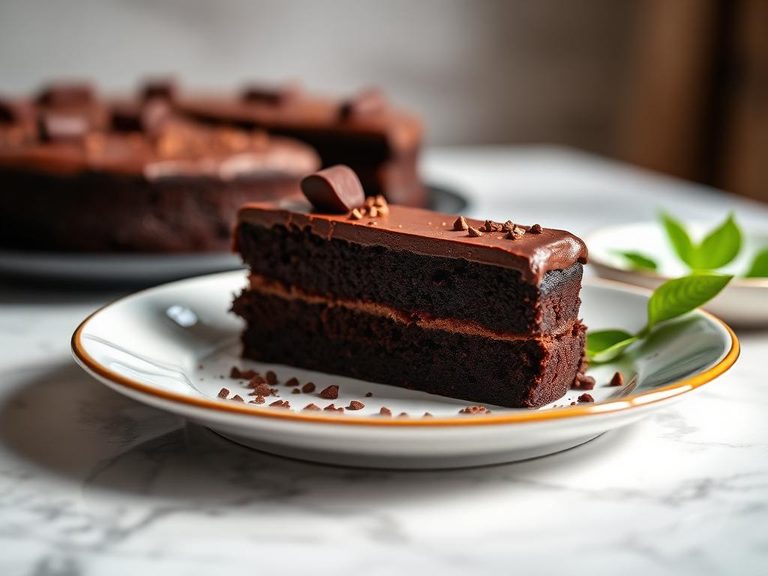
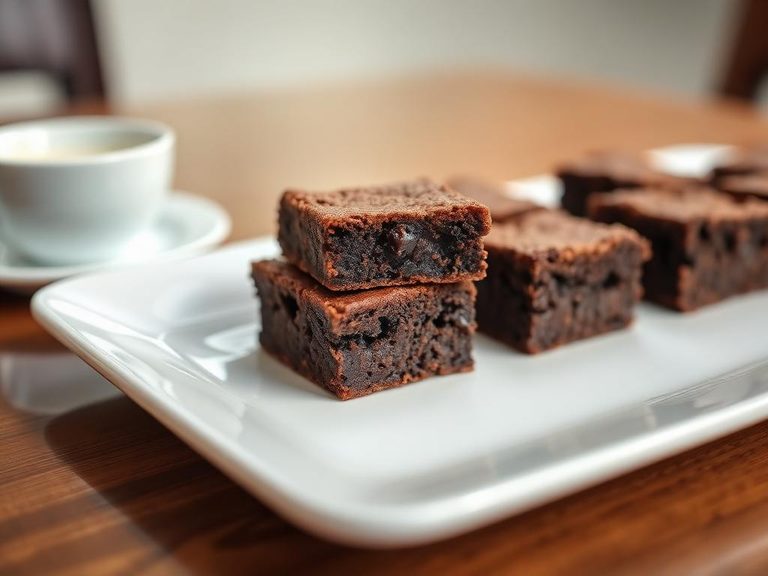
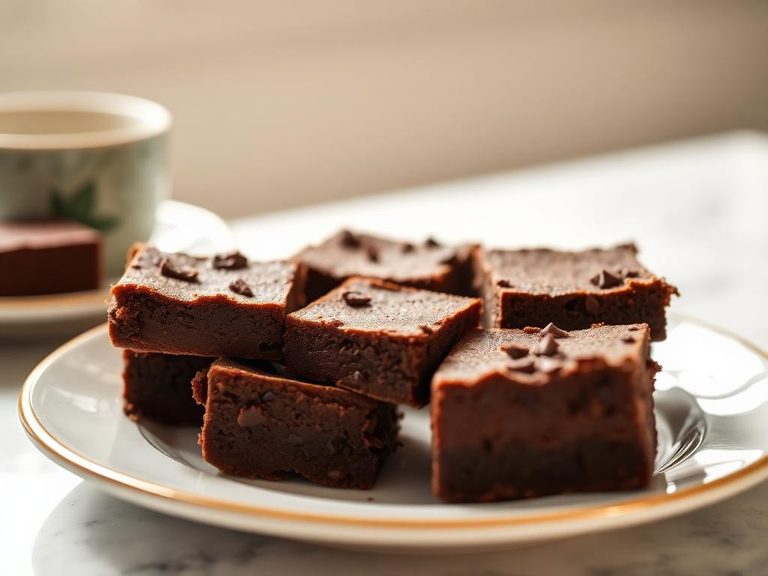
People love it for its classic, indulgent chocolate taste and the ease of transforming a simple cake or cupcake into a special treat. Its versatility allows it to be used on everything from birthday cakes to brownies.
⚠️ Watch-outs & how to enjoy it better
It is very high in added sugars and refined carbohydrates, which can lead to blood-sugar spikes and offers little nutritional benefit beyond calories. To counteract this, pair it with a protein-rich food (like nuts or a glass of milk) and practice strict portion control, using it as a thin layer or a dollop rather than a thick pile.
Key benefits
- Provides a quick source of energy from carbohydrates and fats.
- Offers a simple way to enhance the flavor and appeal of baked goods.
- Contains a small amount of dietary fiber.
- Shelf-stable when dry, making it a convenient pantry item.
🍽️ Popular dishes


🌍 Where it's eaten
💡 Did you know?
The dry mix for this type of frosting often contains a small amount of cornstarch, which acts as a thickener and helps create a smooth, non-grainy texture when combined with margarine and liquid.
Full nutrition (USDA data · scales with serving)
| Water | 14.1 g |
| Energy | 404 kcal |
| Energy | 1692 kj |
| Protein | 1.1 g |
| Total lipid (fat) | 12.9 g |
| Ash | 0.69 g |
| Carbohydrate, by difference | 71.0 g |
| Fiber, total dietary | 1.9 g |
| Calcium, Ca | 12.0 mg |
| Iron, Fe | 0.93 mg |
| Magnesium, Mg | 30.0 mg |
| Phosphorus, P | 50.0 mg |
| Potassium, K | 143 mg |
| Sodium, Na | 163 mg |
| Zinc, Zn | 0.63 mg |
| Copper, Cu | 0.23 mg |
| Selenium, Se | 1.2 ug |
| Vitamin C, total ascorbic acid | 0.00 mg |
| Thiamin | 0.01 mg |
| Riboflavin | 0.03 mg |
| Niacin | 0.11 mg |
| Pantothenic acid | 0.03 mg |
| Vitamin B-6 | 0.06 mg |
| Folate, total | 2.0 ug |
| Folic acid | 0.00 ug |
| Folate, food | 2.0 ug |
| Folate, DFE | 2.0 ug |
| Vitamin B-12 | 0.01 ug |
| Vitamin A, RAE | 80.0 ug |
| Retinol | 73.0 ug |
| Carotene, beta | 91.0 ug |
| Vitamin A, IU | 393 iu |
| Alcohol, ethyl | 0.00 g |
| Caffeine | 5.0 mg |
| Theobromine | 145 mg |
Fat & fatty acid profile (per 100g)
| Fatty acids, total saturated | 1.7 g |
| SFA 4:0 | 0.00 g |
| SFA 6:0 | 0.00 g |
| SFA 8:0 | 0.00 g |
| SFA 10:0 | 0.00 g |
| SFA 12:0 | 0.00 g |
| SFA 14:0 | 0.02 g |
| SFA 16:0 | 1.1 g |
| SFA 18:0 | 0.65 g |
| Fatty acids, total monounsaturated | 3.9 g |
| MUFA 16:1 | 0.00 g |
| MUFA 18:1 | 3.9 g |
| MUFA 20:1 | 0.00 g |
| MUFA 22:1 | 0.00 g |
| Fatty acids, total polyunsaturated | 2.8 g |
| PUFA 18:2 | 2.7 g |
| PUFA 18:3 | 0.12 g |
| PUFA 18:4 | 0.00 g |
| PUFA 20:4 | 0.00 g |
| PUFA 20:5 n-3 (EPA) | 0.00 g |
| PUFA 22:5 n-3 (DPA) | 0.00 g |
| PUFA 22:6 n-3 (DHA) | 0.00 g |
| Cholesterol | 0.00 mg |
| Phytosterols | 29.0 mg |
Amino acid profile (per 100g)
| Tryptophan | 0.02 g |
| Threonine | 0.04 g |
| Isoleucine | 0.05 g |
| Leucine | 0.07 g |
| Lysine | 0.06 g |
| Methionine | 0.01 g |
| Cystine | 0.01 g |
| Phenylalanine | 0.05 g |
| Tyrosine | 0.04 g |
| Valine | 0.07 g |
| Arginine | 0.06 g |
| Histidine | 0.02 g |
| Alanine | 0.05 g |
| Aspartic acid | 0.11 g |
| Glutamic acid | 0.17 g |
| Glycine | 0.05 g |
| Proline | 0.05 g |
| Serine | 0.05 g |
FAQ
How is this different from frosting made from scratch?
This prepared version uses a pre-mixed dry powder containing sugar, cocoa, and thickeners, combined with margarine. Scratch frosting typically uses real butter, cocoa powder, and powdered sugar, often resulting in a richer, less processed flavor.
Why use margarine instead of butter?
Margarine is often used in prepared frostings for cost-effectiveness and to achieve a specific, spreadable consistency that remains stable at room temperature. It also makes the product dairy-free.
Can I use this frosting as a filling?
Yes, it can be used as a filling for layer cakes or sandwich cookies, but its soft, creamy texture may require chilling the dessert to set properly and prevent the layers from sliding.
Nutrient density (calculated · NRF9.3)
Nutrient Rich Foods index: beneficial nutrients (protein, fiber, vitamins, minerals) minus saturated fat, added sugar & sodium, per 100 kcal.
NRF9.3 index — Fulgoni, Keast & Drewnowski, 2009. Computed from USDA nutrients.
Weight-loss friendliness (composite index)
Energy density 4.04 kcal/g · 1% calories from protein · 1.9 g fiber · 0.0 g sugar per 100 g.
Composite of energy density (Rolls et al., 1999), protein & fiber satiety, minus sugar. A calculated heuristic — ranks satiety-per-calorie, not a clinical measure.
Dietary load (calculated from USDA values)
Potential renal acid load. Positive = acid-forming, negative = alkaline-forming.
Sodium-to-potassium ratio: 1.14 (lower is better — aim for ≤ 1)
Sodium:potassium per WHO potassium guidance. Computed from USDA nutrients.