

Frankfurter, meat
Whole food · Sausages and Luncheon Meats

Photo: Wikipedia
The Frankfurter, meat is a finely ground, emulsified sausage, typically made from a blend of pork, beef, or a combination, encased in a thin, edible casing. It boasts a distinctive, snappy bite when cooked, yielding a juicy, savory, and mildly smoky flavor. Nutritionally, it is a dense source of energy and protein, with a significant portion of its calories coming from fat.
Calorie split: 14% protein · 6% carbs · 80% fat
↓ Full nutrition💚 Why it's loved
People adore the Frankfurter for its comforting, savory taste and the satisfying 'snap' of its casing. It's a cultural icon of casual dining, evoking nostalgia for backyard barbecues, ballpark snacks, and quick weeknight meals.
⚠️ Watch-outs & how to enjoy it better
Its high fat and sodium content can be a concern for heart health and blood pressure management. To counteract this, opt for low-sodium versions, pair with fiber-rich sides like sauerkraut or a fresh salad, and practice portion control by enjoying one as part of a balanced plate rather than the main event.
Key benefits
- High in protein for muscle maintenance
- Provides a quick, energy-dense meal
- Source of B vitamins like B12 and niacin
- Convenient, pre-cooked for fast preparation
- Long shelf life when properly stored
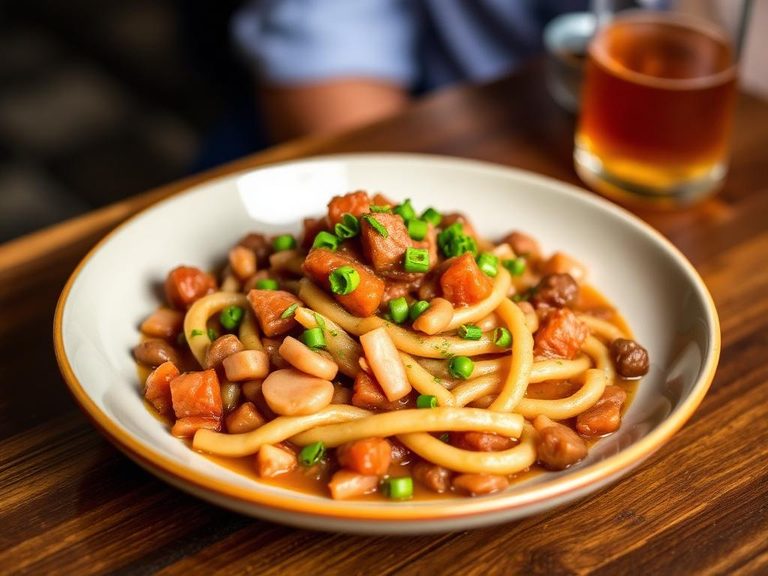
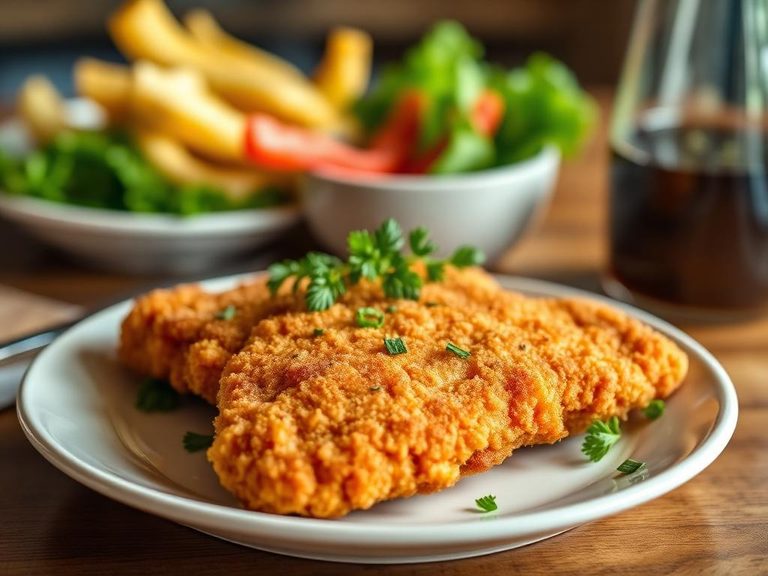
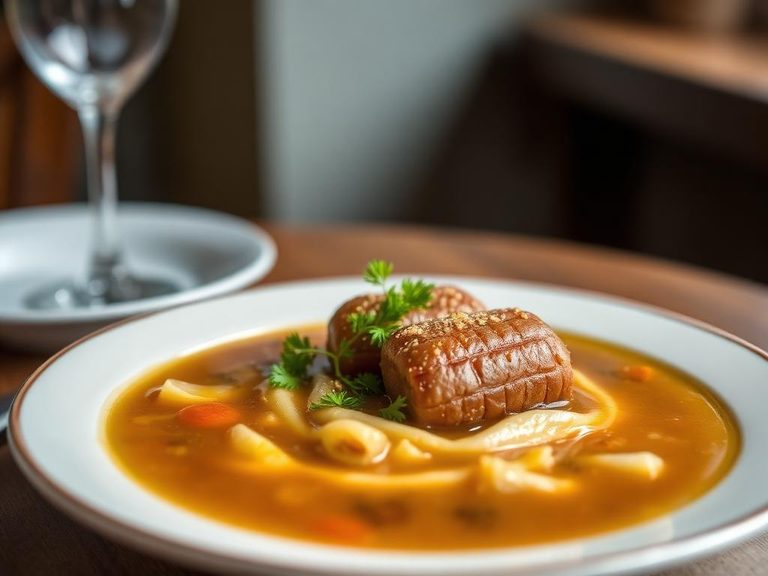
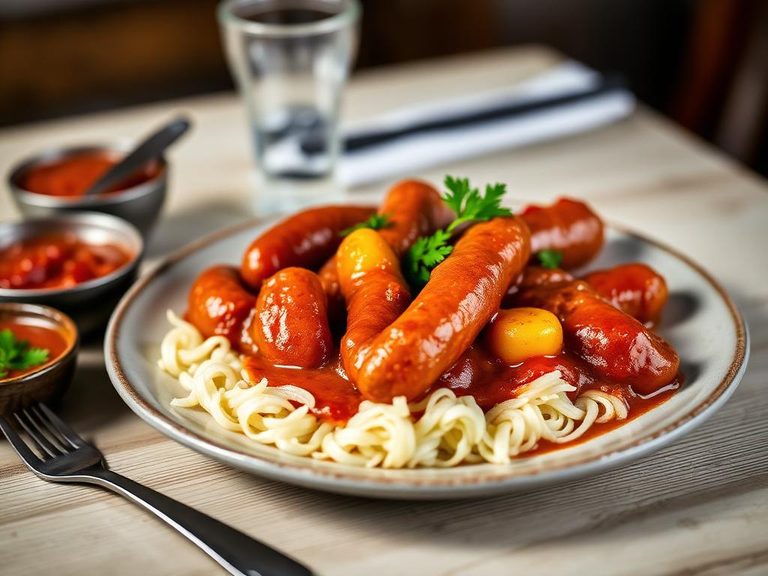
🍽️ Popular dishes


🌍 Where it's eaten
💡 Did you know?
The name 'Frankfurter' is believed to originate from Frankfurt, Germany, where a similar sausage was first documented in the 13th century, possibly for coronation feasts.
Full nutrition (USDA data · scales with serving)
| Water | 56.3 g |
| Energy | 290 kcal |
| Energy | 1212 kj |
| Protein | 10.3 g |
| Total lipid (fat) | 25.8 g |
| Ash | 3.5 g |
| Carbohydrate, by difference | 4.2 g |
| Fiber, total dietary | 0.00 g |
| Calcium, Ca | 99.0 mg |
| Iron, Fe | 1.1 mg |
| Magnesium, Mg | 15.0 mg |
| Phosphorus, P | 206 mg |
| Potassium, K | 152 mg |
| Sodium, Na | 1090 mg |
| Zinc, Zn | 1.2 mg |
| Copper, Cu | 0.10 mg |
| Manganese, Mn | 0.04 mg |
| Selenium, Se | 12.5 ug |
| Vitamin C, total ascorbic acid | 0.00 mg |
| Thiamin | 0.06 mg |
| Riboflavin | 0.12 mg |
| Niacin | 2.7 mg |
| Pantothenic acid | 0.31 mg |
| Vitamin B-6 | 0.17 mg |
| Folate, total | 6.0 ug |
| Folic acid | 0.00 ug |
| Folate, food | 6.0 ug |
| Folate, DFE | 6.0 ug |
| Vitamin B-12 | 1.6 ug |
| Vitamin A, RAE | 0.00 ug |
| Retinol | 0.00 ug |
| Vitamin A, IU | 0.00 iu |
| Vitamin E (alpha-tocopherol) | 0.19 mg |
| Alcohol, ethyl | 0.00 g |
| Caffeine | 0.00 mg |
| Theobromine | 0.00 mg |
Fat & fatty acid profile (per 100g)
| Fatty acids, total saturated | 7.7 g |
| SFA 4:0 | 0.00 g |
| SFA 6:0 | 0.00 g |
| SFA 8:0 | 0.00 g |
| SFA 10:0 | 0.07 g |
| SFA 12:0 | 0.04 g |
| SFA 14:0 | 0.27 g |
| SFA 16:0 | 5.2 g |
| SFA 18:0 | 2.1 g |
| Fatty acids, total monounsaturated | 11.4 g |
| MUFA 16:1 | 1.1 g |
| MUFA 18:1 | 10.0 g |
| MUFA 20:1 | 0.19 g |
| MUFA 22:1 | 0.10 g |
| Fatty acids, total polyunsaturated | 4.4 g |
| PUFA 18:2 | 4.2 g |
| PUFA 18:3 | 0.15 g |
| PUFA 18:4 | 0.00 g |
| PUFA 20:4 | 0.10 g |
| PUFA 20:5 n-3 (EPA) | 0.00 g |
| PUFA 22:5 n-3 (DPA) | 0.00 g |
| PUFA 22:6 n-3 (DHA) | 0.00 g |
| Cholesterol | 77.0 mg |
Amino acid profile (per 100g)
| Tryptophan | 0.11 g |
| Threonine | 0.47 g |
| Isoleucine | 0.53 g |
| Leucine | 0.91 g |
| Lysine | 0.96 g |
| Methionine | 0.29 g |
| Cystine | 0.11 g |
| Phenylalanine | 0.45 g |
| Tyrosine | 0.38 g |
| Valine | 0.56 g |
| Arginine | 0.69 g |
| Histidine | 0.33 g |
| Alanine | 0.62 g |
| Aspartic acid | 1.0 g |
| Glutamic acid | 1.6 g |
| Glycine | 0.49 g |
| Proline | 0.43 g |
| Serine | 0.41 g |
FAQ
What's the difference between a Frankfurter and a Wiener?
Traditionally, a Frankfurter is made from pure pork, while a Wiener (from Vienna) is a blend of pork and beef. In modern practice, especially in the U.S., the terms are often used interchangeably for similar emulsified sausages.
Is it safe to eat Frankfurters cold?
Yes, pre-cooked Frankfurters are safe to eat cold directly from the package. However, heating them through boiling, grilling, or pan-frying enhances their flavor and texture.
How can I reduce the fat content when cooking?
Grilling or broiling allows excess fat to drip away. Boiling or steaming are also lower-fat cooking methods compared to pan-frying in added oil.
Nutrient density (calculated · NRF9.3)
Nutrient Rich Foods index: beneficial nutrients (protein, fiber, vitamins, minerals) minus saturated fat, added sugar & sodium, per 100 kcal.
NRF9.3 index — Fulgoni, Keast & Drewnowski, 2009. Computed from USDA nutrients.
Weight-loss friendliness (composite index)
Energy density 2.90 kcal/g · 14% calories from protein · 0.0 g fiber · 0.0 g sugar per 100 g.
Composite of energy density (Rolls et al., 1999), protein & fiber satiety, minus sugar. A calculated heuristic — ranks satiety-per-calorie, not a clinical measure.
Dietary load (calculated from USDA values)
Potential renal acid load. Positive = acid-forming, negative = alkaline-forming.
Sodium-to-potassium ratio: 7.17 (lower is better — aim for ≤ 1)
Sodium:potassium per WHO potassium guidance. Computed from USDA nutrients.