

Fish, salmon, Atlantic, wild, cooked, dry heat
Whole food · Finfish and Shellfish Products
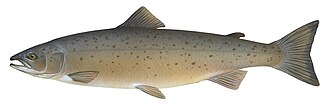
Photo: Wikipedia
Wild Atlantic salmon, cooked with dry heat, offers a rich, flaky texture and a robust, savory flavor that is distinctly oceanic and meaty. This preparation method concentrates its natural oils, resulting in a deeply satisfying and moist fillet. It is a nutritional powerhouse, providing over 25 grams of high-quality protein and essential omega-3 fatty acids per 100-gram serving.
Calorie split: 58% protein · 0% carbs · 42% fat
↓ Full nutrition💚 Why it's loved
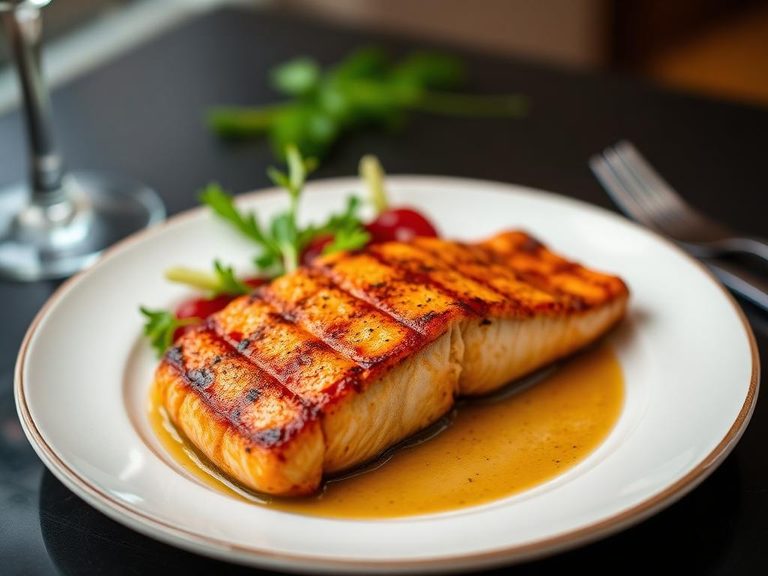
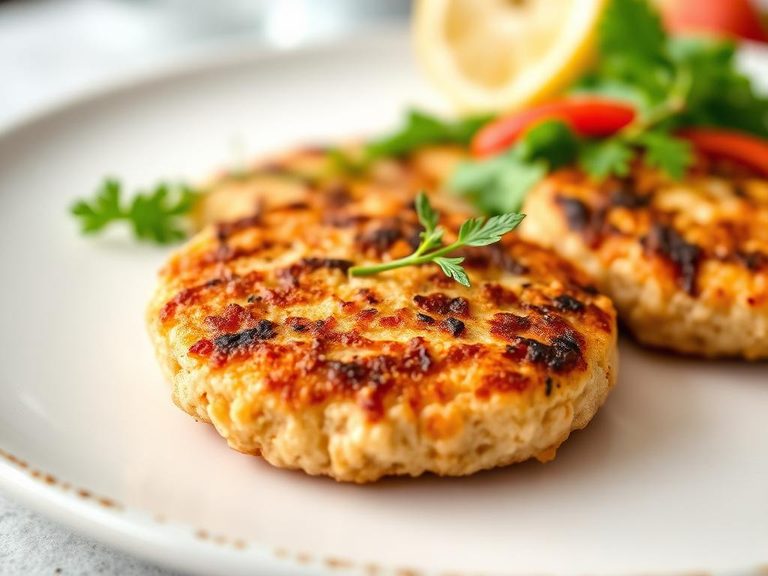
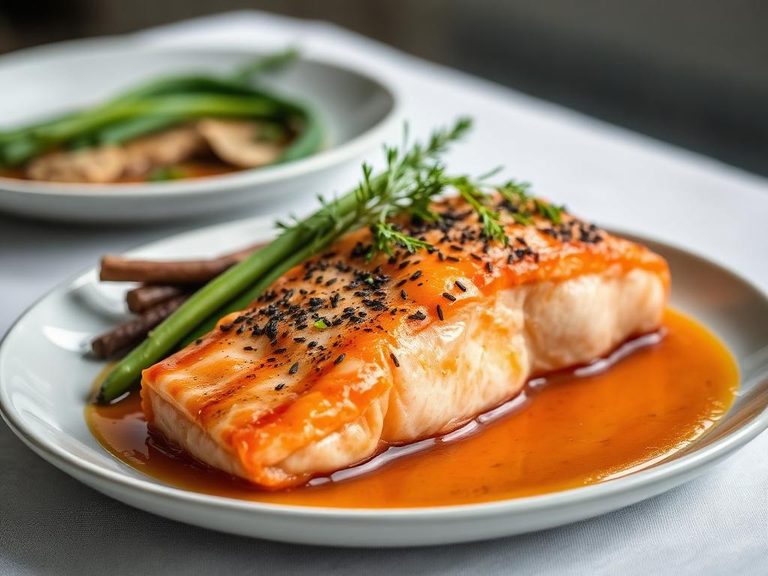
People love it for its clean, pronounced flavor and satisfying, flaky texture that pairs beautifully with a wide range of ingredients, from bright citrus to earthy herbs. Its versatility makes it a staple in both simple weeknight meals and elegant culinary presentations across many cultures.
⚠️ Watch-outs & how to enjoy it better
While highly nutritious, salmon is a common allergen and contains purines, which some individuals with gout or kidney issues may need to limit. To counteract this, those concerned should practice portion control (sticking to a standard 3-4 oz serving) and ensure it's part of a balanced diet with plenty of vegetables and water to support kidney function.
Key benefits
- Excellent source of high-quality, complete protein
- Rich in heart-healthy omega-3 fatty acids (EPA and DHA)
- Provides essential vitamins like B12 and D
- Naturally low in carbohydrates and sugar
- Contains selenium, an important antioxidant mineral
🍽️ Popular dishes
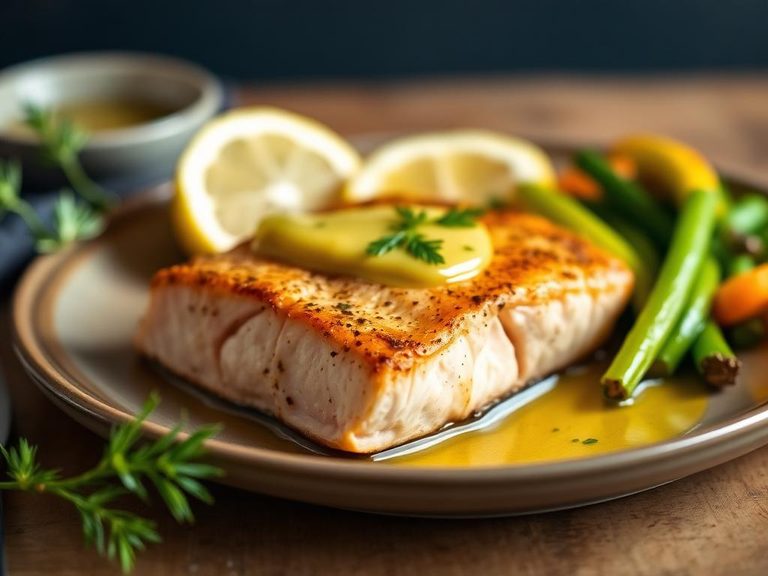
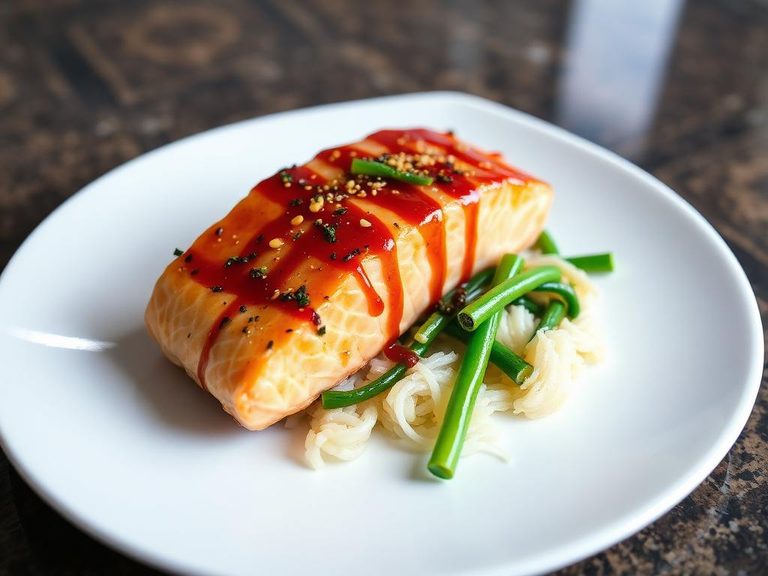
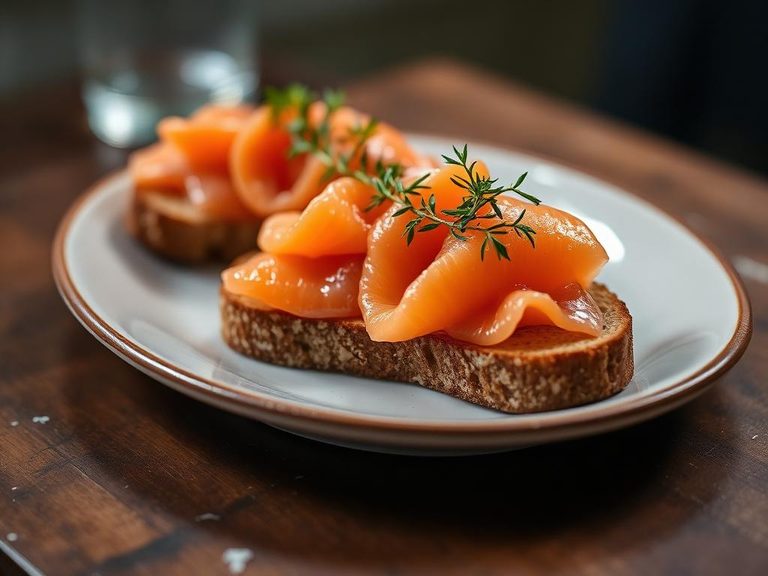
🌍 Where it's eaten
💡 Did you know?
Wild Atlantic salmon get their pinkish-orange color from eating a diet rich in carotenoids like astaxanthin, which they obtain by consuming shrimp and krill.
Full nutrition (USDA data · scales with serving)
| Water | 59.6 g |
| Energy | 182 kcal |
| Energy | 761 kj |
| Protein | 25.4 g |
| Total lipid (fat) | 8.1 g |
| Ash | 3.3 g |
| Carbohydrate, by difference | 0.00 g |
| Fiber, total dietary | 0.00 g |
| Calcium, Ca | 15.0 mg |
| Iron, Fe | 1.0 mg |
| Magnesium, Mg | 37.0 mg |
| Phosphorus, P | 256 mg |
| Potassium, K | 628 mg |
| Sodium, Na | 56.0 mg |
| Zinc, Zn | 0.82 mg |
| Copper, Cu | 0.32 mg |
| Manganese, Mn | 0.02 mg |
| Selenium, Se | 46.8 ug |
| Vitamin C, total ascorbic acid | 0.00 mg |
| Thiamin | 0.28 mg |
| Riboflavin | 0.49 mg |
| Niacin | 10.1 mg |
| Pantothenic acid | 1.9 mg |
| Vitamin B-6 | 0.94 mg |
| Folate, total | 29.0 ug |
| Folic acid | 0.00 ug |
| Folate, food | 29.0 ug |
| Folate, DFE | 29.0 ug |
| Vitamin B-12 | 3.0 ug |
| Vitamin A, RAE | 13.0 ug |
| Retinol | 13.0 ug |
| Vitamin A, IU | 44.0 iu |
Fat & fatty acid profile (per 100g)
| Fatty acids, total saturated | 1.3 g |
| SFA 14:0 | 0.18 g |
| SFA 16:0 | 0.81 g |
| SFA 18:0 | 0.27 g |
| Fatty acids, total monounsaturated | 2.7 g |
| MUFA 16:1 | 0.32 g |
| MUFA 18:1 | 1.7 g |
| MUFA 20:1 | 0.29 g |
| MUFA 22:1 | 0.36 g |
| Fatty acids, total polyunsaturated | 3.3 g |
| PUFA 18:2 | 0.22 g |
| PUFA 18:3 | 0.38 g |
| PUFA 18:4 | 0.11 g |
| PUFA 20:4 | 0.34 g |
| PUFA 20:5 n-3 (EPA) | 0.41 g |
| PUFA 22:5 n-3 (DPA) | 0.37 g |
| PUFA 22:6 n-3 (DHA) | 1.4 g |
| Cholesterol | 71.0 mg |
Amino acid profile (per 100g)
| Tryptophan | 0.28 g |
| Threonine | 1.1 g |
| Isoleucine | 1.2 g |
| Leucine | 2.1 g |
| Lysine | 2.3 g |
| Methionine | 0.75 g |
| Cystine | 0.27 g |
| Phenylalanine | 0.99 g |
| Tyrosine | 0.86 g |
| Valine | 1.3 g |
| Arginine | 1.5 g |
| Histidine | 0.75 g |
| Alanine | 1.5 g |
| Aspartic acid | 2.6 g |
| Glutamic acid | 3.8 g |
| Glycine | 1.2 g |
| Proline | 0.90 g |
| Serine | 1.0 g |
FAQ
Is wild salmon healthier than farmed salmon?
Wild salmon generally has a leaner profile with fewer calories and fat, while farmed salmon often contains higher levels of omega-3s due to its diet. Both are excellent sources of protein and nutrients, but wild salmon may have a more robust flavor.
How do I know when my salmon is cooked through?
Salmon is done when it flakes easily with a fork and reaches an internal temperature of 145°F (63°C). The flesh should be opaque and moist, not translucent or raw in the center.
What is the best way to store cooked salmon?
Store cooked salmon in an airtight container in the refrigerator for up to 3 days. For longer storage, freeze it in a sealed bag or container for up to 3 months. Reheat gently to avoid drying it out.
Nutrient density (calculated · NRF9.3)
Nutrient Rich Foods index: beneficial nutrients (protein, fiber, vitamins, minerals) minus saturated fat, added sugar & sodium, per 100 kcal.
NRF9.3 index — Fulgoni, Keast & Drewnowski, 2009. Computed from USDA nutrients.
Weight-loss friendliness (composite index)
Energy density 1.82 kcal/g · 56% calories from protein · 0.0 g fiber · 0.0 g sugar per 100 g.
Composite of energy density (Rolls et al., 1999), protein & fiber satiety, minus sugar. A calculated heuristic — ranks satiety-per-calorie, not a clinical measure.
Dietary load (calculated from USDA values)
Potential renal acid load. Positive = acid-forming, negative = alkaline-forming.
Sodium-to-potassium ratio: 0.09 (lower is better — aim for ≤ 1)
Sodium:potassium per WHO potassium guidance. Computed from USDA nutrients.