

Fat, goose
Whole food · Fats and Oils

Photo: Wikipedia
Goose fat is a rich, golden-yellow rendered fat prized for its high smoke point and deep, savory flavor. It has a silky, luxurious mouthfeel that coats the palate, delivering an intensely savory, slightly gamey essence that is the hallmark of many classic dishes. Nutritionally, it is a pure, calorie-dense source of energy, composed almost entirely of fat.
Calorie split: 0% protein · 0% carbs · 100% fat
↓ Full nutrition💚 Why it's loved
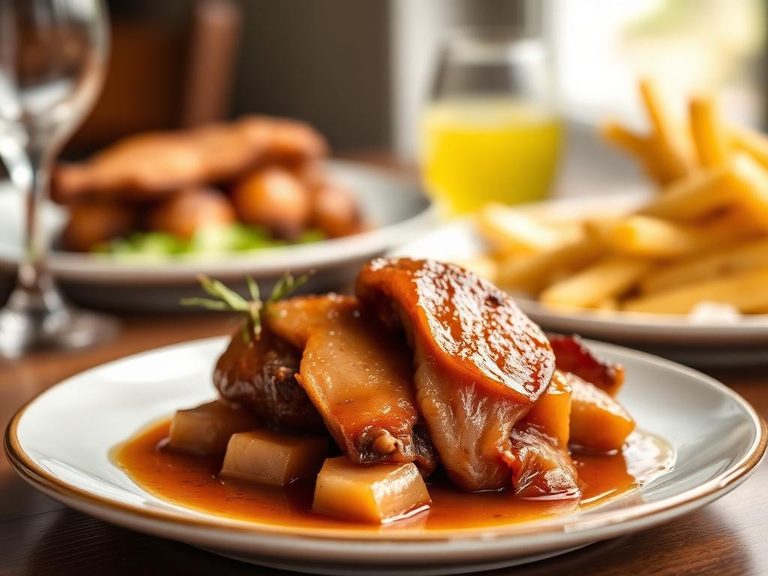
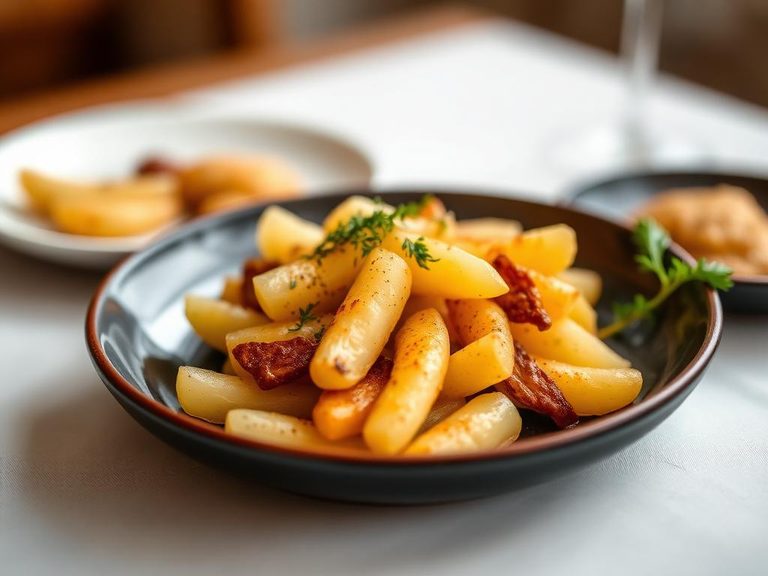
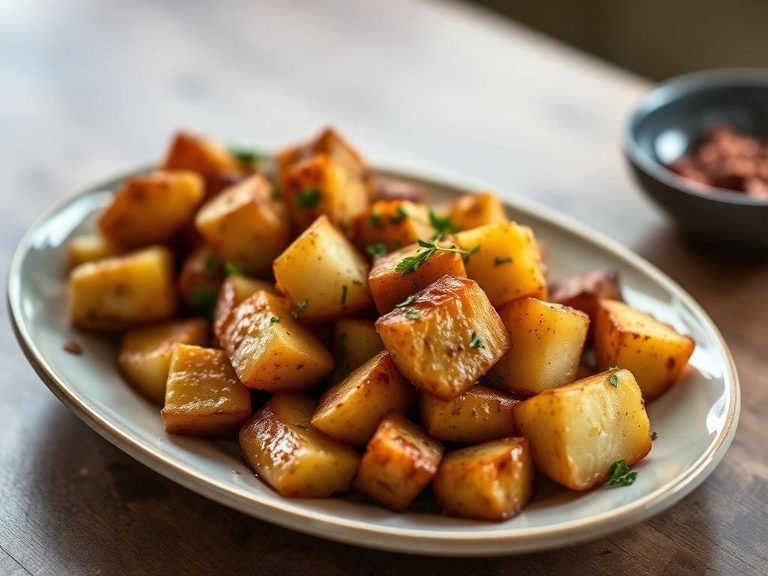
Chefs and home cooks adore it for the unparalleled, savory depth it imparts to roasted potatoes (pommes de terre sarladaises) and confit dishes. Its cultural significance in French and Jewish cuisines makes it a cherished ingredient for holiday feasts and traditional recipes.
⚠️ Watch-outs & how to enjoy it better
Its extremely high saturated fat and calorie content (900 kcal per 100g) makes it a food for moderation, not daily use. For those monitoring saturated fat intake, it should be used sparingly as a flavoring agent rather than a primary cooking fat. Counteract this by using it to finish dishes (a small drizzle) rather than for deep-frying, and pair it with fiber-rich vegetables or lean proteins.
Key benefits
- Excellent for high-heat cooking due to a high smoke point (~375°F/190°C).
- Rich in monounsaturated fats, particularly oleic acid (the same heart-healthy fat in olive oil).
- Adds profound depth of flavor to roasted vegetables, potatoes, and meats.
- Traditional ingredient in confit and pastry for flaky, rich textures.
- A staple for preserving and enhancing the flavor of seasonal poultry.
🍽️ Popular dishes
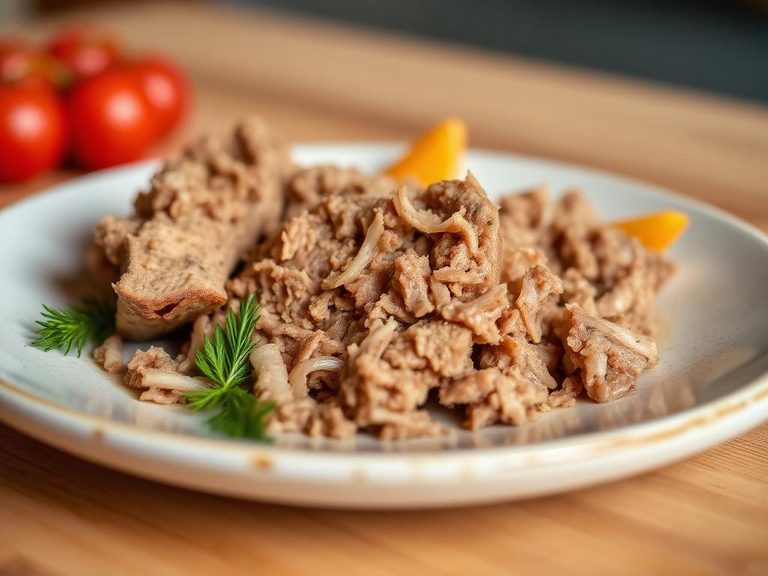
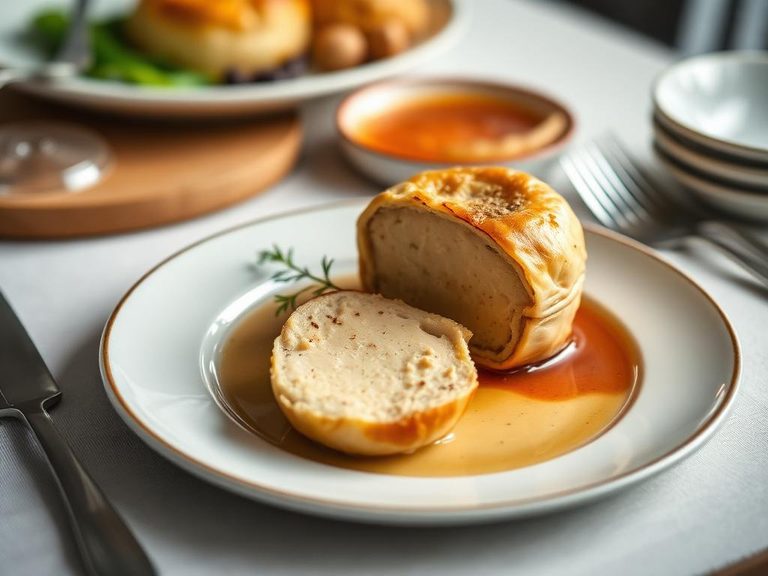
🌍 Where it's eaten
💡 Did you know?
Goose fat has a lower melting point than duck fat, giving it a silkier texture at room temperature and making it a prized secret for exceptionally tender pastry crusts.
Full nutrition (USDA data · scales with serving)
| Water | 0.20 g |
| Energy | 900 kcal |
| Energy | 3767 kj |
| Protein | 0.00 g |
| Total lipid (fat) | 99.8 g |
| Ash | 0.00 g |
| Carbohydrate, by difference | 0.00 g |
| Fiber, total dietary | 0.00 g |
| Calcium, Ca | 0.00 mg |
| Iron, Fe | 0.00 mg |
| Magnesium, Mg | 0.00 mg |
| Phosphorus, P | 0.00 mg |
| Potassium, K | 0.00 mg |
| Sodium, Na | 0.00 mg |
| Zinc, Zn | 0.00 mg |
| Selenium, Se | 0.20 ug |
| Vitamin C, total ascorbic acid | 0.00 mg |
| Thiamin | 0.00 mg |
| Riboflavin | 0.00 mg |
| Niacin | 0.00 mg |
| Pantothenic acid | 0.00 mg |
| Vitamin B-6 | 0.00 mg |
| Folate, total | 0.00 ug |
| Folic acid | 0.00 ug |
| Folate, food | 0.00 ug |
| Folate, DFE | 0.00 ug |
| Vitamin B-12 | 0.00 ug |
| Vitamin A, RAE | 0.00 ug |
| Retinol | 0.00 ug |
| Vitamin A, IU | 0.00 iu |
| Vitamin E (alpha-tocopherol) | 2.7 mg |
Fat & fatty acid profile (per 100g)
| Fatty acids, total saturated | 27.7 g |
| SFA 4:0 | 0.00 g |
| SFA 6:0 | 0.00 g |
| SFA 8:0 | 0.00 g |
| SFA 10:0 | 0.00 g |
| SFA 12:0 | 0.00 g |
| SFA 14:0 | 0.50 g |
| SFA 16:0 | 20.7 g |
| SFA 18:0 | 6.1 g |
| Fatty acids, total monounsaturated | 56.7 g |
| MUFA 16:1 | 2.8 g |
| MUFA 18:1 | 53.5 g |
| MUFA 20:1 | 0.10 g |
| MUFA 22:1 | 0.00 g |
| Fatty acids, total polyunsaturated | 11.0 g |
| PUFA 18:2 | 9.8 g |
| PUFA 18:3 | 0.50 g |
| PUFA 18:4 | 0.00 g |
| PUFA 20:4 | 0.00 g |
| PUFA 20:5 n-3 (EPA) | 0.00 g |
| PUFA 22:5 n-3 (DPA) | 0.00 g |
| PUFA 22:6 n-3 (DHA) | 0.00 g |
| Cholesterol | 100 mg |
| Phytosterols | 0.00 mg |
Amino acid profile (per 100g)
| Tryptophan | 0.00 g |
| Threonine | 0.00 g |
| Isoleucine | 0.00 g |
| Leucine | 0.00 g |
| Lysine | 0.00 g |
| Methionine | 0.00 g |
| Cystine | 0.00 g |
| Phenylalanine | 0.00 g |
| Tyrosine | 0.00 g |
| Valine | 0.00 g |
| Arginine | 0.00 g |
| Histidine | 0.00 g |
| Alanine | 0.00 g |
| Aspartic acid | 0.00 g |
| Glutamic acid | 0.00 g |
| Glycine | 0.00 g |
| Proline | 0.00 g |
| Serine | 0.00 g |
FAQ
How does goose fat differ from duck fat?
Goose fat is generally considered richer and more flavorful, with a slightly gamier note. It also has a lower melting point, making it feel silkier. Duck fat is more common and milder in taste.
Can I use goose fat for baking?
Yes, especially for savory pastries like pie crusts or biscuits where you want a flaky, tender texture and a subtle savory depth. It's less common for sweet baking due to its distinct flavor.
How should I store goose fat?
Strain it well after rendering, let it cool, and store it in an airtight container in the refrigerator for up to 6 months, or freeze it for longer-term storage. Always use clean utensils to prevent spoilage.
Nutrient density (calculated · NRF9.3)
Nutrient Rich Foods index: beneficial nutrients (protein, fiber, vitamins, minerals) minus saturated fat, added sugar & sodium, per 100 kcal.
NRF9.3 index — Fulgoni, Keast & Drewnowski, 2009. Computed from USDA nutrients.
Weight-loss friendliness (composite index)
Energy density 9.00 kcal/g · 0% calories from protein · 0.0 g fiber · 0.0 g sugar per 100 g.
Composite of energy density (Rolls et al., 1999), protein & fiber satiety, minus sugar. A calculated heuristic — ranks satiety-per-calorie, not a clinical measure.
Dietary load (calculated from USDA values)
Potential renal acid load. Positive = acid-forming, negative = alkaline-forming.
Sodium:potassium per WHO potassium guidance. Computed from USDA nutrients.