

Coriander (cilantro) leaves, raw
Whole food · Vegetables and Vegetable Products
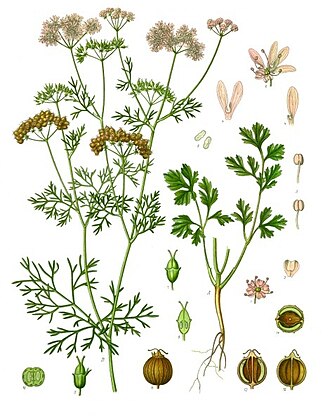
Photo: Wikipedia
Coriander leaves, commonly known as cilantro, are the tender, bright-green foliage of the Coriandrum sativum plant. They deliver a vibrant, citrusy, and slightly peppery flavor with a delicate, feathery texture that wilts quickly when heated. Nutritionally, they are a low-calorie powerhouse, offering a notable amount of fiber and vitamin K per serving.
Calorie split: 31% protein · 53% carbs · 17% fat
↓ Full nutrition💚 Why it's loved
People adore cilantro for its uniquely bright, citrus-like zing that can transform a dish from flat to vibrant. Its versatility allows it to be used as a fresh finishing herb, a core ingredient in pastes and marinades, or a key component in salsas and salads across countless global cuisines.
⚠️ Watch-outs & how to enjoy it better
For a segment of the population (estimated 4-14%), cilantro has a soapy or metallic taste due to a genetic variation in olfactory receptors. To counteract this, try using smaller amounts, pairing it with strong flavors like lime, chili, or garlic, or using the milder-tasting stems. Others may find its strong flavor overpowering if used excessively.
Key benefits
- Excellent source of vitamin K, crucial for blood clotting and bone health.
- Provides a good dose of vitamin A, important for vision and immune function.
- Contains antioxidants like quercetin and rutin.
- Offers dietary fiber to support digestive health.
- Adds significant flavor with minimal calories, fat, or sodium.
🍽️ Popular dishes
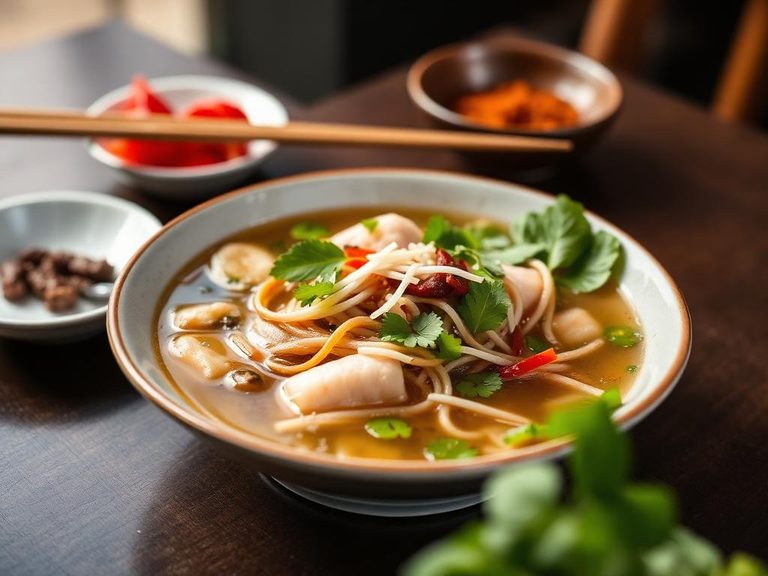
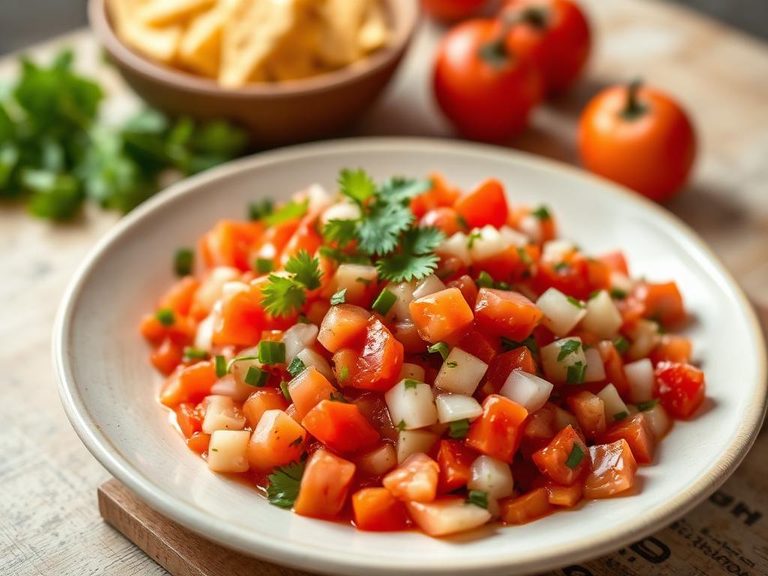
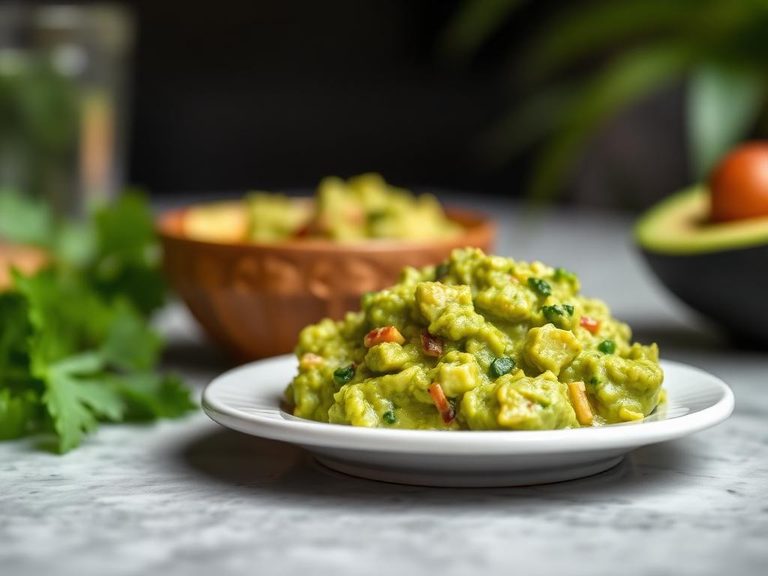
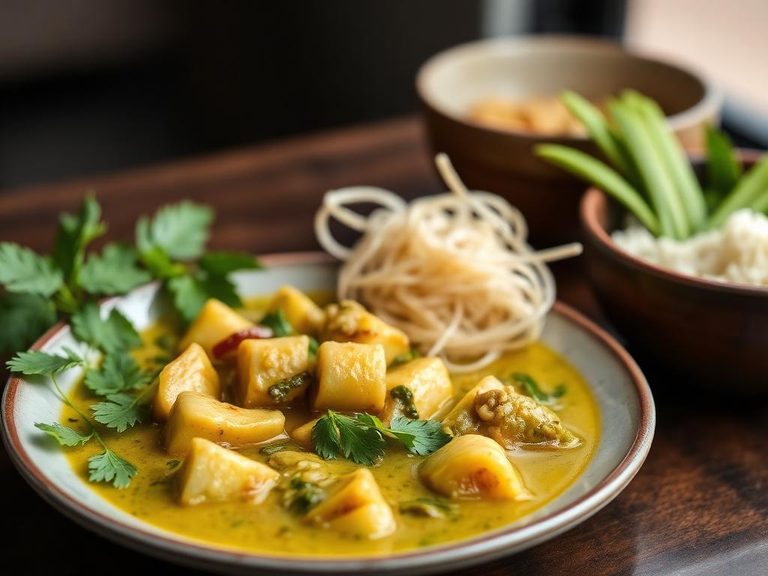
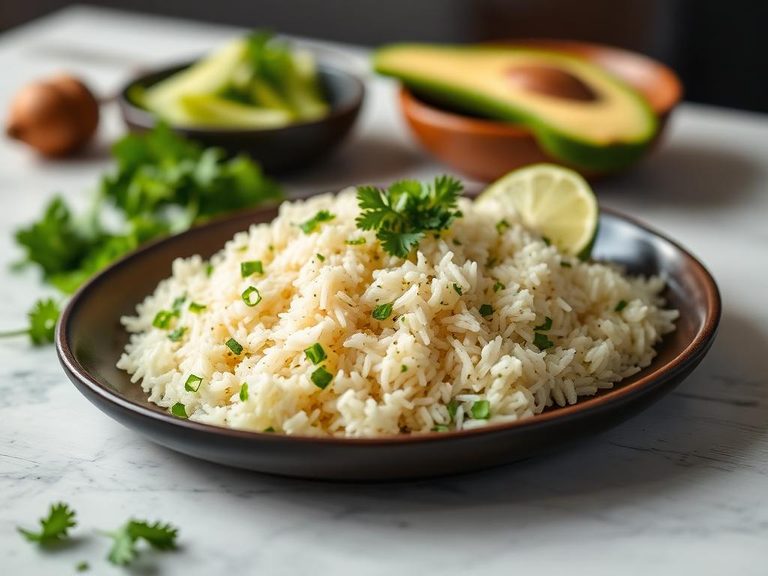
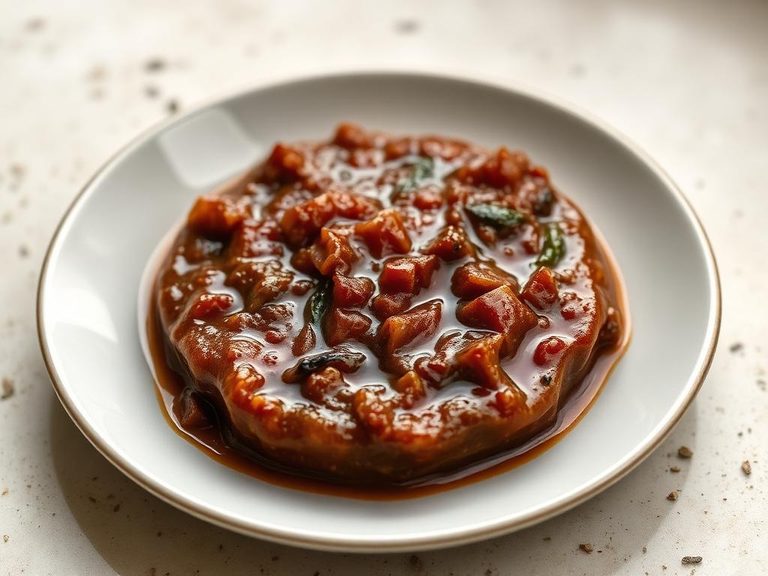
🌍 Where it's eaten
💡 Did you know?
The seeds of the coriander plant (whole coriander) have a completely different, warm and nutty flavor profile, demonstrating how one plant provides two distinct culinary herbs and spices.
Full nutrition (USDA data · scales with serving)
| Water | 92.2 g |
| Energy | 23.0 kcal |
| Energy | 95.0 kj |
| Protein | 2.1 g |
| Total lipid (fat) | 0.52 g |
| Ash | 1.5 g |
| Carbohydrate, by difference | 3.7 g |
| Fiber, total dietary | 2.8 g |
| Total Sugars | 0.87 g |
| Calcium, Ca | 67.0 mg |
| Iron, Fe | 1.8 mg |
| Magnesium, Mg | 26.0 mg |
| Phosphorus, P | 48.0 mg |
| Potassium, K | 521 mg |
| Sodium, Na | 46.0 mg |
| Zinc, Zn | 0.50 mg |
| Copper, Cu | 0.23 mg |
| Manganese, Mn | 0.43 mg |
| Selenium, Se | 0.90 ug |
| Vitamin C, total ascorbic acid | 27.0 mg |
| Thiamin | 0.07 mg |
| Riboflavin | 0.16 mg |
| Niacin | 1.1 mg |
| Pantothenic acid | 0.57 mg |
| Vitamin B-6 | 0.15 mg |
| Folate, total | 62.0 ug |
| Folic acid | 0.00 ug |
| Folate, food | 62.0 ug |
| Folate, DFE | 62.0 ug |
| Choline, total | 12.8 mg |
| Vitamin B-12 | 0.00 ug |
| Vitamin B-12, added | 0.00 ug |
| Vitamin A, RAE | 337 ug |
| Retinol | 0.00 ug |
| Carotene, beta | 3930 ug |
| Carotene, alpha | 36.0 ug |
| Cryptoxanthin, beta | 202 ug |
| Vitamin A, IU | 6748 iu |
| Lycopene | 0.00 ug |
| Lutein + zeaxanthin | 865 ug |
| Vitamin E (alpha-tocopherol) | 2.5 mg |
| Vitamin E, added | 0.00 mg |
| Vitamin D (D2 + D3), International Units | 0.00 iu |
| Vitamin D (D2 + D3) | 0.00 ug |
| Vitamin K (phylloquinone) | 310 ug |
| Alcohol, ethyl | 0.00 g |
| Caffeine | 0.00 mg |
| Theobromine | 0.00 mg |
Fat & fatty acid profile (per 100g)
| Fatty acids, total saturated | 0.01 g |
| SFA 4:0 | 0.00 g |
| SFA 6:0 | 0.00 g |
| SFA 8:0 | 0.00 g |
| SFA 10:0 | 0.00 g |
| SFA 12:0 | 0.00 g |
| SFA 14:0 | 0.00 g |
| SFA 16:0 | 0.01 g |
| SFA 18:0 | 0.00 g |
| Fatty acids, total monounsaturated | 0.28 g |
| MUFA 16:1 | 0.00 g |
| MUFA 18:1 | 0.27 g |
| MUFA 20:1 | 0.00 g |
| MUFA 22:1 | 0.00 g |
| Fatty acids, total polyunsaturated | 0.04 g |
| PUFA 18:2 | 0.04 g |
| PUFA 18:3 | 0.00 g |
| PUFA 18:4 | 0.00 g |
| PUFA 20:4 | 0.00 g |
| PUFA 20:5 n-3 (EPA) | 0.00 g |
| PUFA 22:5 n-3 (DPA) | 0.00 g |
| PUFA 22:6 n-3 (DHA) | 0.00 g |
| Fatty acids, total trans | 0.00 g |
| Cholesterol | 0.00 mg |
| Phytosterols | 5.0 mg |
| Stigmasterol | 3.0 mg |
| Campesterol | 0.00 mg |
| Beta-sitosterol | 2.0 mg |
FAQ
What's the difference between cilantro and coriander?
In most of the world, 'coriander' refers to the whole plant. In the US and some other regions, 'cilantro' specifically names the fresh leaves and stems, while 'coriander' refers to the dried seeds used as a spice.
How should I store fresh cilantro to make it last?
Trim the stems, place the bunch upright in a jar with an inch of water, cover loosely with a plastic bag, and refrigerate. Change the water every few days. This can keep it fresh for up to two weeks.
Why does cilantro taste like soap to me?
This is a genetic trait linked to olfactory receptor genes (like OR6A2). The leaf contains aldehydes that, for those with the specific gene variant, smell similar to compounds in soap.
Nutrient density (calculated · NRF9.3)
Nutrient Rich Foods index: beneficial nutrients (protein, fiber, vitamins, minerals) minus saturated fat, added sugar & sodium, per 100 kcal.
NRF9.3 index — Fulgoni, Keast & Drewnowski, 2009. Computed from USDA nutrients.
Weight-loss friendliness (composite index)
Energy density 0.23 kcal/g · 37% calories from protein · 2.8 g fiber · 0.9 g sugar per 100 g.
Composite of energy density (Rolls et al., 1999), protein & fiber satiety, minus sugar. A calculated heuristic — ranks satiety-per-calorie, not a clinical measure.
Dietary load (calculated from USDA values)
Potential renal acid load. Positive = acid-forming, negative = alkaline-forming.
Sodium-to-potassium ratio: 0.09 (lower is better — aim for ≤ 1)
Sodium:potassium per WHO potassium guidance. Computed from USDA nutrients.