

Cabbage, common (danish, domestic, and pointed types), stored, raw
Whole food · Vegetables and Vegetable Products
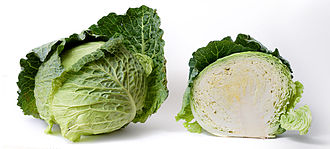
Photo: Wikipedia
This is the classic round head of cabbage, a crisp, leafy vegetable with a mild, slightly sweet flavor and a satisfying crunch when raw. Nutritionally, it's a low-calorie powerhouse, offering a solid 2.3 grams of fiber per 100 grams to support digestion. Its dense, layered leaves make it incredibly versatile for both raw and cooked preparations.
Calorie split: 17% protein · 77% carbs · 6% fat
↓ Full nutrition💚 Why it's loved
People adore cabbage for its incredible versatility and long shelf life, making it a reliable kitchen staple. Its mild flavor acts as a perfect canvas, absorbing the tastes of spices, sauces, and other ingredients in a wide array of global cuisines.
⚠️ Watch-outs & how to enjoy it better
Some individuals may experience bloating or gas due to its raffinose content, a complex sugar that can be hard to digest. To minimize this, try chopping it and letting it sit for 10 minutes before cooking, or opt for fermented forms like sauerkraut, which are easier on the digestive system.
Key benefits
- Excellent source of dietary fiber for gut health.
- Very low in calories, making it ideal for weight management.
- Provides vitamin K for bone health and blood clotting.
- Contains antioxidants like vitamin C and polyphenols.
- High water content helps with hydration.
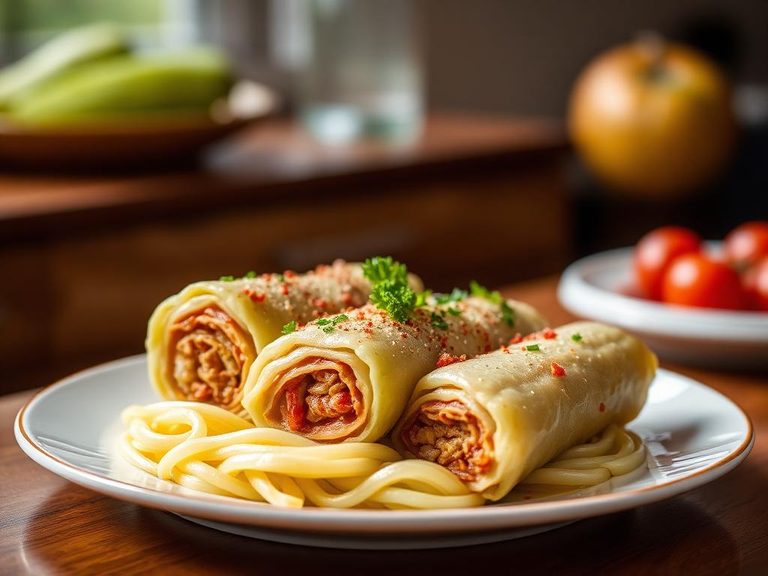
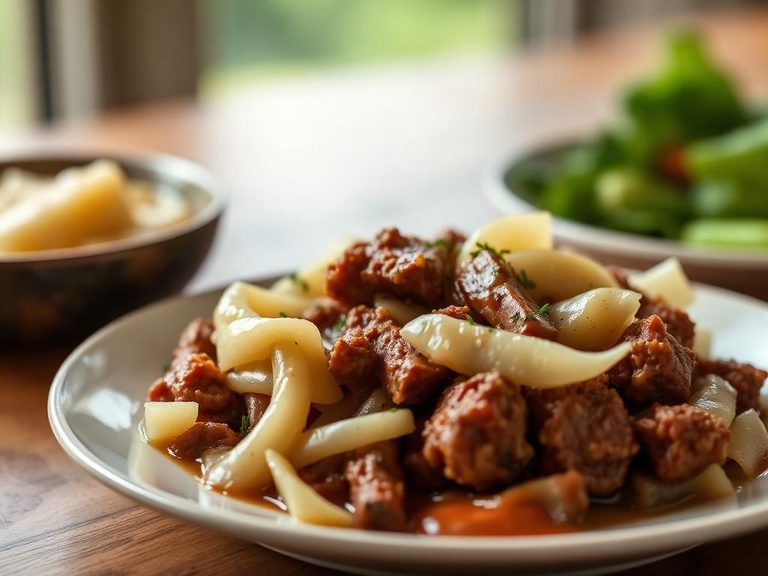
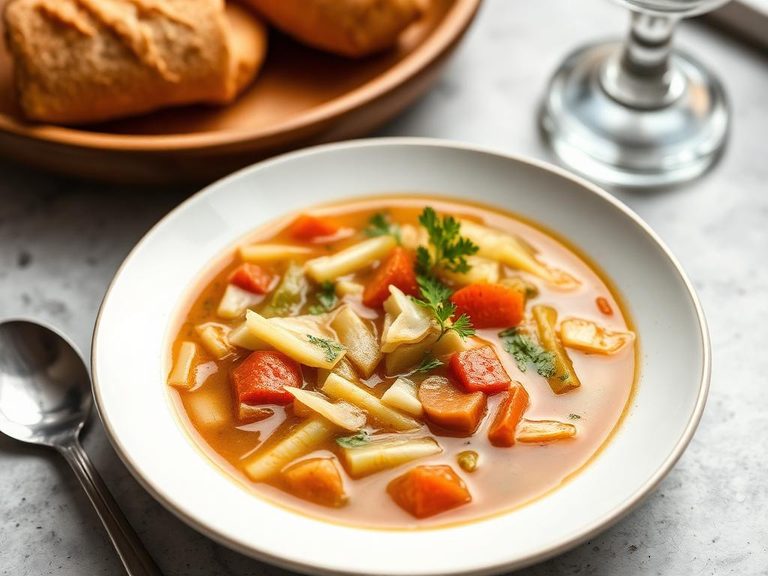
🍽️ Popular dishes
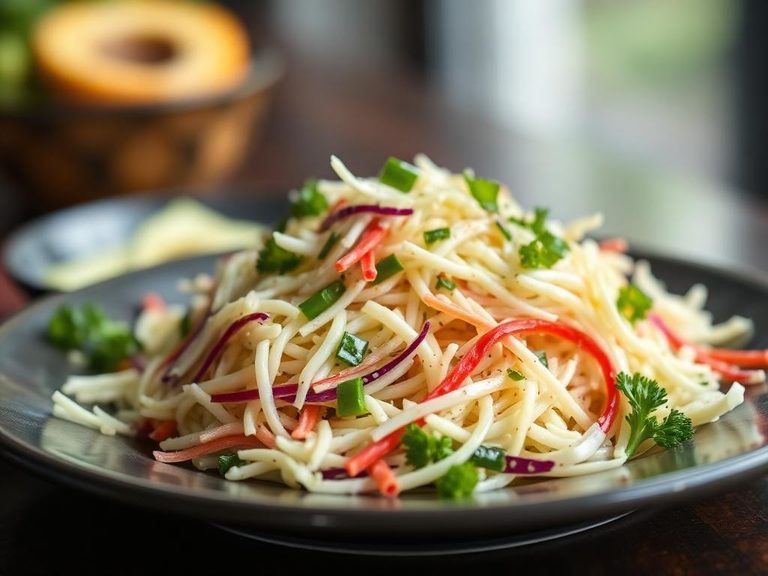
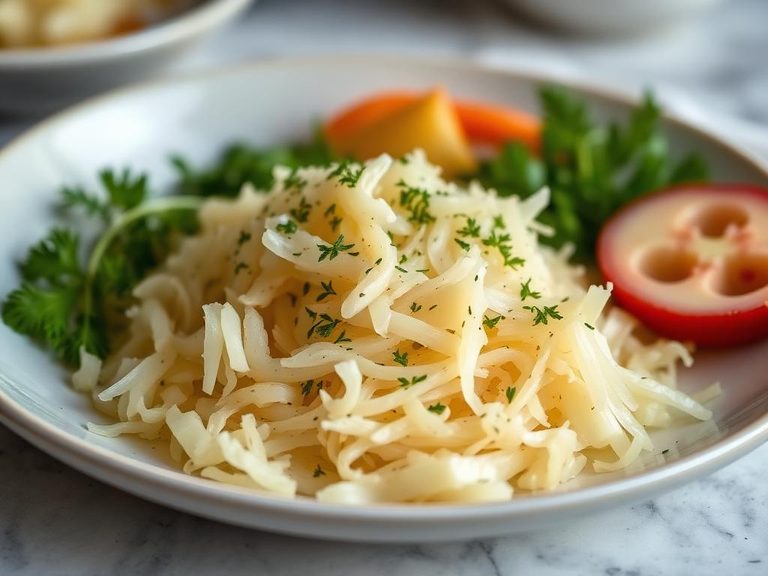
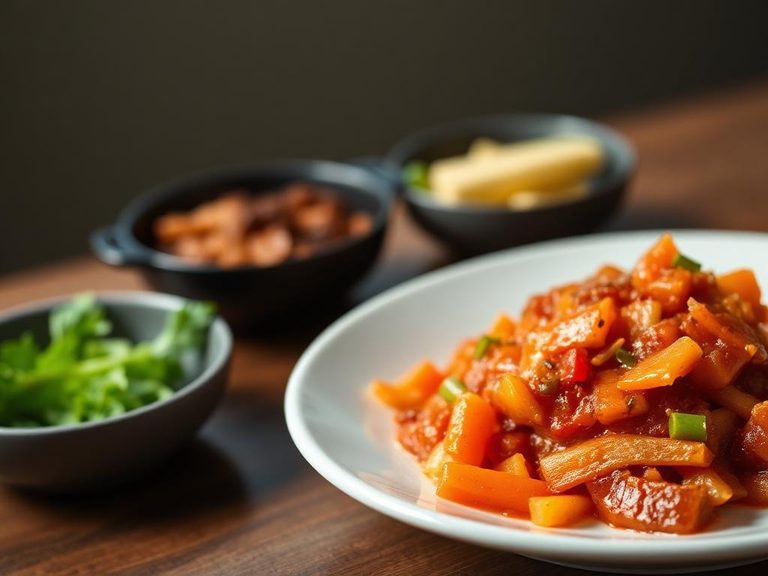
🌍 Where it's eaten
💡 Did you know?
A single head of cabbage can contain over 100,000 seeds, though it is almost always grown from transplants or direct seeding of the seeds themselves.
Full nutrition (USDA data · scales with serving)
| Water | 92.5 g |
| Energy | 24.0 kcal |
| Energy | 100 kj |
| Protein | 1.2 g |
| Total lipid (fat) | 0.18 g |
| Ash | 0.72 g |
| Carbohydrate, by difference | 5.4 g |
| Fiber, total dietary | 2.3 g |
| Calcium, Ca | 47.0 mg |
| Iron, Fe | 0.56 mg |
| Magnesium, Mg | 15.0 mg |
| Phosphorus, P | 23.0 mg |
| Potassium, K | 246 mg |
| Sodium, Na | 18.0 mg |
| Zinc, Zn | 0.18 mg |
| Copper, Cu | 0.02 mg |
| Manganese, Mn | 0.16 mg |
| Selenium, Se | 0.90 ug |
| Vitamin C, total ascorbic acid | 42.0 mg |
| Thiamin | 0.05 mg |
| Riboflavin | 0.03 mg |
| Niacin | 0.30 mg |
| Pantothenic acid | 0.14 mg |
| Vitamin B-6 | 0.10 mg |
| Folate, total | 57.0 ug |
| Folic acid | 0.00 ug |
| Folate, food | 57.0 ug |
| Folate, DFE | 57.0 ug |
| Vitamin B-12 | 0.00 ug |
| Vitamin A, RAE | 6.0 ug |
| Retinol | 0.00 ug |
| Vitamin A, IU | 126 iu |
| Vitamin D (D2 + D3), International Units | 0.00 iu |
| Vitamin D (D2 + D3) | 0.00 ug |
Fat & fatty acid profile (per 100g)
| Fatty acids, total saturated | 0.02 g |
| SFA 8:0 | 0.00 g |
| SFA 10:0 | 0.00 g |
| SFA 12:0 | 0.00 g |
| SFA 14:0 | 0.00 g |
| SFA 16:0 | 0.02 g |
| SFA 18:0 | 0.00 g |
| Fatty acids, total monounsaturated | 0.01 g |
| MUFA 16:1 | 0.00 g |
| MUFA 18:1 | 0.01 g |
| Fatty acids, total polyunsaturated | 0.09 g |
| PUFA 18:2 | 0.04 g |
| PUFA 18:3 | 0.05 g |
| PUFA 20:4 | 0.00 g |
| Fatty acids, total trans | 0.00 g |
| Cholesterol | 0.00 mg |
| Phytosterols | 11.0 mg |
Amino acid profile (per 100g)
| Tryptophan | 0.01 g |
| Threonine | 0.04 g |
| Isoleucine | 0.06 g |
| Leucine | 0.06 g |
| Lysine | 0.06 g |
| Methionine | 0.01 g |
| Cystine | 0.01 g |
| Phenylalanine | 0.04 g |
| Tyrosine | 0.02 g |
| Valine | 0.05 g |
| Arginine | 0.07 g |
| Histidine | 0.03 g |
| Alanine | 0.04 g |
| Aspartic acid | 0.12 g |
| Glutamic acid | 0.27 g |
| Glycine | 0.03 g |
| Proline | 0.24 g |
| Serine | 0.07 g |
FAQ
What's the difference between green, red, and savoy cabbage?
Green cabbage is the most common, with a smooth, firm head and mild flavor. Red (or purple) cabbage has a similar texture but a more peppery taste and vibrant color from anthocyanins. Savoy cabbage has crinkled, textured leaves and is often considered more tender and delicate.
How do I store cabbage to make it last?
Keep it whole and unwashed in the crisper drawer of your refrigerator, where it can last for weeks. Once cut, wrap the remaining portion tightly in plastic wrap or place it in a sealed bag to prevent drying and odor absorption.
Why does my cooked cabbage sometimes smell strong?
The sulfur compounds in cabbage are released when it's overcooked. To minimize odor and preserve nutrients, cook it quickly—steaming, stir-frying, or sautéing for just a few minutes until tender-crisp is best. Adding a splash of vinegar or lemon juice can also help.
Nutrient density (calculated · NRF9.3)
Nutrient Rich Foods index: beneficial nutrients (protein, fiber, vitamins, minerals) minus saturated fat, added sugar & sodium, per 100 kcal.
NRF9.3 index — Fulgoni, Keast & Drewnowski, 2009. Computed from USDA nutrients.
Weight-loss friendliness (composite index)
Energy density 0.24 kcal/g · 20% calories from protein · 2.3 g fiber · 0.0 g sugar per 100 g.
Composite of energy density (Rolls et al., 1999), protein & fiber satiety, minus sugar. A calculated heuristic — ranks satiety-per-calorie, not a clinical measure.
Dietary load (calculated from USDA values)
Potential renal acid load. Positive = acid-forming, negative = alkaline-forming.
Sodium-to-potassium ratio: 0.07 (lower is better — aim for ≤ 1)
Sodium:potassium per WHO potassium guidance. Computed from USDA nutrients.