

Bread, white, prepared from recipe, made with nonfat dry milk
Whole food · Baked Products

Photo: Wikipedia
This is a classic, soft-crumb white bread, often made at home using nonfat dry milk for a tender texture and subtle dairy sweetness. Its flavor is mildly sweet and milky, with a fine, uniform crumb that's perfect for sandwiches and toast. Nutritionally, it's a solid source of protein (7.7g per 100g) for a white bread, thanks to the milk powder.
Calorie split: 11% protein · 80% carbs · 9% fat
↓ Full nutrition💚 Why it's loved
People love its comforting, familiar taste and soft, pillowy texture that makes it ideal for everything from classic PB&J to golden French toast. Its mild flavor acts as a perfect canvas, letting other ingredients shine.
⚠️ Watch-outs & how to enjoy it better
As a refined carbohydrate, it can cause quicker blood sugar spikes compared to whole-grain breads. To counteract this, pair it with protein (like eggs or nut butter) or healthy fats (like avocado) to slow digestion. Those monitoring sodium should check labels, as bread can be a hidden source.
Key benefits
- Good source of protein for a white bread
- Provides calcium from the nonfat dry milk
- Low in fat (2.6g per 100g)
- Soft texture is easy to chew and digest
- Versatile base for both sweet and savory meals
🍽️ Popular dishes

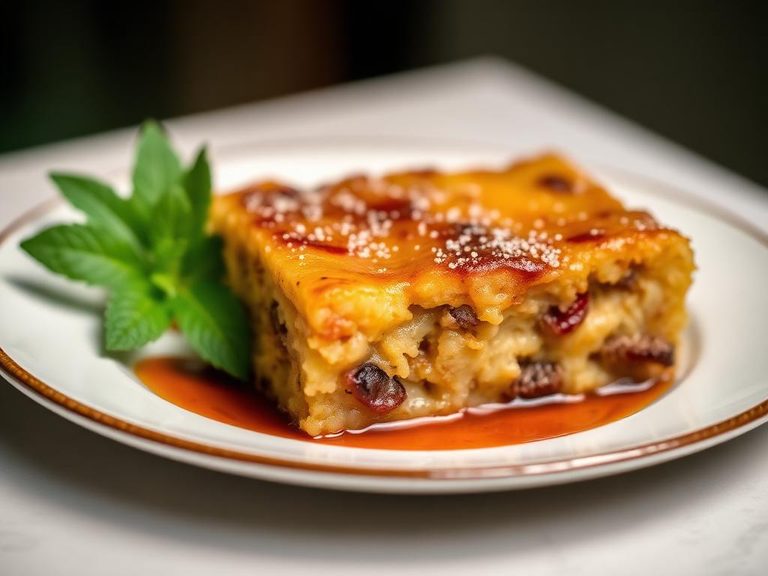


🌍 Where it's eaten
💡 Did you know?
The addition of nonfat dry milk in recipes was popularized during World War II as a way to boost nutrition and extend the use of fresh milk, which was rationed.
Full nutrition (USDA data · scales with serving)
| Water | 34.8 g |
| Energy | 274 kcal |
| Energy | 1146 kj |
| Protein | 7.7 g |
| Total lipid (fat) | 2.6 g |
| Ash | 1.4 g |
| Carbohydrate, by difference | 53.6 g |
| Fiber, total dietary | 2.0 g |
| Calcium, Ca | 32.0 mg |
| Iron, Fe | 3.2 mg |
| Magnesium, Mg | 17.0 mg |
| Phosphorus, P | 96.0 mg |
| Potassium, K | 111 mg |
| Sodium, Na | 336 mg |
| Zinc, Zn | 0.59 mg |
| Copper, Cu | 0.11 mg |
| Manganese, Mn | 0.46 mg |
| Selenium, Se | 23.1 ug |
| Vitamin C, total ascorbic acid | 0.00 mg |
| Thiamin | 0.43 mg |
| Riboflavin | 0.35 mg |
| Niacin | 3.7 mg |
| Pantothenic acid | 0.28 mg |
| Vitamin B-6 | 0.04 mg |
| Folate, total | 85.0 ug |
| Folic acid | 58.0 ug |
| Folate, food | 27.0 ug |
| Folate, DFE | 126 ug |
| Vitamin B-12 | 0.02 ug |
| Vitamin A, RAE | 12.0 ug |
| Retinol | 12.0 ug |
| Vitamin A, IU | 41.0 iu |
| Alcohol, ethyl | 0.00 g |
Fat & fatty acid profile (per 100g)
| Fatty acids, total saturated | 0.39 g |
| SFA 4:0 | 0.00 g |
| SFA 6:0 | 0.00 g |
| SFA 8:0 | 0.00 g |
| SFA 10:0 | 0.00 g |
| SFA 12:0 | 0.00 g |
| SFA 14:0 | 0.00 g |
| SFA 16:0 | 0.30 g |
| SFA 18:0 | 0.08 g |
| Fatty acids, total monounsaturated | 0.53 g |
| MUFA 16:1 | 0.01 g |
| MUFA 18:1 | 0.51 g |
| MUFA 20:1 | 0.00 g |
| MUFA 22:1 | 0.00 g |
| Fatty acids, total polyunsaturated | 1.4 g |
| PUFA 18:2 | 1.3 g |
| PUFA 18:3 | 0.15 g |
| PUFA 18:4 | 0.00 g |
| PUFA 20:4 | 0.00 g |
| PUFA 20:5 n-3 (EPA) | 0.00 g |
| PUFA 22:5 n-3 (DPA) | 0.00 g |
| PUFA 22:6 n-3 (DHA) | 0.00 g |
| Cholesterol | 0.00 mg |
Amino acid profile (per 100g)
| Tryptophan | 0.10 g |
| Threonine | 0.22 g |
| Isoleucine | 0.28 g |
| Leucine | 0.54 g |
| Lysine | 0.21 g |
| Methionine | 0.14 g |
| Cystine | 0.15 g |
| Phenylalanine | 0.38 g |
| Tyrosine | 0.24 g |
| Valine | 0.33 g |
| Arginine | 0.31 g |
| Histidine | 0.17 g |
| Alanine | 0.25 g |
| Aspartic acid | 0.35 g |
| Glutamic acid | 2.5 g |
| Glycine | 0.27 g |
| Proline | 0.86 g |
| Serine | 0.38 g |
FAQ
Why use nonfat dry milk instead of fresh milk?
Nonfat dry milk has a longer shelf life, is more economical, and adds protein and calcium without extra fat. It also contributes to a softer crumb and a slightly sweeter flavor.
Is this bread suitable for people with lactose intolerance?
The processing of dry milk reduces lactose, but it may not be completely lactose-free. Those with severe intolerance should check the label or opt for a certified lactose-free version.
How does its nutrition differ from regular white bread?
Compared to standard white bread, this version typically has more protein and calcium due to the milk powder, while the fat and calorie content remain similar.
Nutrient density (calculated · NRF9.3)
Nutrient Rich Foods index: beneficial nutrients (protein, fiber, vitamins, minerals) minus saturated fat, added sugar & sodium, per 100 kcal.
NRF9.3 index — Fulgoni, Keast & Drewnowski, 2009. Computed from USDA nutrients.
Weight-loss friendliness (composite index)
Energy density 2.74 kcal/g · 11% calories from protein · 2.0 g fiber · 0.0 g sugar per 100 g.
Composite of energy density (Rolls et al., 1999), protein & fiber satiety, minus sugar. A calculated heuristic — ranks satiety-per-calorie, not a clinical measure.
Dietary load (calculated from USDA values)
Potential renal acid load. Positive = acid-forming, negative = alkaline-forming.
Sodium-to-potassium ratio: 3.03 (lower is better — aim for ≤ 1)
Sodium:potassium per WHO potassium guidance. Computed from USDA nutrients.