

Sugars, powdered
Whole food · Sweets
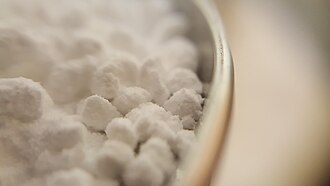
Photo: Wikipedia
Powdered sugar, also known as confectioners' or icing sugar, is finely milled sucrose, often with a tiny amount of anti-caking agent like cornstarch to prevent clumping. It has a soft, silky texture that dissolves instantly on the tongue, delivering an immediate, intense sweetness without any granular crunch. Nutritionally, it is a pure carbohydrate source, providing 389 kcal per 100g with virtually no protein, fat, or fiber.
Calorie split: 0% protein · 100% carbs · 0% fat
↓ Full nutrition💚 Why it's loved
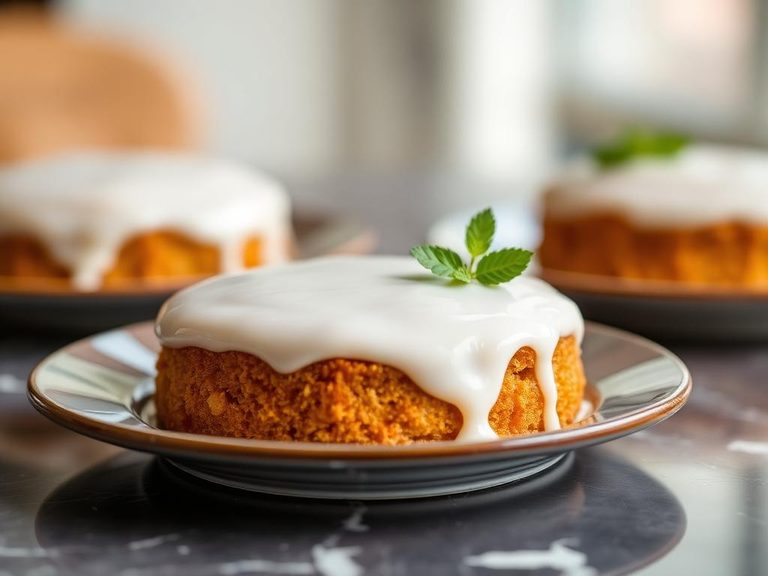
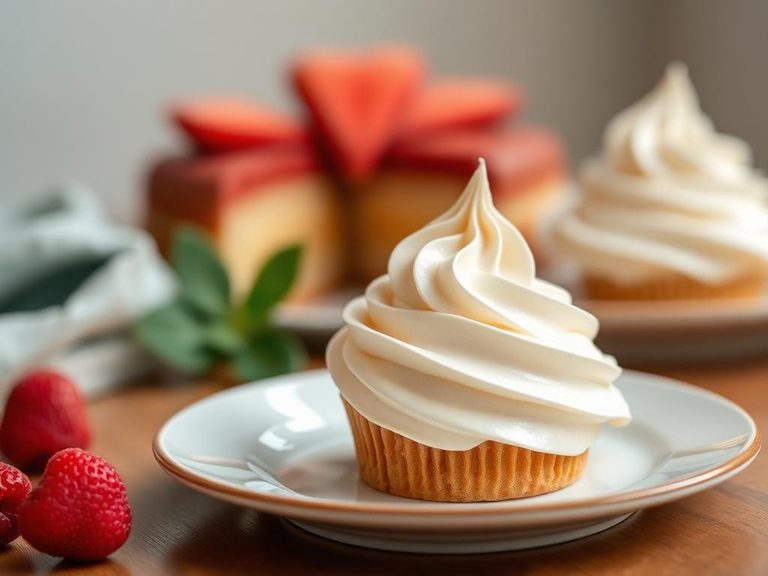
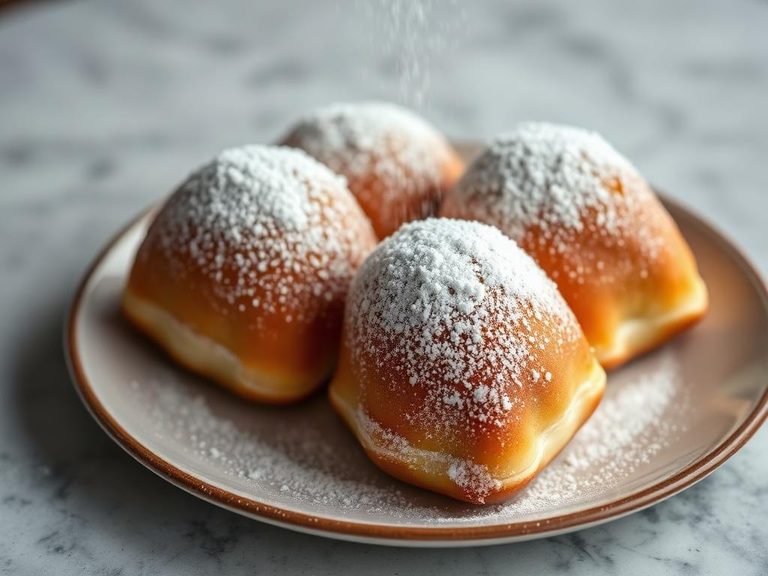
People love powdered sugar for its transformative ability to turn simple desserts into elegant treats, from the snowy dusting on a chocolate truffle to the glossy sheen of a lemon glaze. Its ultra-fine texture is key to achieving silky-smooth frostings and delicate, melt-in-your-mouth confections that granulated sugar simply cannot replicate.
⚠️ Watch-outs & how to enjoy it better
Its primary downside is being a concentrated source of added sugar, which can cause rapid blood-sugar spikes and offers no nutritional benefit beyond calories. To counteract this, use it sparingly as a garnish rather than a main ingredient, and always pair sugary treats with a source of protein or healthy fat (like nuts or yogurt) to slow sugar absorption. For those monitoring intake, consider using it only for special occasion baking.
Key benefits
- Provides quick energy due to its simple sugar form
- Dissolves smoothly for a lump-free texture in frostings and glazes
- Creates a professional, decorative finish on baked goods
- Essential for making stable meringues and smooth buttercreams
- Offers a clean, neutral sweetness that doesn't overpower other flavors
🍽️ Popular dishes
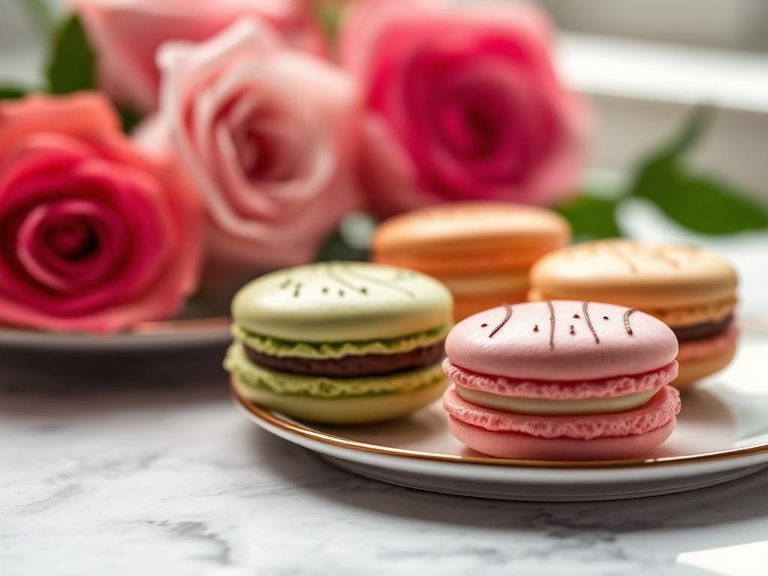
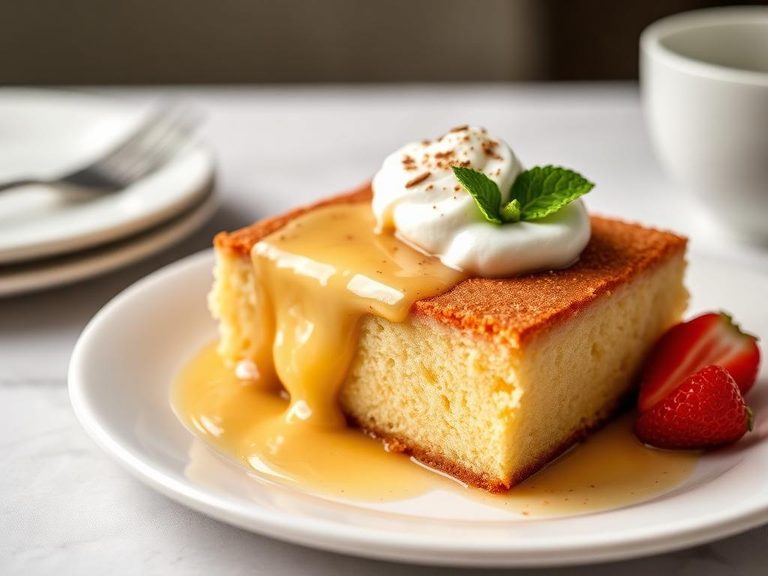
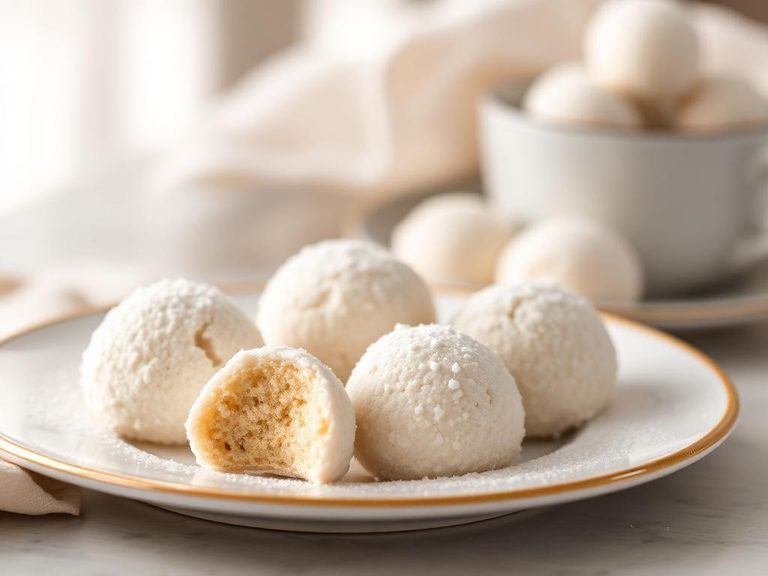
🌍 Where it's eaten
💡 Did you know?
The tiny amount of cornstarch (typically 3%) added to commercial powdered sugar is not for sweetness but is a functional anti-caking agent that absorbs moisture and prevents the ultra-fine particles from clumping into a solid brick in the bag.
Full nutrition (USDA data · scales with serving)
| Water | 0.23 g |
| Energy | 389 kcal |
| Energy | 1627 kj |
| Protein | 0.00 g |
| Total lipid (fat) | 0.00 g |
| Ash | 0.01 g |
| Carbohydrate, by difference | 99.8 g |
| Fiber, total dietary | 0.00 g |
| Total Sugars | 97.8 g |
| Glucose | 0.00 g |
| Fructose | 0.00 g |
| Lactose | 0.00 g |
| Maltose | 0.00 g |
| Galactose | 0.00 g |
| Starch | 1.3 g |
| Calcium, Ca | 1.0 mg |
| Iron, Fe | 0.06 mg |
| Magnesium, Mg | 0.00 mg |
| Phosphorus, P | 0.00 mg |
| Potassium, K | 2.0 mg |
| Sodium, Na | 2.0 mg |
| Zinc, Zn | 0.01 mg |
| Copper, Cu | 0.01 mg |
| Manganese, Mn | 0.00 mg |
| Selenium, Se | 0.60 ug |
| Vitamin C, total ascorbic acid | 0.00 mg |
| Thiamin | 0.00 mg |
| Riboflavin | 0.02 mg |
| Niacin | 0.00 mg |
| Pantothenic acid | 0.00 mg |
| Vitamin B-6 | 0.00 mg |
| Folate, total | 0.00 ug |
| Folic acid | 0.00 ug |
| Folate, food | 0.00 ug |
| Folate, DFE | 0.00 ug |
| Choline, total | 0.00 mg |
| Vitamin B-12 | 0.00 ug |
| Vitamin B-12, added | 0.00 ug |
| Vitamin A, RAE | 0.00 ug |
| Retinol | 0.00 ug |
| Carotene, beta | 0.00 ug |
| Carotene, alpha | 0.00 ug |
| Cryptoxanthin, beta | 0.00 ug |
| Vitamin A, IU | 0.00 iu |
| Lycopene | 0.00 ug |
| Lutein + zeaxanthin | 0.00 ug |
| Vitamin E (alpha-tocopherol) | 0.00 mg |
| Vitamin E, added | 0.00 mg |
| Vitamin D (D2 + D3), International Units | 0.00 iu |
| Vitamin D (D2 + D3) | 0.00 ug |
| Vitamin K (phylloquinone) | 0.00 ug |
| Alcohol, ethyl | 0.00 g |
| Caffeine | 0.00 mg |
| Theobromine | 0.00 mg |
Fat & fatty acid profile (per 100g)
| Fatty acids, total saturated | 0.00 g |
| SFA 4:0 | 0.00 g |
| SFA 6:0 | 0.00 g |
| SFA 8:0 | 0.00 g |
| SFA 10:0 | 0.00 g |
| SFA 12:0 | 0.00 g |
| SFA 14:0 | 0.00 g |
| SFA 16:0 | 0.00 g |
| SFA 18:0 | 0.00 g |
| Fatty acids, total monounsaturated | 0.00 g |
| MUFA 16:1 | 0.00 g |
| MUFA 18:1 | 0.00 g |
| MUFA 20:1 | 0.00 g |
| MUFA 22:1 | 0.00 g |
| Fatty acids, total polyunsaturated | 0.00 g |
| PUFA 18:2 | 0.00 g |
| PUFA 18:3 | 0.00 g |
| PUFA 18:4 | 0.00 g |
| PUFA 20:4 | 0.00 g |
| PUFA 20:5 n-3 (EPA) | 0.00 g |
| PUFA 22:5 n-3 (DPA) | 0.00 g |
| PUFA 22:6 n-3 (DHA) | 0.00 g |
| Cholesterol | 0.00 mg |
FAQ
Can I make powdered sugar at home?
Yes. Simply blend regular granulated sugar in a high-speed blender or food processor until it becomes a fine powder. For a 1:1 substitute for store-bought, add 1 tablespoon of cornstarch per cup of homemade powdered sugar to prevent clumping.
Why does my powdered sugar glaze sometimes turn clear or crack?
This is usually due to the sugar dissolving completely. A glaze made with just powdered sugar and liquid (like milk or lemon juice) will set hard and can crack. For a softer, more opaque glaze, use a fat like butter or cream, or add a small amount of corn syrup.
Is powdered sugar the same as icing sugar or confectioners' sugar?
Yes, these are all different names for the same product. The term 'icing sugar' is more common in the UK and Commonwealth countries, while 'confectioners' sugar' is standard in the United States.
Nutrient density (calculated · NRF9.3)
Nutrient Rich Foods index: beneficial nutrients (protein, fiber, vitamins, minerals) minus saturated fat, added sugar & sodium, per 100 kcal.
NRF9.3 index — Fulgoni, Keast & Drewnowski, 2009. Computed from USDA nutrients.
Weight-loss friendliness (composite index)
Energy density 3.89 kcal/g · 0% calories from protein · 0.0 g fiber · 97.8 g sugar per 100 g.
Composite of energy density (Rolls et al., 1999), protein & fiber satiety, minus sugar. A calculated heuristic — ranks satiety-per-calorie, not a clinical measure.
Dietary load (calculated from USDA values)
Potential renal acid load. Positive = acid-forming, negative = alkaline-forming.
Sodium-to-potassium ratio: 1.00 (lower is better — aim for ≤ 1)
Sodium:potassium per WHO potassium guidance. Computed from USDA nutrients.