

Glacé icing
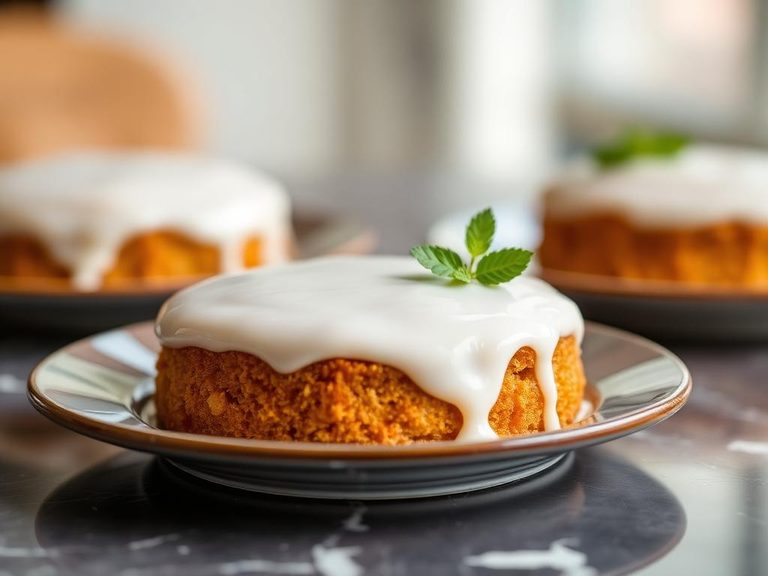
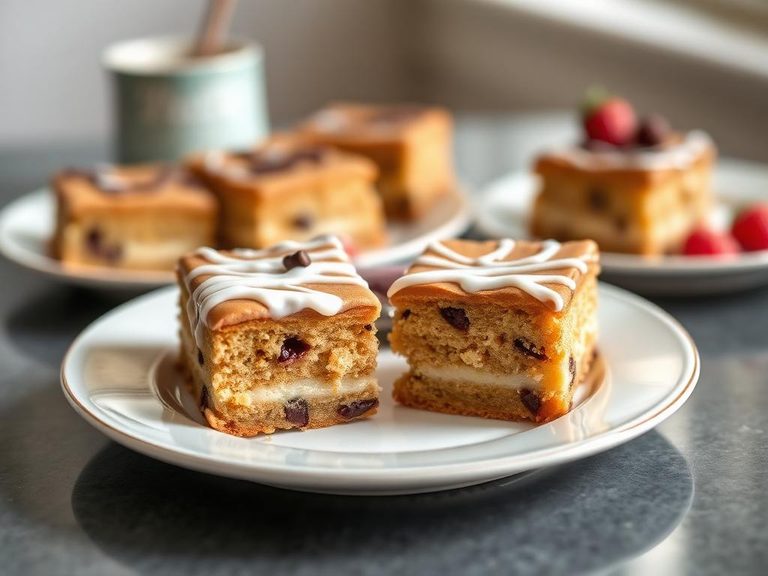
Glacé icing, also known as water icing or simple icing, is a smooth, glossy topping made from powdered sugar and a liquid, typically water or lemon juice. It is a classic British and American confectionery staple, most famously used to coat and sweeten the top of a Dundee cake or a classic iced bun. Its simplicity allows it to set into a hard, sweet shell, providing a delightful textural contrast to the soft cake or biscuit beneath.
🍳 View the full Glacé icing recipe →
🍽️ Nutrition at a glance
This icing is extremely high in carbohydrates, almost exclusively from sugar, and is virtually devoid of protein, fat, or significant micronutrients. A typical serving, which is a thin layer on a cake or bun, contributes roughly 50-100 calories, but its primary nutritional role is as a source of quick energy and sweetness.
Nutrition breakdown
| Calories | 230 kcal |
| Protein | 0 g |
| Carbs | 57 g |
| Fat | 0 g |
| Fiber | 0 g |
| Sugar | 56 g |
| Sodium | 5 mg |
| Calcium | 2 mg |
| Iron | 0.1 mg |
| Potassium | 5 mg |
| Magnesium | 1 mg |
| Phosphorus | 1 mg |
| Selenium | 1 µg |
| Copper | 0.01 mg |
| Manganese | 0.01 mg |
Per 1/4 cup (60 g) · estimated, varies by recipe
💡 What's interesting
Glacé icing is nutritionally unique for its almost pure sugar composition, making it a concentrated source of quick energy but offering no other nutritional value. Culturally, its simple, shiny finish is a hallmark of traditional home baking and festive treats, symbolizing a touch of simple, sweet indulgence.
🍽️ Related dishes




AI estimate may be inaccurate · Terms