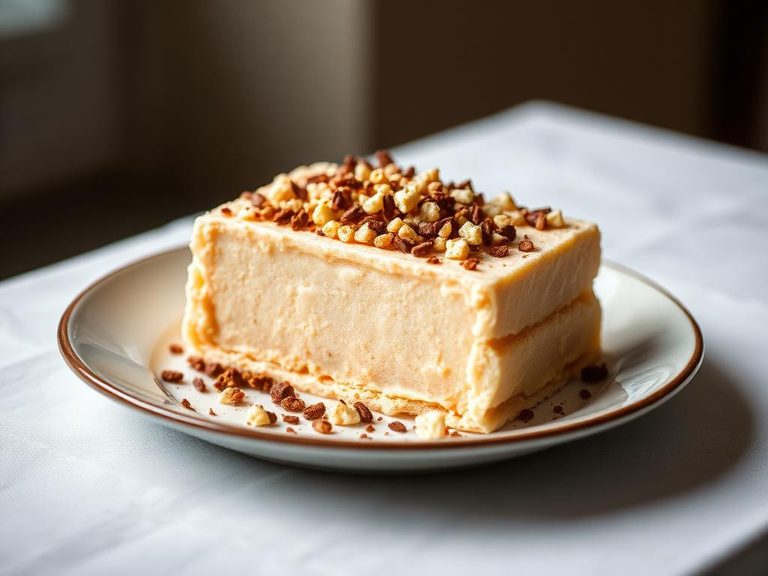
Marrons glacés
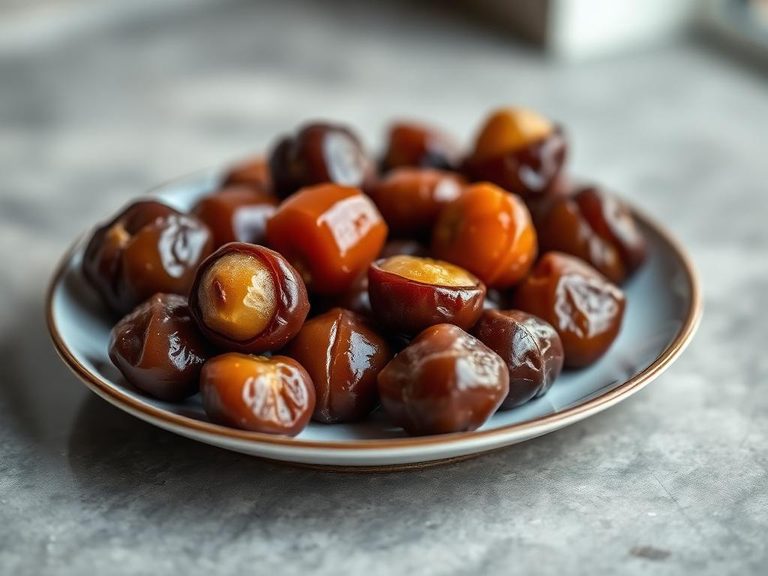
Marrons glacés are whole chestnuts that have been slowly candied in sugar syrup and then glazed, creating a glossy, sweet confection with a tender, chestnut-flavored interior. They are a classic French delicacy, particularly associated with the regions of Ardèche and Drôme, and are often enjoyed as a festive treat during the winter holidays.
🍽️ Nutrition at a glance
As a candied fruit, marrons glacés are high in carbohydrates, primarily from sugar and the natural starch of the chestnut, with a moderate amount of dietary fiber. A typical serving of two or three pieces provides roughly 150-200 calories, along with some minerals like potassium and manganese.
Nutrition breakdown
| Calories | 320 kcal |
| Protein | 2.5 g |
| Carbs | 72 g |
| Fat | 1.5 g |
| Fiber | 4 g |
| Sugar | 60 g |
| Sodium | 10 mg |
| Potassium | 400 mg |
| Manganese | 1.5 mg |
| Copper | 0.4 mg |
| Vitamin C | 15 mg |
| Vitamin B6 | 0.2 mg |
| Folate | 45 µg |
| Iron | 1.5 mg |
| Magnesium | 35 mg |
Per 100 g (about 5-6 pieces) · estimated, varies by recipe
💡 What's interesting
The process of making marrons glacés is a time-honored confectionery art, requiring days of careful, gradual candying to achieve the perfect texture without the chestnut falling apart. Nutritionally, they offer a unique combination of a sweet treat with the earthy, nutty flavor and some of the beneficial nutrients of the chestnut itself.